Analyzing The Keith Jack Necklace: Niobium vs Precious Metals
Discover the unique material properties of a Keith Jack necklace. We compare signature niobium and titanium against gold and platinum for 2026 buyers.

The Metallurgy Behind the Magic: Introduction to Signature Alloys
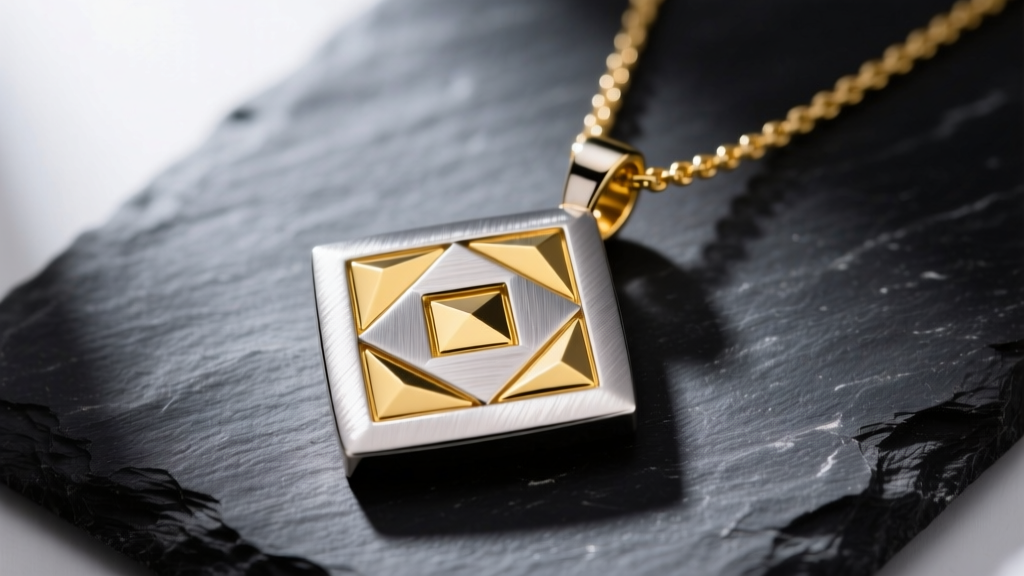
When evaluating high-concept artisan jewelry in the 2026 luxury market, collectors and everyday wearers alike are increasingly prioritizing material science alongside aesthetic design. The Gemological Institute of America (GIA) frequently notes that modern buyers demand biocompatibility and structural longevity. This shift perfectly explains the enduring appeal and technical brilliance of a Keith Jack necklace. Renowned for his architectural 'Movie Magic' collections and geometric precision, Jack eschews traditional all-gold or all-platinum constructions in favor of a sophisticated multi-metal approach.
At the core of his design philosophy is the utilization of aerospace-grade refractory metals—specifically Niobium and Titanium—accented by 18k yellow gold and platinum. But why choose these industrial metals over traditional precious ones? The answer lies in a complex intersection of tensile strength, hypoallergenic properties, and the unique way these metals interact with light when subjected to proprietary brushing techniques. To truly understand the value and wearability of these pieces, we must deconstruct the metallurgical properties that define them.
Niobium vs. Titanium: The Core Base Metals Compared
Element 41 (Niobium) and Element 22 (Titanium) are both transition metals celebrated for their exceptional strength-to-weight ratios and corrosion resistance. However, they behave very differently on the jeweler's bench and on the wearer's skin. Niobium is notably denser and softer than titanium, giving it a satisfying, weighty drape when used as a pendant base. It is also universally hypoallergenic, making it the ultimate choice for wearers with severe contact dermatitis or nickel allergies.
Titanium, particularly the Grade 5 (Ti-6Al-4V) alloy often utilized in high-end structural jewelry, offers vastly superior scratch resistance. While a pure niobium surface will develop a soft, organic patina of micro-scratches over years of daily wear, Grade 5 titanium maintains its sharp, architectural lines indefinitely. Below is a comprehensive breakdown of how these base metals compare against traditional precious alternatives.
| Metal / Alloy | Vickers Hardness (HV) | Density (g/cm³) | Hypoallergenic Rating | Primary Failure Mode |
|---|---|---|---|---|
| Niobium (Pure) | 140 HV | 8.57 | Excellent (10/10) | Surface marring, loss of directional brush |
| Titanium (Grade 5) | 334 HV | 4.43 | Excellent (9/10) | Brittle fracture under extreme shear force |
| 18k Yellow Gold | 125 HV | 15.6 | Moderate (6/10) | Prong wear, alloy leaching, deep scratching |
| Platinum (950) | 115 HV | 21.45 | High (8/10) | Patina development, metal displacement |
The Role of 18k Gold and Platinum Accents
A defining characteristic of a Keith Jack necklace is the striking visual contrast between the cool, matte grey of the niobium or titanium base and the warm, polished gleam of 18k yellow gold inlays. From a materials perspective, combining these metals presents a significant engineering challenge due to their vastly different melting points and thermal expansion coefficients. Traditional soldering is often impossible or visually destructive when joining niobium to gold.
Overcoming Galvanic Corrosion in Multi-Metal Wear
When two dissimilar metals are in contact in the presence of an electrolyte (such as human sweat, which has a pH ranging from 4.5 to 7.0), galvanic corrosion can occur. According to the International Titanium Association, titanium and niobium naturally form a passive oxide layer that protects them from environmental degradation. However, when coupled with a highly cathodic metal like 18k gold, the anodic base metal can theoretically degrade over decades of exposure to saline environments.
To circumvent this, master jewelers crafting these specific designs utilize precision mechanical interlocking—such as dovetail joints and friction-fit inlays—rather than relying on reactive chemical solders. This not only prevents galvanic corrosion but also allows the metals to expand and contract independently under temperature fluctuations, preventing the micro-fractures that plague poorly engineered multi-metal jewelry.
Gemstone Integration: Tension and Bezel Mechanics
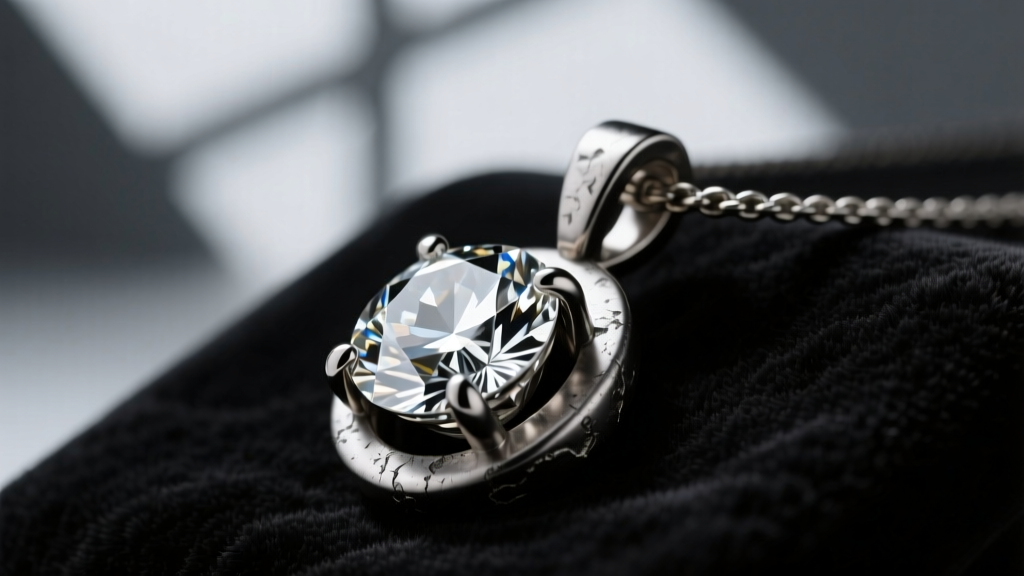
The integration of diamonds into a Keith Jack necklace relies heavily on the mechanical advantages of the chosen base metals. Traditional 14k or 18k gold prongs are susceptible to metal fatigue; repeated impacts can bend the prong, leading to stone loss. Titanium and niobium, conversely, offer immense structural rigidity.
When diamonds are set into these pendants, they are typically secured via precision-milled bezels or tension settings. The high yield strength of Grade 5 titanium means that a bezel wall can be milled to a fraction of a millimeter in thickness while still exerting enough inward pressure to securely hold a brilliant-cut diamond. This allows for maximum light entry into the stone's pavilion, enhancing the diamond's scintillation without the visual bulk of heavy gold settings. Furthermore, the dark, oxidized finishes often applied to the titanium recesses act as a natural contrast enhancer, making the white diamonds appear visibly whiter and more brilliant to the human eye.
Longevity, Patina, and Maintenance Framework
Owning a piece of architectural, multi-metal jewelry requires a shift in maintenance habits. The signature brushed finishes found on these pendants are anisotropic, meaning the microscopic grooves are aligned in a specific direction to manipulate light reflection. Improper cleaning can permanently alter this optical effect.
- Daily Cleaning: Use a lint-free microfiber cloth and wipe strictly in the direction of the visible brush grain. Never rub in circular motions, as this will create cross-hatched micro-scratches that dull the finish.
- Deep Cleaning: A mild solution of warm water and phosphate-free dish soap is sufficient. Use a soft-bristled baby toothbrush to gently dislodge sebum and cosmetic buildup from the gold inlay seams.
- Ultrasonic Warning: While niobium and titanium are entirely safe in ultrasonic cleaners, the high-frequency vibrations can potentially compromise the friction-fit mechanical joints holding the 18k gold inlays or tension-set diamonds over prolonged exposure. Hand washing is the recommended protocol.
- Chemical Avoidance: Remove the necklace before entering chlorinated pools. While the titanium will survive, chlorine can aggressively attack the copper alloys present in the 18k yellow gold accents, leading to localized pitting and stress corrosion cracking.
Final Verdict: Is This Metallurgy Right for You?
A Keith Jack necklace represents a triumph of modern metallurgical application in fine jewelry. It is not merely a decorative item, but a wearable study in material science. For individuals with severe metal allergies, the pure niobium and Grade 5 titanium constructions offer a completely inert, biocompatible sanctuary that traditional karat gold simply cannot match.
However, prospective buyers must weigh the benefits of extreme durability against the realities of the materials. These pieces cannot be easily resized or repaired by a standard mall jeweler; they require specialized equipment, including laser welders and argon-gas environments, to service. If you value architectural aesthetics, lightweight strength, and a distinctly modern material palette over traditional precious metal prestige, the unique alloy combinations found in these collections offer an unparalleled value proposition in the contemporary jewelry market.


