The Beginner's Guide to Buying a Pineapple Quartz Necklace
Discover everything about pineapple quartz necklaces. Learn how to spot real inclusions, choose the right chain, and style this unique gemstone.

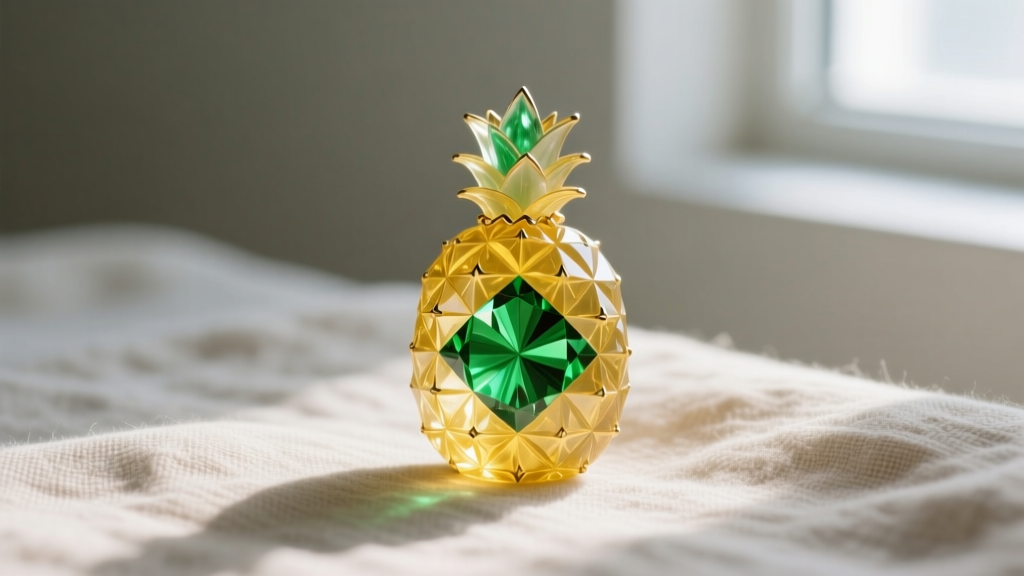
What Exactly is Pineapple Quartz?
If you are new to the world of gemstone jewelry, the term "pineapple quartz" might sound like a marketing gimmick or a synthetic creation. In reality, a pineapple quartz necklace showcases a fascinating natural phenomenon. Pineapple quartz is not a distinct mineral species recognized by gemologists. Instead, it is a popular trade name used in the lapidary and crystal communities to describe macrocrystalline quartz (silicon dioxide) that contains specific, highly textured inclusions.
The "pineapple" moniker comes from the visual appearance of these inclusions. Typically, the host quartz is clear or lightly smoky, while the inclusions are composed of minerals like epidote, chlorite, or rutile. When these minerals form in fibrous, spiky, or botryoidal (grape-like) clusters inside the quartz, they mimic the rough, spiky crown and textured rind of a pineapple. According to mineralogical databases like Mindat.org, epidote inclusions in quartz are highly prized by collectors for their striking yellow-green to pistachio color contrast against the colorless host crystal.
Because the quartz matrix ranks at a 7 on the Mohs hardness scale, it is highly durable for everyday wear. However, the included minerals can sometimes have slightly different hardness levels and cleavage planes, which makes the cutting and setting of these stones a specialized craft.
Real vs. Fake: Identifying Authentic Inclusions
As the popularity of included quartz has surged, so has the market for imitations. When shopping for a pineapple quartz necklace, it is crucial to know how to distinguish genuine geological formations from manufactured fakes. Here are the primary red flags to watch for:
- Glass Imitations: Some manufacturers use molded glass with painted or glued-in metallic fibers to mimic rutile or epidote. Glass will often contain tiny, perfectly spherical air bubbles, which never occur in natural macrocrystalline quartz.
- Dyed Quartz: Low-quality, heavily fractured quartz is sometimes boiled in yellow or green dyes to simulate the look of epidote inclusions. If the color is concentrated entirely inside the microscopic cracks of the stone rather than forming distinct, solid mineral structures, it is likely dyed.
- The Temperature Test: Natural quartz has high thermal inertia, meaning it feels noticeably cold to the touch when first picked up and takes a moment to warm to your skin. Glass and plastic resins will feel room-temperature or warm almost immediately.
For definitive verification, the Gemological Institute of America (GIA) recommends examining the stone under 10x magnification. Genuine pineapple quartz will show sharp, angular crystal structures of the included minerals suspended within the host stone, often with natural color zoning that cannot be replicated in a lab.
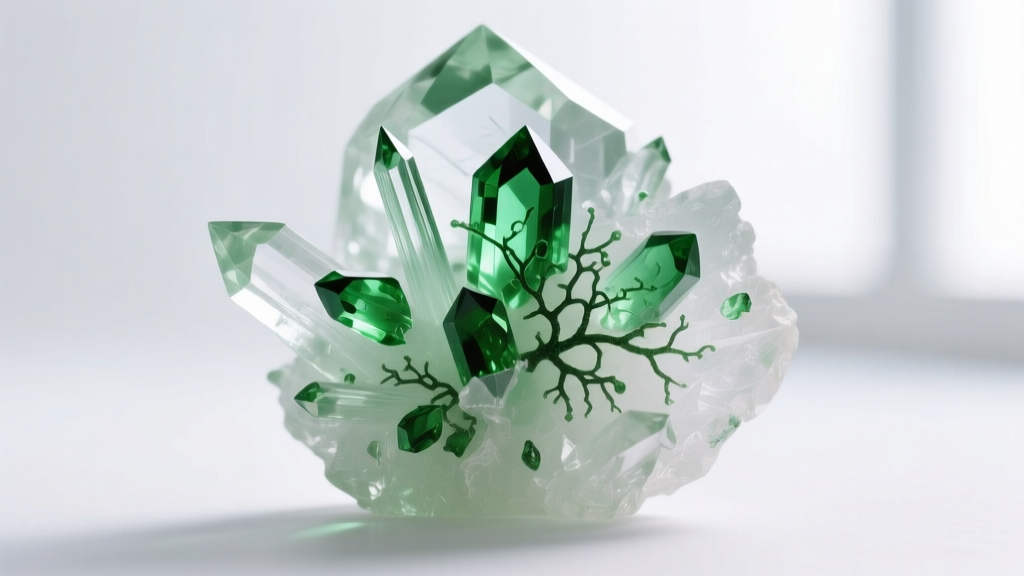
Choosing the Right Setting and Chain Gauge
The setting of your pineapple quartz pendant plays a massive role in both its aesthetic and its longevity. Because the inclusions can occasionally create internal tension or minor surface pitting where the included mineral meets the quartz, bezel settings are highly recommended over traditional prong settings. A bezel wraps a thin rim of metal entirely around the girdle (edge) of the stone, protecting it from lateral impacts that could cause the stone to split along an inclusion line.
Equally important is selecting the correct chain gauge. Pineapple quartz pendants, especially those cut as cabochons or thick teardrops, can be surprisingly dense. A standard quartz pendant of roughly 20mm x 15mm can weigh between 4 and 8 grams. If your pendant is on the heavier side, you must match it with a chain that can support the weight without stretching or snapping.
Chain Material and Durability Comparison
| Chain Material | Recommended Gauge | Durability & Best Use | Price Range |
|---|---|---|---|
| Sterling Silver (925) | 1.2mm - 1.5mm | Excellent for daily wear; may tarnish over time. Best for pendants under 10g. | $25 - $60 |
| 14k Gold-Filled | 1.0mm - 1.3mm | Highly tarnish-resistant; thick gold layer over brass core. Great mid-tier option. | $35 - $80 |
| Solid 14k Gold | 0.9mm - 1.2mm | Premium durability; will not tarnish. Can support heavier pendants due to metal density. | $150 - $400+ |
| Surgical Stainless Steel | 1.5mm - 2.0mm | Hypoallergenic and extremely strong, but rigid. Best for heavy, oversized statement pieces. | $15 - $30 |
Pricing Guide: What Should You Pay?
Understanding the pricing tiers for a pineapple quartz necklace will help you avoid overpaying for commercial-grade stones or underestimating the value of collector-grade specimens. Prices are largely dictated by the clarity of the host quartz and the vibrancy of the inclusions.
- Commercial Grade ($20 - $50): The host quartz is milky, cloudy, or heavily fractured. The inclusions are present but may look muddy or lack distinct crystal formations. Settings are usually mass-produced sterling silver or gold-plated brass.
- Fine Jewelry Grade ($60 - $150): The quartz is highly transparent (eye-clean), allowing a clear view of vibrant, well-defined yellow-green epidote or golden rutile inclusions. The stone is custom-cut and set in high-quality 925 silver or 14k gold-filled bezels.
- Collector / Artisan Grade ($180 - $350+): Exceptional clarity with rare, scenic inclusion patterns (e.g., inclusions that form a perfect "landscape" or distinct geometric phantoms). Often paired with solid 14k or 18k gold settings and hand-fabricated by independent lapidary artists.
Styling Your Pineapple Quartz Pendant
The earthy, botanical color palette of pineapple quartz makes it an incredibly versatile accessory. The yellow-green and golden tones act as a neutral bridge between warm and cool color families in your wardrobe.
For a casual, everyday look, pair a medium-sized pineapple quartz teardrop pendant on an 18-inch sterling silver rolo chain with a simple white linen blouse or a lightweight beige knit sweater. The 18-inch length ensures the pendant rests perfectly at the collarbone, drawing the eye without overwhelming the neckline.
For layering, pineapple quartz works beautifully when anchored by shorter, simpler chains. Try wearing your 18-inch pineapple quartz necklace alongside a 14-inch or 16-inch plain gold or silver chain, perhaps featuring a tiny, minimalist geometric charm. This creates a curated, staggered look that prevents the included quartz from looking too heavy or bohemian.

Care and Maintenance for Included Stones
While quartz is a hard and durable mineral, the presence of internal inclusions requires a specific approach to cleaning and maintenance. The most critical rule for any pineapple quartz necklace is to avoid ultrasonic cleaners. Ultrasonic machines use high-frequency sound waves to create microscopic bubbles that implode, generating intense localized heat and pressure. This process can easily cause the host quartz to fracture along the natural fault lines created by the epidote or rutile inclusions.
Similarly, avoid steam cleaners. The sudden thermal shock can lead to catastrophic cracking.
The Safe Cleaning Method: To keep your pineapple quartz necklace looking brilliant, simply mix a few drops of mild, phosphate-free dish soap into a bowl of lukewarm water. Use a baby-soft toothbrush to gently scrub the back of the pendant (where skin oils and lotions tend to accumulate) and the chain links. Rinse thoroughly under lukewarm running water and pat dry with a microfiber cloth. Store the necklace in a soft pouch or a dedicated jewelry box compartment to prevent harder gemstones, like diamonds or sapphires, from scratching the surface of the quartz.


