Kendra Scott Heart Necklace: An Expert Material & Wear Analysis
A technical deep dive into the Kendra Scott heart necklace, analyzing brass base metals, rhodium plating thickness, drusy stone durability, and chain wear.

The Anatomy of the Elisa Pendant: Base Metals and Plating
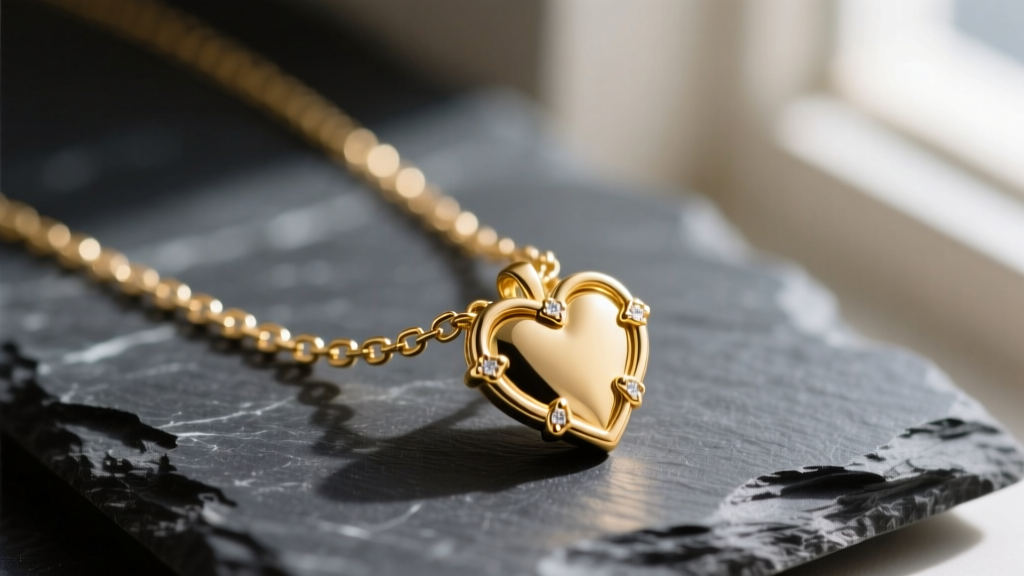
The iconic Kendra Scott heart necklace, most notably recognized as the Elisa pendant, is a staple in accessible fashion jewelry. However, evaluating its longevity requires looking past the aesthetic and into the metallurgical reality of its construction. The foundation of the Elisa pendant is a copper-zinc alloy, commonly referred to as jeweler's brass. Brass is favored in this price tier for its excellent machinability, allowing for the precise casting of the heart silhouette and the delicate prong settings that secure the center stone.
To prevent the natural oxidation of brass and to provide a hypoallergenic barrier, the base metal is electroplated. Depending on the colorway, this involves a bath of either rhodium (for silver tones) or 14k gold. According to the FTC Jewelry Guides, fashion jewelry in this category typically features a plating thickness ranging from 0.1 to 0.3 microns. This classifies the finish as 'gold flashed' or 'rhodium flashed' rather than heavy vermeil. While this provides a brilliant initial luster, a 0.2-micron plating is highly susceptible to friction wear, particularly at the bail where the pendant rubs against the chain, and along the high-relief edges of the heart shape.
Stone Inlays: Drusy, Mother of Pearl, and Opalite Durability
The visual hallmark of the Kendra Scott heart necklace is its diverse array of center stones, held in place by a custom-molded bezel or four-prong setting. Understanding the Mohs hardness scale of these materials is critical for predicting scratch resistance and structural integrity.
Druzy Quartz
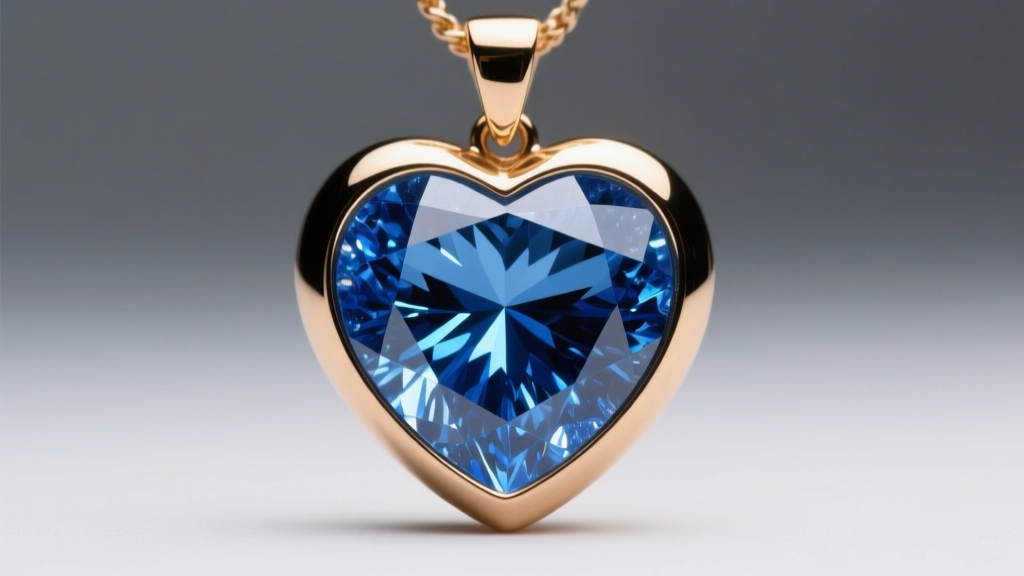
Druzy refers to a coating of fine, crystalline quartz on a rock matrix. Because quartz ranks at a 7 on the Mohs scale, drusy inlays are highly resistant to everyday scratching. However, the vulnerability lies not in the crystal itself, but in the adhesive bond. The porous nature of the drusy matrix requires a specialized jeweler's epoxy to secure it to the brass backing. Prolonged exposure to ethanol-based perfumes or lotions can degrade this adhesive over time, leading to stone rattle or complete detachment.
Mother of Pearl and Abalone
Organic gems like Mother of Pearl (MOP) and Abalone are calcium carbonate structures. As detailed in the GIA Gem Encyclopedia, these materials rank between 2.5 and 4.5 on the Mohs scale. They are exceptionally soft and prone to micro-abrasions if stored loosely with harder metals. Furthermore, MOP is highly sensitive to acidic environments; even the natural pH of human sweat can dull the nacre's iridescence over years of continuous wear.
Opalite
Often mistaken for natural opal, Opalite is a synthetic glass. Ranking at 5.5 on the Mohs scale, it is softer than quartz but harder than MOP. Its primary failure mode is chipping. Because glass lacks a crystalline cleavage plane, a sharp impact against a hard surface (like a granite countertop) will cause conchoidal fracturing, resulting in irreversible edge chips on the heart pendant.
Chain Mechanics: Gauge, Clasp, and Tensile Strength
The chain accompanying the Elisa pendant is typically a standard cable chain, measuring between 0.9mm and 1.2mm in gauge. This specific gauge offers a delicate visual profile but possesses a low tensile strength limit—usually snapping under 3 to 5 pounds of direct pressure.
The clasp mechanism is a miniature lobster clasp. While lobster clasps are generally secure, the micro-springs inside these specific 8mm clasps are prone to fatigue. A common failure point occurs when the lever is repeatedly depressed with long fingernails, eventually bending the internal spring arm and preventing the clasp from fully closing. For patients with dexterity issues, upgrading to a 5mm magnetic neodymium clasp or a 10mm standard lobster clasp via a jeweler is a highly recommended structural modification.
Market Comparison: Kendra Scott vs. Solid Gold Alternatives
To contextualize the value and lifespan of the Kendra Scott heart necklace, it is useful to compare its material specifications against solid gold alternatives in the demi-fine and fine jewelry sectors.
| Brand / Model | Base Material | Stone Type | Est. Lifespan (Daily Wear) | Price Range |
|---|---|---|---|---|
| Kendra Scott (Elisa) | Brass w/ Rhodium or 14k Gold Plating | Druzy, MOP, Opalite | 1 - 3 Years | $50 - $70 |
| Mejuri (Bold Huggie / Charms) | 14k Solid Gold or Gold Vermeil (Sterling Silver base) | Diamond, Freshwater Pearl | 5 - 10+ Years | $150 - $300 |
| Catbird (Sweet Nothing) | 14k Recycled Solid Gold | Recycled Diamond | Lifetime | $350 - $500 |
Common Failure Points and Preventative Maintenance
Maximizing the lifespan of a plated brass necklace requires a strict maintenance protocol that mitigates chemical and mechanical degradation.
The 'Last On, First Off' Rule
Because the 0.2-micron plating is highly reactive to sulfur and chlorides, the necklace must be the last item put on after applying cosmetics, hairspray, and perfume. Conversely, it must be the first item removed before showering or swimming. Chlorine in tap water and pools will rapidly strip rhodium plating, exposing the raw brass beneath, which will then oxidize and turn the wearer's skin green due to the copper content reacting with sweat.
Cleaning Protocols
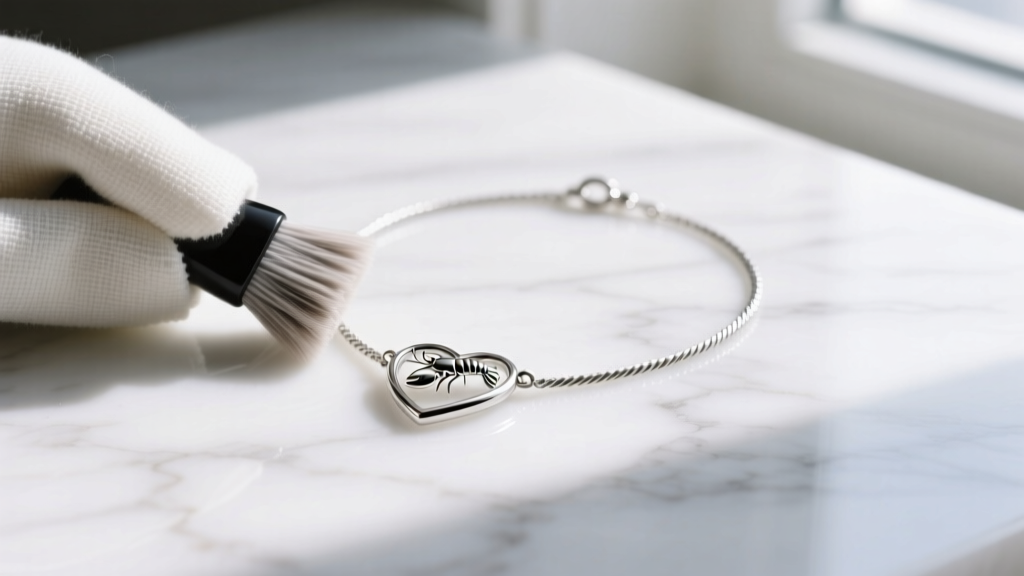
Never use ultrasonic cleaners or silver dip solutions on a Kendra Scott heart necklace. Ultrasonic vibrations will shatter the adhesive bond holding the drusy or MOP inlay, and chemical dips will instantly strip the electroplated finish. Instead, use a dry, untreated microfiber cloth to gently buff away skin oils. If deeper cleaning is required, a drop of mild, phosphate-free dish soap on a damp cotton swab can be used to carefully trace the metal prongs, followed by immediate drying with a lint-free towel.
Storage and Humidity Control
Storing the necklace in a humid bathroom environment accelerates galvanic corrosion. The optimal storage method involves hanging the necklace by the clasp to prevent the 1mm cable chain from tangling (which causes micro-abrasions on the plating) and placing a 3M anti-tarnish strip inside the storage pouch to absorb ambient sulfur compounds.
Final Verdict: Cost-Per-Wear and Longevity
The Kendra Scott heart necklace remains a masterclass in accessible, trend-driven design. From a metallurgical standpoint, it is a piece of fashion jewelry engineered for a specific lifecycle rather than generational longevity. When treated with rigorous care—avoiding moisture, chemicals, and friction—the Elisa pendant can easily provide 2 to 4 years of vibrant wear. Understanding the technical limitations of its brass core and delicate plating allows consumers to set realistic expectations and maintain the piece's aesthetic integrity far beyond its initial purchase.


