Replicating the Kesha Jesus on My Necklace: A Technical Deep Dive
Explore the metallurgy, chain gauges, and oxidation techniques behind the iconic kesha jesus on my necklace trend in this expert technical guide.

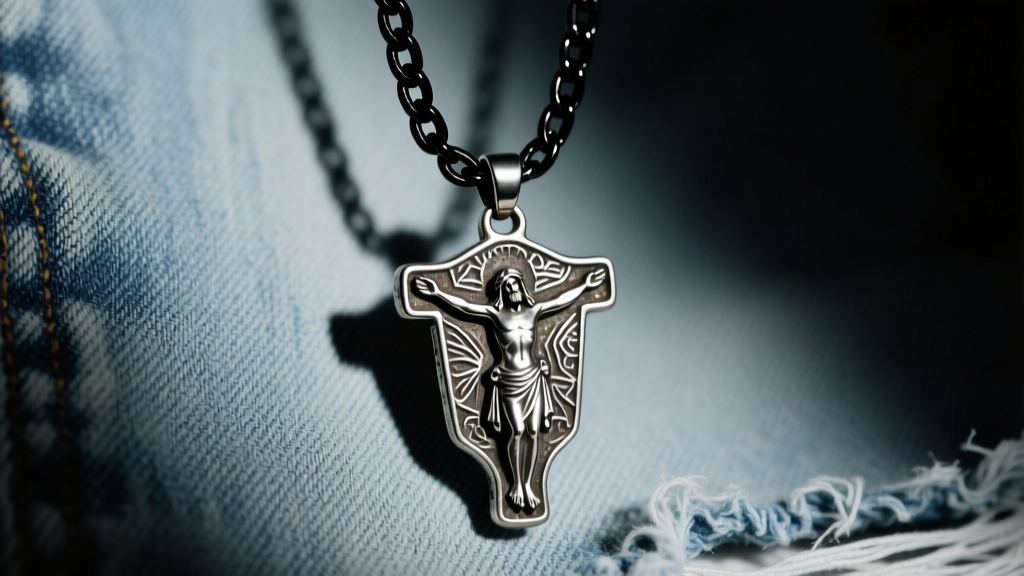
The early 2010s pop-grunge era left an indelible mark on streetwear and jewelry aesthetics, largely driven by Kesha’s unapologetic layering of religious iconography, thrifted denim, and heavy metals. Today, the search query kesha jesus on my necklace represents more than mere nostalgia; it signifies a highly specific demand for heavy, antiqued, oversized religious pendants paired with substantial chains. As a jewelry technical analyst, I frequently see consumers purchase lightweight, die-stamped replicas that fail to capture the kinetic drape and moody patina of the original aesthetic. This guide deconstructs the exact metallurgy, chain gauges, and chemical oxidation processes required to build or authenticate a true grunge-era religious pendant necklace in 2026.
Deconstructing the Pendant: Metallurgy and Casting
To achieve the authentic, weighty feel of the iconic Jesus pendant, manufacturers must utilize lost-wax casting rather than cheap die-striking or tin stamping. The master model is typically 3D-printed in castable resin or carved from jeweler's wax, featuring deep 3D reliefs (minimum 2.5mm depth in the recesses) to allow for dramatic shadow play once oxidized.
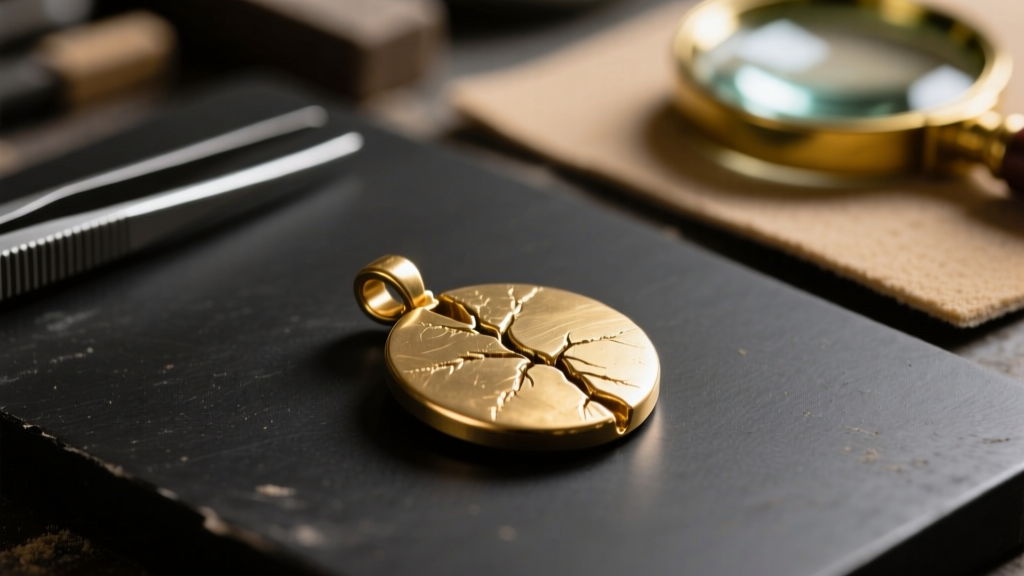
Alloy Selection: .925 Sterling vs. Jeweler's Brass
The base metal dictates both the longevity and the oxidation potential of the piece. According to the Gemological Institute of America (GIA), standard .925 sterling silver consists of 92.5% pure silver and 7.5% copper. That 7.5% copper content is the critical variable: it is the copper that reacts with sulfur compounds to create the deep black patina essential to this aesthetic. Pure .999 silver will not oxidize effectively.
- .925 Sterling Silver: Ideal for heirloom-quality replicas. Weighs approximately 12-15 grams for a 32mm x 22mm pendant. Hypoallergenic and takes a high-contrast polish.
- Jeweler's Brass (Rich Low Brass): An excellent, cost-effective alternative (85% copper, 15% zinc). It casts beautifully with sharp details but requires a clear nano-ceramic coating to prevent skin discoloration (the "green skin" effect) if worn directly against the chest.
The Chain Matrix: Gauge, Link Style, and Drape
The most common failure point in replicating the kesha jesus on my necklace look is pairing a heavy pendant with an inadequate chain. The grunge aesthetic demands a matinee-to-opera length (24 to 28 inches) that hangs low over vintage graphic tees. The chain must possess enough structural rigidity to prevent tangling while maintaining fluid kinetic movement.
| Chain Style | Recommended Gauge | Weight (24-inch) | Drape Profile & Friction |
|---|---|---|---|
| Solid Cuban Link | 4.0mm - 5.0mm | 45g - 60g | Heavy, fluid, lays flat against the sternum. High link friction prevents pendant bail wear. |
| Figaro (3:1) | 4.5mm | 30g - 40g | Moderate drape, vintage aesthetic. The elongated links create a distinct visual rhythm. |
| Hollow Rope | 5.0mm | 12g - 18g | Stiff, prone to kinking. Avoid: Lacks the necessary kinetic weight for the grunge drape. |
Expert Note: Never use hollow-core chains for this build. A 45-gram solid Cuban link provides the necessary centripetal force to keep the pendant oriented forward during movement, whereas a lightweight hollow chain will constantly flip and tangle.
Achieving the Grunge Patina: Liver of Sulfur Oxidation
The signature "dirty" silver look is not achieved through paint or plating, but through controlled chemical oxidation. Master jewelers use Liver of Sulfur (a mixture of potassium sulfide, potassium thiosulfate, and potassium polysulfide) to force rapid tarnishing. Rio Grande, a leading jewelry supply authority, outlines the precise methodology for achieving a high-contrast antique finish:
- Preparation: The cast pendant and chain are polished to a high mirror finish. This ensures the raised surfaces will reflect light brilliantly after the recesses are blackened.
- The Bath: A small pea-sized amount of Liver of Sulfur gel is dissolved in 500ml of warm water (approximately 150°F / 65°C). Hotter water accelerates the reaction but can cause flaking.
- Immersion: The sterling silver is submerged for exactly 45 to 60 seconds. The copper in the alloy reacts with the sulfur, turning the metal a progression of gold, copper, purple, and finally, deep charcoal black.
- Tumbling & Polishing: The blackened piece is placed in a rotary tumbler with stainless steel shot and a mild burnishing compound for 20 minutes. This knocks the black oxidation off the high-relief edges while leaving the deep recesses pitch-black, creating the dramatic 3D contrast required for the face and robes of the pendant.
Clasp Mechanics and Bail Engineering
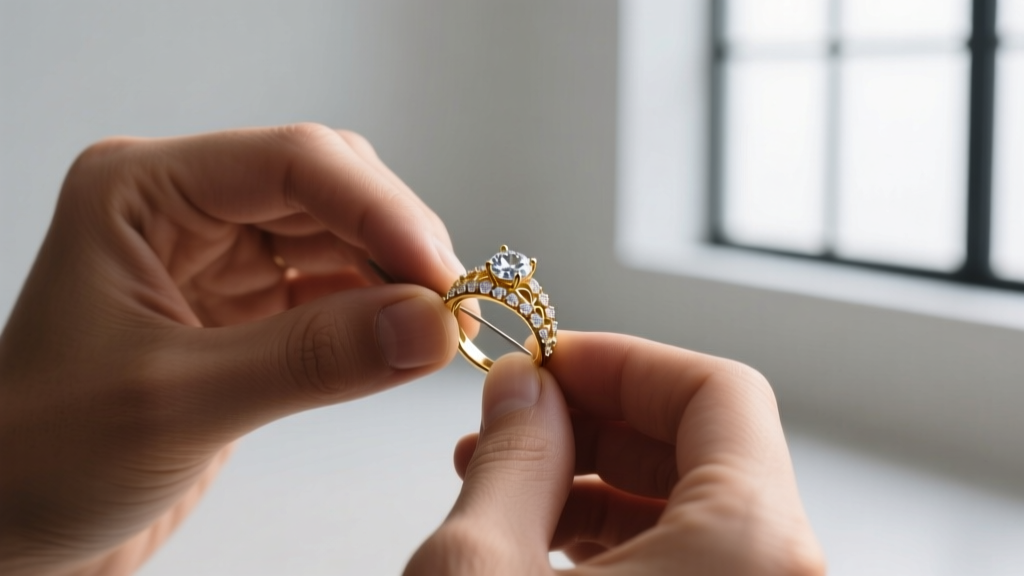
Heavy chains require heavy hardware. A standard 10mm lobster clasp will fail under the 50g+ kinetic load of a solid 4.5mm Cuban link. For a structurally sound build, you must upgrade the findings.
The Bail
A standard 3mm pendant bail will not accommodate a 4.5mm Cuban link. You must utilize a custom hidden bail milled with a 5.5mm interior clearance, soldered directly to the back of the pendant using hard silver solder (melting point 1,450°F) to prevent detachment. Alternatively, an oversized 14-gauge jump ring (minimum 8mm outer diameter) can be soldered shut.
The Clasp
Opt for a 15mm cast lobster clasp or a heavy-duty S-hook clasp forged from 10-gauge wire. Ensure the jump rings connecting the clasp to the chain are soldered shut; open jump rings will inevitably pull apart under the pendulum-like swinging motion of a 26-inch heavy chain.
Final Sourcing and Authentication Tips
When hunting for vintage originals or commissioning a custom replica of the kesha jesus on my necklace, always inspect the hallmarks. Look for the ".925" stamp alongside a maker's mark on the hidden bail or the clasp plate. If the piece is magnetic, it is a base-metal fake with a thin silver plating that will eventually wear through to reveal brass or steel underneath. True grunge aesthetics rely on solid, enduring materials that age gracefully alongside the wearer, developing a unique, personalized patina over years of continuous wear.


