The Kidney Bean Necklace: Budget & Value Assessment
Is a kidney bean necklace worth the investment? We break down materials, manufacturing methods, and pricing tiers to determine true value.

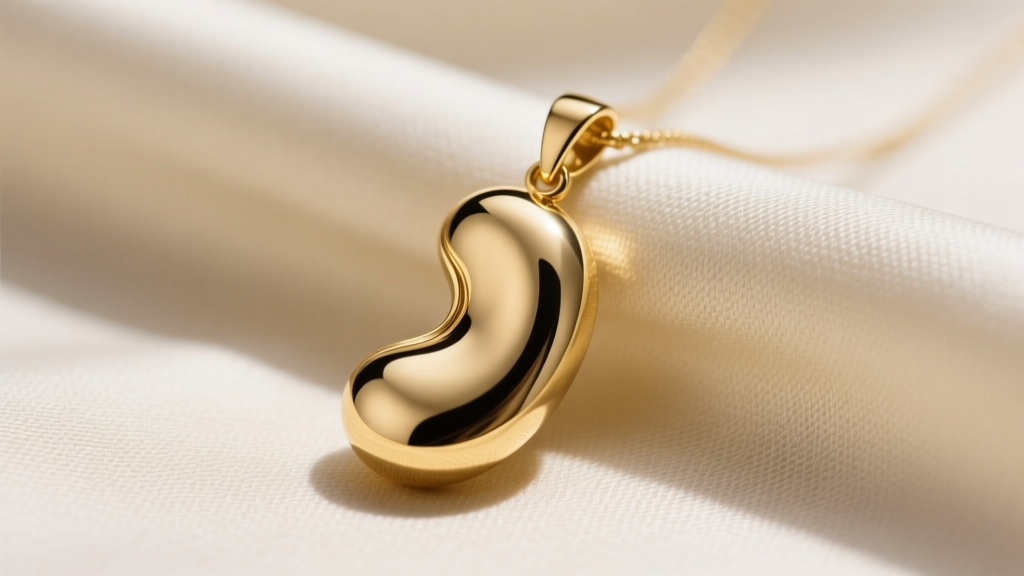
The Rise of the Sculptural Bean: Trend vs. Timeless Staple
The kidney bean necklace has successfully transcended its origins as a fleeting social media micro-trend to secure its place as a modern jewelry box staple. Characterized by its smooth, asymmetrical, and deeply organic silhouette, this sculptural pendant offers a minimalist yet striking focal point that pairs effortlessly with both casual tees and structured evening wear. However, as the jewelry market floods with options ranging from $15 fast-fashion knockoffs to $3,000 luxury designer pieces, consumers are left navigating a confusing landscape of pricing and quality. How do you determine the actual value of a kidney bean necklace? In this comprehensive budget and value assessment, we dissect the bean pendant across material grades, manufacturing techniques, and long-term wearability to help you make an informed, financially sound investment.
Pricing Tiers and Material Breakdown
When evaluating the true cost of a kidney bean necklace, you must look past the brand name and examine the raw materials and gram weight. The market is generally segmented into four distinct tiers, each offering a vastly different value proposition.
| Tier | Primary Material | Average Weight | Price Range | Value Retention |
|---|---|---|---|---|
| Luxury Designer | 18k Solid Gold | 8g - 15g | $1,500 - $3,500+ | High (Melt + Brand Premium) |
| Mid-Tier Fine | 14k Solid Gold | 4g - 8g | $400 - $900 | Moderate (Tied to Gold Market) |
| Accessible Demi | Gold Vermeil (Sterling) | 5g - 10g | $120 - $250 | Low (Minimal Melt Value) |
| Budget Fast Fashion | Plated Brass / Zinc | 10g - 20g | $15 - $60 | None (Landfill Bound) |
At current precious metal markets, a 5-gram 14k solid gold bean pendant contains roughly $130 worth of raw melt value. If you purchase it for $450, you are paying a 3.4x markup for craftsmanship, brand overhead, and retail margins—a very standard and reasonable ratio in fine jewelry. Conversely, a $150 gold vermeil bean contains less than $3 of recoverable silver and zero recoverable gold, representing a pure retail markup with no residual asset value.
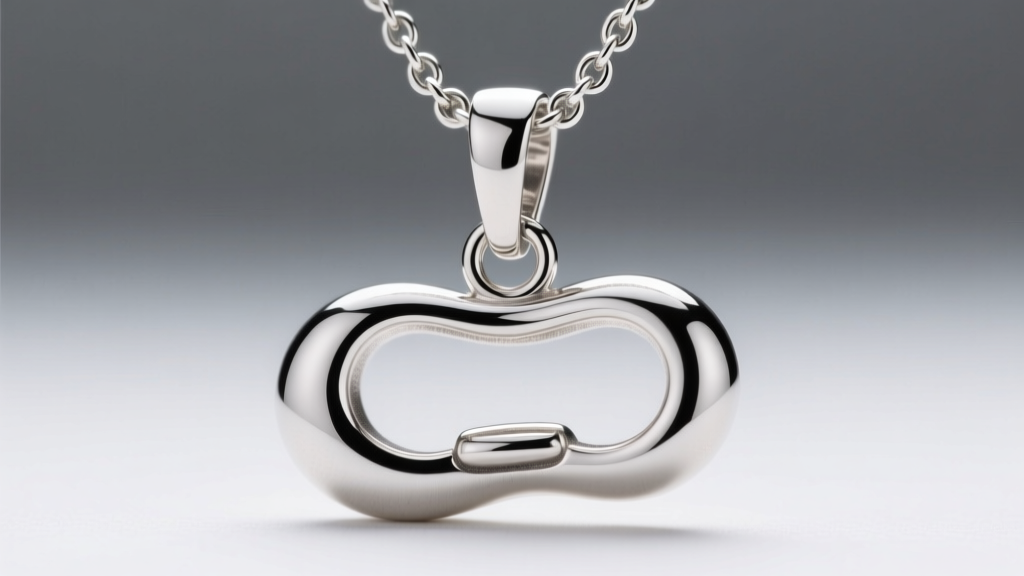
Manufacturing Realities: Lost-Wax Casting vs. Electroforming
The most critical factor in the longevity and value of a kidney bean necklace is how it was manufactured. Because the bean shape is naturally voluminous and rounded, it requires a significant amount of metal to cast solidly. To cut costs, many mid-tier and budget brands utilize a technique called electroforming.
The Electroforming Trap
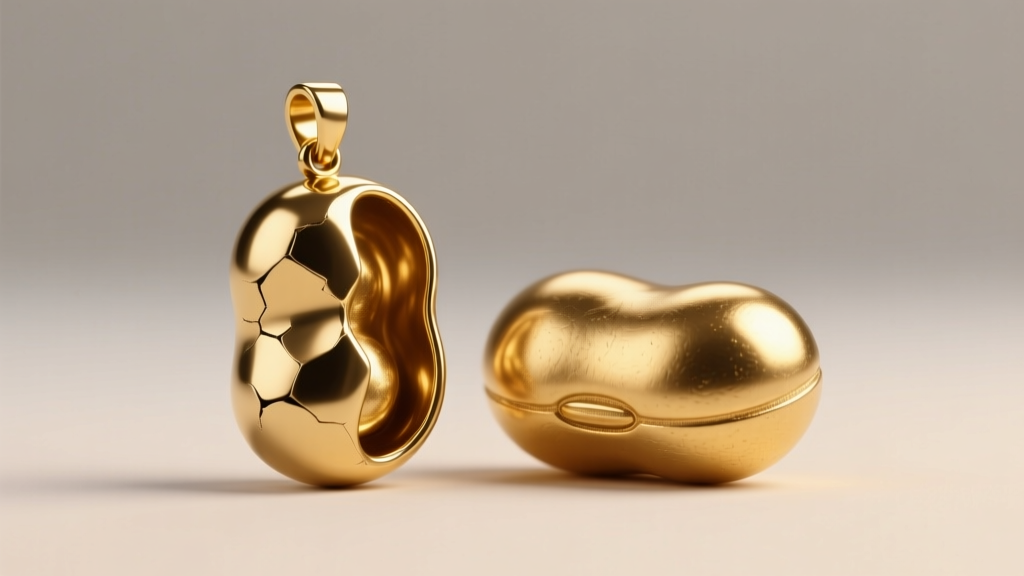
Electroforming involves painting a wax model with a conductive coating and submerging it in an electrolyte bath. Metal slowly builds up over the wax in a microscopic shell, after which the wax is melted out. The result is a hollow, incredibly lightweight piece. An electroformed 30mm gold bean might weigh less than 1.5 grams. While this saves the manufacturer money, it creates a structural nightmare for the wearer. The gold shell is often only 0.2mm thick; a single drop onto a hard bathroom tile will crush the metal, leaving an irreparable dent that cannot be hammered out or polished away.
The Lost-Wax Casting Standard
True value lies in traditional lost-wax casting, where molten gold or silver is poured into a mold, creating a completely solid pendant. A solid cast 14k gold kidney bean will have a satisfying, luxurious heft (typically 5 to 8 grams). More importantly, solid metal can be aggressively polished to remove scratches, dings, and surface wear, ensuring the piece can be passed down through generations. When assessing value, always ask the jeweler if the bean is solid cast or hollow electroformed.
Hardware, Bails, and Structural Failure Points
A kidney bean is an asymmetrical pendant. Unlike a perfectly round coin or a symmetrical teardrop, the bean's uneven weight distribution causes it to naturally rest at an angle on the collarbone. This constant off-center pulling places unique stress on the hardware.
- The Bail: The bail is the loop connecting the pendant to the chain. On cheap necklaces, the bail is often glued or weakly soldered to the top of the bean. Under the stress of the bean's asymmetrical weight, glued bails will inevitably snap. Look for pendants where the bail is cast as a single integrated piece with the bean, or laser-welded with a heavy-duty jump ring.
- The Clasp: Never pair a heavy, solid gold kidney bean with a delicate spring-ring clasp. The tension required to open a spring ring can warp over time, leading to lost pendants. A sturdy lobster clasp is mandatory for secure wear.
- Chain Pairing: To prevent the heavy bean from constantly flipping backward and dragging the chain clasp to the front of your neck, the chain must have adequate counterweight. A 1.5mm to 2.0mm rope or curb chain provides the necessary structural balance.
Regulatory Standards and Metal Hallmarks
When shopping in the accessible or budget tiers, understanding legal metal definitions is crucial to avoid overpaying for misleading marketing. According to the Federal Trade Commission (FTC) Jewelry Guides, there is a strict legal distinction between 'gold plated' and 'gold vermeil'.
Gold vermeil must feature a sterling silver base with a gold layer of at least 2.5 microns thick. Standard gold plating, often found on brass or zinc budget beans, can be as thin as 0.1 microns (flash plating) and will rub off against the skin within weeks. Furthermore, the Gemological Institute of America (GIA) notes that legitimate fine jewelry must be stamped with a quality mark (e.g., 14k, 925) alongside a manufacturer's hallmark. If a kidney bean necklace lacks these microscopic stamps on the bail or clasp, its material claims cannot be legally verified, severely diminishing its intrinsic value.
Long-Term Value, Maintenance, and Resale Potential
From a pure financial perspective, the kidney bean necklace holds its value strictly in proportion to its precious metal content and brand prestige. Solid 14k and 18k gold beans from recognized designers retain high resale value on secondary markets like The RealReal or Vestiaire Collective, often recouping 40% to 60% of their retail price. Even unbranded solid gold beans can be liquidated for their scrap melt value, providing a financial safety net.
Conversely, gold vermeil and plated brass beans possess virtually zero resale value. Once the gold layer wears through on the high-friction edges of the bean's curves, the piece cannot be easily re-plated by standard jewelers due to the chemical stripping required. These pieces ultimately become disposable fashion waste.
The Final Decision Framework: Which Tier Should You Buy?
To maximize your budget and ensure you receive genuine value, use this decision framework before checking out:
- The Lifetime Investment (Budget: $500+): If you plan to wear the necklace daily and never take it off (including showering and swimming), you must buy solid 14k or 18k gold. The cost-per-wear over a decade drops to pennies, and the piece remains a liquid asset.
- The Occasion Wearer (Budget: $150 - $300): If you only wear the bean necklace for dinners, events, or office hours, high-quality gold vermeil (2.5+ microns over sterling silver) is a smart compromise. Store it in an anti-tarnish pouch to preserve the gold layer.
- The Trend Experimenter (Budget: Under $50): If you simply want to test the sculptural bean silhouette to see if it suits your personal style, buy a plated brass version. Treat it as a temporary accessory, but be prepared for the plating to oxidize and fade within a single season.
Ultimately, the kidney bean necklace is a triumph of organic design. By prioritizing solid casting techniques, appropriate hardware, and transparent material grading, you can secure a piece that offers both aesthetic brilliance and undeniable financial value.


