Metal Guide: Choosing the Best Material for a Taylor Necklace
Discover which metal is best for your Taylor necklace. We compare 14k gold, platinum, and silver for durability, facet brilliance, and daily wear.

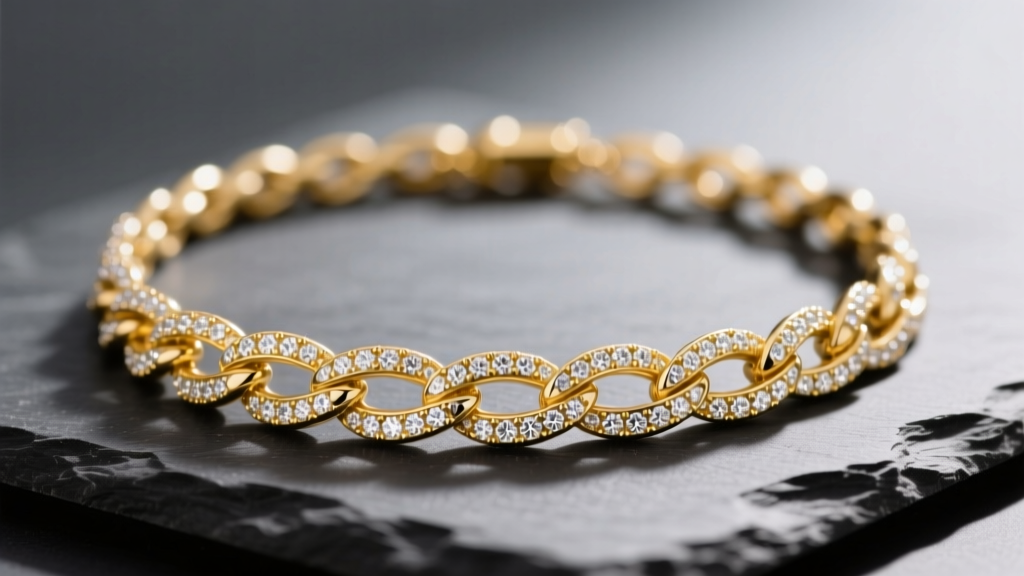
The Anatomy of a Taylor Necklace Chain
The Taylor necklace is a masterclass in light manipulation. Characterized by its continuous, tightly woven twisted rope design that has been precision diamond-cut, the Taylor chain reflects light from dozens of micro-facets along its entire length. Unlike standard cable or curb chains, the Taylor weave relies on structural tension and the integrity of its twisted joints to maintain its signature fluid drape.
However, this intricate beauty comes with a metallurgical catch. The diamond-cutting process—which shaves away the outer layers of the metal to create flat, reflective facets—removes up to 15% of the chain’s structural mass. Because of this material reduction, the base alloy’s tensile strength, Vickers hardness, and resistance to work-hardening are critical. Choosing the wrong metal for a Taylor necklace doesn't just affect the color; it directly dictates whether the chain will survive daily wear or succumb to stretching and facet blunting within months.
Material Comparison: Hardness and Facet Retention
When evaluating metals for a diamond-cut chain like the Taylor, we must look beyond basic karat weight and examine the alloy's physical properties. The table below outlines how the most common jewelry metals perform specifically under the structural demands of the Taylor weave.
| Metal / Alloy | Vickers Hardness (HV) | Tensile Strength | Facet Retention | Est. Price Range (18" 2mm) |
|---|---|---|---|---|
| 14k Yellow Gold | 125 - 135 HV | High | Excellent | $850 - $1,200 |
| 18k Yellow Gold | 110 - 120 HV | Medium | Good | $1,400 - $2,100 |
| Platinum 950 (Ru) | 130 - 145 HV | Very High | Moderate (Patina) | $1,600 - $2,400 |
| Sterling Silver (925) | 60 - 75 HV | Low | Poor | $120 - $250 |
As noted in the GIA's guide to precious metals, the alloying metals used in gold and platinum drastically alter their working properties. For a Taylor necklace, where the surface area is heavily faceted, a higher HV (Vickers Hardness) rating is essential to prevent the flat cuts from rounding off due to friction against the skin and clothing.
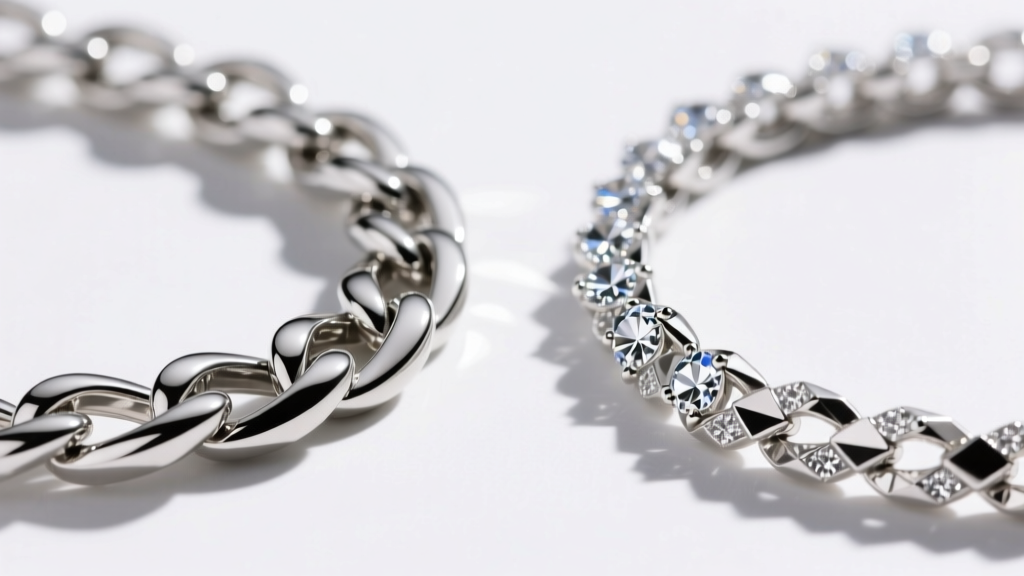
Deep Dive: How Specific Metals Perform in the Taylor Weave
14k Gold: The Structural Sweet Spot
For the Taylor necklace, 14k gold is arguably the most pragmatic choice for daily wear. Alloyed with 41.7% secondary metals (typically a mix of copper, silver, and zinc), 14k gold achieves a Vickers hardness that perfectly resists the micro-abrasions that dull diamond-cut facets. The copper content provides exceptional tensile strength, ensuring the twisted joints of the Taylor weave do not stretch under the chain's own weight or when snagged. The trade-off is a slightly less saturated yellow hue compared to higher karats, but the structural integrity it lends to the intricate Taylor links is unmatched in the gold family.
18k Gold: Luxury with Compromises
An 18k gold Taylor necklace offers a richer, deeper color and higher hypoallergenic properties, but it is fundamentally softer. With a higher pure gold content (75%), the metal is more malleable. In a solid chain like a Figaro, this is fine. In a diamond-cut Taylor chain, the softer facets will gradually blunt over 3 to 5 years of continuous wear, reducing the chain's signature sparkle. If you choose 18k for a Taylor necklace, opt for a thicker gauge (minimum 2.5mm) to compensate for the softer alloy.
Platinum 950: The Heavyweight Contender
Platinum is dense, heavy, and highly resistant to material loss. When scratched, platinum displaces rather than flakes away. However, in the context of a Taylor necklace, this property creates a unique visual effect. As the chain wears, the displaced metal creates a soft patina on the diamond-cut facets. While this patina is prized in smooth wedding bands, on a Taylor chain, it diffuses light and reduces the sharp, mirror-like brilliance of the cuts. To maintain the icy sparkle of a platinum Taylor chain, you will need professional repolishing every 18 to 24 months. Furthermore, platinum's weight means a 2mm Taylor chain will feel substantially heavier on the neck than its gold counterpart.
Sterling Silver: The Budget Trap
Sterling silver (92.5% silver, 7.5% copper) is far too soft for the structural demands of a Taylor weave. With a Vickers hardness of barely 65 HV, the twisted joints are highly susceptible to 'chain stretch.' Within six months of daily wear, the mechanical stress of putting on and taking off the necklace will permanently elongate the links, causing the chain to lose its tight, rope-like tension and become floppy. Additionally, the copper alloy in sterling silver oxidizes rapidly in the deep crevices of the Taylor twist, making it notoriously difficult to polish without specialized ultrasonic equipment.
Failure Modes: Snagging, Stretching, and Clasp Fatigue
Understanding how a Taylor necklace fails is crucial for making an informed material purchase. Because of the diamond-cut ridges, Taylor chains have a high 'snag coefficient.' They easily catch on knitwear, lace, and even hair.
- Link Deformation: When a Taylor chain snags, the force is transferred to the twist joints. In softer metals like 18k gold or silver, this causes the links to pull apart, creating weak, elongated spots that eventually snap.
- Facet Blunting: Continuous friction against the collarbone gradually sands down the sharp edges of the diamond cuts. This is a slow failure mode, but it permanently alters the optical properties of the necklace.
- Clasp Torque Failure: The dense, twisted nature of the Taylor chain creates rotational torque. If the chain is finished with a standard, lightweight open jump ring, the torque will eventually twist the jump ring open, leading to chain loss.

2026 Market Realities and Expert Verdict
With precious metal markets experiencing significant volatility leading into 2026, the price gap between high-karat gold and platinum has narrowed considerably. This makes Platinum 950 a much more viable option for buyers who want a heavy, luxurious Taylor necklace and don't mind periodic professional polishing to maintain the facet brilliance.
However, from a purely metallurgical and structural standpoint, 14k gold remains the undisputed champion for the Taylor necklace design. It offers the perfect equilibrium of tensile strength to resist link stretching and surface hardness to preserve the diamond-cut facets. According to manufacturing standards outlined by Jewelers of America, ensuring your chain is finished with a laser-welded closed jump ring and a reinforced lobster clasp will mitigate 90% of the mechanical failure points inherent to twisted chain designs.
The Golden Rule of the Taylor Chain: Never buy a sterling silver Taylor necklace for daily wear. The structural compromises required to create the diamond-cut twists in such a soft metal will inevitably lead to irreversible chain stretch and premature breakage. Invest in 14k gold for longevity, or Platinum for heirloom weight.
Ultimately, the Taylor necklace is a triumph of jewelry engineering, but it demands respect for the physics of its design. By matching the intricate diamond-cut weave with a metal alloy that possesses the hardness to protect those very facets, you ensure the necklace remains as brilliant on its tenth anniversary as it was on the day you first clasped it.


