Knotted Pearl Necklace Value: Pricing & Buying Guide
Discover the true value of a knotted pearl necklace. We break down pricing, pearl grades, silk versus synthetic thread, and restringing costs.

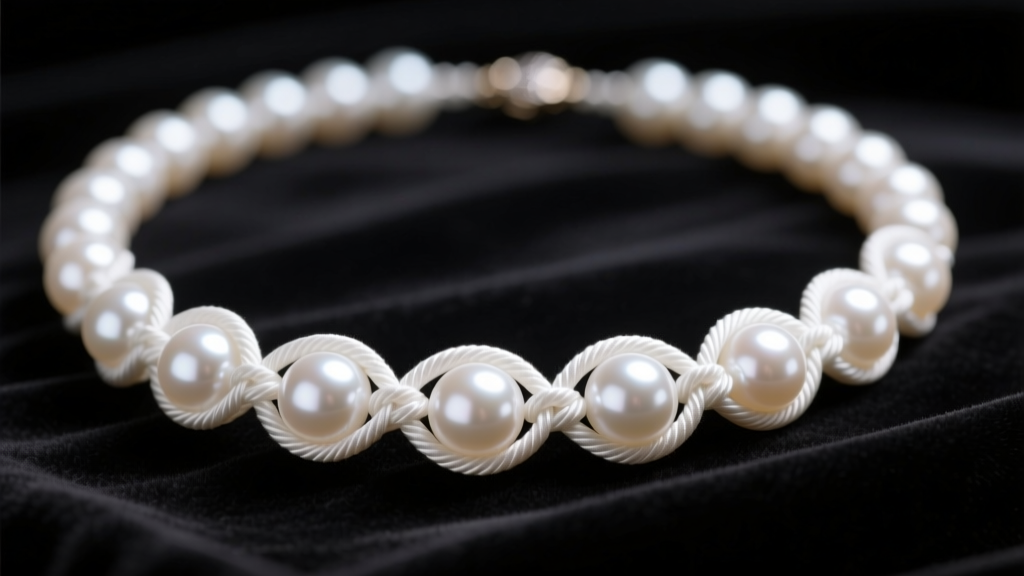
The True Cost of a Knotted Pearl Necklace
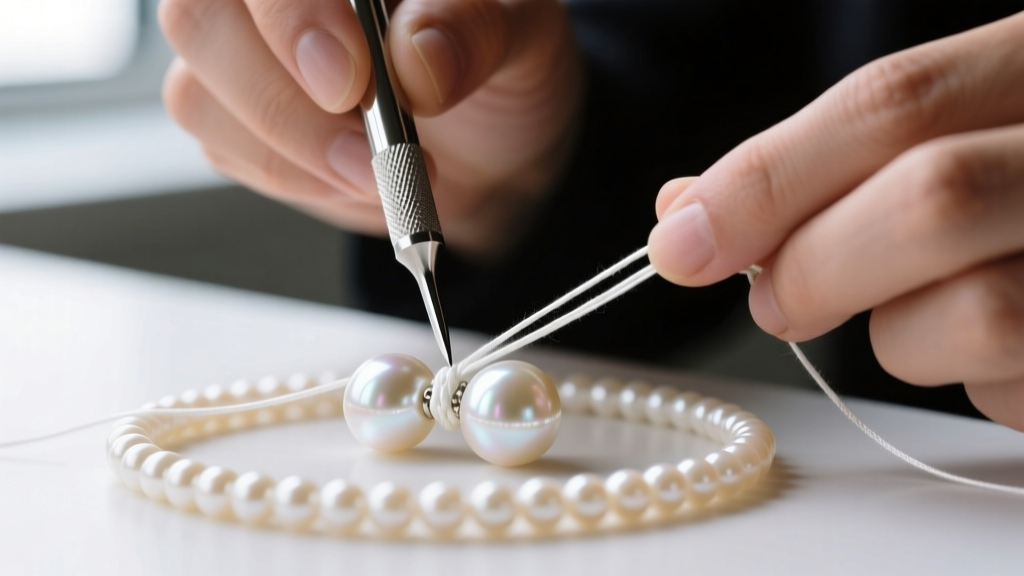
When evaluating fine jewelry, the construction method is just as critical as the materials. A knotted pearl necklace represents the gold standard in pearl stringing, yet many buyers overlook the labor and expertise required to execute it properly. Unlike unknotted strands or wire-strung beads, a hand-knotted strand features a discrete knot between every single pearl. This technique serves two vital purposes: it prevents the loss of more than one pearl if the strand breaks, and it stops the pearls from rubbing against each other, which can permanently damage their delicate nacre.
From a budget perspective, knotting adds a significant premium to the final retail price. Hand-knotting is a painstaking, manual process that can take a master stringer anywhere from four to eight hours for a standard 18-inch princess strand. In 2026, the labor cost for professional hand-knotting typically ranges from $3.50 to $6.00 per inch, excluding the cost of the thread, clasp, and the pearls themselves. Therefore, when you purchase a pre-knotted strand, you are paying for both the gemological quality of the pearls and the artisanal stringing labor.
Pearl Type vs. Price: Where Your Budget Goes
The baseline cost of your necklace is dictated by the pearl variety. According to the Gemological Institute of America (GIA), pearl value is assessed on size, shape, color, luster, surface quality, and nacre thickness. Knotting is generally reserved for higher-tier pearls, as the labor cost would outweigh the value of low-grade, mass-produced beads.
Freshwater Pearls: Modern Edison and high-grade freshwater pearls offer exceptional value. A well-matched, 7mm to 8mm round freshwater strand with high luster and hand-knotting will generally retail between $200 and $500. This is the sweet spot for budget-conscious buyers who want the luxury of a knotted strand without the Akoya premium.
Akoya Pearls: Known for their mirror-like luster, Akoya pearls are the classic choice for a knotted strand. A 7mm to 7.5mm Akoya necklace of good commercial grade starts around $800, while Hanadama-certified (the highest Japanese grade) strands easily command $2,500 to $4,000. The knotting labor here is justified, as Akoya nacre is relatively thin (often 0.3mm to 0.5mm) and highly susceptible to chipping if pearls rub together.
Tahitian and South Sea Pearls: These saltwater giants (9mm to 14mm+) require heavier thread and larger knots. Due to the high cost per pearl, knotting is mandatory for insurance and protection purposes. Budgets for these strands start at $1,500 and can exceed $20,000 for top-tier South Sea whites or golden pearls.
2026 Market Pricing and Restringing Table
To help you assess whether a quote or retail price is fair, refer to this market breakdown. Note that restringing costs are based on an 18-inch princess length and include standard silk thread but exclude a new clasp.
| Pearl Type | Average Size | Knotted Strand Retail Range | Restringing Cost (18") |
|---|---|---|---|
| High-Grade Freshwater | 7.0 - 8.0mm | $200 - $500 | $65 - $90 |
| Akoya (Commercial) | 6.5 - 7.5mm | $800 - $1,500 | $75 - $110 |
| Akoya (Hanadama) | 7.5 - 8.5mm | $2,500 - $4,500 | $90 - $130 |
| Tahitian | 9.0 - 11.0mm | $1,500 - $6,000 | $110 - $150 |
| White South Sea | 10.0 - 13.0mm | $4,000 - $15,000+ | $130 - $180 |
The Hidden Value: Thread Material and Knotting Technique
Not all knots are created equal, and the material used drastically affects the longevity and drape of the necklace. Historically, 100% natural silk (such as the renowned German-made Griffin brand) has been the standard. Silk provides an unparalleled, fluid drape that allows the necklace to conform elegantly to the collarbone. However, silk is a natural protein fiber that stretches over time when exposed to moisture, skin oils, and the weight of the pearls.
Today, many master stringers advocate for synthetic alternatives like Seraposa or Power Pro nylon threads for heavier pearls. These synthetics do not stretch, meaning the knots will remain tight against the pearls for decades. However, synthetic threads can sometimes result in a slightly stiffer drape. When evaluating a high-end knotted pearl necklace, ask the jeweler about the thread composition. For pearls under 8mm, silk remains the superior choice for drape; for heavy South Sea pearls, high-test nylon is the structurally sound investment.
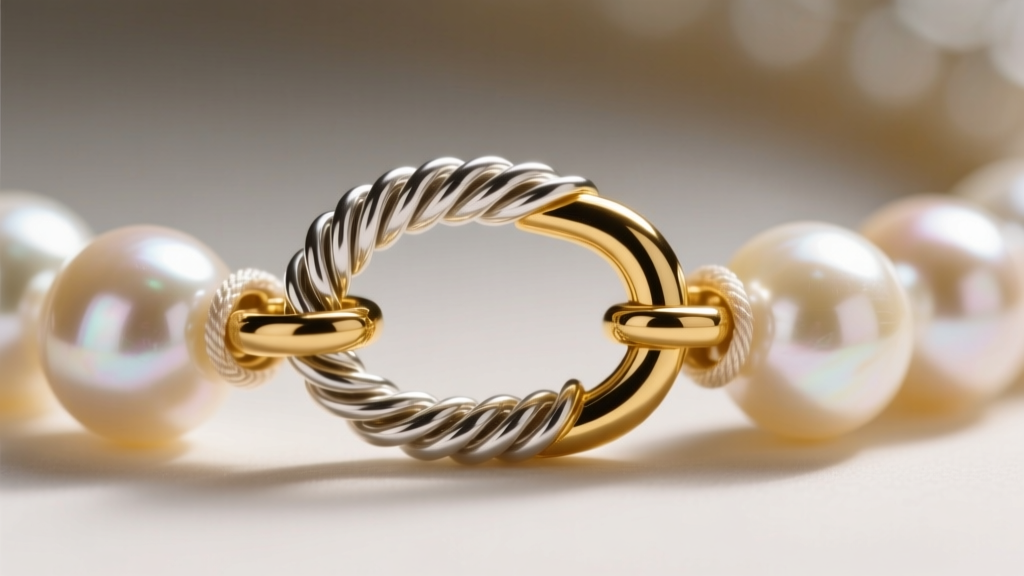
Furthermore, inspect the ends of the necklace near the clasp. A high-value strand will feature French wire (also known as gimp)—a tiny, coiled metal spring that covers the thread where it loops through the metal clasp ring. This prevents the metal from sawing through the silk thread over time. If a strand lacks French wire or uses plastic tubing instead, its long-term value and durability are compromised.
Restringing and Maintenance Costs
A critical part of value assessment is understanding the total cost of ownership. A knotted pearl necklace is not a "buy it and forget it" asset. According to experts at The Pearl Girls, a frequently worn pearl necklace should be restrung every 12 to 24 months, while occasionally worn pieces can go 3 to 5 years.
Signs that your strand requires immediate restringing include visible gaps between the knots and the pearls, a stretched appearance where the thread is visible between pearls when the strand is laid flat, or a stiff, rigid drape caused by accumulated oils hardening the silk. When budgeting for a vintage or estate knotted pearl necklace, always factor in an immediate $80 to $150 restringing fee, as you cannot verify the age or integrity of the existing thread.
How to Inspect a Knotted Strand Before Buying
Whether you are shopping at a high-end boutique or evaluating an estate piece, use this actionable checklist to verify the quality of the stringing:
- The Drape Test: Hold the necklace by the clasp and let it hang freely. It should swing like a pendulum and fall into a smooth, fluid curve. If it holds a rigid shape or kinks, the knots are too tight, or the thread is too heavy for the pearl drill holes.
- The Gap Check: Lay the strand flat on a dark surface. Gently pull two adjacent pearls apart. There should be zero to minimal space between the pearl and the knot. If you see more than a millimeter of thread, the stringing is sloppy or stretched.
- Clasp Security: Ensure the clasp is proportionate to the strand. A heavy 10mm South Sea strand requires a robust 14k or 18k gold box clasp with a safety latch, not a flimsy spring-ring clasp.
- Drill Hole Quality: Look closely at the drill holes where the knot sits. They should be clean and flush. Ragged drill holes can fray the silk thread from the inside out, leading to premature strand failure.
Final Verdict: Is the Premium Worth It?
When conducting a budget and value assessment, the answer is a resounding yes. While an unknotted strand or a wire-strung alternative might save you $50 to $100 upfront, the risk of catastrophic pearl loss and the accelerated degradation of the nacre make it a poor long-term investment. A properly executed knotted pearl necklace preserves the gemological integrity of the pearls, ensures a luxurious drape, and provides essential security. By understanding the nuances of thread materials, pearl grades, and labor costs, you can confidently allocate your budget toward a piece that will endure for generations.


