Expert Koi Necklace Buying Guide: What to Look For in 2026
Discover what to look for when buying a koi necklace in 2026. Compare enamel techniques, precious metals, gemstone accents, and pricing tiers.

The Cultural Weight and Symbolism of the Koi
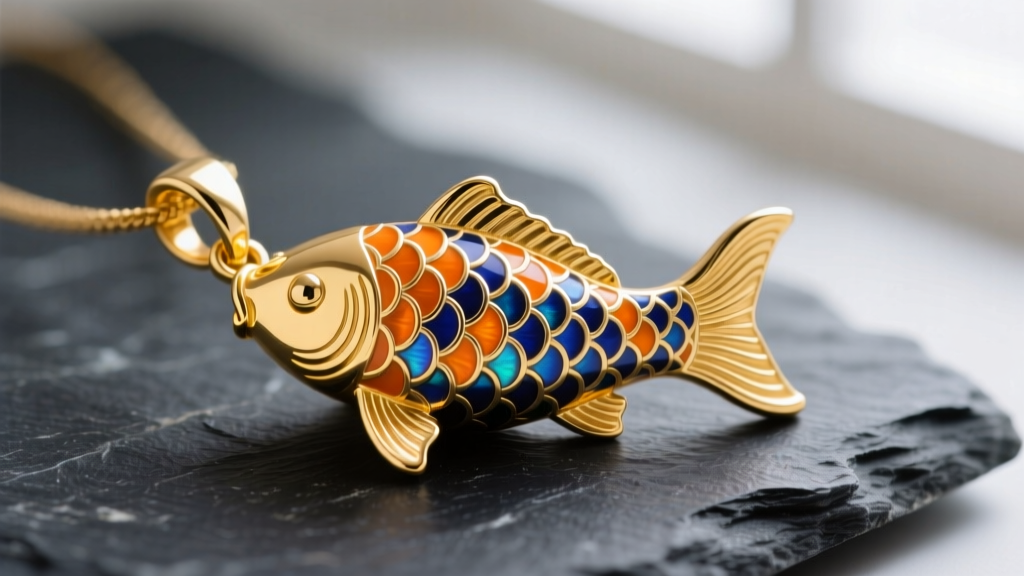
The koi fish is far more than a decorative motif in fine jewelry; it is a profound symbol of perseverance, strength, and good fortune. Rooted in East Asian mythology, specifically the legend of the Dragon Gate, the koi represents the ability to overcome immense adversity. When shopping for a koi necklace in 2026, understanding this cultural weight helps you appreciate the craftsmanship required to do the motif justice. A well-crafted koi pendant should capture the fluid, dynamic motion of the fish swimming upstream, rather than appearing as a static, lifeless stamp on a piece of metal.
Decoding Enamel Techniques: The Heart of Koi Jewelry
Because koi are celebrated for their striking, variegated coloration, enamel work is often the defining feature of a premium koi necklace. However, not all enamel is created equal. When evaluating a piece, you must distinguish between traditional vitreous enamel and modern synthetic alternatives.
Cloisonné vs. Guilloché Enamel
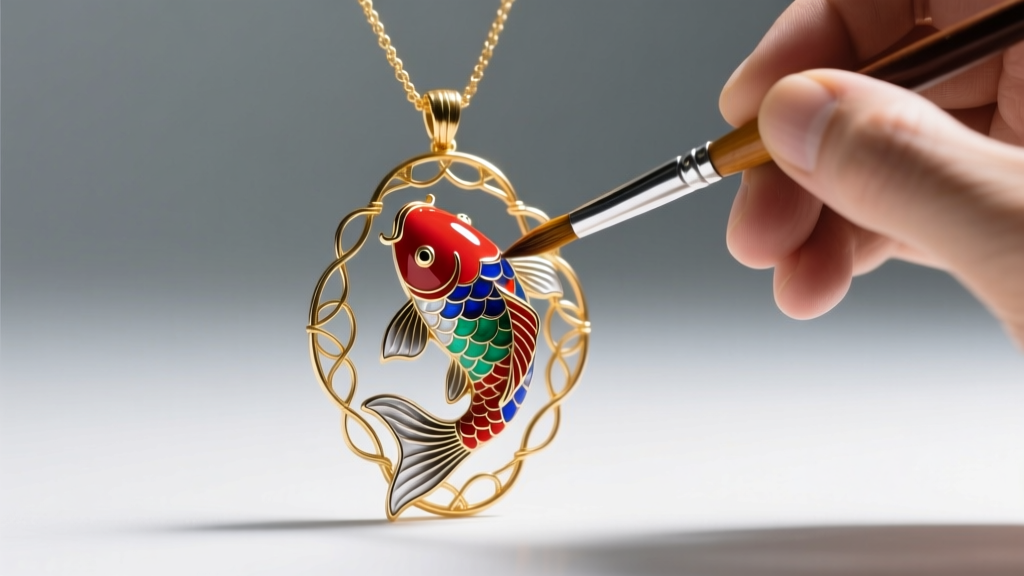
Cloisonné involves soldering ultra-fine gold or silver wires (cloisons) onto a metal base to create compartments, which are then filled with powdered glass enamel and fired in a kiln. This technique yields crisp, distinct color blocks—perfect for the sharp, defined patches of a Showa or Taisho Sanshoku koi.
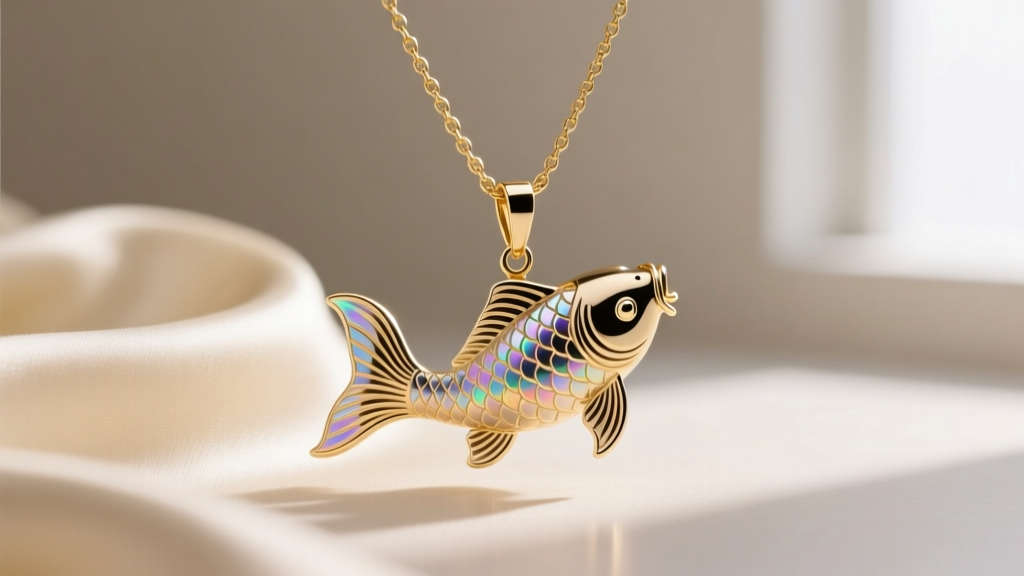
Guilloché enamel, on the other hand, is applied over a mechanically engraved, geometric metal base. The translucent enamel pools in the grooves, creating a mesmerizing, three-dimensional rippling effect that mimics light hitting water and fish scales. According to the GIA Gem Encyclopedia, guilloché requires master-level precision, as the kiln firing must be perfectly calibrated to prevent the glass from bubbling or cracking.
The Cold Enamel (Epoxy) Trap
Many mass-market koi necklaces utilize 'cold enamel,' which is essentially a two-part epoxy resin. While it offers vibrant colors at a fraction of the cost, resin lacks the glass-like luster of vitreous enamel, scratches easily, and will yellow or degrade when exposed to UV light and cosmetics over time. Always ask the jeweler if the piece uses fired vitreous glass or cold resin.
Gemstone Accents and Scale Texturing
In 2026, high jewelry designers are moving away from flat, 2D koi silhouettes and embracing 3D sculptural pendants accented with precision-set gemstones. When evaluating gemstone integration, look for stones that enhance the koi's natural anatomy or its aquatic environment.
- Tsavorite Garnet: Often used for the koi's eyes or to represent lotus leaves, tsavorite offers a vivid, untreated green that rivals emerald but with superior durability for everyday wear.
- Blue Sapphires: Frequently pavé-set along the 'water' elements of the pendant or used to create the illusion of depth in the koi's fins.
- Diamond Melee: Look for VS clarity and G-H color in pavé diamonds. Lower grades (I-J, SI2) will appear cloudy and muddy against the bright gold or enamel, defeating the purpose of the accent.
Furthermore, examine the metal texturing. Master jewelers use a technique called matte stippling or engine turning on the gold scales to catch the light differently than the high-polish fins, creating vital visual contrast.
2026 Pricing Matrix: What Your Budget Actually Secures
The market for koi necklaces is highly segmented. Use this matrix to ensure you are paying a fair market price based on the materials and techniques involved.
| Tier | Base Metal | Color / Enamel Technique | Gemstones | Estimated Price Range (2026) |
|---|---|---|---|---|
| Fashion / Entry | 925 Sterling Silver or Gold Vermeil | Cold Enamel (Epoxy Resin) | Cubic Zirconia or None | $60 – $250 |
| Bridge / Artisan | Solid 14k Gold | Hand-painted Cloisonné | Small Sapphire or Garnet accents | $800 – $2,200 |
| Fine / Heirloom | Solid 18k Gold or Platinum | Guilloché or Plique-à-jour | VVS Diamonds, Tsavorite, Untreated Sapphires | $4,500 – $15,000+ |
Chain Selection and Bail Proportions
A common mistake buyers make is pairing a heavy, intricate koi pendant with an inadequate chain. The koi motif is inherently asymmetrical and top-heavy. If the chain is too flimsy, the pendant will constantly flip upside down or, worse, snap the chain.
For pendants weighing over 5 grams, avoid delicate cable chains. Instead, opt for a box chain or a wheat (spiga) chain in 1.5mm to 2.5mm thickness. These weaves offer high tensile strength and resist kinking. Additionally, pay close attention to the bail (the loop connecting the pendant to the chain). A high-quality koi necklace will feature a hidden or integrated bail that maintains the silhouette of the fish, rather than a cheap, soldered-on jump ring at the top of the tail. As noted by Jewelry Wise, ensuring the inner diameter of the bail is at least 1mm larger than the chain's width is critical for the pendant to drape naturally against the collarbone.
Verifying Authenticity and Metal Hallmarks
When investing in fine jewelry, verifying the metal purity is non-negotiable. In the US, 14k gold is stamped '585' or '14k', while 18k gold is stamped '750' or '18k'. However, because koi pendants often feature complex, multi-piece construction (especially with cloisonné wire work), hallmarks can sometimes be hidden in obscure areas, such as the inside of the bail or the flat edge of the fish's mouth.
Use a jeweler's loupe (10x magnification) to locate these stamps. If a piece is advertised as solid gold but lacks a hallmark, or if the stamp looks blurred and shallow (a sign of cast-in-place stamping rather than a laser or punch mark post-casting), proceed with extreme caution. Request an XRF (X-ray fluorescence) scan from the retailer if you are purchasing a high-ticket heirloom piece to guarantee the alloy composition matches the invoice.
Pro-Tip for 2026 Buyers: If you are purchasing a vintage or antique koi necklace, be aware that older pieces may use lead-based solders in the cloisonné wire joints. Always have vintage enamel jewelry tested for lead before wearing it against the skin daily.
Final Thoughts on Sourcing
Whether you are drawn to the koi for its spiritual symbolism or its sheer aesthetic beauty, buying a koi necklace requires a discerning eye for metallurgy and enameling. Prioritize vitreous glass over epoxy, demand precise gemstone grading, and ensure your chain hardware is engineered to support the pendant's unique weight distribution. By focusing on these structural and material details, you will secure a piece that not only honors the legend of the Dragon Gate but stands the test of time as a wearable heirloom.


