Kukui Necklace Meaning: How to Select, Wear, and Care
Discover the deep kukui necklace meaning in Hawaiian culture. Learn how to select authentic pieces, style them respectfully, and care for the nuts.

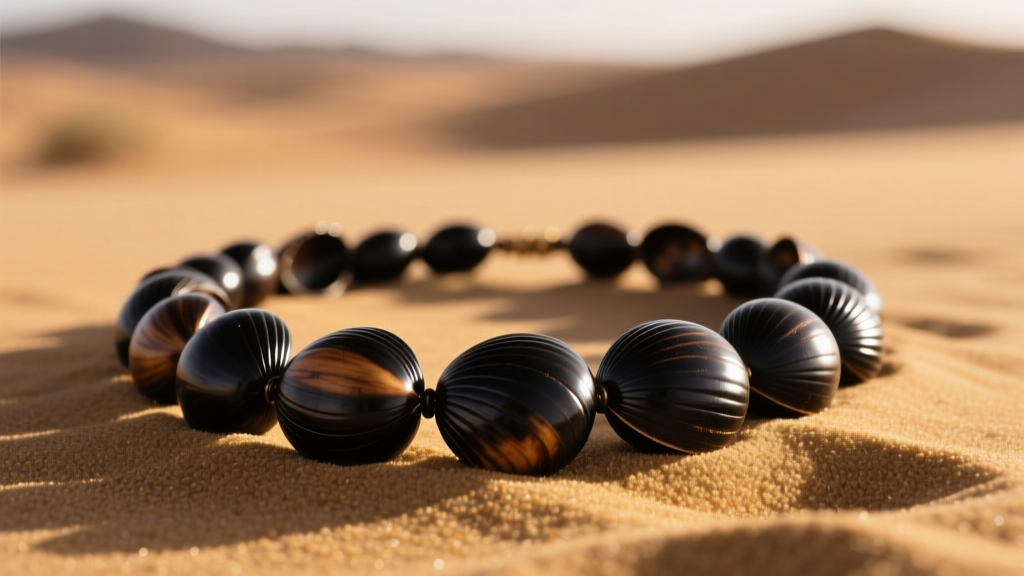
When exploring the rich heritage of Hawaiian jewelry, few pieces carry as much historical weight and cultural significance as the kukui nut lei. Whether you have received one as a gift, purchased one during a trip to the islands, or are looking to buy your first piece, understanding the kukui necklace meaning is essential for wearing it with the respect it deserves. Far from a simple souvenir, the kukui nut is a profound symbol of protection, peace, and enlightenment. This comprehensive guide will walk you through the botanical history, authenticity testing, styling techniques, and specialized care routines required to maintain these organic treasures.
The Botanical and Cultural Roots of the Kukui Nut
To truly grasp the kukui necklace meaning, we must look at the tree itself. The kukui tree (Aleurites moluccanus), also known as the candlenut tree, was brought to the Hawaiian Islands by early Polynesian voyagers in their canoes. It was so vital to survival and daily life that it was designated as the official state tree of Hawaii in 1959. The word "kukui" translates directly to "light" or "torch" in the Hawaiian language.
Historically, the nuts were rich in oil and were strung together on coconut palm fronds to be burned as candles, providing light for fishing and evening gatherings. According to the Hawaii Tourism Authority, the oil was also used to waterproof wooden canoes, treat skin ailments, and dress wounds. Because the nut provided light in the darkness, it evolved into a powerful spiritual symbol of enlightenment, guidance, and protection from evil spirits. When you wear a kukui necklace, you are symbolically wrapping yourself in that protective light.
How to Identify Authentic Kukui Nut Jewelry
As the popularity of Hawaiian jewelry has grown globally, the market has become saturated with synthetic replicas. Mass-produced plastic and resin beads are frequently sold to unsuspecting tourists as genuine kukui. Because the kukui necklace meaning is deeply tied to the natural earth and the specific energy of the islands, wearing a plastic imitation defeats the spiritual purpose of the lei. Here is how to verify your necklace.
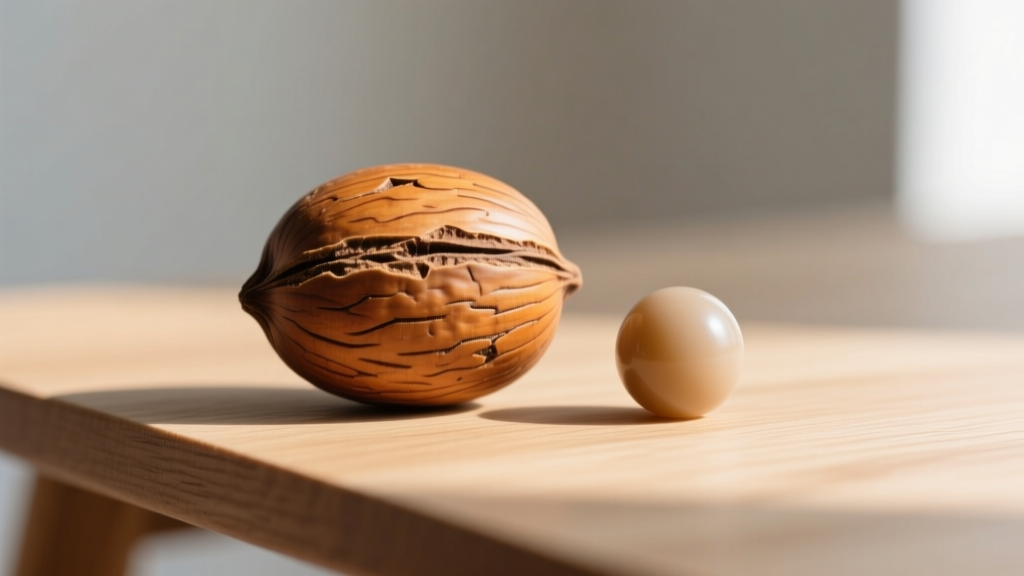
The Sensory Authenticity Test
- Weight and Density: Genuine kukui nuts are essentially dense, woody seeds. They have a distinct, lightweight but solid feel. Plastic replicas often feel unnaturally heavy or uniformly dense, while cheap hollow beads will feel suspiciously light.
- Temperature Conductivity: Press a nut against your cheek or the inside of your wrist. Real organic wood and shell will feel relatively neutral or slightly warm. Synthetic resin and plastic will often feel noticeably cool to the touch.
- Surface Imperfections: Even the most highly polished, premium-grade kukui nuts will have microscopic variations in the grain, tiny natural divots, or slight asymmetrical shaping. If every single bead on a 24-inch lei is mathematically identical, you are likely looking at molded plastic.
- The Acoustic Test: Gently tap two nuts together. Authentic kukui nuts produce a dull, woody "clack." Synthetic beads will emit a sharper, higher-pitched clicking sound reminiscent of hard acrylic.
Step-by-Step Guide to Styling Your Kukui Lei
Styling a kukui necklace requires an understanding of both traditional Hawaiian etiquette and modern fashion sensibilities. The versatility of the lei allows it to transition from casual beachwear to formal island attire, provided you choose the right specifications.
Step 1: Select the Appropriate Length and Nut Size
Kukui leis are traditionally strung in standard lengths, but the diameter of the nuts drastically changes the visual weight of the necklace. Standard nut sizes range from 12mm to 18mm.
18-inch Choker/Princess Length: Best suited for smaller nuts (12mm-14mm). This length sits close to the collarbone and is ideal for open-collar linen shirts or casual sundresses.
24-inch Opera Length: The traditional standard for larger nuts (16mm-18mm). This length allows the lei to rest comfortably over a t-shirt, polo, or muumuu, providing a striking visual centerpiece without feeling restrictive.
Step 2: Choose the Right Finish for the Occasion
The color and finish of the kukui nut are not merely aesthetic choices; they carry specific historical contexts and levels of formality. According to archives maintained by the Bernice Pauahi Bishop Museum, traditional dyeing methods were highly guarded practices.
| Finish Type | Creation Method | Best Occasion | Cultural Context |
|---|---|---|---|
| Natural Brown | Sanded and oiled raw nut | Casual, Beach, Daywear | Represents the raw, natural earth and connection to the land (Aina). |
| Polished Black | Baked in an imu (earth oven) or buried in charcoal/mud | Formal, Weddings, Ceremonies | Historically reserved for royalty (Alii); represents deep wisdom and status. |
| Painted/Colored | Modern acrylic paints applied to sanded nuts | Festivals, Hula Performances | A modern adaptation; lacks deep historical precedence but popular in dance. |
Caring for Your Kukui Nut Necklace: A Maintenance Routine
Because kukui nuts are organic, porous materials, they are highly susceptible to environmental damage. Improper care will lead to cracking, fading, or internal mold. Never treat a kukui lei like standard metal or gemstone jewelry. Avoid all commercial jewelry cleaners, ultrasonic baths, and prolonged exposure to water.
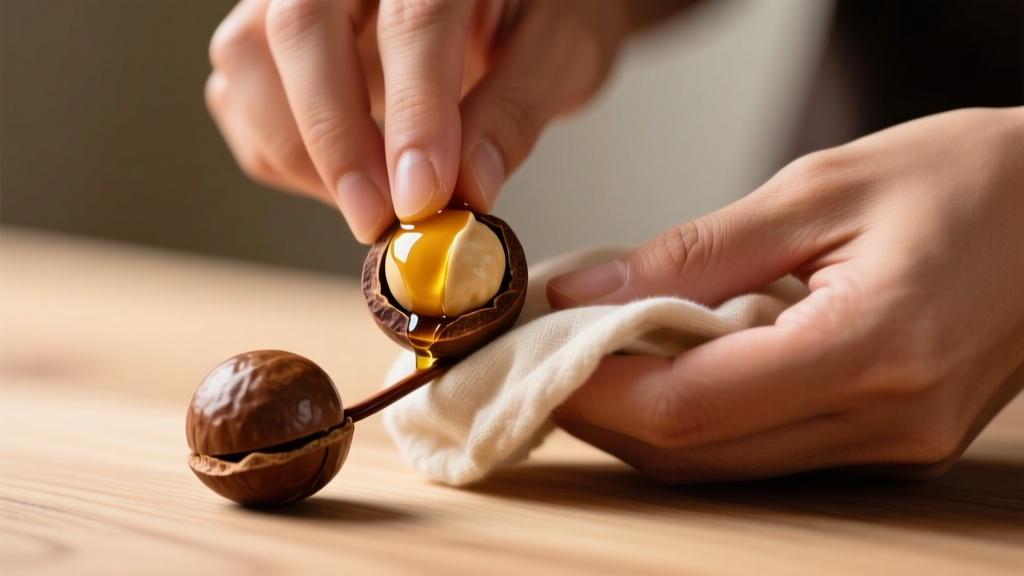
The 4-Step Conditioning Process
To maintain the luster and structural integrity of your necklace, you should condition the nuts every 3 to 6 months, depending on your local climate. Dry climates will require more frequent oiling.
- Dust Removal: Use a clean, dry, lint-free microfiber cloth to gently wipe down each individual nut. Remove any surface dust, skin oils, or environmental debris.
- Oil Application: Apply 3 to 4 drops of food-grade, unrefined macadamia nut oil or fractionated coconut oil to your cloth. Do not use olive oil or vegetable oil, as these will eventually go rancid and emit a sour odor.
- Massage and Penetration: Rub the oiled cloth vigorously over the nuts. The friction generates mild heat, which opens the microscopic pores of the wood, allowing the oil to penetrate deeply rather than sitting on the surface.
- Curing and Buffing: Lay the necklace flat on a dry towel in a cool, shaded area for 12 hours. Afterward, use a fresh, dry cloth to buff away any excess oil. This prevents the necklace from feeling sticky against your skin when worn.
Cultural Etiquette: Wearing Your Lei with Respect
Understanding the kukui necklace meaning also involves understanding the etiquette of the lei. In Hawaiian culture, a lei is a physical manifestation of aloha (love, respect, and honor). It is considered highly disrespectful to refuse a lei when it is offered to you, as you are symbolically rejecting the giver's affection.
When removing the necklace, do not pull it over your head in a rushed or careless manner, especially if it is strung on traditional natural fibers which can snap. Untie it or gently lift it off. Furthermore, it is a cultural faux pas to throw a lei into the garbage. If your kukui necklace eventually breaks or degrades beyond repair, the traditional practice is to return it to the earth by burying it in the soil or hanging it on a tree, allowing the organic nuts to decompose and feed the land.
Where to Source Ethical Kukui Necklaces
If you are looking to purchase a kukui necklace and want to ensure your money supports the preservation of Hawaiian culture, avoid large resort gift shops and airport kiosks. Instead, seek out local artisans at certified farmers' markets, such as the KCC Farmers Market in Oahu, or purchase directly from Native Hawaiian-owned online cooperatives. Authentic, hand-sanded, traditional black kukui leis crafted by local artisans typically range from $60 to $150, reflecting the dozens of hours required to harvest, clean, sand, and string the nuts by hand. By investing in an authentic piece, you honor the deep kukui necklace meaning and support the living culture of Hawaii.


