Floral Necklace Hawaii Style Guide: 2026 Botanical Trends
Discover the 2026 floral necklace Hawaii trends. Explore sustainable botanical jewelry, koa wood inlays, and how to style island pendants.

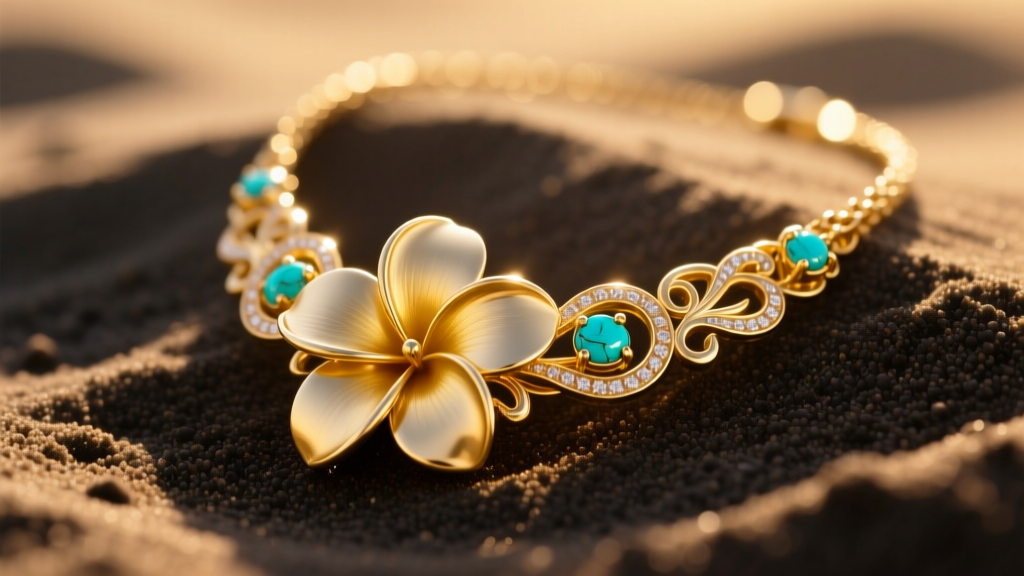
The search for the perfect floral necklace hawaii inspired piece has undergone a massive transformation as we move through 2026. Gone are the days when island-inspired jewelry meant mass-produced, tarnish-prone brass hibiscus pendants bought at airport gift shops. Today’s discerning collectors and style enthusiasts are demanding heirloom-quality botanical jewelry that honors the rich ecological and cultural heritage of the Hawaiian Islands. Whether you are drawn to the delicate symmetry of a plumeria or the bold, sweeping petals of a bird of paradise, understanding the materials, craftsmanship, and cultural context of these pieces is essential for making an authentic investment.
The Evolution of Island Botanical Jewelry
In 2026, the botanical jewelry market has pivoted sharply toward sustainability and hyper-local craftsmanship. The modern floral necklace hawaii aesthetic is defined by organic textures, mixed-media inlays, and a departure from overly polished, cookie-cutter silhouettes. Designers are now utilizing 3D scanning of actual endemic flora to create molds that capture the microscopic veins of a monstera leaf or the exact ruffled edge of a ginger flower. This commitment to botanical accuracy, paired with ethically sourced materials, has elevated Hawaiian floral necklaces from casual vacation souvenirs to serious, fine-jewelry statements.
Material Deep Dive: Authenticity and Durability
To evaluate the quality of a Hawaiian floral pendant, you must look past the design and scrutinize the material composition. The humid, salt-heavy air of island climates (and coastal cities globally) will quickly destroy inferior metals and untreated organics. Here is what defines authentic, high-end island jewelry this year:
1. Sustainably Harvested Koa Wood
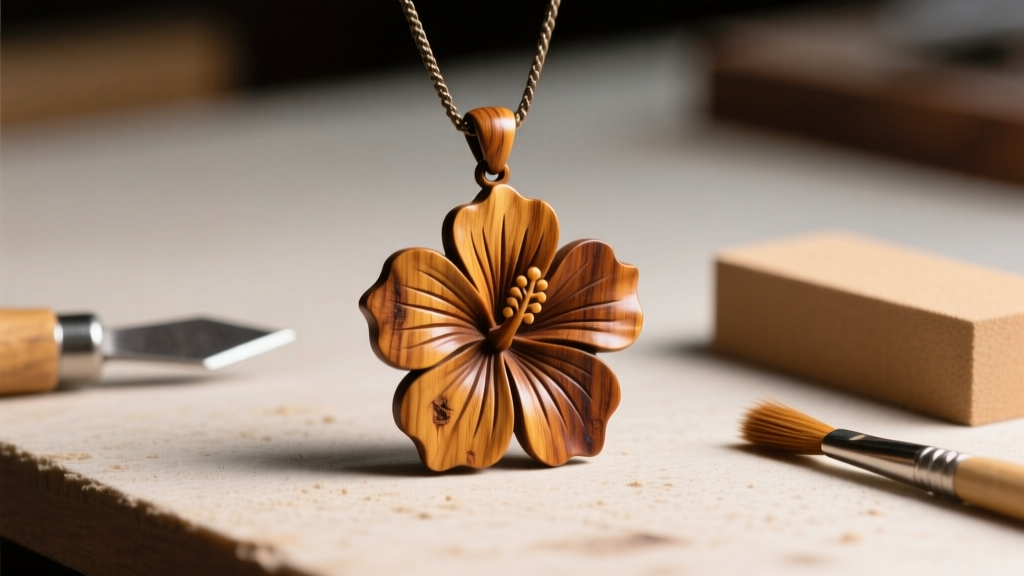
Koa (Acacia koa) is the premier hardwood of Hawaii, prized for its deep, iridescent chatoyancy. Authentic koa jewelry in 2026 is strictly sourced from fallen or dead trees, as harvesting live koa is heavily restricted. High-quality koa pendants feature a specific gravity of 0.55 to 0.65 and are sealed with a UV-resistant marine-grade epoxy resin. Without this resin coating, the wood’s vibrant red and gold hues will bleach to a dull gray within months of sun exposure.
2. Vitreous Enamel vs. Cold Enamel
For vibrant floral colors (like the striking yellow of a hibiscus or the deep purple of an orchid), master jewelers use vitreous enamel. This involves fusing powdered glass to a metal base at temperatures exceeding 1400°F. Vitreous enamel boasts a Mohs hardness of 5.5 to 6, making it highly scratch-resistant. Conversely, "cold enamel" (essentially tinted epoxy resin) is softer, prone to yellowing from UV exposure, and should be avoided in fine botanical pieces.
3. Recycled 14k and 18k Gold
Solid gold is non-negotiable for the chains and settings of premium floral pendants. 14k gold (58.5% pure gold) offers the ideal balance of rich color and structural rigidity for delicate petal prongs. In 2026, top-tier Hawaiian artisans exclusively use 100% recycled gold, significantly reducing the environmental footprint of their work while maintaining identical metallurgical properties.
Material Performance Comparison Chart
| Material | Mohs Hardness | Humidity & UV Resistance | 2026 Avg. Price Range (Pendant Only) |
|---|---|---|---|
| Solid Koa Wood (Resin Sealed) | 2.5 (Wood) / 7 (Coating) | High (if properly sealed) | $120 - $350 |
| Vitreous Enamel on 14k Gold | 5.5 - 6.0 | Excellent (UV stable) | $450 - $950 |
| Carved Mother of Pearl | 2.5 - 4.5 | Moderate (Avoid acids/sweat) | $150 - $400 |
| Oxidized Sterling Silver | 2.5 - 3.0 | Low (Requires anti-tarnish care) | $85 - $200 |
Cultural Appreciation vs. Souvenir Appropriation
As the popularity of the floral necklace hawaii style grows globally, so does the responsibility to respect its origins. The Native Hawaiian Arts and Crafts Act was established to protect consumers from counterfeit goods and ensure that items marketed as "Hawaiian" are genuinely crafted by Native Hawaiian artisans or produced within the state. When investing in a high-end floral pendant, look for transparency in the brand’s supply chain.
Authentic artisans often collaborate with local botanical gardens and cultural historians to ensure their designs accurately reflect the endemic species of specific islands. For example, the Bernice Pauahi Bishop Museum in Honolulu holds extensive archives of indigenous flora and traditional adornments, serving as a vital resource for jewelers aiming for historical and botanical accuracy. Furthermore, understanding the Federal Trade Commission Jewelry Guides helps consumers verify claims regarding metal purity and the geographic origin of gemstones and organics used in these pieces.
2026 Styling Guide: Necklines and Layering
Styling a botanical necklace requires an understanding of scale, chain weight, and neckline geometry. The 2026 approach favors intentional asymmetry and mixed-metal layering over perfectly matched sets.
The V-Neck and the Sliding Lariat
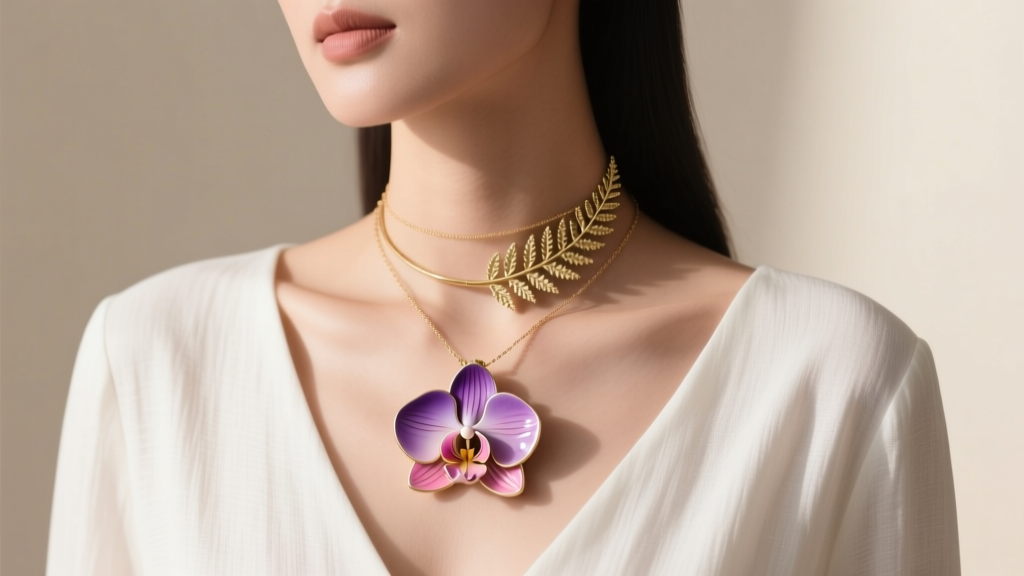
For deep V-necks or wrap dresses, a floral lariat necklace is unparalleled. Opt for an 18 to 22-inch rope chain featuring a sliding plumeria or fern knot. The vertical drop elongates the torso, while the sliding mechanism allows you to adjust the pendant’s resting place precisely at the apex of the neckline. A 14k gold chain with a matte-finished koa wood plumeria drop provides a striking contrast against crisp white linen or dark silk.
The Crew Neck and the Micro-Enamel Choker
Crew necklines demand shorter, more concentrated focal points. A 15 to 16-inch choker length featuring a micro-enamel hibiscus (measuring no more than 12mm across) sits perfectly just below the collarbone. Because the canvas of a crew neck is visually busy, the high-gloss finish of vitreous enamel catches the light and prevents the pendant from getting lost in the fabric’s folds.
The Off-Shoulder and Asymmetrical Layering
Off-shoulder and boat-neck tops expose a wide expanse of the décolletage, making them ideal for layered botanical necklaces. The 2026 trend dictates pairing a delicate 16-inch chain with a small, asymmetrical orchid drop alongside a heavier 20-inch oxidized silver chain featuring a textured monstera leaf. The contrast in chain thickness, metal color, and floral scale creates a dynamic, curated look that feels organic rather than manufactured.
Investment Tiers: What Should You Pay?
Navigating the pricing landscape of Hawaiian floral jewelry requires a clear understanding of what you are actually paying for. Here is a breakdown of the current market tiers:
- The Souvenir Tier ($30 - $80): Typically features gold-plated brass or zinc alloys with cold enamel or painted resin. These pieces are prone to rapid tarnishing, skin discoloration in humid weather, and structural failure at the solder points. Best reserved for temporary, casual wear.
- The Artisan Tier ($150 - $500): The sweet spot for authentic, culturally respectful jewelry. Expect solid sterling silver or gold vermeil (minimum 2.5 microns of gold over brass), genuine sustainably harvested koa wood, and hand-carved mother of pearl. These pieces are crafted by local island jewelers and offer excellent longevity with basic care.
- The Heirloom Tier ($800 - $3,000+): Fine jewelry constructed from solid 14k or 18k recycled gold, featuring vitreous enamel, conflict-free diamond accents, and master-level stone carving. These are bespoke or limited-run pieces designed to be passed down through generations, often accompanied by certificates of authenticity and botanical provenance.
Final Thoughts on Botanical Adornment
The modern floral necklace hawaii aesthetic is a celebration of nature’s architecture, translated through the hands of skilled artisans. By prioritizing sustainable materials like sealed koa and vitreous enamel, and by supporting brands that respect the cultural roots of their designs, you can curate a jewelry collection that is as meaningful as it is beautiful. Whether you are layering a delicate gold fern over a linen shirt or letting a bold hibiscus lariat command a silk evening gown, island botanical jewelry in 2026 offers a sophisticated, timeless connection to the natural world.


