How to Clean and Care for an African Trade Bead Necklace
Learn expert techniques to clean, restring, and preserve your vintage African trade bead necklace without damaging antique glass or porous materials.

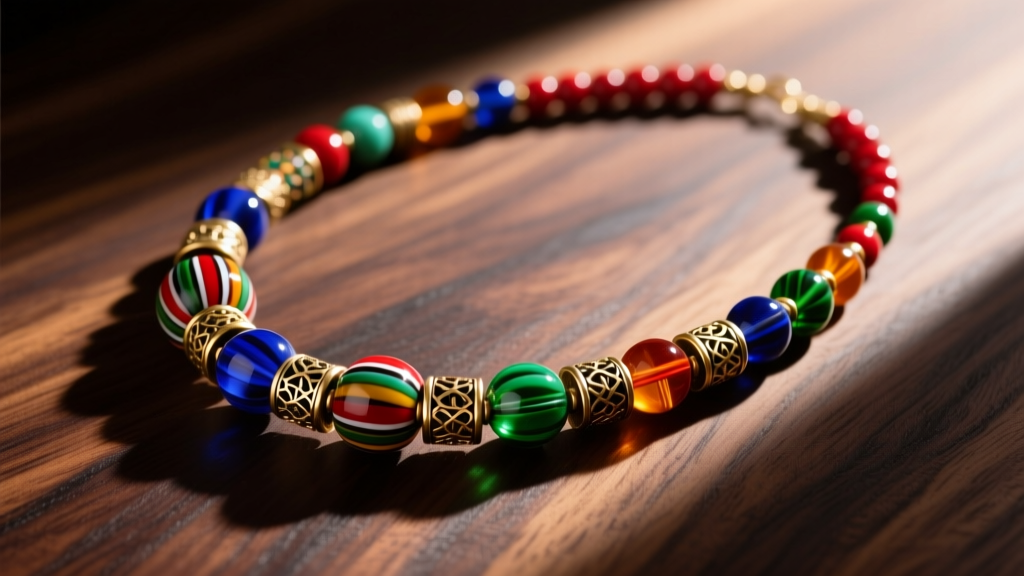
Understanding Your African Trade Bead Necklace Materials
An authentic African trade bead necklace is not merely a piece of jewelry; it is a historical artifact. Originating from Venetian glassmakers, Bohemian artisans, and local West African craftsmen, these beads were used as currency and status symbols for centuries. Because a single necklace often combines various materials—ranging from dense Venetian Millefiori glass to porous Krobo powder glass, bone, wood, and brass spacers—a one-size-fits-all cleaning approach will cause irreversible damage. Before applying any moisture or cleaning agents, you must identify the specific materials comprising your strand.
Glass Beads (Millefiori, Chevron, and Skunk Beads)
Venetian and Bohemian glass beads are highly durable but susceptible to 'glass sickness' (crizzling) if exposed to harsh alkaline chemicals. Chevron beads, characterized by their star-shaped concentric layers, often harbor decades of dirt, skin oils, and environmental grime deep within their grooves and stringing holes.
Porous and Organic Beads (Krobo, Bone, Wood, and Seeds)
West African Krobo powder glass beads are made by fusing finely ground glass dust in clay molds. Unlike solid Venetian glass, powder glass is highly porous. Similarly, antique bone, carved wood, and palm nut seeds will absorb water, leading to swelling, warping, and the rotting of the internal stringing cord.
The Dangers of Modern Jewelry Cleaning Methods
When maintaining an African trade bead necklace, you must actively avoid standard jewelry cleaning protocols. Commercial jewelry dips, ultrasonic cleaners, and ammonia-based solutions are the enemies of antique beads.
- Ultrasonic Cleaners: The high-frequency cavitation bubbles created by ultrasonic machines can easily shatter antique glass beads that possess microscopic internal fractures or thermal stress lines from their original manufacturing process.
- Ammonia and Alkaline Cleaners: According to the Smithsonian Museum Conservation Institute, alkaline solutions can leach alkali from historical glass, causing a permanent cloudy haze and structural degradation known as crizzling.
- Silver Dips: If your necklace features brass or copper spacers, silver cleaning chemicals will strip the metal's natural patina and leave corrosive residues that will eventually eat through the stringing cord.

Step-by-Step Cleaning Guide for Glass Trade Beads
If your necklace consists entirely of solid glass beads (and you have verified there are no organic spacers), you can safely perform a gentle wet cleaning. Always work over a soft towel in a shallow basin to prevent loss or breakage if the strand snaps.
- Prepare the Solution: Mix a few drops of pH-neutral, non-lotion dish soap (such as original blue Dawn or a mild Castile soap) into a bowl of distilled water. Avoid tap water, as the dissolved minerals can leave hard water spots on antique glass.
- Surface Wiping: Dampen a soft, lint-free microfiber cloth in the solution and gently wipe each bead. Do not submerge the entire necklace if you are unsure of the cord's integrity.
- Detailing the Grooves: For Chevron or heavily textured Millefiori beads, use a wooden skewer or a soft-bristled baby toothbrush to gently dislodge impacted dirt from the crevices. Never use metal needles or wire brushes, which will scratch the glass surface.
- Clearing the Bead Holes: Dirt trapped inside the bead hole causes friction that frays the cord. Dip a cotton swab in isopropyl alcohol and carefully swab the inside of the glass holes. The alcohol evaporates quickly without introducing prolonged moisture to the cord.
- Drying: Pat the beads dry immediately with a clean microfiber towel and allow the necklace to air dry completely in a well-ventilated area away from direct sunlight before storing.
Caring for Organic and Powder Glass Beads
Cleaning porous materials requires a strictly dry approach. The Smithsonian conservation guidelines for organic materials emphasize that water and liquid cleaners cause bone and wood to swell and crack upon drying.
Expert Tip: To clean Krobo powder glass or antique bone beads, use a soft, dry makeup brush or a clean, dry toothbrush to gently sweep dust from the surface. For stubborn grime on bone, lightly dampen a cotton swab with distilled water, clean a tiny test area, and immediately buff dry. Never saturate the material.
Restringing and Cord Maintenance
The most critical aspect of African trade bead necklace care is monitoring the stringing material. Vintage necklaces were often strung on natural cotton or raffia, which degrades, rots, and snaps over time due to the heavy weight of glass beads and exposure to acidic skin oils. If your necklace feels stiff, shows fraying at the clasp, or if you can see dust accumulating near the bead holes, it is time to restring.
Choosing the Right Stringing Material
Selecting the correct cord ensures the longevity of your piece. Below is a comparison of modern stringing materials suited for heavy trade beads.
| Cord Material | Tensile Strength | Water Resistance | Best Application |
|---|---|---|---|
| Waxed Linen | High | Moderate | Heavy glass beads, authentic vintage aesthetic |
| Nylon (Power Pro) | Very High | Excellent | Extremely heavy strands, sharp-edged bead holes |
| Griffin Silk | Moderate | Poor | Lightweight beads, traditional knotting between beads |
| Waxed Cotton | Moderate | Poor | Temporary stringing, low-cost craft projects |
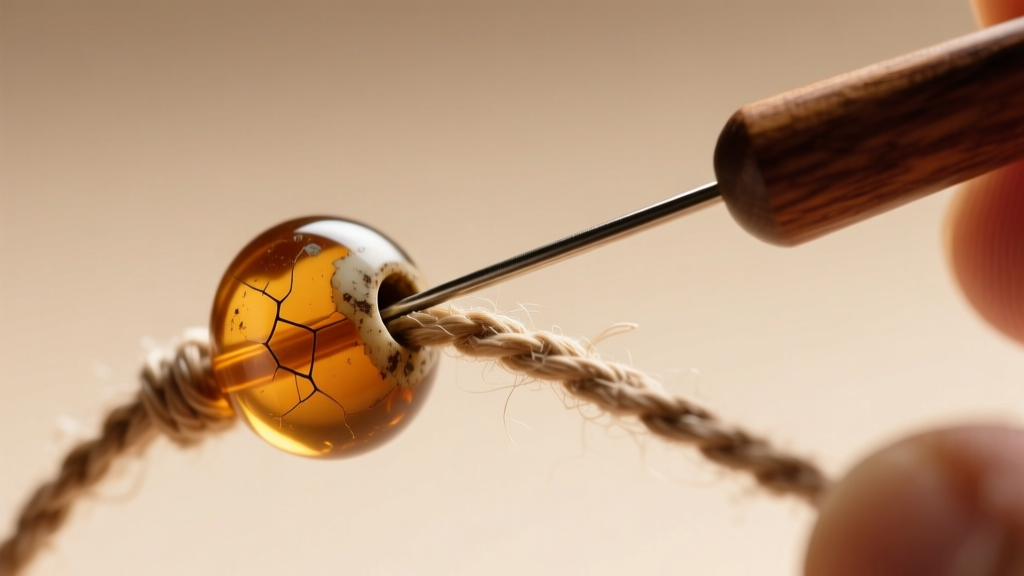
When restringing, always use a collapsible-eye beading needle or a twisted wire needle. The holes in antique trade beads are often irregular, narrow, or partially filled with glass residue from the manufacturing process. A twisted wire needle will compress to fit through tight spaces without scratching the interior of the bead.
Proper Storage and Environmental Protection
How you store your African trade bead necklace is just as important as how you clean it. Prolonged exposure to ultraviolet (UV) light can fade the vibrant dyes used in mid-century glass beads and cause organic materials like wood and seeds to dry out and fracture.
- Avoid Hanging: Heavy glass beads exert continuous downward pressure on the cord. Hanging a heavy trade bead necklace for long periods will stretch the cord and weaken the fibers. Always store the necklace coiled loosely.
- Acid-Free Wrapping: Wrap the necklace in unbuffered, acid-free tissue paper. Standard tissue paper or newspaper contains acids that can transfer to porous beads and brass spacers, causing discoloration.
- Humidity Control: Store the wrapped necklace in a sealed plastic bin or a dedicated jewelry box with a few silica gel packets. This maintains a stable, low-humidity environment, preventing the growth of mold on organic beads and the oxidation of metal spacers.
Conclusion
Preserving an African trade bead necklace requires a departure from modern jewelry cleaning habits. By identifying your specific bead materials, avoiding ultrasonic and chemical cleaners, utilizing pH-neutral solutions for glass, and committing to regular restringing with high-tensile cords, you ensure that these historical artifacts remain intact. Treat your trade beads with the respect afforded to museum pieces, and they will retain their vibrant history and beauty for generations to come.


