Spell Cisco Necklace Materials: Brass & Bead Guide
Explore the material properties of the Spell Cisco necklace. We compare its cast brass and glass beads to fine jewelry alternatives.


The Anatomy of Bohemian Statement Jewelry
As we navigate the 2026 jewelry market, the resurgence of festival bohemian aesthetics has pushed statement pieces like the Spell Cisco necklace back into the spotlight. Known for its chunky, vibrant silhouette and intricate metalwork, the Cisco necklace is a hallmark of the Australian boho-chic brand Spell. However, beyond its undeniable visual appeal, what makes this piece tick from a materials science perspective? Understanding the metallurgical and gemological properties of its components is crucial for collectors, stylists, and everyday wearers who want to maximize the lifespan of their fashion jewelry.
Unlike fine jewelry, which relies on precious metals and faceted gemstones, the Spell Cisco necklace utilizes a specific triad of materials: cast brass, artisan glass beads, and heavy-duty cotton-blend cordage. This guide deconstructs these materials, comparing their physical properties, wearability, and maintenance requirements against traditional fine jewelry alternatives.
Deconstructing the Core Materials
Cast Brass Hardware: Alloy Composition and Patina
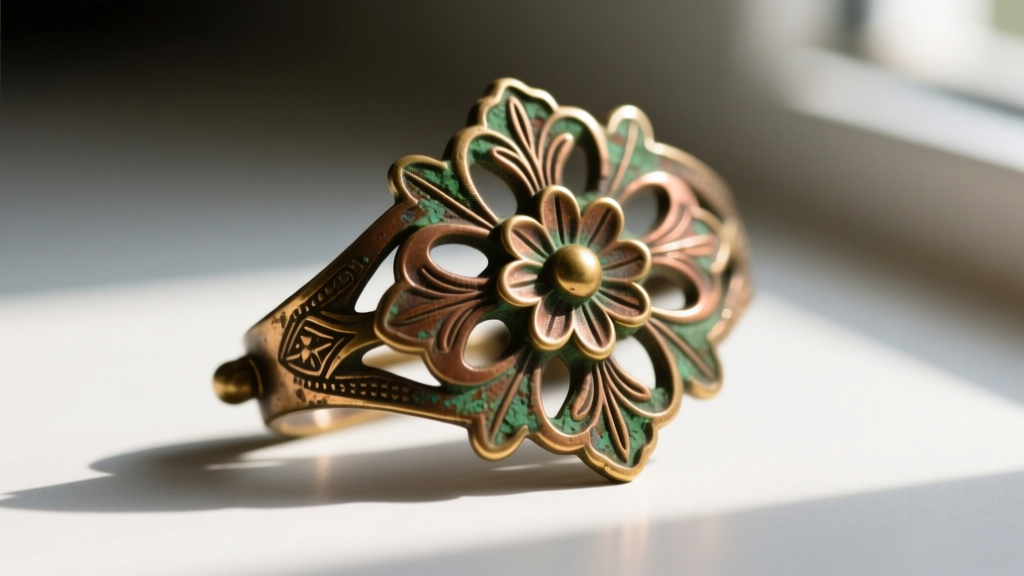
The intricate, floral, and slightly antiqued metal components of the Cisco necklace are crafted from cast brass. Brass is a substitutional alloy primarily composed of copper (Cu) and zinc (Zn), typically in a ratio of 60-70% copper to 30-40% zinc. This specific ratio is chosen in fashion jewelry for its excellent fluidity when molten, allowing it to capture highly detailed bohemian motifs in the casting mold.
However, brass is highly reactive. When exposed to the oxygen, moisture, and chlorides present in human sweat and the atmosphere, the copper in the alloy undergoes oxidation. This results in the darkening of the metal, often referred to as a patina. While some collectors appreciate this vintage look, unchecked oxidation can lead to dezincification—a form of corrosion where zinc is selectively leached from the alloy, leaving behind a porous, brittle copper structure.
Glass Beads: Optical Properties and Mohs Hardness
The vibrant, oversized beads that give the Spell Cisco necklace its signature chunky volume are predominantly crafted from colored glass and occasionally high-density resin. According to the Gemological Institute of America (GIA), glass is an amorphous (non-crystalline) solid. Its lack of a structured crystal lattice means it does not have cleavage planes, making it chip rather than shatter cleanly when subjected to blunt force trauma.
On the Mohs scale of mineral hardness, standard jewelry glass sits between 5.5 and 6.5. This makes it highly resistant to scratching from everyday dust and dirt (which is primarily composed of quartz, hardness 7), but it remains vulnerable to harder materials. Furthermore, the coloration in these beads is achieved through metallic oxide additives (like cobalt for blue or copper for red) suspended in the molten glass, ensuring the color will not fade or rub off over time, unlike surface-dyed stones.
Cordage: Tensile Strength and UV Degradation
Stringing heavy glass and brass requires immense structural integrity. The Cisco necklace utilizes a thick, braided cotton or cotton-polyester blend cord. Pure cotton offers a soft, skin-friendly drape but is susceptible to moisture retention and rot if left damp. The introduction of polyester filaments into the braid increases the tensile strength and provides resistance to UV degradation, ensuring the cord does not become brittle when exposed to direct sunlight during outdoor festivals or beach outings.
Material Comparison: Spell Cisco vs. Fine Jewelry Alternatives
To truly understand the value and physical limitations of the Spell Cisco necklace, we must compare its material profile against common fine jewelry alternatives used in statement necklaces. The table below outlines the critical differences in durability, weight, and skin compatibility.
| Material Profile | Primary Components | Mohs Hardness / Durability | Tarnish Susceptibility | Hypoallergenic Rating |
|---|---|---|---|---|
| Spell Cisco (Boho Fashion) | Cast Brass, Glass Beads, Cotton Cord | 5.5 - 6.5 (Glass) / Malleable Metal | High (Requires maintenance) | Moderate (Copper allergies possible) |
| Sterling Silver & Semi-Precious | 925 Silver, Agate, Jade, Silk Cord | 6.5 - 7.0 (Stones) / 2.5 (Silver) | Moderate (Sulfur tarnish) | High (Generally safe for sensitive skin) |
| Gold Vermeil & Enamel | Silver base, 2.5μm Gold, Vitreous Enamel | 6.0 - 7.0 (Enamel) / Soft Gold | Low (But prone to plating wear) | High (If gold layer is intact) |
| Surgical Steel & Acrylic | 316L Stainless Steel, PMMA Acrylic | 3.0 - 4.0 (Acrylic) / 5.5 (Steel) | Extremely Low (Passivation layer) | Very High (Nickel-free grades) |
Wearability, Weight, and Skin Sensitivities
One of the most defining characteristics of the Spell Cisco necklace is its substantial weight. The combination of solid cast brass and dense glass beads creates a piece that sits heavily on the clavicle. While this provides a luxurious, high-quality drape that prevents the necklace from flipping or tangling, it also places continuous tension on the cervical spine during extended wear.
The "Green Skin" Phenomenon
A common complaint with brass-heavy jewelry is the green discoloration it can leave on the skin. This is not a sign of toxicity or poor quality, but rather a simple chemical reaction. When the copper in the brass alloy comes into contact with the urea, salts, and lactic acid in human sweat, it forms copper chloride. This compound is easily absorbed into the superficial layers of the epidermis, leaving a harmless green stain.
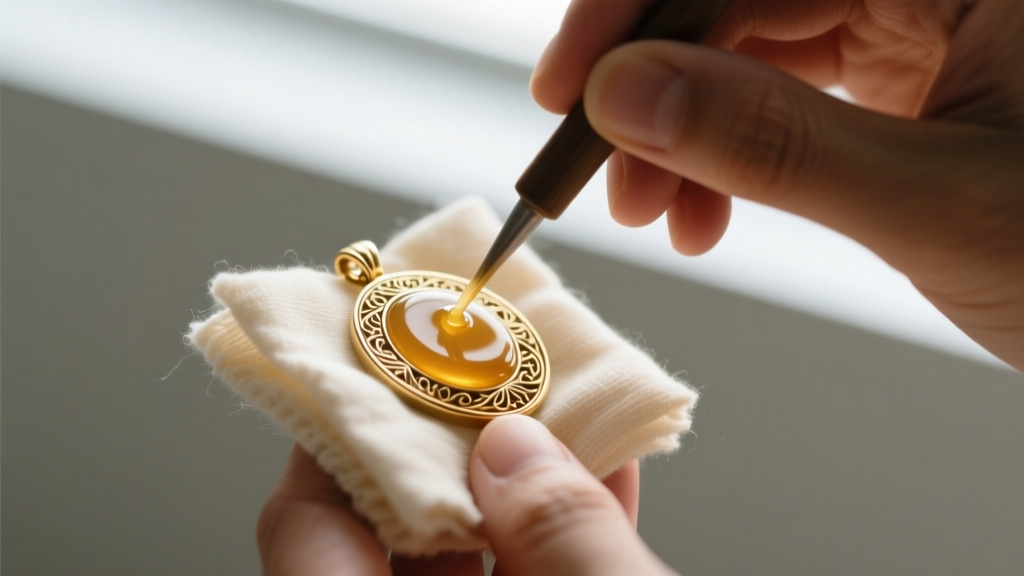
Expert Tip: To prevent copper chelation on your skin, apply a micro-thin layer of clear polyurethane nail polish or a specialized jewelry barrier cream to the brass components that rest directly against your sternum. Reapply every few months as the barrier wears away from friction.
Advanced Care and Maintenance Protocols
Because the Spell Cisco necklace is a composite piece made of disparate materials, you cannot simply drop it into an ultrasonic cleaner or a harsh chemical dip. Doing so would destroy the cotton cord and potentially strip the intentional antiquing from the brass crevices. The Getty Conservation Institute recommends gentle, targeted mechanical cleaning for mixed-media historical and fashion metals.
Step-by-Step Cleaning Framework
- Step 1: Dry Dusting. Use a soft-bristled makeup brush to remove dust, dead skin cells, and cosmetic powders from the crevices of the brass casting and the holes of the glass beads.
- Step 2: Glass Revival. Dampen a microfiber cloth with a 50/50 mix of distilled water and isopropyl alcohol. Wipe down the glass beads to remove skin oils and restore their refractive brilliance. Avoid saturating the cotton cord.
- Step 3: Brass Polishing. Apply a small amount of microcrystalline wax (such as Renaissance Wax) to a cotton swab. Gently buff the raised surfaces of the brass hardware. This not only removes light surface oxidation but leaves a protective polymer barrier that slows future tarnishing.
- Step 4: Cord Conditioning. If the cotton cord becomes frayed or stiff, rub a tiny drop of jojoba oil between your fingers and lightly stroke the cord. This restores flexibility to the natural fibers without attracting dirt.
Final Verdict on Material Longevity
The Spell Cisco necklace is a triumph of bohemian design, utilizing cast brass and glass to create a visually striking, heavy-duty statement piece. While it requires more proactive maintenance than surgical steel or solid gold alternatives, understanding its material properties allows you to preserve its intricate details and vibrant colors for years. By respecting the oxidation tendencies of brass and the impact-vulnerability of glass, wearers can keep this iconic piece looking as fresh as it did on the festival grounds.


