Kukui Nut Necklace Meaning and Authentic Buying Guide
Discover the deep kukui nut necklace meaning, from Hawaiian royalty to modern symbolism. Learn how to buy authentic, high-quality kukui nut leis.

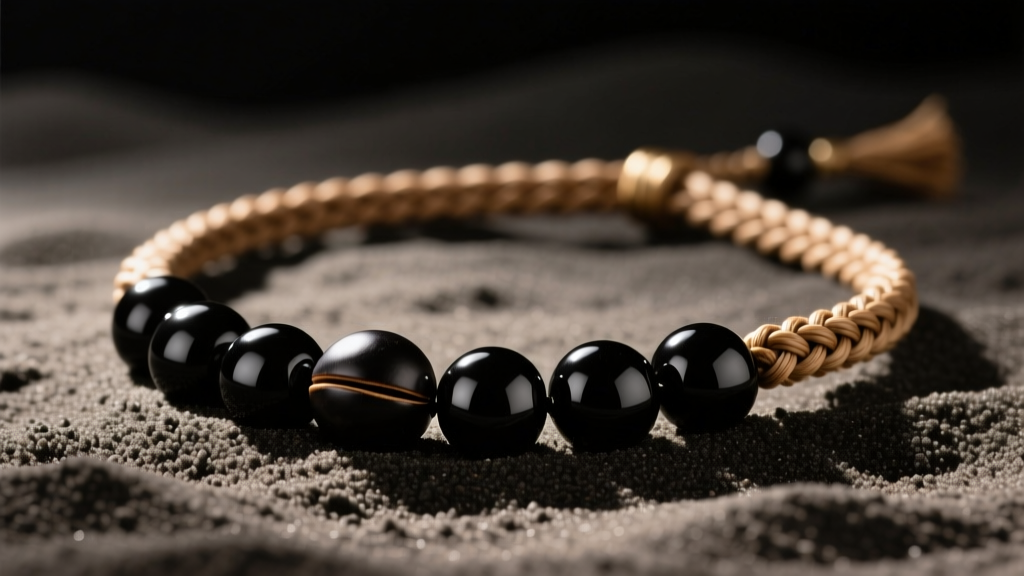
When you begin researching the kukui nut necklace meaning, you are uncovering centuries of Polynesian history, spirituality, and master craftsmanship. Far from being a simple souvenir, the kukui nut lei is a profound symbol of Hawaiian heritage. Whether you are purchasing a piece for a graduation, a wedding, or personal wear, understanding the cultural weight and material nuances of these necklaces is essential for making an informed, respectful purchase.
The Deep Roots: Exploring the Kukui Nut Necklace Meaning
The kukui tree (Aleurites moluccanus, commonly known as the candlenut tree) holds the distinguished honor of being the official state tree of Hawaii. Brought to the islands by early Polynesian voyagers in their canoes, the tree was a vital resource. The nuts were strung together, lit, and used as candles to measure time and provide illumination.
"The word 'kukui' translates directly to 'light' or 'torch.' Because of this, the kukui nut necklace meaning is intrinsically tied to enlightenment, spiritual protection, and peace."
According to the Hawaii Tourism Authority, the kukui tree was deeply revered. In ancient Hawaii, kukui nut leis were reserved exclusively for the Ali'i (royalty) and high chiefs. Wearing them signified status, divine protection, and a connection to the gods. Today, the Bernice Pauahi Bishop Museum preserves many of these historical artifacts, showcasing the meticulous hand-sanding techniques used by early artisans long before modern polishing compounds existed.
Varieties of Kukui Nuts: What to Look For
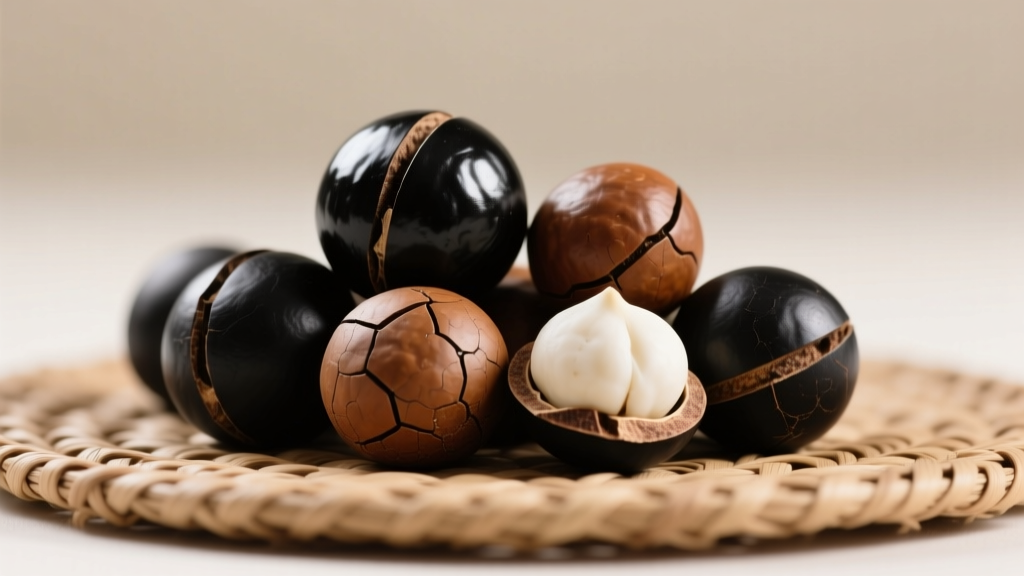
Not all kukui nut necklaces are created equal. The raw candlenut is naturally a pale, chalky white with a rough, deeply grooved husk. The transformation into jewelry requires boiling, husking, sanding, and polishing. When shopping, you will encounter three primary color variations:
- High-Gloss Black: The most traditional and popular style. The nuts are roasted or dyed dark brown/black and polished to a glass-like finish using polyurethane or natural resins.
- Matte Brown: These retain a more natural, earthy aesthetic. They are sanded but left unsealed or treated only with natural oils, showcasing the organic grain of the nut.
- Painted White: Often used in modern weddings to mimic pearls or ivory. High-quality versions are carefully bleached and sealed, while cheaper versions are simply spray-painted and prone to chipping.
Evaluating the Polish and Surface Quality
Run your fingers along the strand. A master-crafted kukui nut necklace will feel like smooth glass with no microscopic snags. Lower-tier, mass-produced necklaces often feel slightly tacky or have a "plasticky" ridge near the drill holes where the polyurethane coating pooled and dried unevenly.
Sizing, Strands, and Cord Materials
Kukui necklaces are typically categorized by their strand count and overall length. Because traditional leis are designed to slip over the head, clasps are a relatively modern addition.
Standard Lengths
- 16 to 18 inches (Choker): Requires a clasp (often a carved bone, wood, or puka shell toggle). Sits high on the collarbone.
- 20 to 24 inches (Standard Lei): The most common length for graduations and ceremonies. Slips easily over the head and rests on the upper chest.
- 30+ inches (Opera Length): Worn long, often doubled over for a layered look.
Strand Configurations
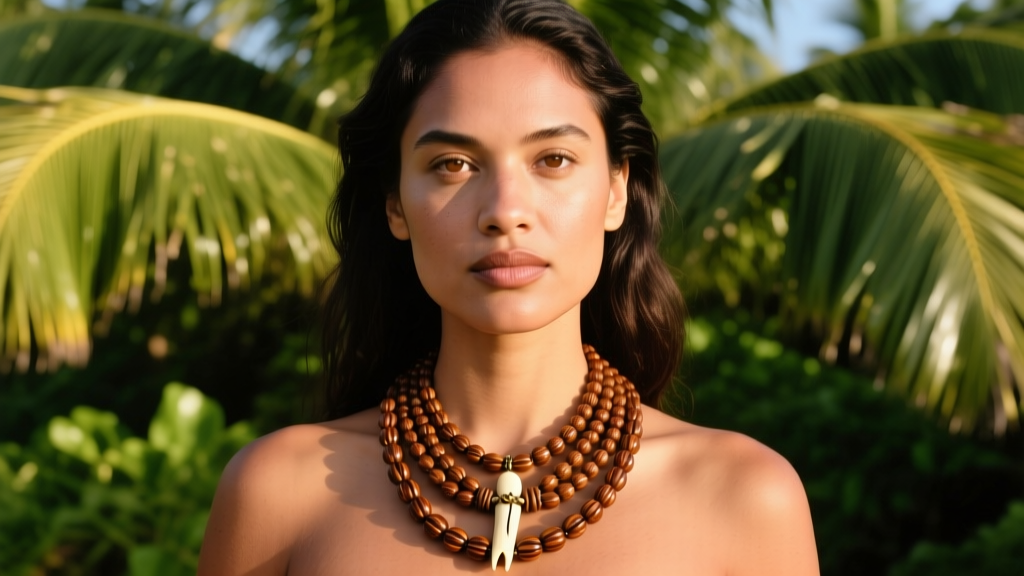
While single-strand necklaces are common for everyday wear, multi-strand pieces are the hallmark of luxury Hawaiian jewelry. Strands can range from 2 to 8, with the nuts often graduated in size (larger in the front, smaller near the clasp). The cord holding them together should be heavy-duty braided cotton, waxed linen, or authentic braided silk. Avoid cheap nylon cords, which can snap under the surprisingly heavy weight of a 5-strand kukui lei.
Authenticity vs. Mass Production: A Buyer's Checklist
The market is flooded with imported, machine-tumbled kukui nuts that lack the cultural integrity and durability of authentic Hawaiian-made pieces. Use this comparison table to evaluate your purchase:
| Feature | Authentic Hawaiian Crafted | Mass-Produced Import |
|---|---|---|
| Weight & Density | Heavy, dense, and substantial on the neck | Lightweight, sometimes feels slightly hollow |
| Surface Finish | Hand-sanded; micro-imperfections visible under magnification | Machine-tumbled; perfectly uniform but flat-looking |
| Drill Holes | Clean, narrow, often countersunk to hide the cord knot | Wide, frayed edges, visible blowout marks on the exit hole |
| Coating | Deep luster from multiple layers of hand-rubbed resin or oil | Thin, overly glossy polyurethane dip that chips easily |
| Temperature | Feels cool to the touch initially, warms slowly | Feels room temperature or slightly warm immediately |
Pricing Guide: What Should You Pay?
Understanding the kukui nut necklace meaning also means respecting the labor involved in creating authentic pieces. Harvesting, boiling, husking, and hand-sanding hundreds of nuts is incredibly time-consuming. Here is what you should expect to pay in the current market:
- Single Strand (Import/Basic): $15 - $35. Good for casual wear or large party favors.
- Single Strand (Hawaiian Made, High Polish): $45 - $85. Features better drill work and premium cord.
- Multi-Strand (3 to 5 strands, Authentic): $120 - $250. A stunning, heavy piece ideal for graduations and formal events.
- Master-Grade (8+ strands, Bone/Puka accents): $300 - $600+. Heirloom-quality jewelry featuring hand-carved toggles and graduated nut sizing.
Care and Maintenance for Longevity
Kukui nuts are organic materials and require specific care to maintain their structural integrity and luster.
Cleaning and Moisture Control
Never submerge a kukui nut necklace in water. Prolonged exposure to moisture, sweat, or ocean water can cause the nuts to swell, crack, or develop mold inside the drill holes. If the necklace becomes soiled, wipe it gently with a slightly damp microfiber cloth and dry it immediately.
Re-Oiling Matte Finishes
If you own a matte brown, oil-finished kukui lei, it will naturally dry out over time, leading to a dull, ashy appearance. Once a year, massage a few drops of food-grade mineral oil or pure macadamia nut oil into the beads. Let it sit for 15 minutes, then buff off the excess with a clean cloth. Do not use olive or vegetable oils, as they will eventually turn rancid and emit a sour odor.
Proper Storage
Store your necklace flat in a breathable cotton pouch. Hanging a heavy, multi-strand kukui lei for long periods can stretch the internal cord, leading to premature fraying and eventual breakage. Keep it away from direct, prolonged sunlight, which can cause the dark dyes to fade to a muddy gray over time.
By prioritizing authentic craftsmanship and understanding the deep spiritual roots of the piece, you ensure that your jewelry is not just an accessory, but a wearable piece of Hawaiian history.


