Kurt Geiger Necklaces: Base Metals & Plating Guide
Discover the exact base metals, plating thickness, and enamel types used in Kurt Geiger necklaces, plus expert care tips to prevent tarnish and wear.

The Anatomy of Fashion Jewelry: What Are Kurt Geiger Necklaces Made Of?
Kurt Geiger is globally recognized for its maximalist, statement-making fashion jewelry. Unlike fine jewelers who rely on solid 14k or 18k gold, Kurt Geiger necklaces are engineered for visual impact, trend responsiveness, and accessible luxury price points, typically ranging from £60 to £150 ($75 to $200). To achieve this distinct aesthetic without the prohibitive costs of solid precious metals, the brand utilizes specific metallurgical techniques and composite materials.
Understanding the material science behind these pieces is crucial for setting realistic expectations regarding their longevity, wearability, and care. In this deep dive, we analyze the exact base metals, electroplating specifications, and embellishment materials that define Kurt Geiger necklaces in 2026.
Base Metal Core: Brass and Zinc Alloys
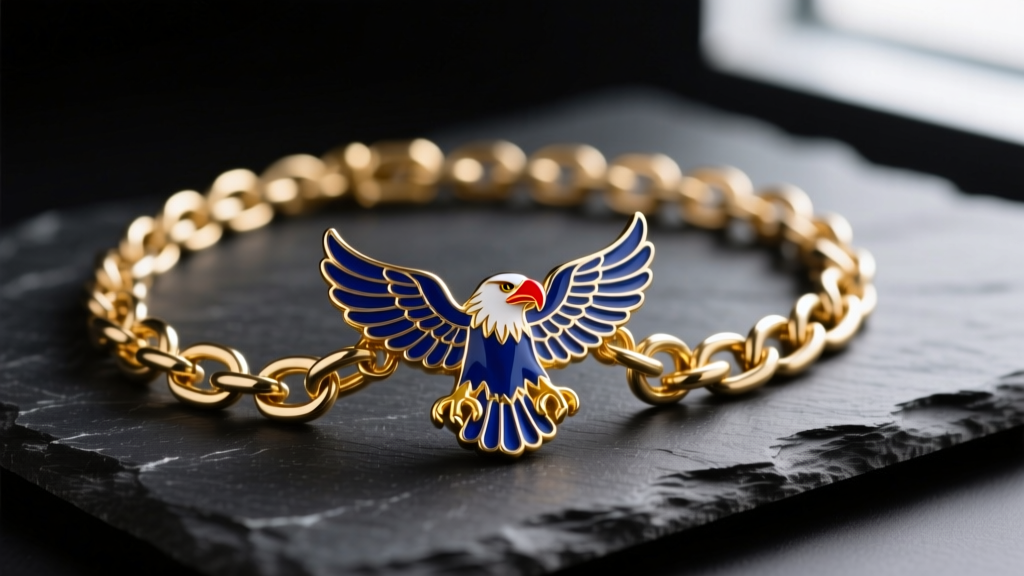
The structural foundation of almost all Kurt Geiger chain necklaces and heavy pendants is brass. Brass is a substitutional alloy of copper and zinc. In fashion jewelry manufacturing, the standard ratio is roughly 65% copper to 35% zinc, often classified as C26000 cartridge brass. This specific grade is chosen for its high malleability and excellent castability, allowing for the intricate, high-relief casting of the brand's signature motifs like eagles, lips, and hardware-inspired links.
Furthermore, brass provides a satisfying, weighty drape that mimics the density of solid gold—a crucial psychological factor in the perceived value of fashion jewelry. However, bare brass is highly reactive. When exposed to the lactic acid, urea, and salts in human sweat, the copper in the alloy oxidizes and forms copper chloride, resulting in the infamous "green skin" effect. To prevent this, a barrier layer and an outer plating are absolutely mandatory.
Plating Properties: Gold-Tone and Silver-Tone Finishes
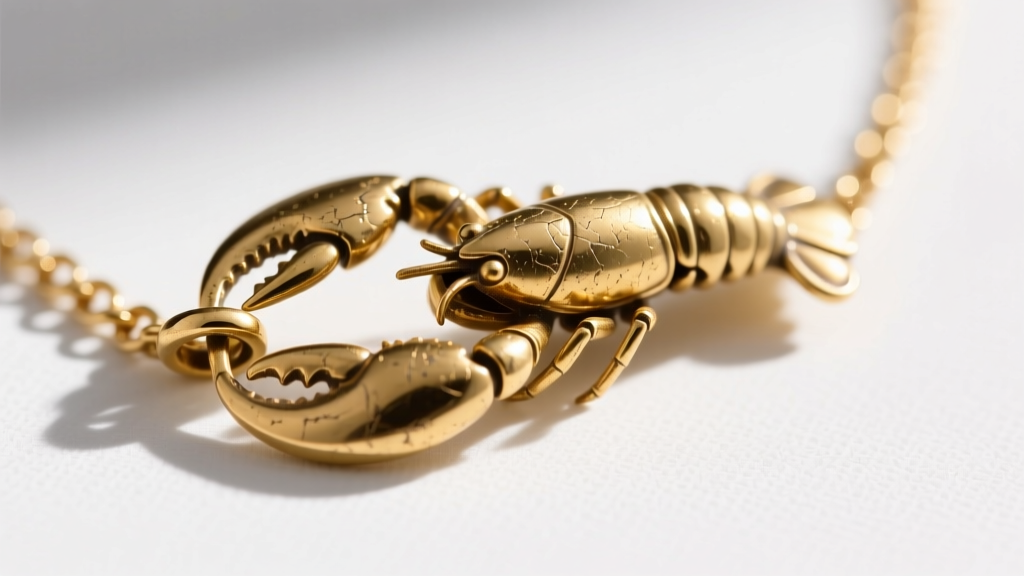
The visual appeal of Kurt Geiger necklaces relies entirely on electroplating. According to the Federal Trade Commission (FTC) Jewelry Guides, terms like "gold plated" and "gold electroplated" have strict legal definitions regarding the thickness of the gold layer.
Most high-street luxury fashion jewelry utilizes "flash plating." Flash plating involves depositing a microscopic layer of gold—typically between 0.1 and 0.5 microns (millionths of a meter)—over a base metal. While this provides a brilliant, authentic 14k or 18k gold color initially, the thinness of the layer means it is highly susceptible to friction wear over time.
| Plating Type | Average Thickness | Base Metal Requirement | Durability & Lifespan |
|---|---|---|---|
| Flash Plating | 0.1 - 0.5 microns | Brass, Zinc Alloy, or Stainless Steel | Low to Moderate (Months to 1-2 years with care) |
| Heavy Gold Electroplate | 2.5+ microns | Brass or Copper | High (Years of regular wear) |
| Gold Vermeil | 2.5+ microns | Sterling Silver (925) Only | Very High (Can be re-polished and replated) |
| PVD (Physical Vapor Deposition) | 0.5 - 1.0 microns | Stainless Steel or Titanium | Extremely High (Highly scratch and tarnish resistant) |
Underneath the gold or silver-toned outer layer, reputable brands apply a barrier coat. Historically, nickel was used, but due to strict EU REACH regulations regarding contact dermatitis, modern Kurt Geiger pieces manufactured for the global market typically use a palladium or hypoallergenic titanium barrier layer. This prevents the copper core from migrating to the surface and causing allergic reactions.
Embellishments: Enamel, Crystals, and Acrylics
Beyond the metalwork, Kurt Geiger necklaces are celebrated for their vibrant material contrasts. The brand frequently incorporates enamel and crystal work into their pendant designs to achieve their bold, recognizable aesthetic.
Cold Enamel vs. Vitreous Enamel
The vibrant reds, blacks, and blues seen on Kurt Geiger eagle and hardware pendants are achieved using cold enamel (an epoxy-based resin) rather than traditional vitreous (glass) enamel. Vitreous enamel requires firing at temperatures exceeding 800°C, which would melt the brass base and ruin the gold plating. Cold enamel, however, cures at room temperature or with low heat. While it lacks the glass-like hardness of vitreous enamel, modern UV-cured epoxies used in 2026 offer excellent color stability, high gloss, and resistance to chipping under normal wear conditions.
For crystal embellishments, the brand often uses precision-cut glass or high-grade acrylic stones rather than natural gemstones. This allows for consistent sizing, flawless clarity, and the signature high-refraction "bling" effect that defines their evening wear collections.
Failure Modes: Why Fashion Necklaces Tarnish and Degrade
Understanding the material properties of Kurt Geiger necklaces requires acknowledging their inherent failure modes. Because they are plated brass rather than solid precious metals, their lifespan is dictated by environmental and chemical exposure.
- Friction Wear: The most common failure point is the clasp and the links resting against the collarbone. Friction physically strips the 0.5-micron gold layer, exposing the palladium barrier and eventually the brass core.
- Chemical Tarnishing: Silver-toned Kurt Geiger necklaces (often rhodium or silver-plated) are prone to sulfur-induced tarnishing. Hydrogen sulfide in the atmosphere reacts with the silver layer to form silver sulfide, a black compound.
- Moisture Trapping: The intricate, textured surfaces of their chain links can trap lotions, perfumes, and sweat. The alcohol and oils in cosmetics can degrade the epoxy cold enamel over time, causing it to cloud or lift from the metal recesses.
- Galvanic Corrosion: If the plating is scratched down to the brass core and exposed to salt water, a galvanic cell can form between the copper/zinc alloy and the remaining gold plating, accelerating the corrosion of the base metal.
- UV Degradation: Prolonged exposure to direct sunlight can cause the epoxy resins used in cold enamel and certain acrylic stones to yellow or become brittle over several years.
Longevity Framework: Caring for Plated Brass
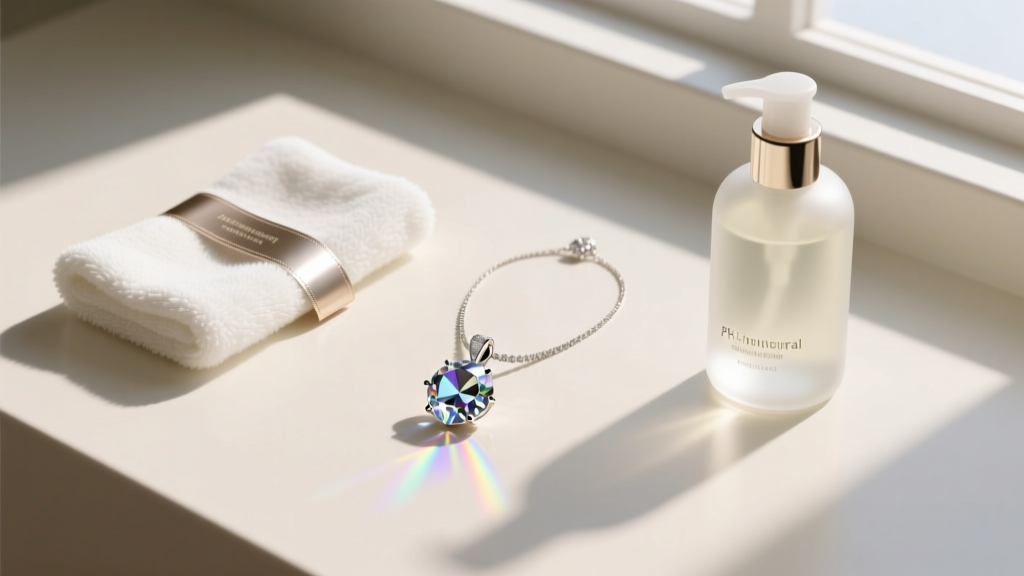
To maximize the lifespan of a Kurt Geiger necklace, you must treat it as a delicate, multi-layered composite material rather than a solid piece of metal. The Gemological Institute of America (GIA) notes that the longevity of plated jewelry is directly tied to the wearer's maintenance habits and individual body chemistry.
"The golden rule of fashion jewelry is 'last on, first off.' Plated brass pieces should never be exposed to the chemical solvents found in perfumes, hairsprays, or chlorine, as these will rapidly degrade both the plating and the epoxy resins."
Step-by-Step Maintenance Protocol
- Dry Wiping: After every wear, use a clean, dry, ultra-fine microfiber cloth to gently wipe the chain and pendant. This removes the microscopic layer of sweat and skin oils before they can etch into the gold plating.
- Avoid Liquid Cleaners: Never use commercial silver dips, ultrasonic cleaners, or jewelry polishing liquids on Kurt Geiger necklaces. These solutions are formulated for solid metals and will instantly strip flash plating and cloud cold enamel.
- Storage Environment: Store the necklace in its original flannel pouch or a sealed polyethylene bag. Include a 3M anti-tarnish strip, which absorbs atmospheric sulfur and prevents the silver-toned pieces from oxidizing.
- Friction Management: When layering Kurt Geiger chains, ensure the links do not constantly rub against one another. The abrasive action will accelerate the wear of the micron-thin outer layer, particularly on heavy hardware pendants.
Final Verdict: Value and Wearability
Kurt Geiger necklaces occupy a distinct space in the jewelry market. They are not heirloom investments meant to be passed down through generations, nor are they solid precious metals that can be easily resized or re-polished by a bench jeweler. Instead, they are masterclasses in fashion engineering—utilizing brass cores, palladium barriers, and precision flash plating to deliver high-impact, trend-forward aesthetics at an accessible price point.
By understanding the exact material properties and limitations of these pieces, buyers can set realistic expectations. If you respect the boundaries of flash-plated brass and epoxy enamel, a Kurt Geiger necklace will provide years of striking, maximalist style without the prohibitive cost of solid gold statement pieces.


