La Peregrina Necklace Explained: History, Pearls, and Styling
Discover the history of the legendary La Peregrina necklace, learn how to grade pear-shaped pearls, and find tips for styling this iconic pendant today.

What is the La Peregrina Necklace?
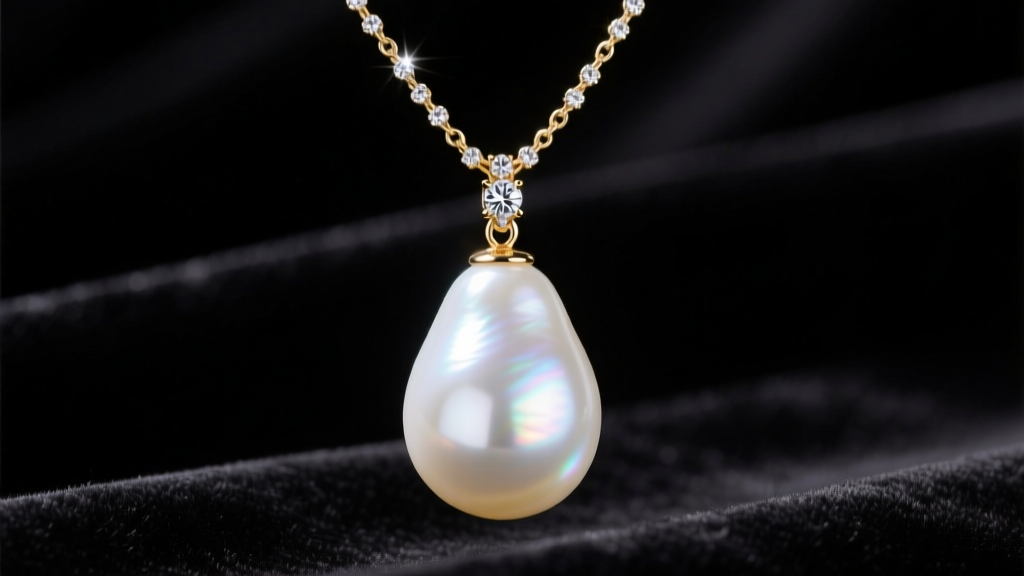
When jewelry historians and gemologists discuss the most important pearls in human history, one name inevitably dominates the conversation: the La Peregrina necklace. At its core, this iconic piece is built around a single, massive pear-shaped natural saltwater pearl. Weighing an astonishing 50.56 carats (202.24 grains) and measuring approximately 25.5mm by 18mm, the pearl is celebrated for its perfect symmetry, brilliant white hue, and exceptional luster. For modern jewelry enthusiasts, understanding the La Peregrina necklace means diving into a masterclass on pearl grading, historical provenance, and the timeless art of styling oversized pendant necklaces.
While the original piece resides in a private collection after breaking auction records, the 'La Peregrina style'—a large, teardrop pearl suspended from a delicate, often diamond-accented chain—remains a highly sought-after silhouette in 2026. Whether you are studying high jewelry history or looking to purchase a cultured pearl replica, this beginner-friendly explainer will break down everything you need to know.
The Storied History of a Legendary Pearl
The provenance of the La Peregrina pearl is as flawless as its surface. Discovered in the Gulf of Panama in the late 16th century by an enslaved African diver who reportedly earned his freedom for the find, the pearl was immediately claimed by the Spanish Crown. King Philip II of Spain gifted it to Mary I of England as a betrothal present in 1554. Following Mary’s death, the pearl returned to Spain, becoming a staple of the Spanish Crown Jewels for over two centuries.
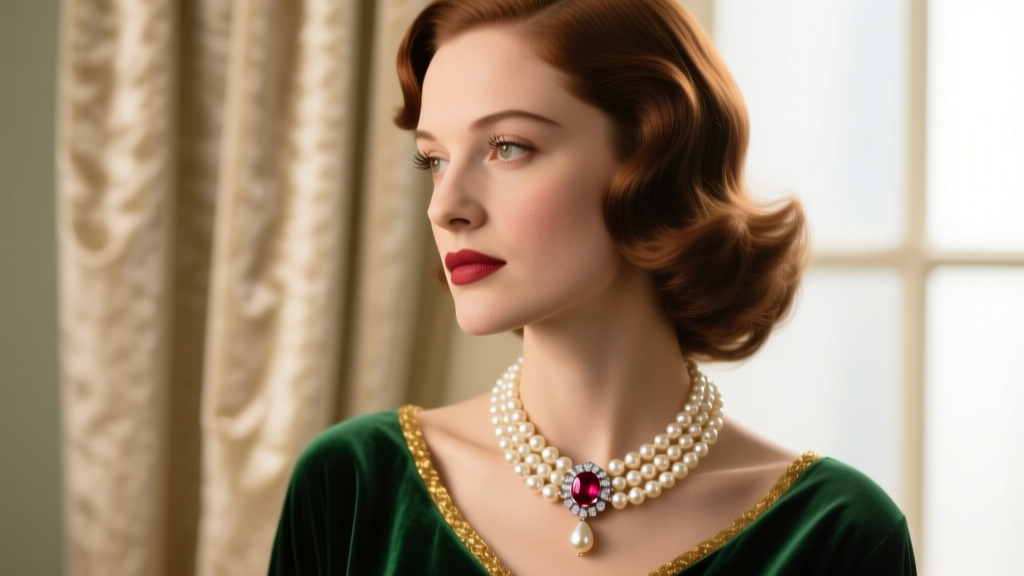
The pearl’s journey through European royalty and aristocracy eventually led it to the Marquess of Abercorn, before it was famously purchased at a Sotheby’s auction in 1969 by actor Richard Burton for $37,000 as a Valentine’s Day gift for his wife, Elizabeth Taylor. It was Taylor who commissioned the legendary jewelry house Cartier to redesign the piece. In-house designer Al Durante mounted the historic natural pearl alongside a double strand of perfectly matched cultured pearls, finishing it with a spectacular diamond, ruby, and platinum clasp. This specific Cartier iteration is what the world now recognizes as the definitive La Peregrina necklace.
Anatomy and Grading of Pear-Shaped Pearls
If you are shopping for a La Peregrina-inspired pendant, you must understand how gemologists evaluate pear-shaped (or teardrop) pearls. According to the Gemological Institute of America (GIA), natural pearls of this size and symmetry are virtually non-existent in today's market. Therefore, modern replicas utilize high-grade cultured saltwater or freshwater pearls. Here is the exact framework used to grade these stones:
Pearl Quality Matrix
| Quality Factor | La Peregrina Standard | What to Look for in Replicas |
|---|---|---|
| Shape | Perfectly symmetrical pear | Avoid asymmetrical bulges; the teardrop should be balanced on a central axis. |
| Luster | Exceptional, mirror-like reflection | Look for sharp, distinct reflections of light sources on the pearl's surface. |
| Surface | Flawless to the naked eye | Minor blemishes are acceptable in mid-tier cultured pearls, but avoid deep pits or cracks. |
| Nacre Thickness | N/A (Solid natural pearl) | For bead-nucleated cultured pearls, ensure nacre is at least 0.8mm thick to prevent peeling. |
| Orient | Subtle iridescent overtones | High-quality South Sea pearls will show a soft pink or silver iridescence over the white body color. |
Authentic Cartier vs. Inspired Replicas: Pricing Guide
The original Elizabeth Taylor La Peregrina necklace sold at Christie’s in 2011 for a staggering $11.8 million. For collectors and everyday wearers, acquiring the 'look' requires navigating different tiers of the jewelry market. Below is a realistic pricing breakdown for La Peregrina-style pendant necklaces available today.
- Museum-Grade Antiques & Naturals ($50,000 - $500,000+): Authentic 18th or 19th-century natural saltwater pear pearls. These require certification from the Swiss Gemmological Institute (SSEF) or GIA to verify their natural, non-nucleated origin.
- High-End Cultured Replicas ($3,000 - $15,000): Pendants featuring large (15mm-20mm) white South Sea cultured pearls with diamond-set bails and 18k gold or platinum chains. Brands like Mikimoto and Tiffany & Co. occasionally release heritage-inspired teardrop pendants in this tier.
- Mid-Range Freshwater Alternatives ($300 - $1,200): Edison pearls or high-grade freshwater cultured pearls that mimic the pear shape. These offer excellent luster and size but lack the deep, satiny orient of saltwater varieties.
- Fashion & Simulated Pieces ($50 - $150): Majorica pearls or high-quality glass/crystal beads coated with guanine. These are strictly for aesthetic styling and hold no intrinsic gemological value.
How to Style a Large Pear-Shaped Pearl Pendant
A pendant of this magnitude commands attention. The key to styling a La Peregrina-style necklace is allowing the pearl to act as the focal point without overwhelming your silhouette. Here are the most flattering neckline pairings for oversized teardrop pearls:
- The Deep V-Neck: A deep V-neckline in silk or satin creates a natural geometric frame that points directly to the pearl. The pearl should rest exactly at the apex of the V, roughly 2 to 3 inches below the collarbone.
- The Sweetheart Neckline: Ideal for evening wear, a sweetheart bodice provides a wide, unobstructed canvas across the chest, allowing the pear shape to elongate the neck visually.
- The Scoop Neck: For a more casual, daytime approach, a wide scoop neck paired with a 16-inch choker-length chain keeps the pearl hovering just above the fabric line, blending vintage elegance with modern minimalism.
- Avoid High Collars and Turtlenecks: Thick fabrics and high necklines will cause the pearl to bounce awkwardly and obscure the delicate chain and bail, destroying the visual flow of the pendant.

Care and Maintenance for Natural and Cultured Pearls
Pearls are organic gemstones, ranking a mere 2.5 to 3.0 on the Mohs hardness scale. This makes them highly susceptible to scratching, chemical degradation, and dehydration. If you invest in a high-quality La Peregrina-inspired piece, strict maintenance protocols are non-negotiable.
"Pearls are living gems that require moisture and are easily damaged by the acids in human sweat and the chemicals in modern cosmetics. The golden rule of pearl wear is always 'last on, first off.'" — GIA Pearl Care Guidelines
Actionable Care Steps:
- Chemical Avoidance: Never expose your pearl to perfume, hairspray, or household cleaners. Apply all cosmetics at least 15 minutes before putting on your necklace.
- Post-Wear Cleaning: After every wear, gently wipe the pearl with a soft, lint-free microfiber cloth slightly dampened with distilled water. Never use ultrasonic cleaners or steamers, as the high-frequency vibrations can shatter the nacre layers or detach the pearl from its bail.
- Proper Storage: Store the necklace flat in a soft pouch. Hanging a heavy pear-shaped pearl by its chain for long periods can stretch the metal links or weaken the silk thread if it is part of a multi-strand design. Keep it away from extreme heat, which can cause the pearl to crack or lose its luster.
Final Thoughts
The La Peregrina necklace is more than just a piece of jewelry; it is a historical artifact that has shaped the way we view pearl pendants for over four centuries. Whether you are admiring the original Cartier masterpiece from afar or selecting a modern South Sea cultured pearl to emulate its timeless teardrop silhouette, understanding the gemological metrics and styling nuances ensures you can appreciate this legendary design at any budget.


