The Survival Necklace From Naked and Afraid Explained
Discover the truth behind the survival necklace from Naked and Afraid. Learn about paracord, ferro rods, and bushcraft pendants in this guide.

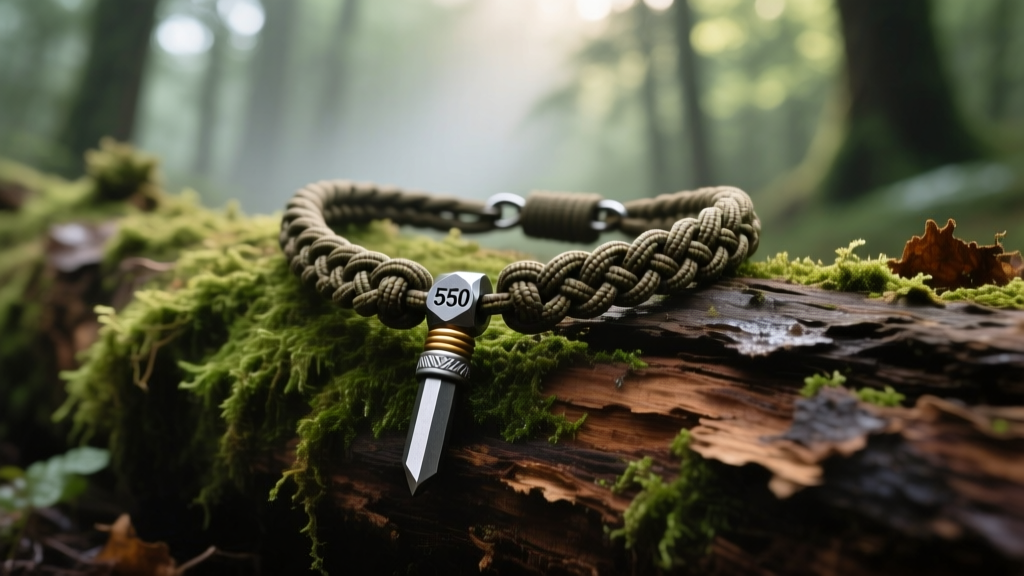
When fans of hardcore wilderness survival television tune into Discovery Channel's hit series, they are often captivated by the raw, unfiltered grit of the contestants. However, a recurring question in bushcraft and survivalist communities revolves around a specific piece of gear: the necklace from naked and afraid. While it may look like a rugged piece of primitive jewelry to the untrained eye, this neckwear is actually a highly functional, life-saving tool designed for extreme environments. In this beginner-friendly explainer, we will break down exactly what these survival necklaces are, the materials used to craft them, and how you can choose or build one for your own outdoor adventures.
What Exactly Is the 'Naked and Afraid' Necklace?
When viewers search for the necklace from naked and afraid, they are typically referring to the bushcraft survival necklaces worn by contestants, survival instructors, and the show's camera crew. In a scenario where participants are dropped into hostile environments with only one or two items, every ounce of gear must serve a critical purpose. Decorative jewelry is a liability; survival jewelry is an asset.
These necklaces are not made of gold, silver, or precious gemstones. Instead, they are constructed from high-tensile cordage and feature functional pendants such as ferrocerium fire-starting rods, carved bone toggles, or emergency fishing hooks. The concept bridges the gap between wearable gear and immediate-access survival tools, ensuring that even if a survivor loses their pack or clothing, they still have a means to make fire, build shelters, or procure food.
Anatomy of a True Survival Necklace
To understand the engineering behind these pieces, we must look at the two primary components: the cordage and the pendant. According to experts on the Bushcraft USA Forums, a true survival necklace must balance durability with quick-deploy functionality.
The Cordage: 550 Paracord vs. Tarred Bank Line
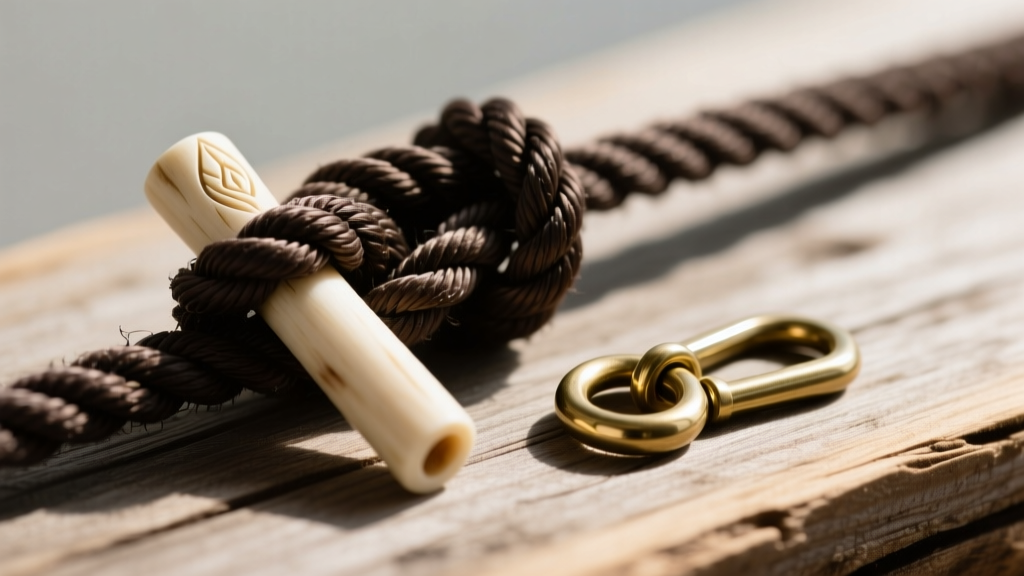
The backbone of any survival necklace is the cord. The two most common materials used are 550 Paracord and Tarred Mariner's Bank Line.
- 550 Paracord (MIL-C-5040H): As detailed by Paracord Planet, genuine military-spec paracord features a kernmantle construction with seven inner yarn strands, boasting a minimum tensile strength of 550 pounds. It is soft on the skin, highly resistant to abrasion, and can be unraveled to create snare wire or fishing line.
- Tarred Mariner's Bank Line: Typically made from #36 gauge braided nylon or linen, bank line is heavily coated in tar or wax. This makes it incredibly water-resistant and gives it a high-friction surface that holds knots exceptionally well, making it ideal for lashing shelters or crafting primitive traps.
The Pendant: Ferrocerium Rods and Bone Toggles
The pendant is where the true survival value lies. The most common pendant is a ferrocerium (ferro) rod. A standard 5/16-inch or 3/8-inch thick ferro rod can generate sparks at 3,000°C (5,432°F), even when completely submerged in water. Brands like Exotac manufacture specialized ferro rod pendants that can be struck with the spine of a knife or a piece of high-carbon steel. Alternatively, some survivalists use carved bone or antler toggles, which double as net-making needles, awls for leatherwork, or triggers for figure-four deadfall traps.
Material Breakdown: What to Look For
If you are shopping for a survival necklace, choosing the right material combination is crucial for your specific environment. Below is a comparison chart to help you decide.
| Material | Tensile Strength | Water Resistance | Best Use Case |
|---|---|---|---|
| Mil-Spec 550 Paracord | 550 lbs | Moderate (Dries quickly) | General bushcraft, emergency snare line, shelter building |
| #36 Tarred Bank Line | 350 lbs | High (Tar coating repels water) | Wet environments, heavy lashing, trap making |
| Leather Thong (5mm) | 150 lbs | Low (Rots if untreated) | Primitive skills, historical reenactment, light toggles |
For beginners, a 550 paracord cobra-weave necklace with a 3/8-inch ferrocerium rod is the most versatile and forgiving setup to start with.
Sizing, Layering, and Crucial Safety Features
One of the most common mistakes beginners make when buying or tying a survival necklace is choosing the wrong length and ignoring safety clasps.

Chest Length vs. Choker Length
In a fashion context, chokers (16 to 18 inches) are popular. In a survival context, they are dangerous. A survival necklace should be sized to a chest length of 22 to 24 inches. This longer drop serves two purposes: it allows you to wear the necklace over heavy winter parkas or rain gear, and it keeps the heavy ferro rod pendant resting flat against your sternum rather than bouncing against your throat while hiking over rough terrain.
The Breakaway Clasp: A Non-Negotiable Safety Feature
If you are navigating dense brush, climbing, or moving through water, your necklace can easily snag on a branch or submerged root. If the necklace is tied with a permanent knot, a snag can lead to severe choking or cervical injury. Always equip your survival necklace with a 5-to-10-pound tension breakaway clasp. These small plastic or magnetic clasps hold the necklace securely during normal movement but will instantly snap open if subjected to the sudden, forceful pull of a snag hazard.
Maintenance: Caring for Your Survival Gear
Survival necklaces are exposed to sweat, dirt, campfire smoke, and UV radiation. To maintain the integrity of your gear:
- Cleaning Paracord: Hand wash with mild soap and warm water. Avoid bleach, which degrades the nylon kernmantle structure.
- Ferro Rod Care: If your ferro rod develops a dark oxide layer from humidity, gently scrape it with a knife spine to expose fresh, highly combustible material.
- Bank Line Upkeep: Over time, the tar coating on bank line can wear off. You can re-tar the cordage using pine pitch or beeswax to restore its water resistance and knot-holding friction.
Top Brands Making Authentic Survival Necklaces
If you prefer to buy a pre-made, professionally crafted survival necklace rather than weaving one yourself, several reputable outfitters specialize in this niche:
- Wazoo Survival: Known for their 'Cache' necklaces, which integrate paracord, a ferro rod, and a hidden fishing kit into a single, sleek pendant.
- Pathfinder: Offers heavy-duty bank line and paracord kits with high-quality stainless steel and bone toggles.
- Exotac: While primarily a fire-starting company, their nanoStriker XL is frequently adapted by bushcrafters into a high-end, titanium survival necklace.
Final Thoughts on Survival Jewelry
The necklace from naked and afraid is far more than a television prop or a rugged fashion statement. It is a carefully considered piece of emergency equipment that reflects the core philosophy of bushcraft: redundancy and preparedness. By understanding the material grades, proper sizing, and critical safety features like breakaway clasps, you can transition from a passive viewer to an active practitioner. Whether you choose a mil-spec paracord weave or a tarred bank line lash, wearing a survival necklace ensures that the ability to make fire and secure shelter is always resting right over your heart, ready to be deployed the moment you need it most.


