Lai Necklace Value Guide 2026: Is It Worth the Price?
Is the Lai necklace worth the investment? We break down 2026 pricing, material grades, cost-per-wear, and top alternatives for every budget.

The Rise of the Lai Necklace: Hype vs. Reality
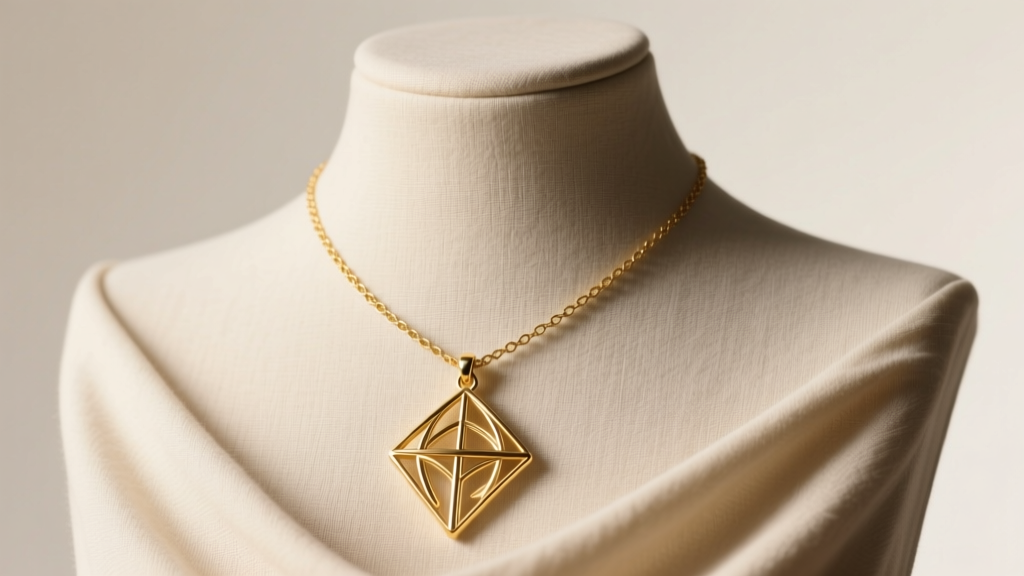
Over the past few years, the Lai necklace has transitioned from an insider favorite among contemporary jewelry collectors to a mainstream staple in the demi-fine and fine jewelry markets. Known for its signature fluid, architectural metalwork and molten-metal aesthetics, the Lai brand has successfully captured the minimalist luxury demographic. But as prices have crept upward heading into 2026, a critical question remains for budget-conscious buyers and value hunters: Is the Lai necklace actually worth the premium price tag, or are you simply paying for clever branding and Instagram aesthetics?
In this comprehensive value assessment, we are stripping away the marketing gloss. We will evaluate the exact material grades, manufacturing techniques, real-world durability, and cost-per-wear metrics of the Lai necklace. Whether you are eyeing their entry-level gold vermeil pieces or their solid 14k sculptural pendants, this guide will help you determine if the investment aligns with your personal jewelry budget.
Anatomy and Material Science: What Are You Paying For?
To assess value, we must first look at the raw materials. The Lai brand primarily operates in two distinct tiers: heavy gold vermeil and solid 14k gold. Understanding the difference is crucial for accurate budget assessment.
The Vermeil Standard vs. Flash Plating
Many consumers confuse "gold vermeil" with standard "gold plating." According to the Federal Trade Commission (FTC) Jewelry Guides, true gold vermeil must meet strict criteria: the base metal must be sterling silver (925 purity), and the gold layer must be at least 10k purity with a minimum thickness of 2.5 microns. Standard fashion jewelry often uses a brass base with a mere 0.1 to 0.5 microns of gold flash plating, which rubs off within weeks.
The Lai necklace (specifically their demi-fine line) utilizes a 3.0-micron layer of 14k gold over recycled 925 sterling silver. This 20% overage in plating thickness compared to the legal minimum significantly extends the lifespan of the piece. Furthermore, the Gemological Institute of America (GIA) notes that 14k gold (58.5% pure gold) offers a higher Vickers hardness (approx. 120-140 HV) compared to 18k or 24k gold. By choosing 14k for their vermeil exterior, Lai ensures the surface is more resistant to micro-scratches and daily friction than competitors using softer, higher-karat plating.
Solid 14k Gold: The Heirloom Tier
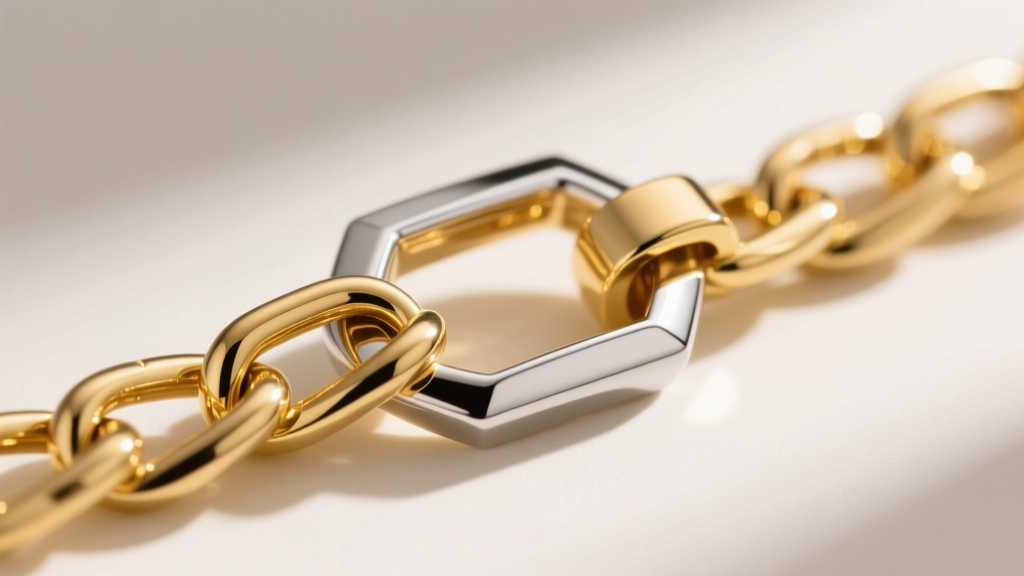
For buyers with a higher budget, Lai offers their architectural pendants in solid 14k gold. The signature sculptural pendant weighs approximately 8.5 grams in vermeil, but jumps to 14.2 grams in solid 14k. This added gram weight not only provides a luxurious, heavy drape on the clavicle but also ensures the piece will never tarnish or wear down to a base metal. From a pure melt-value perspective, the solid 14k version retains intrinsic commodity value, whereas the vermeil version's value is almost entirely tied to its design and brand equity.
2026 Pricing Tiers & Cost-Per-Wear Matrix
Value is not just about the initial purchase price; it is about the cost-per-wear (CPW) over the item's usable lifespan. Below is a breakdown of the current 2026 pricing for the core Lai necklace styles, alongside a realistic CPW analysis assuming regular rotation in your jewelry wardrobe.
| Collection Tier | Material Composition | 2026 Price Range | Expected Lifespan | Est. Cost-Per-Wear |
|---|---|---|---|---|
| Signature Vermeil | 3.0μm 14k Gold over 925 Silver | $185 - $245 | 2 - 4 Years (Daily) | $0.16 - $0.25 |
| Solid Core 14k | Solid 14k Yellow/White Gold | $780 - $1,150 | Lifetime / Heirloom | $0.05 - $0.10 |
| Limited Edition Run | 18k Gold with Diamond Accents | $2,200 - $3,500 | Lifetime / Heirloom | N/A (Investment Piece) |
Note: Cost-per-wear calculations assume the necklace is worn 3 times per week. The vermeil lifespan heavily depends on the wearer's skin chemistry and exposure to moisture.
Durability & Real-World Failure Modes
No jewelry piece is immune to wear and tear, and the Lai necklace has specific failure modes that prospective buyers should be aware of before spending their budget.
- Toggle Clasp Slippage: Many Lai necklaces feature a custom geometric toggle clasp to maintain the architectural aesthetic. However, if the horizontal bar is not perfectly proportioned to the O-ring (a known issue in some early 2024 batches), the clasp can slip off during vigorous movement. Always test the toggle tension in-store or upon delivery.
- High-Friction Vermeil Wear: While the 3.0-micron plating is robust, the jump rings connecting the pendant to the chain, and the clasp mechanism itself, experience constant metal-on-metal friction. Expect the vermeil to wear down to the sterling silver base in these specific micro-areas after 14 to 18 months of continuous daily wear.
- Chain Tangling: The 2.5mm cable chain used in their standard vermeil line is delicate. If stored improperly, it is prone to knotting. We recommend storing the Lai necklace flat or hanging it from a dedicated jewelry stand to prevent micro-kinks in the links.
Budget Alternatives to the Lai Necklace
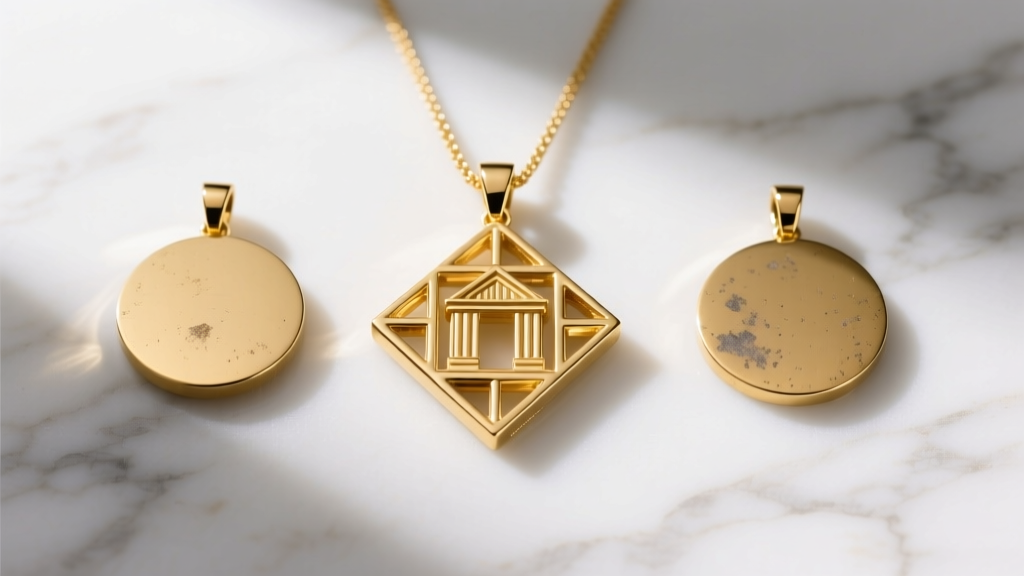
If the 2026 pricing of the Lai necklace exceeds your current budget, there are several market alternatives that offer a similar sculptural, minimalist aesthetic at different price points.
1. The Entry-Level Budget Option: Missoma
For buyers strictly capped under $100, Missoma offers chunky, molten-texture pendants. While they capture a similar vibe, be aware that Missoma primarily uses gold vermeil with slightly thinner plating (often around 2.0 to 2.5 microns) and lighter gram weights. The drape will feel noticeably less substantial than a genuine Lai piece.
2. The Direct Competitor: Mateo New York
If you are willing to stretch your budget into the $400–$600 range, Mateo offers exceptional architectural pendants. Mateo often incorporates bezel-set diamond accents into their geometric shapes, providing a bridge between demi-fine and high jewelry. Their chains are generally thicker (3.5mm+), offering better resistance to tangling.
3. The Custom Caster Route: Etsy Independent Jewelers
For the ultimate value hack, search for independent CAD designers and casters on Etsy who specialize in "fluid metal" or "molten gold" pendants. By cutting out the brand markup, you can often commission a custom 14k solid gold pendant weighing 10+ grams for the price of a Lai gold vermeil piece. The trade-off is the lack of brand prestige and the need to vet the caster's alloy quality and finishing techniques.
The Final Verdict: Is the Lai Necklace Worth It?
"The Lai necklace occupies a rare sweet spot in the 2026 jewelry market: it offers the heavy, considered design of fine jewelry at the accessible entry point of the demi-fine market. Its 3.0-micron vermeil standard sets a benchmark that fast-fashion brands simply cannot match."
If your budget allows for the $185 to $245 range, the Lai gold vermeil necklace is a highly defensible purchase. The cost-per-wear is exceptionally low for a piece that commands such visual presence, and the 925 silver base ensures that even when the gold eventually wears, you are left with a high-quality sterling silver necklace rather than skin-irritating brass.
However, if you are seeking a true "buy it for life" heirloom piece and have a budget exceeding $800, skip the vermeil entirely. Invest directly in the Solid 14k Lai Core collection or explore independent custom casters. Ultimately, the Lai necklace is worth the price—provided you are buying it for its exceptional design and robust demi-fine construction, rather than expecting solid gold longevity on a vermeil budget.


