How to Choose and Style a Lapis Lazuli Chip Necklace
Discover how to choose, style, and care for a lapis lazuli chip necklace. Learn to spot real stones, pick the right length, and master layering.

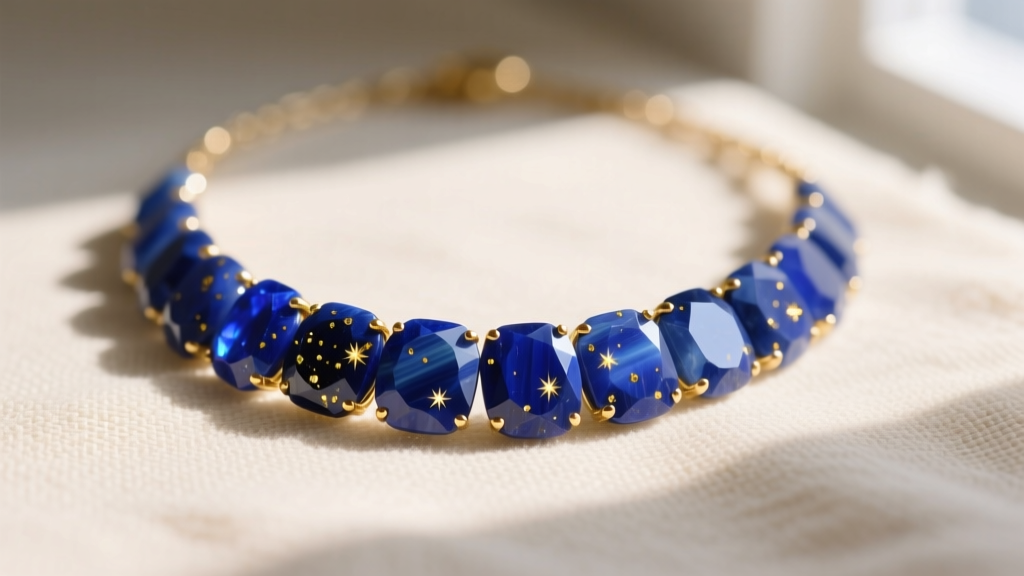
There is something undeniably magnetic about the deep, celestial blue of lapis lazuli. For centuries, this semi-precious stone has been prized by royalty and artisans alike, but you do not need a pharaoh's budget to enjoy its beauty today. The lapis lazuli chip necklace has emerged as a staple in modern bohemian and minimalist jewelry boxes, offering an organic, textured aesthetic that perfectly bridges the gap between casual daytime wear and elegant evening layering. Unlike perfectly symmetrical, machine-cut beads, chip beads are tumbled into irregular, freeform shapes, giving every single strand a unique, earthy fingerprint.
However, the popularity of this stone has also flooded the market with imitations, dyed stones, and poorly constructed strands that snap under their own weight. Whether you are a crystal enthusiast, a vintage jewelry collector, or simply someone looking to add a pop of rich color to your wardrobe, navigating the lapis market requires a bit of gemological know-how. This beginner-friendly guide will walk you through the exact specifications, identification techniques, and styling frameworks you need to confidently choose and wear a lapis lazuli chip necklace.
The Anatomy and Origins of Lapis Lazuli Chips
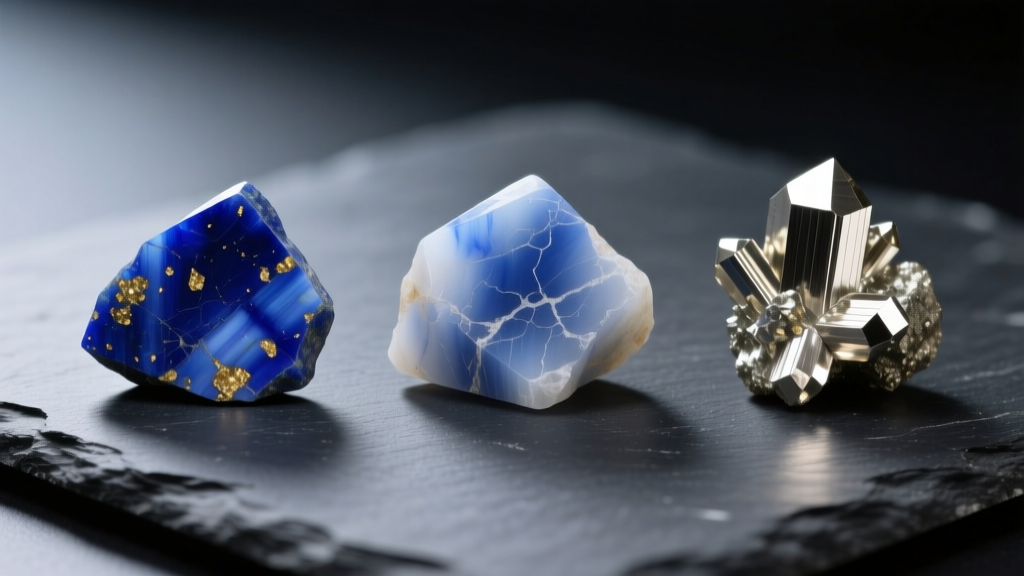
To truly appreciate a lapis lazuli chip necklace, you must first understand what you are wearing. Lapis lazuli is not actually a single mineral, but rather a metamorphic rock composed primarily of lazurite (which provides the intense blue color), calcite (white streaks), and pyrite (golden metallic flecks). According to the Gemological Institute of America (GIA), the most prized lapis lazuli in the world comes from the Sar-e-Sang mines in the Badakhshan province of Afghanistan, a region that has been continuously mining the stone for over 6,000 years.
When shopping for chip necklaces, you will generally encounter two main color profiles based on geographic origin:
- Afghan Lapis: Features a deep, intense, almost indigo "royal blue" hue with minimal white calcite and highly visible, evenly distributed golden pyrite inclusions. This is the premium grade and commands a higher price point.
- Chilean or Russian Lapis: Tends to exhibit a slightly lighter, greenish-blue or grayish-blue tone, often with more prominent white calcite webbing and fewer pyrite flecks. While still beautiful and entirely natural, it is generally more affordable.
Chip beads are created by taking lower-grade or rough lapis material, fracturing it, and tumbling it until the sharp edges are smoothed out. Because they are irregular, a strand labeled as "8mm chips" will feature stones ranging from 5mm to 11mm, creating a dynamic, undulating texture when draped around the neck.
Real vs. Fake: A Beginner's Identification Checklist
Because high-quality Afghan lapis is expensive, the market is saturated with fakes. The most common culprit is howlite or magnesite—cheap, porous white stones that are vacuum-dyed a vibrant blue. Another common deception is "reconstituted" lapis, which is essentially lapis dust mixed with resin and pressed into molds. Here is a practical framework to ensure your lapis lazuli chip necklace is the real deal.
| Diagnostic Feature | Genuine Lapis Lazuli | Dyed Howlite / Magnesite | Reconstituted / Synthetic |
|---|---|---|---|
| Color Distribution | Slightly uneven, deep royal blue with natural gradients | Overly uniform, unnaturally bright or neon blue | Flat, plastic-like blue with zero depth |
| Inclusions | Golden pyrite flecks and occasional white calcite veins | None, or crudely painted fake gold specks | Uniformly distributed "dust" with no distinct flecks |
| The Acetone Test | No color transfer when rubbed with a nail polish remover pad | Blue dye immediately rubs off onto the pad | No color transfer (but feels like plastic/resin) |
| Temperature | Feels noticeably cool to the touch initially | Warms up quickly in the hand | Feels room temperature or slightly warm |
| Price Range (18" Strand) | $35 - $90+ | $8 - $18 | $15 - $30 |
Pro Tip: Always perform the acetone test on a single, discreet chip bead near the clasp before wearing the necklace against your skin, as dyed stones can stain your collarbones when you sweat.
Sizing, Proportions, and Hardware Considerations
The beauty of a chip necklace lies in its drape, which is heavily dictated by the size of the chips and the overall length of the strand. For beginners, understanding these proportions is critical to achieving the desired look.
Chip Size Categories
- Micro Chips (3mm - 5mm): Delicate and lightweight. These drape almost like a liquid chain and are perfect for subtle, minimalist layering or wearing multiple strands twisted together.
- Standard Chips (6mm - 9mm): The most versatile size. They offer substantial visual weight and texture without feeling heavy or choking the neck.
- Nugget Chips (10mm - 15mm): Bold, chunky, and highly textured. These make a massive statement and are best worn as a single, standalone piece over high-necked garments or simple tees.
Stringing Material and Clasps
A common failure point in cheap gemstone necklaces is the stringing material. Because lapis chips have irregular, sometimes slightly sharp drill holes, they can easily fray and snap standard cotton or silk threads over time. Look for necklaces strung on 49-strand stainless steel tiger-tail wire coated in nylon. This provides the necessary tensile strength to hold the heavy stones while remaining flexible enough to drape beautifully. Additionally, because a standard 18-inch strand of 8mm lapis chips can weigh upwards of 60 grams, avoid tiny, flimsy spring-ring clasps. Opt for a sturdy lobster claw clasp or a high-quality neodymium magnetic clasp for easy on-and-off wear.

Mastering the Layering Technique
The organic, imperfect texture of a lapis lazuli chip necklace makes it an absolute masterclass in layering. However, pairing it with the wrong metals or chain styles can result in a cluttered, chaotic look. The secret to successful layering is contrasting textures while harmonizing colors.
Lapis lazuli contains iron-rich pyrite, which gives it those signature golden flecks. Therefore, yellow gold is the ultimate metal pairing for lapis. The warm tones of the gold amplify the pyrite inclusions, making the blue appear even richer. If you prefer silver, opt for oxidized or antiqued sterling silver, which complements the earthy, ancient vibe of the stone much better than highly polished, mirror-finish silver.
The 3-Piece Layering Formula
- The Base (14" - 16"): Start with a micro-chip lapis lazuli choker or a delicate gold snake chain. This sits snugly at the base of the throat.
- The Focal Point (18" - 20"): This is where your standard lapis lazuli chip necklace lives. Let the irregular beads provide the visual weight and color block.
- The Pendant (22" - 24"): Finish with a longer, fine-link chain featuring a single, solid gold or brass geometric pendant (like a simple bar, a coin, or a raw diamond). This draws the eye downward and elongates the torso.
When wearing this stack, keep your neckline simple. A crisp white button-down, a solid black turtleneck, or a neutral linen V-neck will allow the complex blues and golds of the lapis to take center stage without competing with busy fabric patterns.
Care, Maintenance, and Longevity
Lapis lazuli is a relatively soft and porous stone. According to mineralogical data from Mindat.org, lapis registers between 5 and 5.5 on the Mohs hardness scale. This means it can be easily scratched by harder materials like quartz, topaz, or even dust particles. Furthermore, its calcite content makes it highly sensitive to acids and harsh chemicals.
To ensure your lapis lazuli chip necklace lasts a lifetime, follow these strict maintenance protocols:
- Avoid Ultrasonic Cleaners: The high-frequency vibrations can fracture the stone along its natural calcite veins, and the heat can damage the nylon coating on the stringing wire.
- The "Last On, First Off" Rule: Always put your lapis necklace on after applying perfume, hairspray, and lotions. The alcohol and chemicals in cosmetics can strip the stone's natural polish and degrade the dye if the stone has been color-enhanced.
- Proper Cleaning: If the stones become dull from skin oils, simply wipe them down with a soft, lint-free microfiber cloth slightly dampened with lukewarm water. Never use commercial jewelry dips or acidic cleaners like vinegar or lemon juice, as these will literally dissolve the white calcite matrix, leaving pitted, damaged beads.
- Storage: Store your lapis necklace flat in a soft pouch, separate from your diamond or sapphire jewelry, to prevent the harder gems from scratching the lapis surface.
By understanding the geological nuances, knowing how to spot a fake, and applying deliberate styling techniques, your lapis lazuli chip necklace will transition from a simple accessory to a cornerstone of your personal jewelry collection. Embrace the imperfections of the chips, and let the ancient, starry blue of the stone elevate your everyday style.


