How to Choose a Large Flower Necklace: The Ultimate Buying Guide
Discover how to choose the perfect large flower necklace. Our buying guide covers weight distribution, chain gauges, enamel types, and neckline pairing.

The Anatomy of a Statement Floral Piece
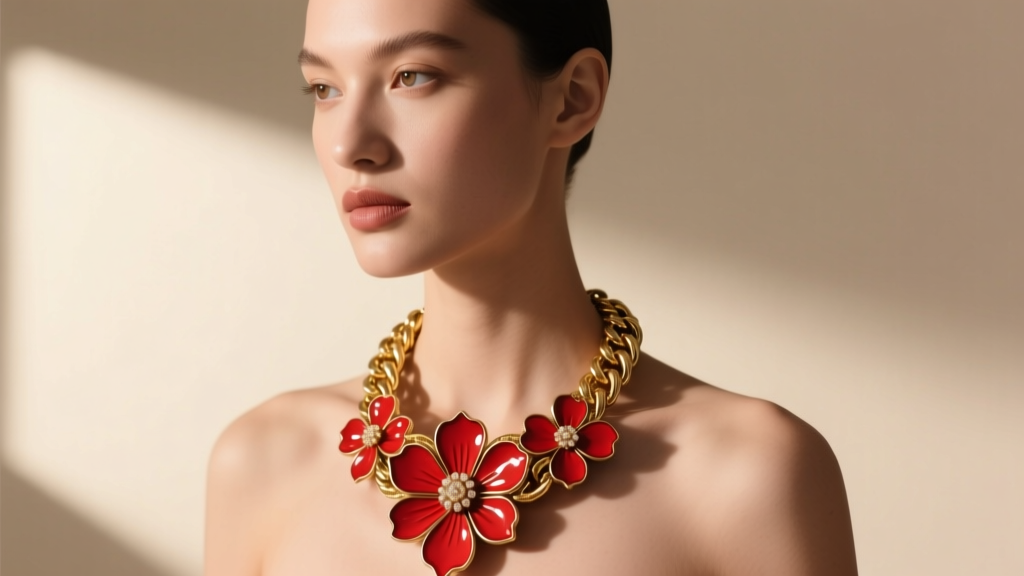
When investing in a large flower necklace, the visual impact is only half the equation. A true statement floral piece typically features a pendant face measuring 2.5 to 4 inches in diameter, making it an undeniable focal point. However, the sheer scale of these botanical designs introduces unique structural challenges. Unlike delicate solitaire pendants, oversized florals must balance physical weight, center of gravity, and material durability to ensure they drape elegantly rather than pulling uncomfortably on the neck.
In this comprehensive buying guide, we move beyond surface-level aesthetics to examine the engineering, material science, and styling mechanics that separate a high-quality floral statement piece from a poorly constructed novelty item. Whether you are eyeing a vintage-inspired champlevé bloom or a modern, avant-garde resin orchid, understanding these technical details is crucial for making a purchase you will actually enjoy wearing.
Material Breakdown: Enamel, Resin, and Metal
The petals of a large flower necklace dictate its weight, color vibrancy, and longevity. Jewelers primarily rely on three material categories to achieve the lush, multi-dimensional look of oversized botanicals. Understanding the difference between these materials will heavily influence both the price point and the care requirements of your necklace.
Vitreous Enamel vs. Cold Enamel
Vitreous enamel is essentially crushed glass fused to a metal backing at extreme temperatures. Techniques like guilloché (enamel over engraved metal) or cloisonné (enamel separated by fine wire) yield unparalleled depth and a gem-like luster that will never fade. However, vitreous enamel is heavy and inherently brittle; a dropped pendant can crack or shatter.
Cold enamel, technically a two-part epoxy resin, is the modern alternative for oversized jewelry. It is significantly lighter, shatter-resistant, and capable of producing opaque, hyper-vibrant colors. While high-grade jeweler's resins are durable, lower-quality epoxies can yellow or degrade when exposed to prolonged UV light and cosmetics. According to the Gemological Institute of America (GIA), proper identification and care of enamel and resin composites are essential for preserving the integrity of statement jewelry over time.
Stamped Base Metal vs. Cast Precious Metal
For the metallic framework of the flower, stamped brass or copper is frequently used for large-scale pieces to keep the weight manageable and the price accessible. Stamping creates a lightweight, hollow-backed petal. Conversely, cast sterling silver or gold provides a luxurious heft and superior tarnish resistance but can easily push a 3-inch pendant past the 80-gram mark, requiring heavy-duty hardware.
| Material Type | Avg. Weight (3-inch Bloom) | Durability & Risks | Estimated Price Range |
|---|---|---|---|
| Vitreous Enamel on Silver | 55 - 85 grams | High scratch resistance; prone to shattering if dropped | $250 - $800+ |
| Cold Enamel (Resin) on Brass | 30 - 50 grams | Shatterproof; risk of UV yellowing and cosmetic staining | $60 - $180 |
| Solid Cast Sterling Silver | 65 - 100+ grams | Highly durable; requires regular polishing to prevent tarnish | $150 - $450 |
| Stamped Brass/Copper | 20 - 35 grams | Lightweight; prone to denting and skin discoloration if unplated | $35 - $90 |
Weight & Hardware: The Hidden Dealbreakers
The most common point of failure in statement jewelry is the hardware. A beautiful, heavy large flower necklace will quickly become unwearable if it is suspended from an inadequate chain or secured by a weak clasp. The physics of a top-heavy pendant requires a deliberate approach to chain gauge and clasp mechanics.
Chain Gauge and Tensile Strength
A standard 1mm cable chain is rated for roughly 10 to 15 grams of static weight. When you add the dynamic force of walking, bending, and adjusting your clothing, a 50-gram floral pendant will quickly stretch the links or snap the chain entirely. For any large flower necklace exceeding 30 grams, you must look for a chain gauge between 2.5mm and 4.0mm.
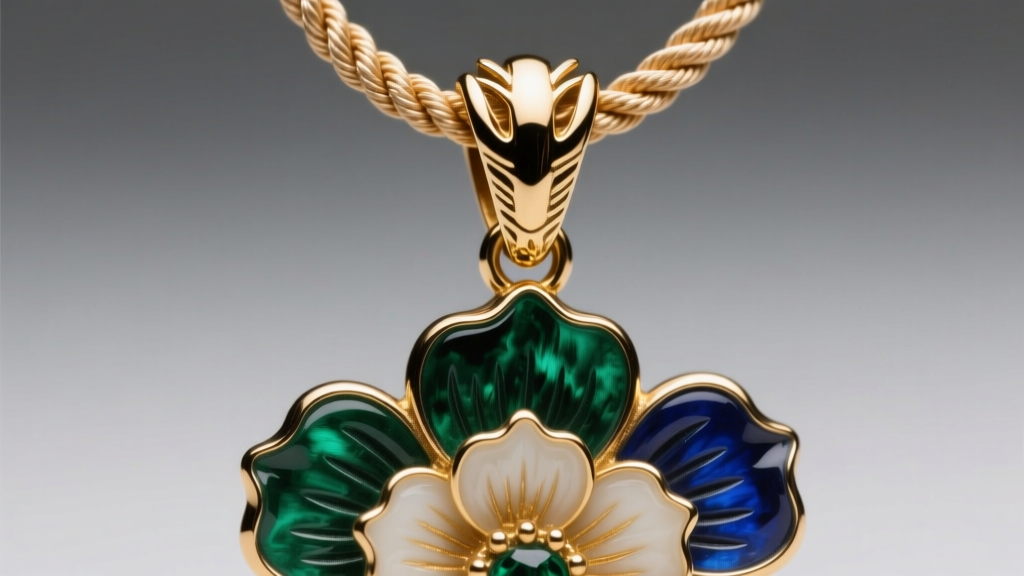
- Rope Chains (2.5mm - 3.5mm): Excellent tensile strength and a twisted texture that complements organic floral designs. The interwoven links distribute weight evenly.
- Curb Chains (3.0mm - 4.0mm): Flat, interlocking links that lay flush against the chest, providing a sturdy, modern contrast to delicate petal shapes.
- Figaro Chains (3.0mm+): Offers a vintage aesthetic that pairs beautifully with antique-style floral lockets and enameled blooms, though the alternating link sizes can occasionally snag on intricate bail designs.
For deep technical specifications on chain tensile strength and link structural integrity, industry-standard jewelry suppliers like Rio Grande provide exhaustive metallurgical data that underscores why thicker gauges are non-negotiable for heavy pendants.
Clasp Mechanics and the Bail
Do not accept a standard 8mm spring-ring clasp on a heavy statement piece; the internal spring mechanism will eventually fail under the pendant's pendulum-like motion. Insist on a 12mm to 15mm lobster clasp, which features a solid internal lever and a wider gate. Alternatively, high-strength neodymium magnetic clasps are excellent for heavy necklaces, as they eliminate the struggle of securing a tiny trigger behind your neck while supporting substantial weight.
Equally important is the bail—the loop connecting the flower to the chain. The inner diameter of the bail must be at least 1.5mm wider than the chain's thickness to allow the pendant to articulate freely. If a 3mm rope chain is forced through a tight 3.5mm bail, the metal will grind against the chain links, causing premature wear and restricting the flower's ability to lay flat against your collarbone.
Proportion & Neckline Pairing Framework
A large flower necklace is an exercise in scale. To prevent the piece from overwhelming your frame or looking like a costume prop, you must map the pendant's diameter to your neckline and torso length.
"The golden rule of statement botanicals is negative space. The flower needs a canvas of bare skin or unbroken fabric to anchor the eye; otherwise, the intricate petal details are lost in visual clutter."
Optimal Neckline Pairings
- Sweetheart Necklines: The natural framing of a sweetheart cut perfectly cradles a 2.5 to 3-inch floral pendant, allowing the bottom petal to rest just above the bodice seam.
- Deep V-Necks: Ideal for elongated floral designs (like orchids or lilies) or Y-drop necklaces where the flower acts as the terminal weight. The V-shape draws the eye directly down to the bloom.
- Scoop Necks: Best suited for wider, symmetrical flowers (like daisies or peonies) that sit horizontally across the collarbone. Ensure the chain length is 16 to 18 inches so the flower sits above the fabric line.
- Necklines to Avoid: Crew necks, turtlenecks, and high boat necks. These silhouettes crowd the base of the throat, causing a large pendant to flip upside down or rest awkwardly on the collarbone.
Quality Control: What to Inspect Before Checkout
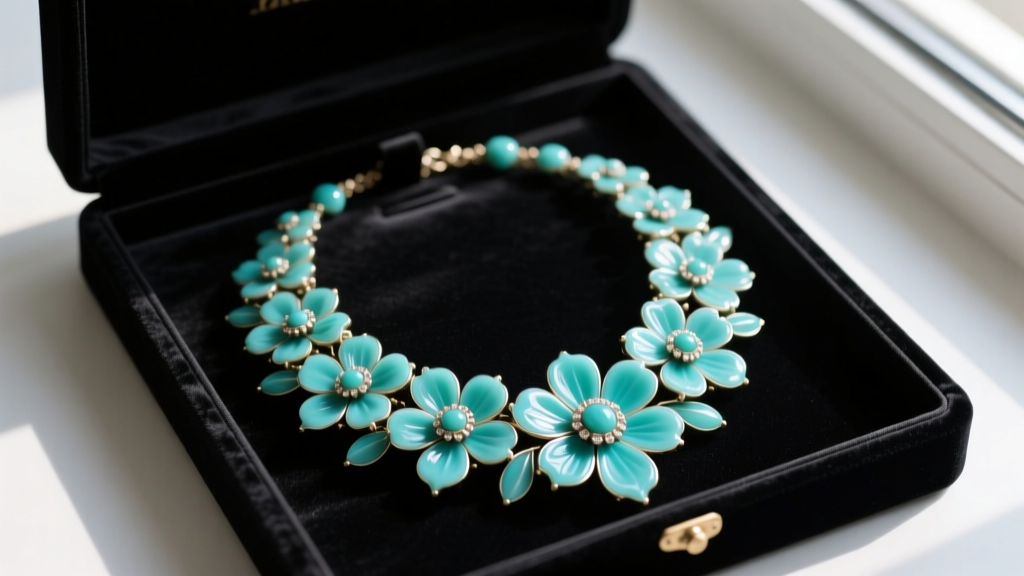
Whether you are buying from an artisan on Etsy, a vintage dealer, or a contemporary boutique, run through this physical inspection checklist to ensure your large flower necklace is built to last:
- Petal Edge Finishing: Run your finger along the outer edges of the metal petals. Stamped metals often leave microscopic burrs or sharp edges that can snag on silk blouses or scratch the skin. High-quality pieces are tumbled and hand-filed smooth.
- Enamel/Resin Bleed: Inspect the boundary where the colored enamel meets the metal wire or bezel. There should be a crisp, clean line. Sloppy application or 'bleeding' over the metal borders is a hallmark of mass-produced, low-quality manufacturing.
- Solder Point Integrity: Examine where the bail is attached to the back of the flower. It should be fully soldered with a smooth bead of metal. If it is merely glued or held by a tiny, weak jump ring, the pendant will detach under its own weight.
- The Drape Test: If shopping in person, hold the necklace up by the clasp. The flower should hang perfectly vertical. If it lists to one side, the bail is off-center or the internal weight distribution of the cast metal is flawed, meaning it will sit crookedly on your chest.
Final Verdict
A beautifully crafted large flower necklace is a wearable work of art that commands attention and elevates even the simplest wardrobe. By prioritizing structural integrity—demanding the correct chain gauge, verifying the clasp rating, and understanding the material limitations of enamel and resin—you ensure that your statement piece remains a cherished, functional part of your collection for decades. Never sacrifice engineering for aesthetics; the best floral jewelry seamlessly marries both.


