How to Choose a Large Necklace: Weight, Clasps & Proportions
Discover how to choose a large necklace that stays comfortable. Learn about weight distribution, heavy-duty clasps, and ideal neckline pairings.

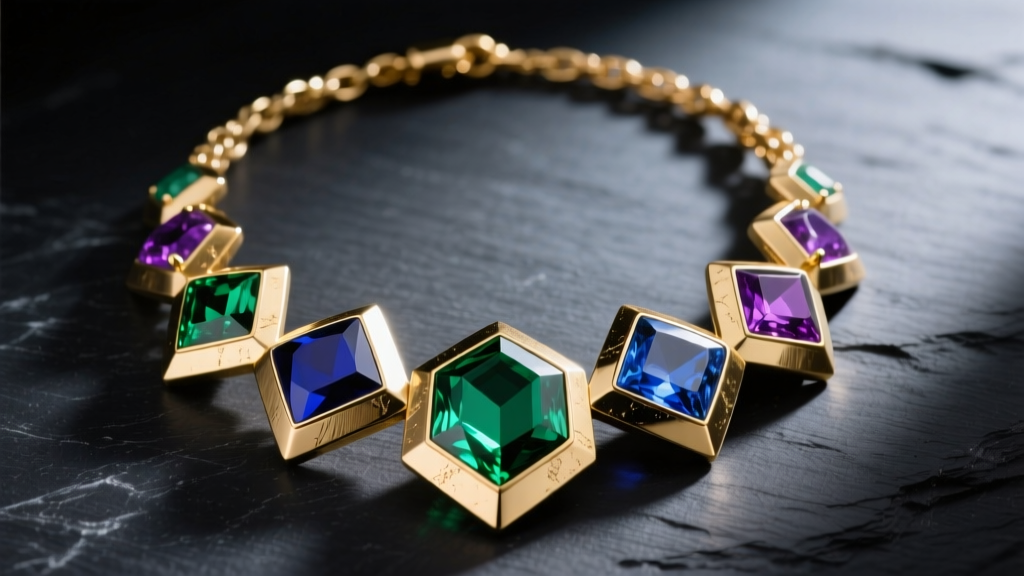
A beautifully crafted large necklace can instantly elevate an outfit, serving as the undisputed focal point of your ensemble. However, the transition from a delicate chain to a substantial statement piece introduces complex structural challenges. When you invest in a large necklace—whether it is a sprawling bib, a heavy metallic collar, or an oversized gemstone pendant—you are no longer just buying jewelry; you are buying wearable engineering. If the weight distribution, hardware, and metallurgy are not up to par, the piece will spin, pull at your nape, or worse, break under its own dynamic force.
This comprehensive buying guide breaks down the exact specifications you need to look for when shopping for substantial neckwear in 2026, ensuring your investment is as comfortable and durable as it is visually striking.
The Physics of Statement Jewelry: Weight and Balance
The most common complaint among buyers of heavy jewelry is the "pendulum effect." When a large necklace exceeds 80 grams, gravity and momentum take over. If the center of gravity is heavily biased toward the front (such as a massive 60-gram pendant on a lightweight 20-gram chain), the necklace will constantly swing, choke the wearer, and slide off the collarbone.
"A well-designed statement piece must incorporate a counterbalance. For every 50 grams of frontal weight, a master jeweler will integrate a 15 to 20-gram counterweight at the nape to anchor the piece securely against the body."
When evaluating a large necklace, check the back of the chain. High-end designers often hide lead-free brass or tungsten counterweight beads near the clasp. If the piece lacks a counterweight, ensure the chain itself is substantial enough to provide distributed mass.
Chain Weave Structural Integrity
Not all chains can support heavy loads. The weave dictates the tensile strength and how the metal interacts with your skin and clothing.
- Cable Chains: Composed of uniform oval links. These are the weakest points for heavy pendants, as stress is concentrated on single soldered joints. Avoid for pieces over 40 grams.
- Wheat and Rope Chains: Interwoven, multi-directional links that distribute tensile stress across multiple contact points. These are the gold standard for supporting heavy, large pendants without stretching.
- Curb and Figaro Chains: Excellent for standalone heavy collars because they lay flat against the chest, but ensure the links are diamond-cut and perfectly flush to prevent painful hair-pulling.
Hardware That Holds: Clasp and Jump Ring Specifications
The hardware is the single most critical failure point on any large necklace. Standard spring-ring clasps and lightweight lobster claws are engineered for delicate chains and will inevitably snap or pull open under the dynamic weight of a statement piece (which increases when you bend over or move quickly).
According to manufacturing standards detailed by jewelry suppliers like Rio Grande, the jump rings connecting the clasp to the chain must be soldered shut or forged from thick wire. For a large necklace, jump rings should be a minimum of 14-gauge (1.63mm) or ideally 12-gauge (2.05mm) to prevent pulling open.
Clasp Weight Capacity Matrix
Use this chart to verify if the hardware on your prospective necklace matches its physical weight.
| Clasp Type | Max Weight Capacity | Best Application | Security Rating |
|---|---|---|---|
| Standard Lobster Claw | 30g - 45g | Light pendants, delicate chains | Low |
| Magnetic Tongue Clasp | 50g - 70g | Medium collars, easy-access needs | Medium (Requires safety chain) |
| Fold-Over Push Clasp | 60g - 90g | Chunky chain links, hinged bangles | Medium-High |
| Box Clasp with Double Safety | 80g - 150g+ | Heavy bibs, large gemstone necklaces | Very High |
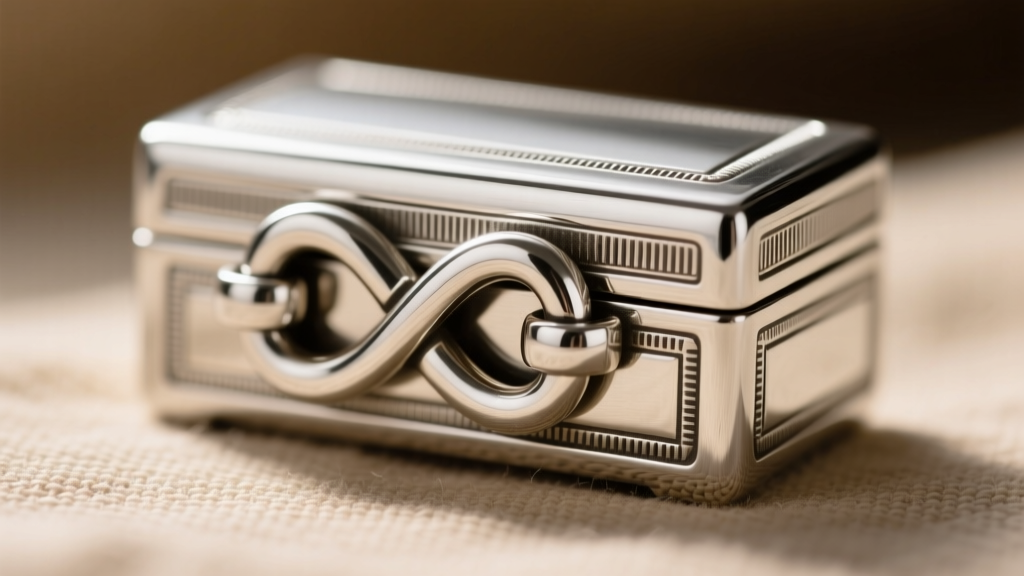
Always look for a box clasp equipped with dual figure-eight safety catches. This redundancy ensures that even if the primary tongue mechanism loosens over time, the secondary wire catches will keep the large necklace securely around your neck.
Material Selection for High-Contact Areas
A large necklace covers a significant surface area of the décolletage and nape. This increased skin contact amplifies the risk of galvanic reactions, contact dermatitis, and the dreaded "green skin" effect caused by copper and brass oxidizing against human sebum and sweat.
The American Academy of Dermatology frequently identifies nickel and cobalt as primary culprits in jewelry-induced allergic contact dermatitis. When buying a large statement piece, scrutinize the base metal and the finishing technique.
Plating Thickness and PVD Technology
If you are purchasing fashion or demi-fine jewelry, the plating thickness dictates the lifespan of the piece. Standard "flash plating" applies a microscopic layer of gold (usually 0.05 microns) that will wear off within weeks of heavy friction. For a large necklace that rests directly on the skin, demand Physical Vapor Deposition (PVD) coating or heavy gold vermeil.
- Gold Vermeil: Must have a sterling silver base with a minimum of 2.5 microns of 10k+ gold.
- PVD Coating: A modern 2026 standard where titanium nitride is vaporized and bonded to stainless steel. It is highly hypoallergenic, sweat-resistant, and typically ranges from 0.5 to 1.0 microns in thickness, outlasting traditional electroplating by years.
- Solid Metals: 316L surgical stainless steel, niobium, titanium, or solid 14k/18k gold remain the safest bets for sensitive skin.
Proportion and Neckline Pairing Framework
The visual success of a large necklace relies entirely on geometric harmony with your clothing's neckline. A mismatched proportion can look cluttered or physically restrict your movement.

The V-Neck and Scoop Matrix
For V-necklines, the goal is to echo the garment's geometry. Opt for a large Y-shaped lariat or a heavy pendant that terminates just above the apex of the V. Avoid wide, horizontal bib necklaces, as they will visually clash with the vertical plunge of the fabric.
For Scoop necklines, the canvas is wide and curved. This is the ideal environment for sprawling bib necklaces, multi-strand collars, and wide, rigid chokers that follow the natural curve of the collarbone without overlapping the fabric edge.
Turtlenecks and High Collars
When wearing high necklines, the necklace must sit entirely on top of the fabric. Friction between metal and wool or cotton can cause severe pilling and degrade the jewelry's finish. For turtlenecks, choose a large necklace with a smooth, polished backplate, or opt for a heavy, oversized opera-length chain (28 to 32 inches) that rests on the sternum, completely bypassing the high collar.
Pricing Tiers and What to Expect
Understanding the market tiers will help you identify whether a large necklace is priced fairly based on its structural and material integrity.
- Fashion / Architectural Brass ($40 - $120): Expect bold, oversized resin or acrylic elements with PVD-coated brass chains. Hardware is usually standard lobster claws; check the weight to ensure it doesn't exceed the clasp's limit.
- Demi-Fine / Heavy Vermeil ($150 - $450): Solid sterling silver bases with thick 2.5-micron gold plating. You should expect upgraded hardware like magnetic clasps or single-safety box clasps, and semi-precious stone cabochons.
- Fine Jewelry / Solid Gold ($1,200 - $5,000+): Solid 14k or 18k gold, often hollowed out using electroforming techniques to reduce weight without sacrificing visual volume. Will feature premium box clasps with double safeties and soldered jump rings.
By prioritizing weight distribution, heavy-duty hardware, and skin-safe metallurgy, you can confidently invest in a large necklace that remains a comfortable, secure, and breathtaking staple in your wardrobe for decades to come.


