Is a Large Silver Chain Necklace Worth the Investment?
Discover how to assess the true value of a large silver chain necklace. Learn pricing formulas, weight metrics, and how to avoid overpaying.

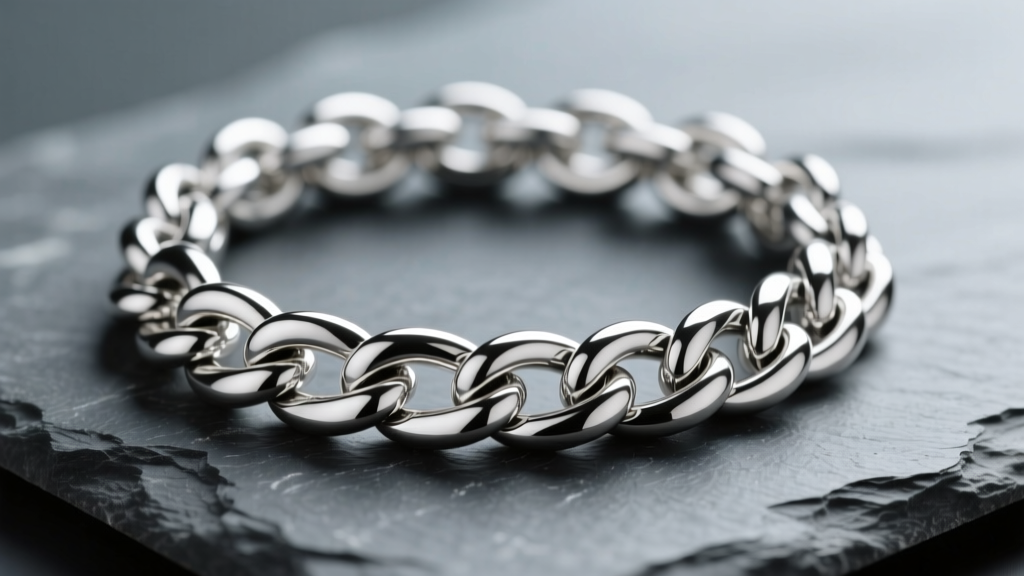
The appeal of a large silver chain necklace is undeniable. It serves as a foundational anchor for streetwear, a bold statement piece for minimalist outfits, and a timeless asset that transcends seasonal micro-trends. However, as the demand for oversized, heavy-link jewelry has surged, so too has the market's saturation with overpriced, poorly constructed, or deceptively marketed pieces. When you are spending hundreds of dollars on a substantial neck piece, you are not just buying an accessory; you are acquiring a precious metal asset.
To determine if a specific piece is genuinely worth your hard-earned money, you must look past the brand name and evaluate the metallurgy, the craftsmanship, and the current commodities market. This comprehensive value assessment guide will teach you how to calculate the fair market value of silver chains, understand the structural compromises of budget jewelry, and spot red flags before you checkout.
The True Cost of a Large Silver Chain Necklace in Today's Market
Unlike gold or platinum, silver is highly accessible, but its price is still tethered to the global commodities market. To assess value, you must first understand the raw material cost. Precious metals are measured in troy ounces (31.1 grams). According to live market data from Kitco, silver spot prices fluctuate daily. If the spot price is hovering around $28.00 per troy ounce, the raw melt value of pure silver is approximately $0.90 per gram.
Jewelry is rarely made of pure (999) silver because it is too soft to hold complex link structures. Instead, the industry standard is 925 Sterling Silver, which contains 92.5% pure silver and 7.5% alloy metals (usually copper) for tensile strength. Therefore, the baseline melt value of 925 silver is roughly $0.83 per gram. If you are looking at a solid, 120-gram large silver chain necklace, the intrinsic raw metal value is roughly $100. Any price tag significantly detached from this baseline requires justification through exceptional craftsmanship or verified brand equity.
Solid 925 Sterling vs. Heavy Silver Plate: A Value Breakdown
When shopping for budget-friendly large chains, you will inevitably encounter terms like 'silver-filled' or 'heavy silver plate.' Understanding the structural differences is critical for long-term value retention.
| Material Grade | Core Metal | Silver Content | Lifespan & Durability | Avg. Price (22-inch, 10mm) |
|---|---|---|---|---|
| Solid 925 Sterling | Silver/Copper Alloy | 92.5% Pure Silver | Lifetime; can be polished and soldered | $150 - $400+ |
| Silver-Filled | Brass or Copper | 5% - 10% Pure Silver | 5-10 years; thick layer resists tarnish | $60 - $120 |
| Heavy Silver Plate | Brass or Nickel | < 1% Pure Silver | 1-3 years; prone to flaking and green skin | $30 - $80 |
| Tibetan / Alpaca | Zinc, Nickel, Copper | 0% (Zero Silver) | Poor; high tarnish and allergy risk | $15 - $40 |
For a piece meant to be worn daily, solid 925 is the only option that retains residual melt value. Silver-filled chains offer a respectable budget alternative for visual weight, but they cannot be melted down or easily repaired by a jeweler if a link snaps.
Chain Link Architecture: Maximizing Visual Weight on a Budget
If your budget does not allow for a 150-gram solid chain, you can leverage chain architecture to achieve the aesthetic of a massive piece without the prohibitive weight. Jewelers manipulate volume and light reflection to create 'visual weight.'
The Gram-to-Volume Ratio
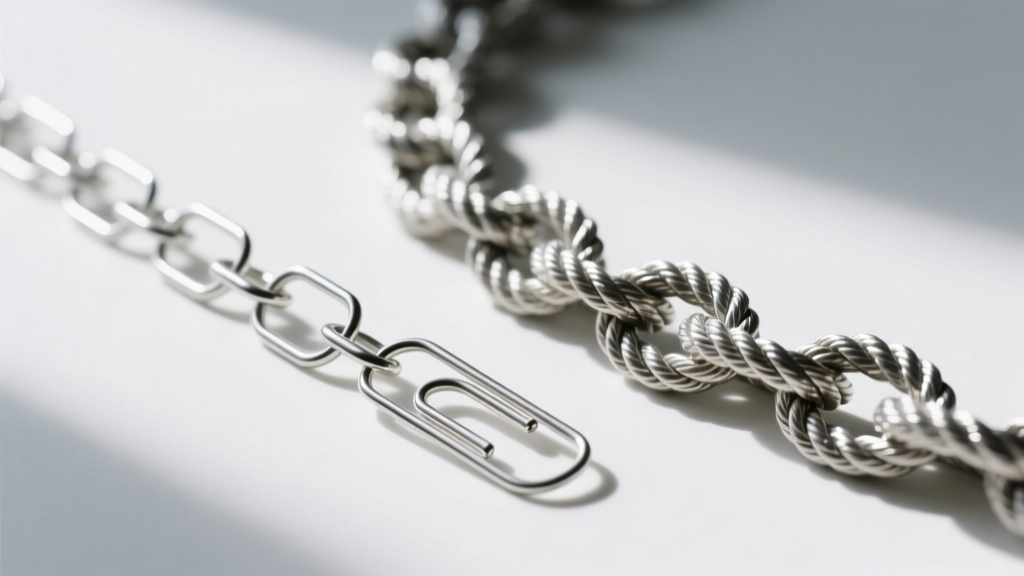
- Paperclip Chains (Hollow): By utilizing hollow, elongated rectangular links, manufacturers can create a 12mm wide chain that weighs a mere 35 grams. The visual footprint is massive, but the structural integrity is lower; hollow links can dent if crushed.
- Cuban Link Chains (Solid Flat): The classic interlocking flat link sits flush against the collarbone. A solid 10mm Cuban chain will weigh significantly more than a paperclip chain of the same width, offering superior durability and a satisfying, heavy drape.
- Rope Chains (Twisted): Rope chains rely on light refraction. The twisted links catch the light from multiple angles, making a relatively thin 6mm rope chain appear much thicker and more substantial than a flat cable chain of the exact same gram weight.
How to Calculate the Fair Market Value (FMV)
To avoid overpaying, apply the FMV formula used by precious metal appraisers. The fair price of a large silver chain necklace is calculated as follows:
FMV = (Current Spot Price per Gram × 0.925 × Total Gram Weight) + Craftsmanship Markup + Brand Premium
The Craftsmanship Markup accounts for the labor of casting, linking, soldering, and polishing. For mass-produced chains from direct-to-consumer wholesalers, this markup is typically 20% to 50% over the melt value. For hand-forged, artisan-linked chains, a 100% to 200% markup is entirely justified due to the hours of bench work required.
The Brand Premium is where most consumers lose money. Paying a 1,000% markup simply for a luxury fashion house's logo stamped on the clasp of a standard, machine-made Cuban link is a poor financial decision from a value-assessment perspective. Always prioritize the metal weight and the quality of the clasp over the brand name.
Red Flags When Shopping for Budget Silver Chains
The secondary market and fast-fashion outlets are rife with deceptive practices. The Gemological Institute of America (GIA) warns consumers to be vigilant about hallmark misrepresentation. Here is what to watch out for:
- The Magnet Test Failure: Silver is diamagnetic. If your large chain is attracted to a strong neodymium magnet, the core is likely steel or iron, meaning it is a cheap counterfeit.
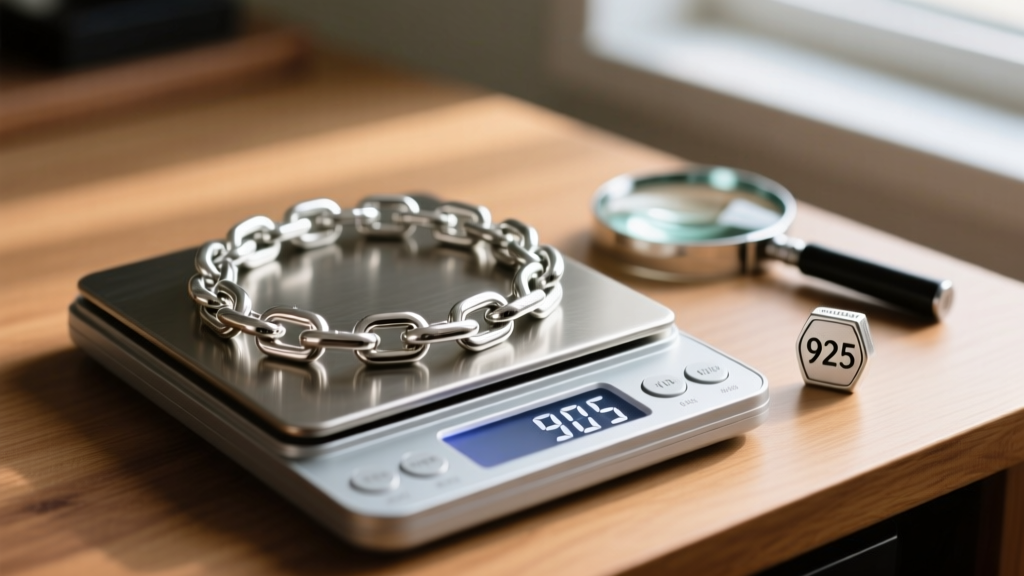
- Missing or Suspicious Hallmarks: A genuine piece will feature a '925', 'Ster', or 'Sterling' stamp, usually located on the back of the clasp or the first link. Beware of stamps like '925 Filled' or '925 EP' (Electroplated), which are oxymorons designed to confuse buyers.
- The 'Tarnish' Excuse: While real silver does tarnish due to the copper alloy reacting with sulfur in the air, it should polish back to a brilliant white luster. If polishing reveals a yellowish (brass) or grayish (nickel) base metal beneath, you have purchased a plated chain marketed as solid.
Final Verdict: Is the Investment Worth It?
A large silver chain necklace is absolutely worth the investment, provided you approach the purchase as a precious metal acquisition rather than a fleeting fashion trend. By calculating the melt value, understanding the structural compromises of hollow versus solid links, and demanding verifiable 925 hallmarks, you can secure a statement piece that not only elevates your wardrobe but also retains intrinsic financial value for decades to come. Skip the plated novelties, weigh your options literally and figuratively, and invest in solid silver that will outlast the trends.


