White House Black Market Necklace: Material & Construction Guide
Discover the technical construction, base metals, and plating quality of a White House Black Market necklace, plus expert styling and care tips.

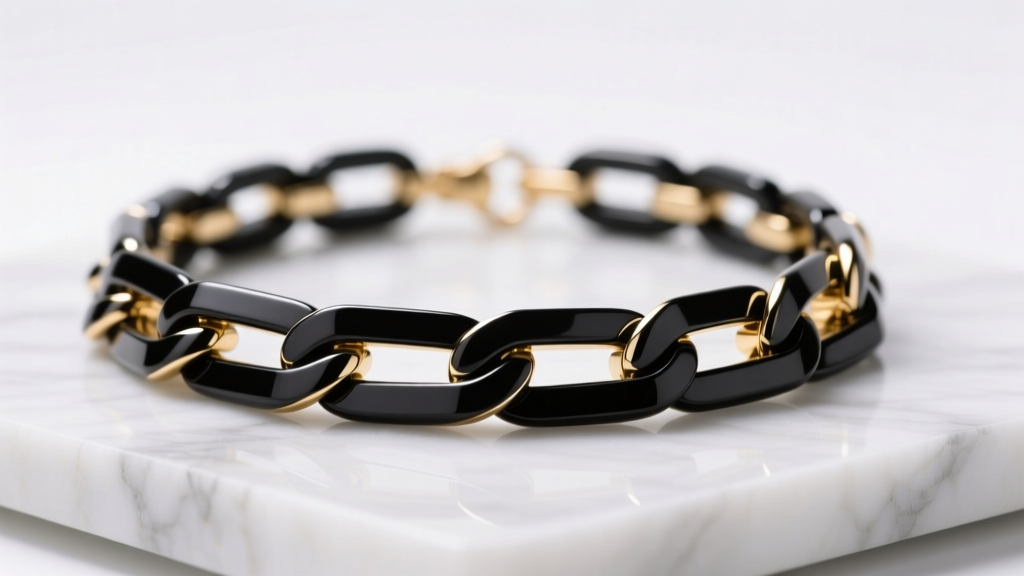
When curating a sophisticated, monochromatic, or high-contrast wardrobe, fashion jewelry serves as the critical anchor. Among accessible luxury and high-street brands, a White House Black Market necklace frequently stands out for its bold silhouettes, mixed-metal aesthetics, and trend-responsive designs. However, as any jewelry technician or seasoned collector will tell you, the visual appeal of fashion jewelry is only half the equation. To truly maximize your investment, you must understand the metallurgical realities, construction techniques, and material grades that dictate the lifespan and wearability of these pieces.
This expert deep dive deconstructs the anatomy of fashion necklaces from this specific retailer, moving beyond the showroom display to examine the base alloys, plating micron thicknesses, clasp mechanics, and stone-setting methodologies that define their structural integrity.
The Anatomy of Fashion Jewelry: Base Metals and Plating
Unlike fine jewelry crafted from solid 14k or 18k gold, a typical White House Black Market necklace relies on base metal alloys that are subsequently plated. Understanding these substrates is crucial for predicting durability and skin compatibility.
Zinc Alloy (Zamak) vs. Brass Substrates
For intricate, three-dimensional pendants and heavy statement collars, the brand frequently utilizes Zamak—a die-cast alloy composed of zinc, aluminum, magnesium, and copper. Zamak is favored in fashion jewelry manufacturing because it melts at a lower temperature, allowing for highly detailed, complex molds without the porosity issues common in cheap cast brass. However, Zamak is inherently brittle; if a heavy pendant is dropped on a hard surface, the alloy is more likely to fracture than bend.
Conversely, the chain links and structural jump rings are typically stamped or drawn from brass (an alloy of copper and zinc). Brass offers superior tensile strength and malleability, ensuring that the chain can withstand the daily friction of wear without snapping.
Plating Thickness and FTC Standards
The signature gold-tone and rhodium-tone finishes are achieved through electroplating. According to the Federal Trade Commission Jewelry Guides, the terminology used to describe plating is strictly regulated by micron thickness:
- Flash Plating: Less than 0.175 microns of gold. Often used in entry-level fashion jewelry to provide immediate color but offers minimal abrasion resistance.
- Gold Electroplate: A minimum of 0.175 microns (approximately 7 millionths of an inch). This is the standard for high-quality fashion necklaces, providing a durable barrier that can last 1 to 3 years with proper care.
- Heavy Gold Electroplate: A minimum of 2.5 microns. Rarely found in standard fashion retail due to cost constraints.
To prevent the base metals from migrating to the surface and causing tarnish or skin discoloration, a barrier layer—usually nickel or palladium—is applied before the final gold or rhodium tone. Individuals with contact dermatitis should be aware that if the outer plating wears through, exposure to the nickel barrier layer can trigger allergic reactions, a phenomenon well-documented by the American Academy of Dermatology.
| Feature | Fashion (e.g., WHBM) | Demi-Fine | Fine Jewelry |
|---|---|---|---|
| Base Metal | Zamak, Brass, Stainless Steel | Sterling Silver (925) | Solid 14k/18k Gold, Platinum |
| Surface Finish | Gold/Rhodium Electroplate (0.175μm) | Vermeil (min 2.5μm over Silver) | Solid Alloy Color |
| Stone Type | Glass, Resin, Acrylic, CZ | Semi-Precious, Lab-Grown | Natural Precious/Semi-Precious |
| Expected Lifespan | 1–5 Years (with strict care) | 5–15 Years | Generational / Heirloom |
Clasp Mechanics and Chain Durability
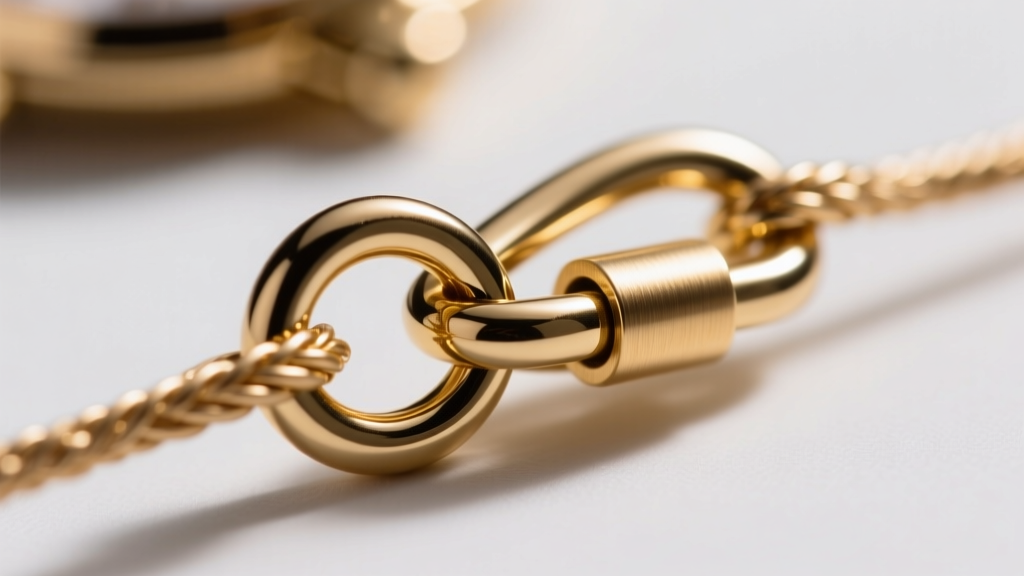
The failure point of 80% of fashion necklaces is not the chain itself, but the clasp assembly. When inspecting a White House Black Market necklace, pay close attention to the hardware.
Lobster vs. Spring Ring Clasps
The brand predominantly uses cast lobster clasps for their statement pieces. Cast clasps are thicker and feature a stronger internal steel spring mechanism compared to stamped sheet-metal lobster clasps. For lighter, delicate chains (typically 1.0mm to 1.5mm in gauge), you may find spring ring clasps. While spring rings are less obtrusive, their internal tension springs are prone to failing when exposed to cosmetic oils and lotions, which can gum up the microscopic sliding mechanism.
The Jump Ring Vulnerability
The jump ring connecting the clasp to the chain is almost exclusively unsoldered in fashion jewelry to keep manufacturing costs low. An unsoldered jump ring has a microscopic slit. Over time, the friction of the clasp rubbing against this slit can act like a saw, eventually wearing through the metal or prying the ring open. Expert Tip: Upon purchasing a new piece, use two pairs of flat-nose pliers to ensure the jump ring is perfectly flush, and consider having a local jeweler solder it shut for less than $15 to guarantee it never detaches.
Stone Settings and Embellishment Techniques
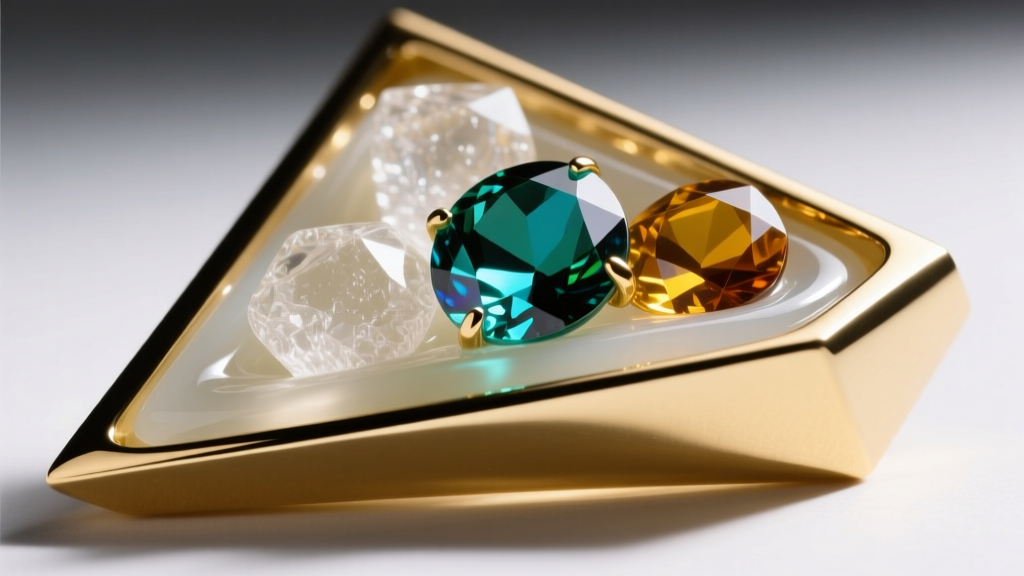
White House Black Market is renowned for its mixed-media necklaces, often combining faceted glass, opaque resin, and cubic zirconia (CZ). The method used to secure these materials drastically affects the necklace's longevity.
Prong and Bezel Settings (For CZ and Glass)
When the design features faceted cubic zirconia or high-grade cut glass, the manufacturer will use traditional prong or bezel settings. The metal is physically pushed over the girdle of the stone to lock it in place. This mechanical grip is highly secure and can withstand minor impacts without losing the stone.
Epoxy Cold-Setting (For Resin and Cabochons)
For opaque resin cabochons, acrylic elements, or irregularly shaped glass, the jewelry relies on two-part jeweler's epoxy. The stone is glued into a shallow metal cup (a 'cold setting'). While modern epoxies are incredibly strong, they are highly susceptible to chemical degradation. Alcohol-based perfumes, hand sanitizers, and the natural pH of human sweat can break down the epoxy bond over time, causing the stone to pop out. To mitigate this, always apply perfumes and hairsprays at least 10 minutes before putting on your necklace.
Maximizing Longevity: The Anti-Tarnish Protocol
Fashion jewelry requires a proactive maintenance strategy. Because the gold or rhodium plating is microscopically thin, the goal is to prevent abrasion and chemical oxidation. The Gemological Institute of America (GIA) recommends specific care protocols for plated jewelry that apply perfectly to these pieces:
- The pH and Sulfur Rule: Human sweat is slightly acidic, and sulfur in the air causes base metals to tarnish rapidly if the plating is compromised. Wipe the necklace down with a dry, lint-free microfiber cloth immediately after taking it off to remove acidic oils.
- Friction Management: Never wear a plated fashion necklace while exercising, showering, or sleeping. The friction of cotton sheets or gym wear acts like fine sandpaper, stripping the 0.175-micron plating layer in a matter of weeks.
- Hermetic Storage: Store the necklace in an airtight ziplock bag with a 3M anti-tarnish strip. Do not store multiple necklaces in the same bag, as the metal chains will scratch each other's plating during transit.
Styling Framework: Neckline Pairings for WHBM Silhouettes
Beyond construction, the true value of a White House Black Market necklace lies in its architectural styling. The brand excels at creating pieces that manipulate visual proportions. Use this technical framework to pair specific necklace silhouettes with your wardrobe:
- The Collar / Bib Necklace: Characterized by a rigid or semi-rigid structure that sits exactly at the base of the neck (14 to 15 inches). Best Pairing: Strapless, off-the-shoulder, or deep V-neck tops. The collar fills the negative space without competing with fabric lines.
- The Y-Necklace / Lariat: Features a central drop that extends past the collarbone (usually 20+ inches with a 3-inch drop). Best Pairing: Button-down shirts left slightly open, or high-necked sleeveless sheaths. The vertical drop creates an elongating optical illusion, drawing the eye downward and slimming the torso.
- The Layered Multi-Strand: A pre-constructed piece featuring 3 to 4 chains of varying gauges and lengths (e.g., 16', 18', and 20'). Best Pairing: Simple crew necks or boat necks. Because the necklace provides the complexity, the garment should remain a solid, unpatterned canvas—leaning into the brand's signature monochromatic black-and-white aesthetic.
By understanding the material science and structural realities of your fashion jewelry, you transition from a passive consumer to an informed curator. A White House Black Market necklace offers exceptional design and trend relevance; with the right technical care, it will maintain its brilliance and structural integrity for years to come.


