Laura Ingraham Cross Necklace: Complete Care & Cleaning
Learn how to properly clean, maintain, and store your Laura Ingraham cross necklace. Expert tips for gold, diamonds, and delicate chain links.


The Anatomy of a Broadcast-Ready Cross Pendant
The iconic Laura Ingraham cross necklace has become a staple of political media fashion, representing a blend of traditional faith-based jewelry and high-visibility styling. Typically crafted in 14k or 18k yellow or white gold, and often accented with pavé diamonds or a high-polish finish, this style of pendant requires meticulous maintenance to retain its studio-lighting brilliance. As of 2026, the accumulation of environmental pollutants, cosmetic residues, and natural skin oils can rapidly dull the luster of fine jewelry. Whether you own an authentic designer piece or a high-quality replica inspired by the broadcast look, understanding the metallurgy and gemology of your necklace is the first step in preserving its value and aesthetic appeal.
According to the Gemological Institute of America (GIA), even microscopic layers of sebum and hand lotion can reduce a diamond's light return by up to 40%, turning a brilliant cross pendant into a cloudy, lifeless accessory. This comprehensive guide details the exact protocols required to clean, maintain, and store your cross necklace without damaging delicate prongs or alloyed gold structures.
Decoding the Metallurgy: 14k vs. 18k Gold Alloys
Before applying any cleaning solution, you must identify the exact karat weight of your cross necklace. Pure 24k gold is too soft for daily wear, so jewelers alloy it with metals like copper, silver, and zinc.
- 14k Gold (58.3% Pure Gold): Highly durable and resistant to scratching, making it ideal for everyday wear. However, the higher copper and zinc content makes it slightly more susceptible to oxidation and tarnishing when exposed to sulfur or harsh chemicals.
- 18k Gold (75% Pure Gold): Offers a richer, deeper yellow hue and is more hypoallergenic. It is softer than 14k, meaning it requires gentler brushing to avoid micro-scratches on the high-polish surfaces of the cross arms.
- White Gold & Rhodium Plating: If your Laura Ingraham inspired cross is white gold, it is likely plated with rhodium. Aggressive cleaning agents or ultrasonic vibrations can prematurely strip this plating, revealing the pale yellow alloy beneath.
The Step-by-Step Cleaning Protocol
To safely restore the brilliance of your gold and diamond cross pendant, follow this professional jeweler-approved method. Avoid commercial 'dip' cleaners, which often contain thiourea and can degrade gold alloys over time.
Step 1: The Distilled Water Soak
Fill a small ceramic or glass bowl with warm distilled water. Tap water contains calcium and magnesium, which can leave microscopic hard-water spots on polished gold and diamond facets. Add three drops of a mild, phosphate-free dish detergent (such as original blue Dawn). Submerge the necklace and let it soak for 15 to 20 minutes. This softens hardened cosmetic buildup and sebum trapped around the diamond girdles and the pendant bail.
Step 2: Targeted Agitation
Remove the necklace from the solution and gently brush it using an extra-soft baby toothbrush. Never use a medium or hard-bristled brush. Brush the back of the cross pendant (the pavilion side of the diamonds) where the majority of oil accumulates. Use gentle, circular motions around the bail where the chain connects to the pendant, as this friction point collects the most dead skin cells.
Step 3: The Rinse and Dry
Rinse the necklace under a gentle stream of lukewarm distilled water. Ensure the drain is securely plugged. Pat the piece dry using a lint-free microfiber cloth. Avoid paper towels entirely; the wood fibers in paper products are abrasive enough to leave micro-scratches on high-polish 18k gold surfaces.
Chain Maintenance: The Box Chain Dilemma
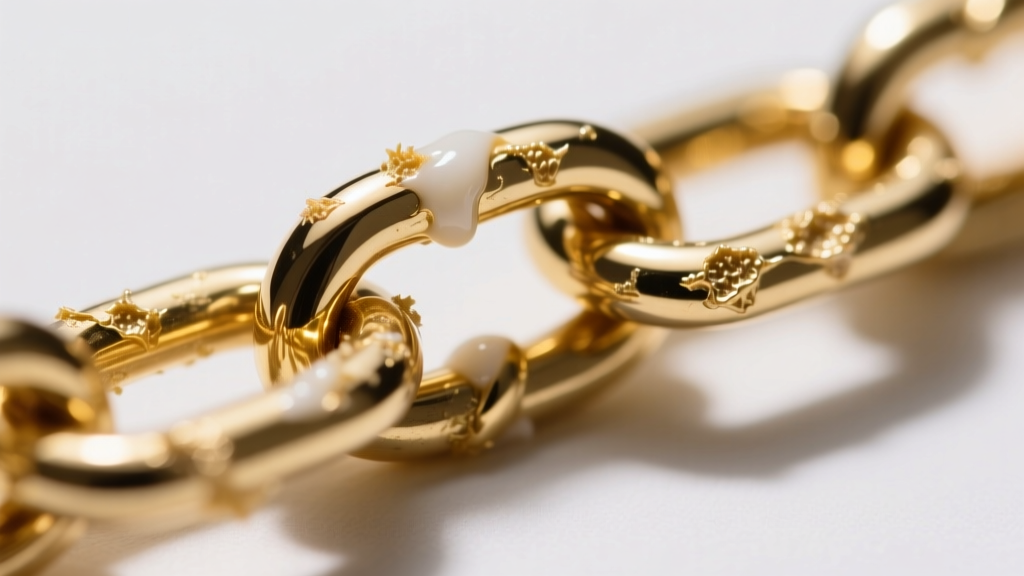
The Laura Ingraham cross necklace aesthetic frequently utilizes a delicate box chain or a woven rope chain to support the weight of the pendant while maintaining an elegant drape. Box chains, characterized by their square, interlocking links, are notorious for trapping debris.
The flat interior surfaces of a box chain act like a magnet for lotion, perfume, and natural skin oils. Over time, this buildup turns into a gray, paste-like substance that stiffens the chain and dulls the gold. To clean a box chain effectively:
- Apply a few drops of dish soap directly onto the chain.
- Gently work the soap into the links using your thumb and forefinger, creating a lather.
- For stubborn buildup between the square links, use a piece of unwaxed dental floss to 'floss' the crevices, pulling the debris out without stressing the solder points.
- If the chain remains stiff, a 40kHz ultrasonic cleaner can be used for 3 minutes. However, never place the diamond or gemstone pendant head into the ultrasonic bath, as the high-frequency vibrations can loosen the bead settings or fracture tension-set stones.
Material-Specific Cleaning Matrix
Different materials require vastly different chemical environments. Use the table below to ensure you are not accidentally destroying your jewelry with the wrong household remedy.
| Material | Safe Cleaning Agent | Hazards to Avoid | Drying Method |
|---|---|---|---|
| 14k / 18k Yellow Gold | Mild dish soap & warm distilled water | Bleach, chlorine, abrasive pastes | Microfiber cloth |
| White Gold (Rhodium Plated) | Mild dish soap & soft cloth only | Ultrasonic cleaners, silver dips, baking soda | Air dry or gentle pat |
| Natural Diamonds | Ammonia-based glass cleaner (sparingly) | Chlorine (can damage the gold setting) | Lint-free cloth |
| Cubic Zirconia (CZ) Replicas | Mild soap and water | Ultrasonic cleaners (can cloud the stone) | Microfiber cloth |
| Sterling Silver Crosses | Specialized silver polishing cloth | Paper towels, rubber bands (causes tarnish) | Buff with flannel |
Environmental Hazards and Daily Wear Rules
Preventative maintenance is vastly superior to restorative cleaning. The American Gem Society emphasizes that daily chemical exposures are the primary cause of structural failure in fine jewelry.
The Chlorine Threat: Exposing 14k or 18k gold alloys to chlorine (found in swimming pools, hot tubs, and household bleach) triggers a chemical reaction known as stress corrosion cracking. This specifically attacks the zinc and copper alloys, causing the metal to become brittle and eventually snap, most commonly at the solder point where the cross bail meets the chain.
To protect your necklace, adopt the 'Last On, First Off' rule. Your cross necklace should be the last item you put on after applying cosmetics, perfumes, hairspray, and lotions, and the first item you take off when you return home. This prevents the porous nature of certain gemstones and the textured surfaces of the gold from absorbing cosmetic chemicals that cause irreversible dulling.
Archival Storage Techniques
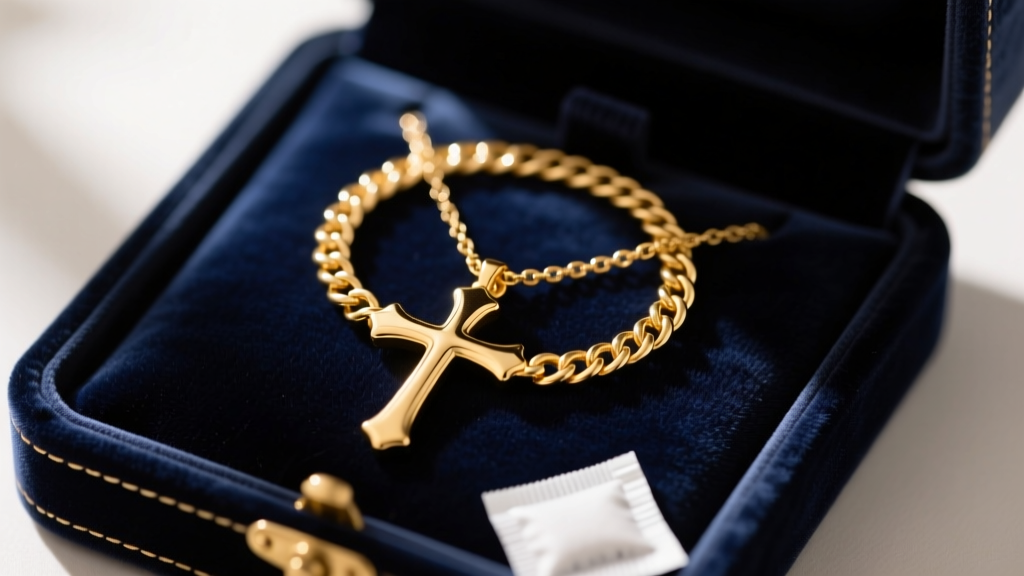
How you store your Laura Ingraham style cross necklace when it is not on camera or on your neck is just as critical as how you clean it. Leaving gold jewelry exposed to ambient air and humidity accelerates the oxidation of the alloyed metals.
- Individual Poly Bags: Store the necklace in a sealed, airtight polyethylene bag. This prevents the chain from tangling and limits oxygen exposure.
- Anti-Tarnish Strips: Place a 3M anti-tarnish strip inside the bag or jewelry box. These strips absorb airborne sulfur compounds before they can react with the copper in your gold alloy.
- Silica Gel Packets: Include a small silica gel desiccant packet to control humidity, which is especially important if you live in a coastal or high-humidity environment.
- Proper Coiling: Never toss the necklace into a drawer. Fasten the clasp, lay the chain flat in a figure-eight pattern to prevent kinking, and ensure the cross pendant rests in a dedicated velvet compartment to avoid diamond-on-gold scratching.
By adhering to these precise metallurgical and gemological care standards, your cross necklace will maintain its structural integrity and brilliant shine for decades, ensuring it remains a timeless and radiant piece in your personal jewelry collection.


