The True Value of a Lava Bead Necklace: Budget & Buying Guide
Discover the true value of a lava bead necklace. We break down pricing tiers, how to spot fake basalt, and hardware longevity for smart buyers.

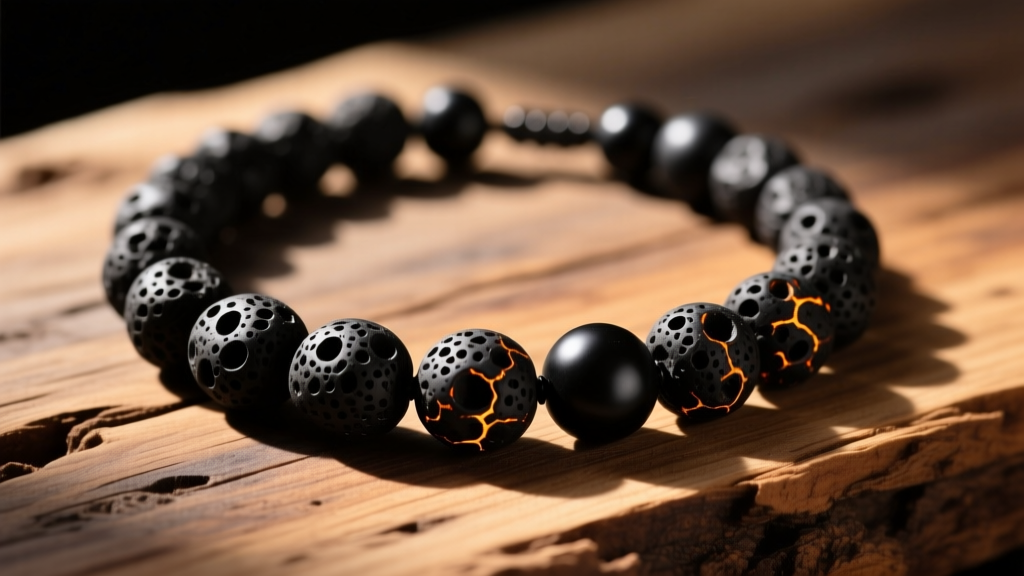
When evaluating bohemian and minimalist jewelry, the lava bead necklace frequently emerges as a top contender. Prized for its ultra-lightweight feel, rugged matte aesthetic, and secondary function as an essential oil diffuser, it seems like the perfect everyday accessory. However, the market is currently saturated with mass-produced imitations that degrade rapidly, leaving buyers wondering if this porous stone is actually worth the investment.
As a jewelry appraiser and style analyst, I see countless consumers overpay for dyed plastic or low-grade pumice disguised as premium volcanic rock. This comprehensive value assessment breaks down the true cost of a genuine lava bead necklace, exposing the hidden manufacturing shortcuts and providing a definitive framework to ensure your money is well spent.
Understanding the Material: Vesicular Basalt vs. Imitations
To assess value, you must first understand the geology. Genuine lava rock jewelry is crafted from vesicular basalt. According to mineralogical data from Mindat.org, basalt is an extrusive igneous rock formed from the rapid cooling of lava. The "vesicles" are the small cavities left behind by trapped gas bubbles during this cooling process, which give the beads their signature porous, sponge-like texture.
The value of a lava bead necklace hinges entirely on this porosity. It is the microscopic pockets that allow the stone to absorb and slowly diffuse essential oils. Imitation beads—often made from dyed resin, compressed coal ash, or low-grade pumice—lack this specific micro-structure. While they may look similar from a distance, they fail to hold fragrance and degrade when exposed to the acidic pH of human sweat or concentrated terpenes found in essential oils.
The Pricing Matrix: Budget vs. Premium Value
Not all lava bead necklaces are created equal. The price discrepancy between a $12 marketplace find and an $85 artisan piece is rarely just about brand markup; it is fundamentally tied to stringing mechanics, clasp metallurgy, and bead grading. Below is a breakdown of what you should expect at each price point in the current market.
| Tier | Price Range | Bead Quality & Origin | Stringing Material | Hardware & Clasps |
|---|---|---|---|---|
| Budget | $8 - $18 | Uneven pores, dyed resin or pumice, inconsistent sizing (±2mm variance). | Elastic cord or cheap cotton thread (high failure rate). | Zinc alloy or plated brass lobster clasps (prone to green skin/tarnish). |
| Mid-Range | $22 - $45 | Genuine basalt, uniform 8mm or 10mm beads, natural matte black finish. | Standard nylon thread or basic single-strand wire. | 316L Stainless steel or sterling silver-filled clasps. |
| Premium | $55 - $120+ | Hand-selected vesicular basalt, precision-drilled, often paired with 925 silver or 14k gold filled accent beads. | 49-strand coated stainless steel wire (e.g., 0.018" gauge). | Solid 925 Sterling Silver or 14k Gold filled secure-lock clasps. |
Value Verdict: The mid-range tier ($22–$45) offers the highest return on investment for daily wear, provided the hardware is upgraded to surgical stainless steel to prevent contact dermatitis.
How to Authenticate Your Lava Bead Necklace
Because vesicular basalt is relatively inexpensive to mine and cut, the profit margins on fake lava beads are astronomically high. Unscrupulous manufacturers mold black resin to mimic the pitted texture of volcanic rock. Before finalizing a purchase, especially from independent online vendors, apply these three diagnostic tests to verify authenticity.
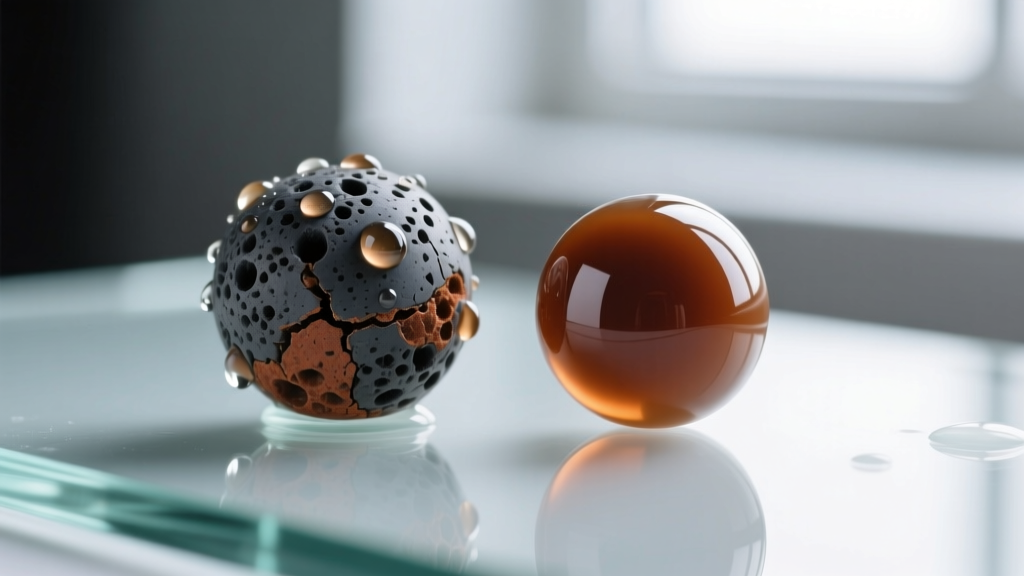
1. The Water Absorption Test
Drop a single bead into a glass of warm water. Genuine basalt is highly porous and will immediately begin to absorb the water, often releasing tiny air bubbles to the surface. The bead will also become noticeably darker as it saturates. A resin or plastic imitation will repel the water, leaving the bead's color unchanged and the surface slick.
2. The Specific Gravity (Weight) Test
Basalt has a specific gravity of approximately 2.8 to 3.0. While a lava bead necklace is famous for being lightweight compared to solid agate or quartz, it still possesses a distinct, dense heft. Pumice (a common cheap substitute) has a specific gravity of less than 1.0, meaning it will actually float on water. Plastic resins hover around 1.0 to 1.2. If your 8mm lava beads feel suspiciously hollow or weigh less than 1.2 grams each, you are likely holding a synthetic fake.
3. The Thermal Reaction Test
Heat a sewing needle with a lighter until it is red hot, then press it into an inconspicuous area of a bead. Genuine volcanic rock is forged in extreme heat and will not melt, emit an odor, or be easily pierced by the needle. If the bead melts, yields to the needle, or smells like burning chemicals, it is a polymer composite.
Hardware and Stringing: Where Budget Necklaces Fail
The most common point of failure in a lava bead necklace is not the stone itself, but the stringing material. The abrasive interior of the drilled basalt beads acts like sandpaper against standard cotton or silk threads. Over time, the friction saws through the cord, resulting in a catastrophic break and lost beads.
Furthermore, if you use the necklace for aromatherapy, the chemical compounds in essential oils (particularly citrus oils like limonene) will rapidly dissolve elastic cords and degrade standard nylon.
The Expert Upgrade Path
When assessing a necklace's value, inspect the stringing material. A truly valuable, long-lasting lava bead necklace should be strung on 49-strand micro-fused stainless steel wire with a nylon coating, typically in a 0.018-inch or 0.021-inch gauge. This material is impervious to essential oils, cannot be sawed through by the abrasive bead holes, and provides a fluid, fabric-like drape. If a vendor cannot confirm the use of coated steel wire or high-test braided nylon (like Silamide), the long-term value of the piece drops to near zero.
Aromatherapy and Longevity: The Oil Dilemma
Many buyers purchase a lava bead necklace specifically to use as a passive personal diffuser. While highly effective, this practice introduces a major maintenance variable that impacts the jewelry's lifespan. Essential oils are highly concentrated volatile organic compounds. When applied directly to the porous basalt, they can trap dust, dead skin cells, and environmental debris deep within the vesicles.
Moreover, applying undiluted "carrier oils" (like jojoba or sweet almond oil) to the beads will eventually cause the necklace to smell rancid, as these fatty oils oxidize and spoil over time.
Proper Maintenance Protocol
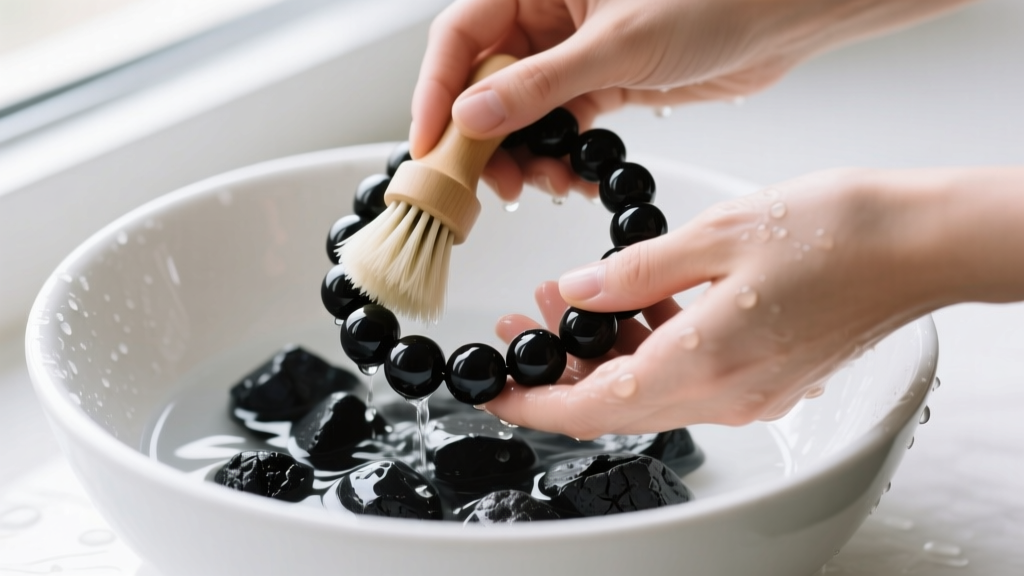
To maintain the value and hygiene of your necklace, follow the safety and dilution guidelines recommended by the National Association for Holistic Aromatherapy (NAHA). Always dilute essential oils before application to prevent skin sensitization. To clean the beads, soak the necklace in warm water with a few drops of unscented castile soap for 10 minutes. Use a soft-bristled baby toothbrush to gently agitate the pores, then rinse thoroughly and allow it to air dry completely on a towel before wearing it again.
Final Verdict: Maximizing Your Investment
Is a lava bead necklace worth the cost? Absolutely, provided you are paying for genuine geological materials and sound jewelry engineering. A genuine vesicular basalt necklace offers an unparalleled combination of lightweight comfort, earthy aesthetics, and functional aromatherapy benefits that heavier gemstones simply cannot match.
However, buyers must reject the $10 budget tier. The hidden costs of skin-irritating alloy clasps, rapidly degrading elastic cords, and non-porous plastic beads make them a poor investment. Target the $25 to $50 mid-range tier, demand 316L stainless steel hardware, verify the porosity of the stones, and your lava bead necklace will serve as a durable, stylish staple in your wardrobe for years to come.


