Your Lay Necklace Hawaii Buying Guide: Lei & Layered Gold
Discover our lay necklace Hawaii buying guide. Learn to authenticate traditional lei necklaces, choose layered gold chains, and avoid tourist traps.

Decoding the Search: Lei vs. Layered Island Jewelry
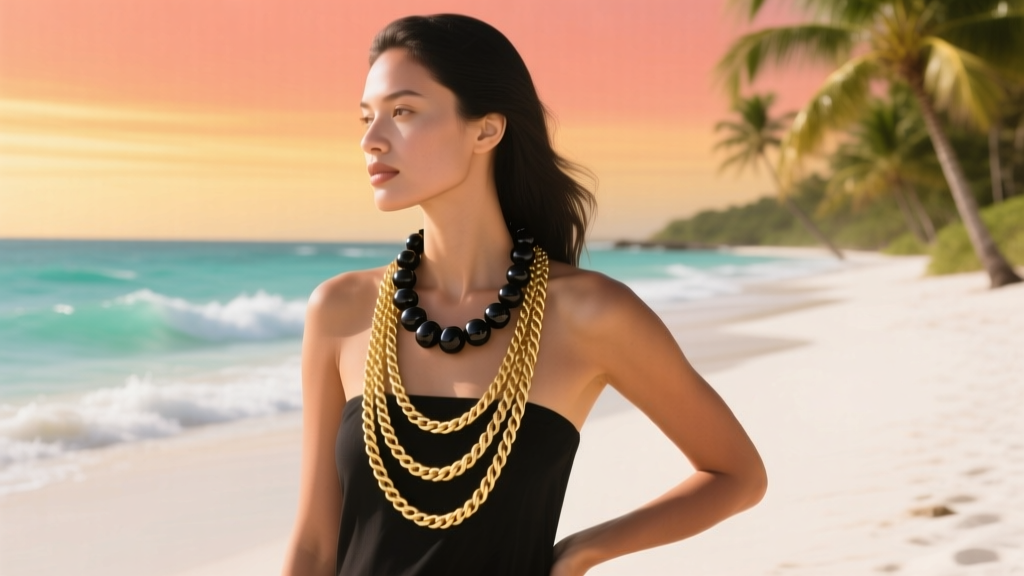
When jewelry enthusiasts and travelers search for a lay necklace hawaii, they are typically navigating a fascinating intersection of two distinct jewelry worlds. The phonetic spelling often points to the traditional Hawaiian lei necklace—a deeply cultural adornment made from native flora, seeds, or shells. However, in modern resort fashion, 'lay' also refers to the highly popular trend of layering delicate gold and silver chains that mimic the cascading aesthetic of a floral lei. Whether you are seeking an authentic hand-strung kukui nut lei or a curated stack of 14k gold island pendants, understanding the material grades, cultural significance, and structural integrity of these pieces is essential for making a smart purchase in 2026.
This comprehensive buying guide will break down exactly what to look for, how to spot tourist-trap replicas, and how to build a layered necklace stack that can withstand Hawaii's unique tropical climate.
Traditional Hawaiian Lei Necklaces: Materials & Sourcing
The traditional lei is far more than a souvenir; it is a symbol of aloha, respect, and celebration. According to the cultural archives at the Bishop Museum, the art of lei making (haku lei) requires a deep understanding of native botany and sustainable harvesting. When buying a permanent or semi-permanent lei necklace, you will encounter three primary materials:
Kukui Nut (Aleurites moluccanus)
The kukui nut is the official state tree of Hawaii, and its polished nuts are strung into highly durable, lifelong necklaces. Authentic kukui nuts are hand-sanded and polished with natural kukui oil or a modern jeweler's resin to achieve a glass-like finish. What to look for: Genuine kukui nuts have a distinct, cool-to-the-touch weight and subtle natural ridges. Avoid lightweight, perfectly uniform beads, which are often mass-produced plastic or resin replicas sold in airport gift shops.
Maile Leaf (Alyxia oliviformis)
Maile is a fragrant, native vine traditionally used in weddings and sacred ceremonies. While fresh maile leis are temporary, jewelers have begun preserving them in clear, UV-resistant casting resins to create permanent pendants and chokers. Ensure the resin is high-grade and yellowing-resistant, as cheaper epoxies will turn opaque and brown within a year of sun exposure.
Puka Shell & Ni'ihau Pearls
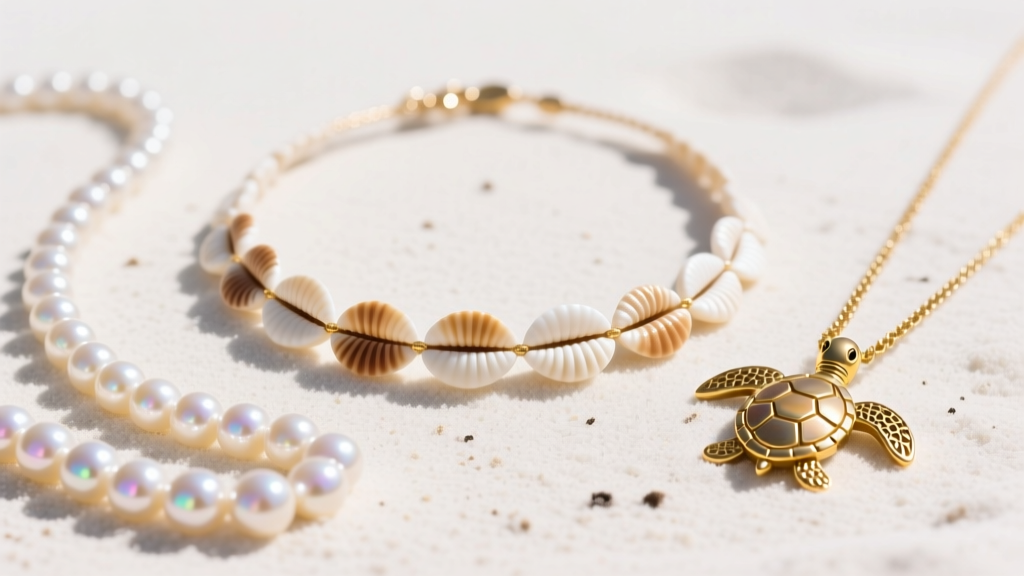
Genuine puka shells are naturally tumbled by the ocean and feature a distinct, off-center 'puka' (hole). Furthermore, Ni'ihau shells and microscopic Ni'ihau pearls are the pinnacle of Hawaiian heirloom jewelry. A genuine Ni'ihau shell lei requires thousands of hand-picked, sorted shells and can take hundreds of hours to string, commanding prices in the thousands.
Layered Gold & Island Metals: The Modern Aesthetic
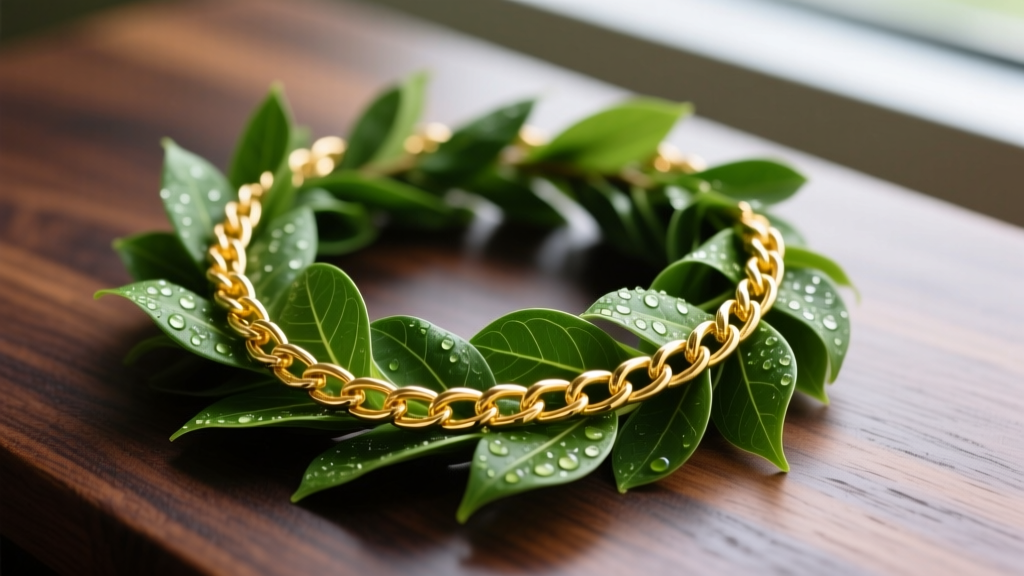
If your interpretation of a 'lay necklace' leans toward the modern layered gold trend, you must choose metals that can survive Hawaii's high humidity, saltwater, and intense UV exposure. The Gemological Institute of America (GIA) notes that pure 24k gold is far too soft for daily active wear, especially in coastal environments where sand and salt act as abrasives.
Choosing the Right Karat and Alloy
- 14k Gold (58.5% Pure): The absolute best choice for island layering. The higher percentage of alloy metals (like copper and zinc) provides superior tensile strength, meaning your delicate chains are less likely to snap if caught on a surfboard leash or hiking gear.
- 18k Gold (75% Pure): Offers a richer, deeper yellow hue but is softer. Best reserved for heavier pendants rather than micro-chains.
- Gold Vermeil & Plated: Avoid these for Hawaiian vacations. The salt air and high humidity will accelerate the oxidation of the sterling silver or brass base metals, causing the gold layer to flake and tarnish within weeks.
Chain Styles & Gauge Framework for Layering
To achieve the perfect 'lay' or layered look without tangling, you must vary the chain style, gauge (thickness), and length. Here is the structural framework for a flawless island stack:
| Layer Position | Length | Chain Style | Gauge / Width | Best Pendant Pairing |
|---|---|---|---|---|
| Choker (Base) | 14 - 15 inches | Box Chain or Puka | 1.0mm - 1.5mm | None or tiny 3mm gold bead |
| Mid-Length (Focal) | 17 - 18 inches | Rope Chain | 1.5mm - 2.2mm | Gold Honu (Turtle) or Spearhead |
| Long (Anchor) | 20 - 24 inches | Cable or Figaro | 2.0mm - 3.0mm | Maile Leaf or Surfer Ring |
Authenticity Checks: Avoiding Tourist Traps
When shopping in high-traffic areas like Waikiki or Lahaina, distinguishing between local artisan craft and imported mass-production is critical. Always ask the vendor about the origin of the materials. For shell and seed leis, look for the 'Made in Hawaii' certification or buy directly from local craft fairs, such as the Honolulu Night Markets or the Maui Swap Meet. For fine gold jewelry, inspect the clasp for a stamped hallmark (e.g., '14K' or '585') and a maker's mark. Reputable local jewelers will also provide a certificate of authenticity, particularly for high-value items like Ni'ihau shell work or black coral, which is heavily regulated and requires specific CITES documentation to transport off the islands.
Pricing Guide: What Should You Expect to Pay?
Budgeting for Hawaiian necklaces varies wildly based on material rarity and artisan labor. Use this pricing matrix to ensure you are paying fair market value in 2026:
- Authentic Polished Kukui Nut Lei: $45 – $120 (Depends on the number of strands and polishing quality).
- Imported 'Resort' Shell Necklaces: $10 – $25 (Usually mass-produced; avoid if seeking heirloom quality).
- Genuine Puka Shell Choker (Hand-Knotted): $80 – $250 (Price scales with the uniformity and whiteness of the shells).
- 14k Solid Gold Honu Pendant (No Chain): $250 – $600 (Varies by gram weight and diamond melee accents).
- Authentic Ni'ihau Shell Lei: $1,500 – $15,000+ (Considered fine jewelry and an investment-grade asset).
Caring for Your Island Jewelry
Hawaii's environment is notoriously harsh on jewelry. To maintain the integrity of your layered gold and organic lei necklaces, adopt the following maintenance protocol:
- The 'Last On, First Off' Rule: Always put your necklaces on after applying reef-safe sunscreen, lotions, and perfumes. Chemical filters in sunscreens can create a cloudy film on gold and degrade the natural oils in kukui nuts.
- Saltwater Rinsing: If you wear your 14k gold layers in the ocean, rinse them thoroughly in fresh, lukewarm water immediately afterward. Salt crystals can lodge in the links of a rope chain, acting like sandpaper and wearing down the metal over time.
- Organic Storage: Never store fresh or resin-preserved maile leis in airtight plastic bags, which trap moisture and promote mold. Store them in a breathable linen pouch in a cool, dry place.
By understanding the cultural roots of the lei and the material science required for layered gold, you can curate a necklace collection that authentically reflects the spirit of the islands while standing the test of time.


