How to Layer and Authenticate a Dainty Jade Necklace
Learn how to layer, authenticate, and care for a dainty jade necklace. Discover jade grades, chain gauges, and styling steps for everyday elegance.

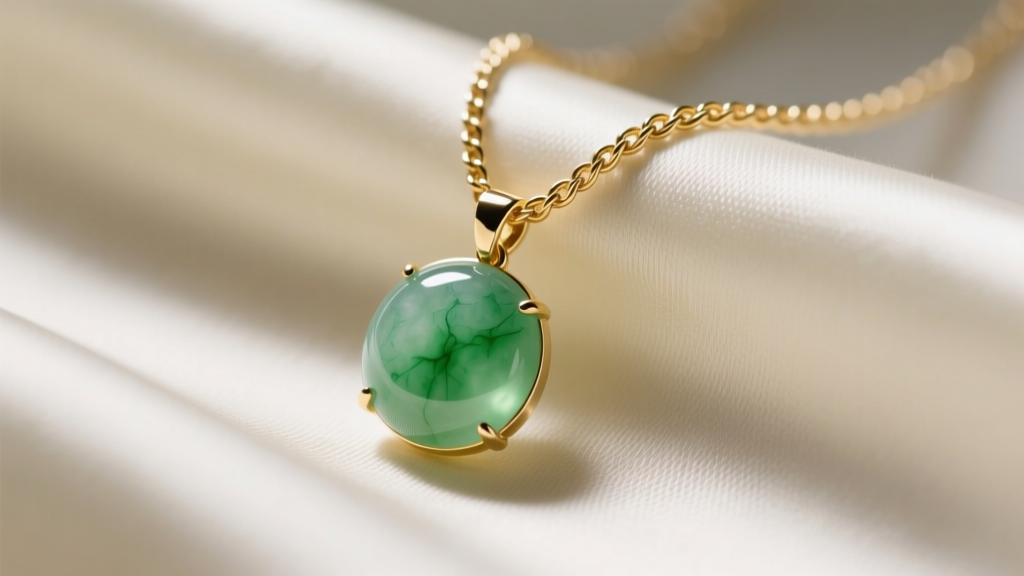
The modern jewelry landscape has shifted away from heavy, ornate heirloom pieces toward minimalist, everyday elegance. At the forefront of this movement is the dainty jade necklace. Combining the ancient cultural reverence for jade with contemporary, lightweight aesthetics, a delicate jade pendant is a versatile staple. However, because jade is a dense, complex gemstone and dainty chains are structurally vulnerable, selecting, styling, and maintaining these pieces requires specific gemological and metallurgical knowledge.
This step-by-step guide will walk you through authenticating your stone, selecting the correct chain gauge to prevent structural failure, and mastering the art of layering your dainty jade necklace for a sophisticated, modern look.
Step 1: Authenticate Your Jade (Nephrite vs. Jadeite & Treatments)
Before styling your necklace, you must verify what you are actually wearing. The term "jade" is a blanket term for two distinct metamorphic rocks: Nephrite and Jadeite. According to the Gemological Institute of America (GIA), Jadeite is the rarer, more valuable variety, prized for its vivid colors and high translucency, while Nephrite is tougher, more opaque, and typically found in earthy greens or creamy whites (like Hetian jade).
When shopping for a dainty jadeite pendant, understanding the treatment scale is critical for both value and longevity:
- Type A (Natural): Completely untreated jadeite, aside from surface waxing. This is the only grade you should buy for a fine jewelry dainty necklace. It retains its structural integrity and value.
- Type B (Bleached & Polymer-Impregnated): Acid-washed to remove brown spots, then injected with polymer resin. Over time, the resin yellows and degrades, making the stone brittle. A dainty Type B pendant can easily crack under minor pressure.
- Type C (Dyed): Artificially colored. The dye fades when exposed to prolonged sunlight or heat, leaving you with a dull, grayish stone.
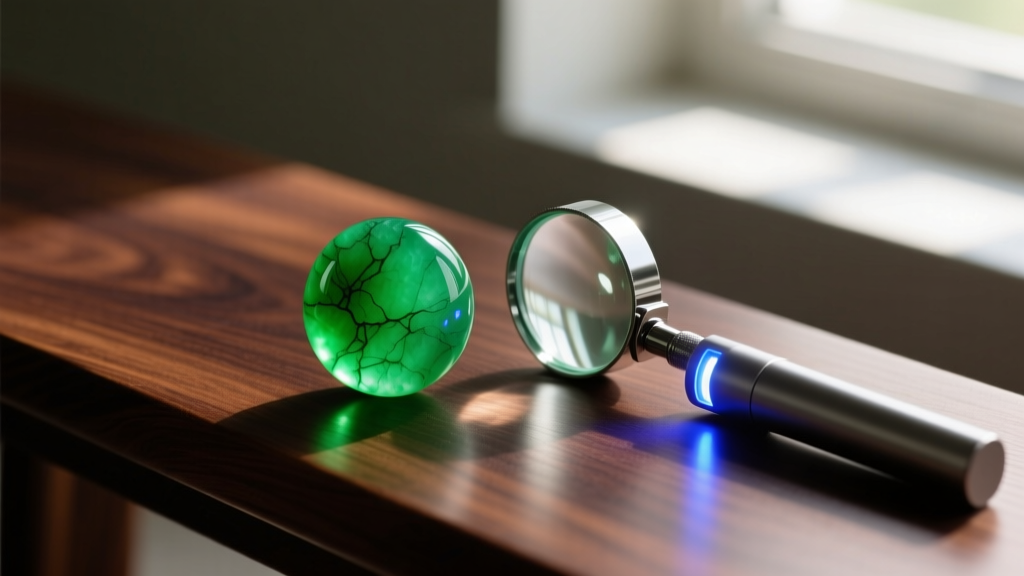
Pro-Tip: If a dainty jade pendant features a vivid, emerald-green hue (Imperial Jade) but is priced under $200, it is almost certainly Type B or Type C treated jade, or a simulant like aventurine or dyed chalcedony. Always request a gemological certificate for pieces claiming to be Type A Jadeite.
Step 2: Select the Right Chain Gauge and Material
A common failure mode with dainty necklaces is chain snapping. Jade is a remarkably dense material. Jadeite has a specific gravity of 3.30 to 3.50, meaning a seemingly tiny 10mm cabochon can weigh between 2.5 and 4 grams. While that sounds light, it is heavy enough to permanently stretch or snap ultra-fine chains (0.5mm or thinner) over time.
The Chain Gauge Matrix for Dainty Pendants
To balance the visual delicacy of a dainty necklace with the structural demands of jade, refer to this metallurgical guide:
| Chain Gauge (mm) | Best Chain Style | Weight Capacity | Visual Profile |
|---|---|---|---|
| 0.6mm - 0.7mm | Thread / Snake | Up to 1.5g | Ultra-dainty (High break risk for jade) |
| 0.8mm - 0.9mm | Box / Cable | 1.5g - 4.0g | Ideal for 6mm - 10mm jade cabochons |
| 1.0mm - 1.2mm | Wheat / Bead | 4.0g - 8.0g | Visible but delicate; great for carved pieces |
For the metal, opt for 14k or 18k solid gold. While gold-filled chains are budget-friendly, the brass core can tarnish if the outer gold layer is scratched by the hard jade bail (the loop connecting the stone to the chain). Platinum is also an excellent, albeit expensive, choice for its unparalleled tensile strength.
Step 3: Master the Art of Layering Dainty Jade
A solitary dainty jade necklace is beautiful, but layering it creates a curated, dimensional aesthetic. The secret to successful layering is maintaining a minimum 2-inch gap between chains to prevent the heavy jade pendant from scratching adjacent gold pieces.

The 3-Tier Layering Formula
- The Anchor (14-15 inches): Start with a lightweight, textured gold chain, such as a 14-inch herringbone or paperclip choker. This sits high on the collarbone and frames the face.
- The Focal Point (16-17 inches): This is where your dainty jade necklace lives. A 16-inch 0.9mm 14k gold box chain holding a translucent, 8mm Type A jadeite cabochon will rest perfectly in the hollow of the throat, drawing the eye downward.
- The Elongator (18-20 inches): Finish with a longer, slightly heavier piece, like an 18-inch gold coin pendant or a lariat. This creates a V-shape that elongates the neck and balances the visual weight of the jade.
When layering, ensure the bail of your jade pendant is smooth and polished. Rough or unlined bails can act like saws, slowly cutting through the softer gold chains of your adjacent necklaces through friction.
Step 4: Daily Care and Maintenance Protocol
Jade is famous for its "toughness"—its resistance to breaking and tearing due to its interlocking fibrous or granular crystalline structure. However, toughness is not the same as hardness. According to the GIA Jade Quality Factors, Jadeite ranks between 6.5 and 7 on the Mohs hardness scale, meaning it can still be scratched by quartz dust, diamonds, or sapphires in your jewelry box.
What to Avoid
- Ultrasonic Cleaners: Never put jade in an ultrasonic cleaner. The high-frequency vibrations can shatter stones with microscopic internal fissures. Furthermore, if your jade is secretly Type B (polymer-treated), the ultrasonic waves will strip the resin, ruining the stone.
- Harsh Chemicals: Chlorine in swimming pools and household bleach can pit the surface polish of jade and degrade the solder points on your delicate gold chain.
- Extreme Temperature Shocks: Moving from a freezing outdoor environment to a hot sauna can cause thermal shock, leading to internal fracturing.
The Safe Cleaning Method
To maintain the luminous polish of your dainty jade necklace, mix a few drops of mild, phosphate-free dish soap in lukewarm water. Use a baby-hair brush or a microfiber cloth to gently wipe the stone and the chain. Rinse under a gentle stream of tepid water, ensuring the drain is plugged, and pat dry with a lint-free cloth. Store the necklace flat in a soft pouch, separate from harder gemstones like diamonds, to preserve its mirror-like finish.
Final Thoughts on Sourcing
Investing in a dainty jade necklace is an exercise in balancing gemological quality with structural engineering. By insisting on Type A natural jadeite or high-grade Canadian nephrite, selecting a chain gauge that respects the stone's specific gravity, and employing strategic layering techniques, you elevate a simple accessory into a timeless, multi-generational piece. Whether worn alone against a silk blouse or stacked with gold textures for a night out, a well-chosen dainty jade pendant remains a hallmark of refined, conscious style.


