How to Layer, Style, and Clean a Glass Chain Necklace
Learn how to expertly layer, style, and clean your glass chain necklace. Discover care tips for Murano, crystal, and dichroic glass jewelry.

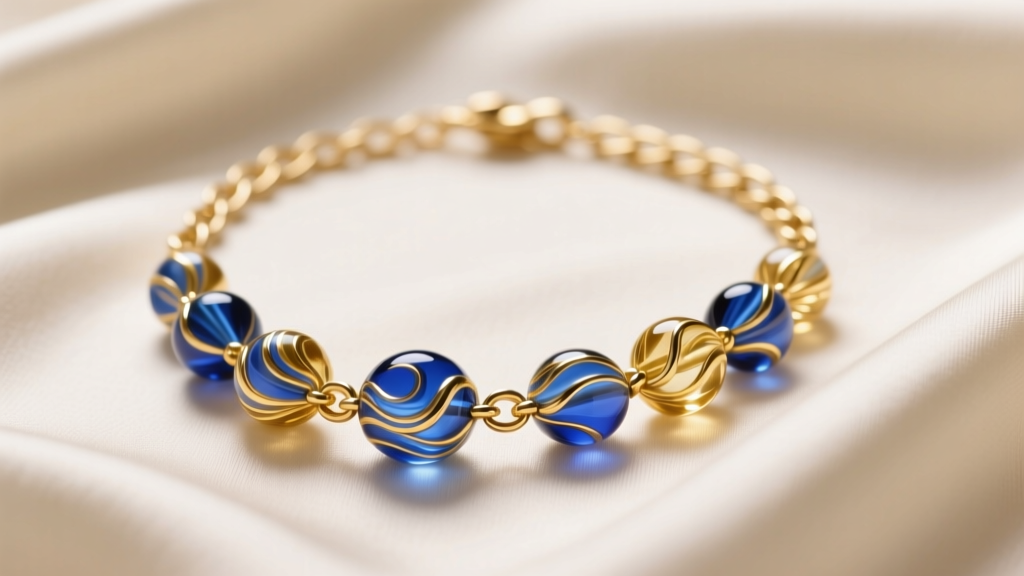
The Art and Science of Glass Chain Necklaces
A glass chain necklace is more than just a decorative accessory; it is a intersection of artisanal craftsmanship and optical physics. Whether you are wearing a vintage Murano glass bead chain, a modern leaded crystal link necklace, or a fused dichroic glass pendant on a metallic chain, glass offers a unique refractive brilliance that metals and opaque gemstones simply cannot replicate. However, glass also presents specific structural vulnerabilities. With a Mohs hardness rating that leaves it susceptible to environmental scratches and chemical etching, knowing how to properly style, layer, and maintain your glass jewelry is essential for preserving its longevity and luster.
Decoding Glass Types: What Kind of Chain Do You Have?
Before applying any styling or cleaning techniques, you must identify the specific type of glass used in your necklace. The chemical composition of the glass dictates its durability and care requirements.
Murano and Lampwork Glass
Traditional Murano and lampwork glass beads are typically made from soda-lime glass. Artisans often incorporate silver or gold foil inclusions (avventurina) or metallic oxides to create vibrant colors. This type of glass is relatively soft and highly sensitive to harsh chemicals, particularly ammonia, which can oxidize the metallic foils and cause them to turn black or flake.
Leaded Crystal Glass
Brands like Swarovski (which now uses an eco-friendly Advanced Crystal formula) and traditional lead crystal contain barium, zinc, or lead oxide. This increases the glass's refractive index, giving it that signature diamond-like sparkle. Crystal glass is slightly softer than standard soda-lime glass and can easily accumulate micro-scratches if stored improperly.
Dichroic and Fused Glass
Dichroic glass features micro-layers of metal oxides (like titanium or magnesium) fused between sheets of glass. While visually stunning, the edges of fused glass chains can be fragile, and the layers can delaminate if subjected to ultrasonic vibrations or extreme thermal shock.

Step-by-Step Guide to Layering Glass Chain Necklaces
Layering a glass chain necklace requires a strategic approach to weight distribution and textural contrast. Glass beads and pendants can be surprisingly heavy, and improper layering can lead to chain breakage or a cluttered aesthetic.
Step 1: Establish the Anchor Chain (16 Inches)
Start with a lightweight, durable metal chain sitting at the collarbone (16 inches). A 1.2mm to 1.5mm cable or rolo chain in sterling silver or 14k gold-filled material works best. This provides a visual anchor without competing with the glass elements.
Step 2: Position the Glass Chain (18 to 20 Inches)
Your primary glass chain necklace should sit 2 to 4 inches below the anchor chain. If the glass beads are large (over 12mm in diameter), ensure the metallic chain holding them has a breaking strength of at least 5 lbs. A 2.0mm box chain or a heavy-duty 1.8mm rope chain is recommended to support the weight of solid glass beads without kinking.
Step 3: Add Textural Contrast (24 Inches)
Finish the stack with a longer, matte-finished chain or a leather cord featuring a small, subtle metallic pendant. This draws the eye downward and frames the central glass chain necklace, allowing its light-catching properties to remain the focal point of the stack.
Pro-Tip: Always use a lobster clasp with a fully soldered jump ring on your glass chain necklaces. The sheer weight of glass beads can easily pull apart unsoldered split rings, leading to catastrophic loss.
The Mohs Scale and Scratch Prevention
Understanding the Mohs Hardness Scale is critical for anyone who collects glass jewelry. Glass typically sits between 5.5 and 6.5 on the scale. This means it is harder than most metals (silver, gold, and copper) but significantly softer than quartz, topaz, and sapphire.
| Material | Mohs Hardness | Scratch Risk to Glass Chain |
|---|---|---|
| Sterling Silver / 14k Gold | 2.5 - 3.0 | None (Safe to layer) |
| Standard Soda-Lime Glass | 5.5 - 6.5 | N/A (Base Material) |
| Quartz / Household Dust | 7.0 | High (Causes micro-scratches) |
| Topaz / Beryl | 8.0 | Severe (Will gouge glass) |
| Corundum (Sapphire) | 9.0 | Severe (Will gouge glass) |
According to the Corning Museum of Glass, standard household dust contains microscopic particles of quartz (silica). Over time, simply wiping a dusty glass chain necklace with a dry cloth will grind these quartz particles into the surface, creating a network of permanent micro-scratches that result in a cloudy, frosted appearance.
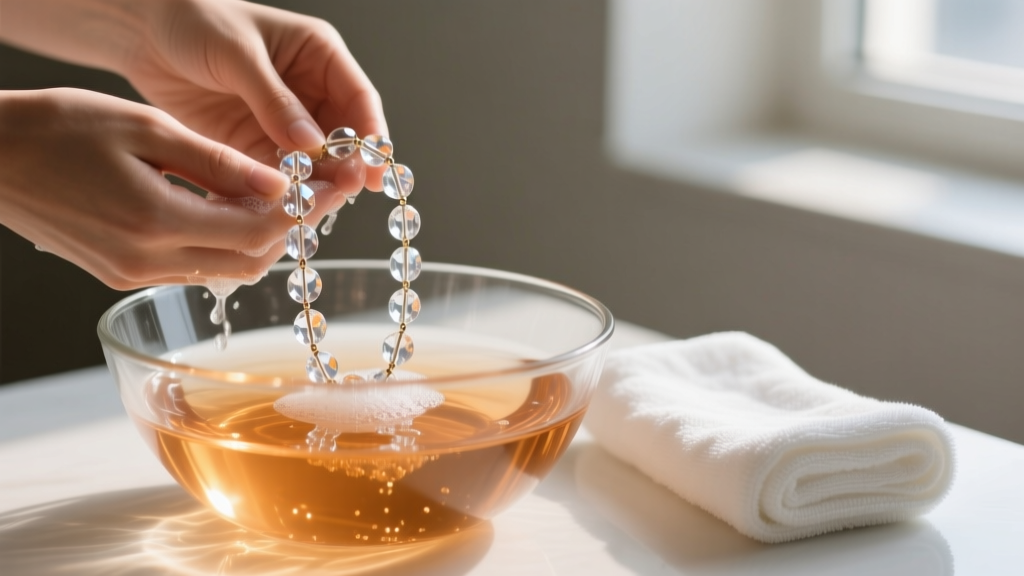
Step-by-Step Cleaning Protocol for Glass Chains
To maintain the optical clarity of your glass chain necklace, you must use a cleaning method that removes oils and debris without introducing abrasive friction or chemical etching.
Step 1: Prepare a pH-Neutral Bath
Fill a glass or ceramic bowl with warm (not hot) distilled water. Tap water contains calcium and magnesium, which can leave hard water spots that are difficult to remove from glass. Add two drops of a pH-neutral, ammonia-free dish soap (such as Dawn or a dedicated jewelry cleaner). Avoid any cleaners containing citrus extracts or ammonia, as the acids and alkalis can etch treated glass surfaces over time.
Step 2: The Soak and Agitate Method
Submerge your glass chain necklace in the solution for 3 to 5 minutes. This allows the surfactants in the soap to break down sebum and cosmetic residues. Gently agitate the water with your fingers. Do not use a toothbrush, even a soft-bristled one, as trapped debris in the bristles can scratch the glass.
Step 3: The Distilled Rinse and Dry
Remove the necklace and rinse it under a gentle stream of distilled water. Pat it dry immediately with a clean, lint-free microfiber cloth. Allow it to air dry completely on a towel before storing it in a sealed polyethylene bag to prevent dust accumulation.
Troubleshooting Common Glass Necklace Issues
Issue: Persistent Cloudiness
If your glass chain necklace remains cloudy after a proper wash, it may be suffering from hard water etching or chemical degradation rather than surface dirt. Unfortunately, true glass etching is permanent. However, you can temporarily mask minor surface cloudiness by applying a microscopic layer of mineral oil with a cotton swab, then buffing it off with a microfiber cloth to restore temporary optical clarity.
Issue: Wire Wrap Loosening on Beads
Glass beads expand and contract with temperature changes. If the ambient temperature fluctuates wildly, the metal wire wrapping the glass beads can loosen. If you notice a bead rattling or sliding, do not attempt to tighten the wire with pliers yourself, as the localized pressure will shatter the glass bead. Take it to a professional jeweler who can apply a microscopic drop of jeweler's epoxy to the wire entry point to secure it without stressing the glass.
Issue: Clasp Slippage
The weight of a glass chain necklace often causes the clasp to migrate to the front of the neck. To counteract this, ensure your necklace features a counterweight pendant or a slightly heavier clasp assembly at the nape of the neck to maintain proper balance and alignment.


