Step-by-Step Guide to Layering a Rose Gold Necklace Set
Learn how to curate, layer, and care for a 14k or 18k rose gold necklace set with our step-by-step styling guide and chain compatibility chart.

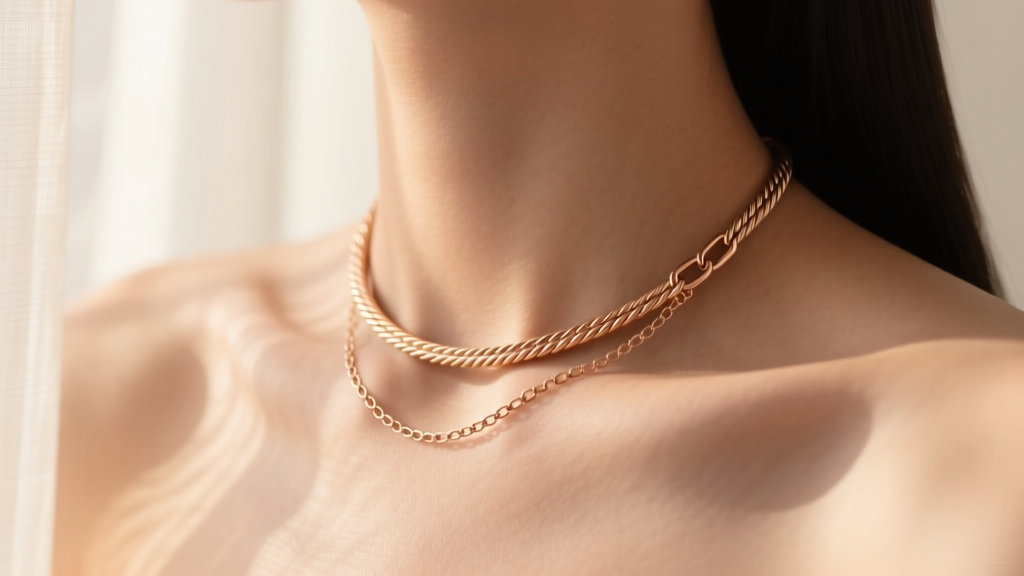
The Art and Science of the Rose Gold Necklace Set
A beautifully curated rose gold necklace set is more than just a collection of chains; it is an exercise in metallurgical harmony and spatial design. Unlike yellow or white gold, rose gold derives its signature blush hue from a high copper content, which not only dictates its color but also its tensile strength and durability. When layering multiple pieces, understanding the physical properties of your jewelry is just as critical as understanding visual aesthetics. In this comprehensive guide, we will break down the exact step-by-step process for building, layering, and maintaining a rose gold necklace set that avoids the common pitfalls of friction tangling and clasp failure.
Understanding Your Alloy: 14k vs. 18k Rose Gold
Before layering, you must identify the karat weight of your set. According to the Gemological Institute of America (GIA), the copper-to-gold ratio fundamentally changes how the metal behaves when worn daily.
- 14k Rose Gold (58.5% Gold): Contains a higher percentage of copper (often around 20-25%) and silver/zinc alloys. This results in a deeper, pinker hue and a higher Vickers hardness score. It is highly resistant to stretching and ideal for the structural base layers of your set.
- 18k Rose Gold (75% Gold): Contains less copper, yielding a softer, warmer peach tone. Because pure gold is inherently malleable, 18k chains are more prone to micro-stretching and link deformation if subjected to heavy pendants. Reserve 18k pieces for delicate, mid-layer focal points rather than heavy anchor chains.
Step-by-Step Layering Framework
The secret to a flawless rose gold necklace set lies in varying the chain profiles, gauges, and lengths to prevent friction-induced tangling. When identical link shapes rub together, they act like gears, locking into one another. Here is your exact layering blueprint.
Step 1: Anchor with a 14-to-16-Inch Base Chain
Your foundational layer should sit snugly on the collarbone. Opt for a 14k rose gold cable or box chain with a gauge between 1.0mm and 1.5mm. These link styles are tightly woven and lay flat against the skin. Crucially, ensure this piece features a sturdy lobster clasp rather than a spring ring clasp. Spring rings are notorious for failing under the micro-tension created by layered sets. A 5mm lobster clasp provides a secure anchor that will not easily unhook when caught on clothing.
Step 2: Add an 18-Inch Focal Pendant
The mid-layer is where your set gains personality. Drop down to an 18-inch length to create a distinct visual gap of at least two inches from your base chain. For this layer, introduce a different texture—such as a 1.5mm rope chain or a wheat chain. The twisted, helical structure of a rope chain catches the light differently than the flat links of a box chain, ensuring the two layers read as distinct entities rather than a tangled mess. If adding a pendant, ensure the bail (the loop connecting the pendant to the chain) is lined with a smooth metal sleeve to prevent the diamond-cut edges of the rose gold chain from sawing through the bail over time.
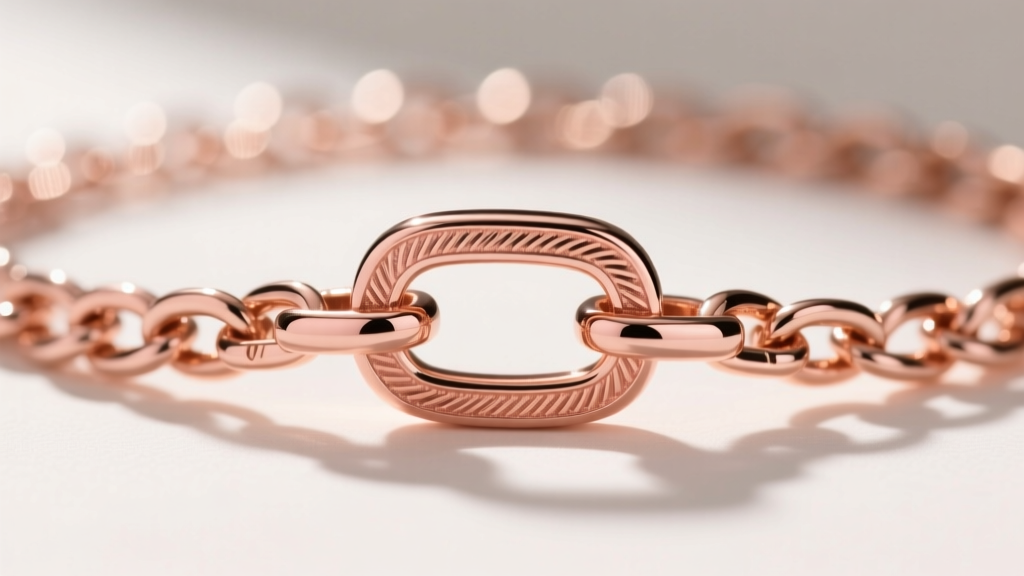
Step 3: Finish with a 22-Inch Textural Chain
The final layer should graze the upper sternum, providing a framing effect for the entire set. Choose a bold, open-link design like a 2.5mm paperclip chain or a Figaro chain. The elongated, hollow links of a paperclip chain are incredibly lightweight, preventing the necklace set from feeling heavy around your neck while providing maximum visual impact. Because the links are large and smooth, they will slide effortlessly over the tighter chains above them without catching.
Chain Profile Compatibility Chart
Use this reference table to ensure your rose gold necklace set features complementary chain styles that resist tangling.
| Chain Type | Ideal Gauge (mm) | Recommended Length | Role in Set & Tangling Risk |
|---|---|---|---|
| Box Chain | 1.0 - 1.5mm | 14" - 16" | Base layer. Low tangling risk due to flat, square links. |
| Rope Chain | 1.5 - 2.0mm | 18" | Mid-layer. Medium risk; avoid pairing with other twisted chains. |
| Paperclip Chain | 2.5 - 4.0mm | 20" - 24" | Statement layer. Very low risk; large links slide over smaller ones. |
| Cable Chain | 0.8 - 1.2mm | 15" - 17" | Delicate accent. High risk of tangling if paired with identical chains. |
Matching Your Set to Necklines
A rose gold necklace set must interact seamlessly with your wardrobe. The warm, pinkish undertones of the copper alloy pair exceptionally well with earth tones, deep emeralds, navy blues, and stark whites.
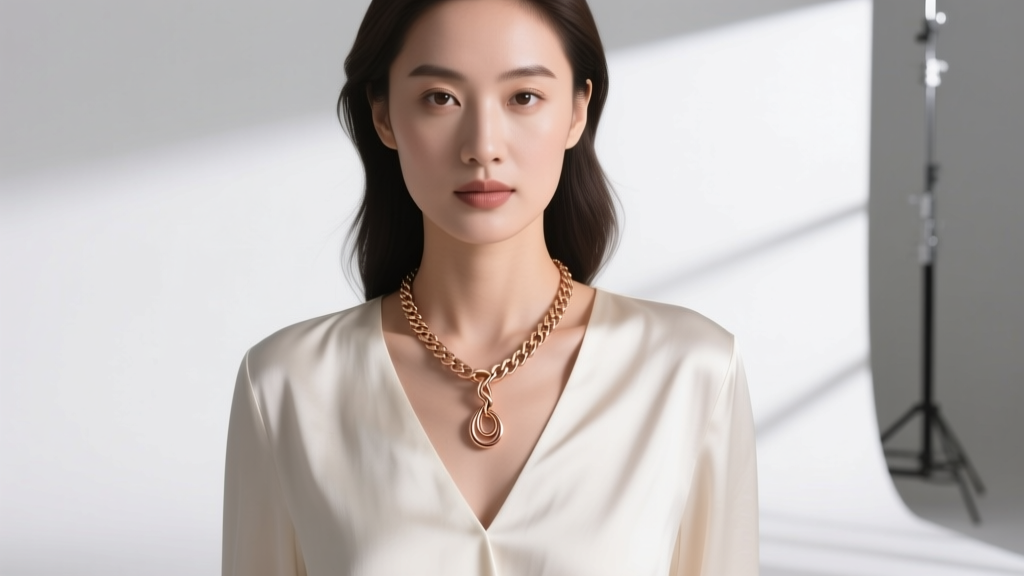
- The V-Neck Blouse: The natural geometry of a V-neck perfectly mirrors the cascading lengths of a three-piece set. Ensure your longest layer (the 22-inch chain) terminates roughly one inch above the apex of the V-neck to maintain a clean, intentional look.
- The Crew Neck T-Shirt: When wearing high, tight collars, drop the 14-inch choker from your set. The friction between the cotton collar and a tight choker will cause rapid wear to the chain links. Stick to the 18-inch and 22-inch layers, allowing them to rest entirely on the fabric.
- Off-the-Shoulder & Scoop Necks: This is where the full three-piece set shines. The exposed canvas of the collarbone and upper chest allows the varying textures of the box, rope, and paperclip chains to catch the light unimpeded.
Care, Oxidation, and Maintenance
Because rose gold contains a significant amount of copper, it is susceptible to environmental reactions that yellow gold avoids. While pure gold does not tarnish, the copper alloys can oxidize when exposed to certain chemicals, leading to a dull, darkened patina or even structural weakening.
The Danger of Chlorine and Stress Corrosion
Never wear your rose gold necklace set in a chlorinated pool or hot tub. Chlorine reacts violently with the copper and zinc alloys in rose gold, causing a phenomenon known as stress corrosion cracking. This microscopic degradation occurs at the solder points of the chain links and clasps, eventually causing the chain to snap without warning. The Jewelers of America explicitly warns against exposing karat gold jewelry to household bleach or chlorinated water for this exact reason.
Routine Cleaning Protocol
To maintain the brilliant blush of your set, clean it bi-weekly using a solution of warm water and a few drops of mild, phosphate-free dish soap. Submerge the chains for five minutes, then gently agitate them with a soft-bristled baby toothbrush. Pay special attention to the clasps and the bails of any pendants, where skin oils and cosmetic residues accumulate. Rinse thoroughly under lukewarm water and pat dry with a microfiber cloth. Avoid ultrasonic cleaners if your set features fracture-filled diamonds or soft gemstones like opals or emeralds, as the high-frequency vibrations can shatter these delicate inclusions.
Final Thoughts on Set Curation
Building the perfect rose gold necklace set is a deliberate process that rewards attention to detail. By respecting the metallurgical properties of 14k and 18k alloys, strategically varying your chain gauges and link profiles, and adhering to strict maintenance protocols, you ensure your layering remains both visually stunning and structurally sound for decades. Treat your chains not just as accessories, but as engineered components of your personal style, and they will elevate every neckline they grace.


