Beginner Guide: How to Choose a Leaf Necklace Gold Pendant
Discover how to choose the perfect leaf necklace gold pendant. Learn about karats, chain pairings, and botanical styles in this beginner-friendly guide.

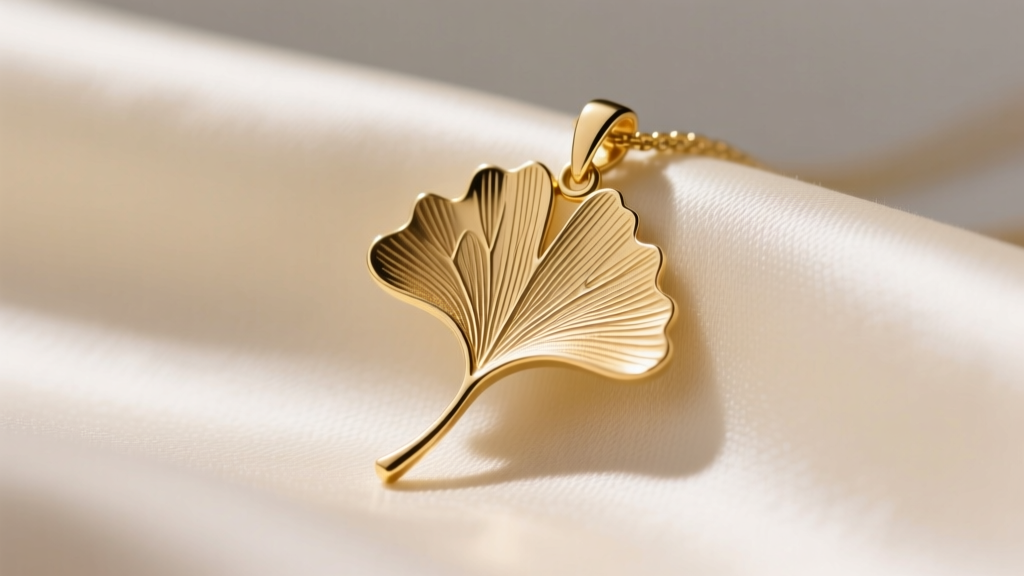
The Timeless Appeal of Botanical Jewelry
Nature-inspired jewelry has held a prominent place in adornment since the Victorian era, but the modern leaf necklace gold trend strips away the heavy, ornate aesthetics of the past in favor of organic minimalism. Whether you are drawn to the fan-like symmetry of a ginkgo or the wild, fractal edges of a fern, a gold leaf pendant offers a versatile, grounding accessory. However, navigating the jewelry market as a beginner can be overwhelming. Terms like "vermeil," "lost-wax casting," and "karat purity" are often thrown around without clear context. This guide breaks down the exact specifications you need to know to invest in a high-quality gold leaf necklace that will last a lifetime.
Decoding Gold Purity and Plating Standards
The first decision you must make is the material composition. The price and longevity of your leaf necklace will vary drastically based on how the gold is applied and alloyed. According to the Federal Trade Commission (FTC) Jewelry Guides, there are strict legal definitions for gold terminology that every buyer should understand.
| Material Type | Composition & Thickness | Durability & Care | Average Price Range |
|---|---|---|---|
| 14k Solid Gold | 58.3% pure gold, alloyed with copper/zinc. | Highly durable; ideal for intricate leaf vein details. Will not tarnish. | $250 - $650 |
| 18k Solid Gold | 75% pure gold, richer yellow hue. | Softer metal; deep engravings may wear down over decades of daily use. | $400 - $950 |
| Gold Vermeil | Sterling silver base with ≥2.5 microns of gold plating. | Medium durability. Avoid chlorine and perfumes to prevent the silver base from oxidizing. | $85 - $180 |
| Gold Plated | Brass or copper base with <0.5 microns of gold. | Low durability. The gold layer will rub off, exposing the base metal to tarnish. | $20 - $60 |
Expert Insight: If you want the realistic, microscopic cellular patterns of a real leaf, opt for 14k solid gold. Jewelers use a process called lost-wax casting, where a real leaf is encased in plaster, burned away, and replaced with molten gold. 14k gold flows beautifully into these microscopic crevices and hardens with enough structural integrity to preserve the delicate edges without bending.
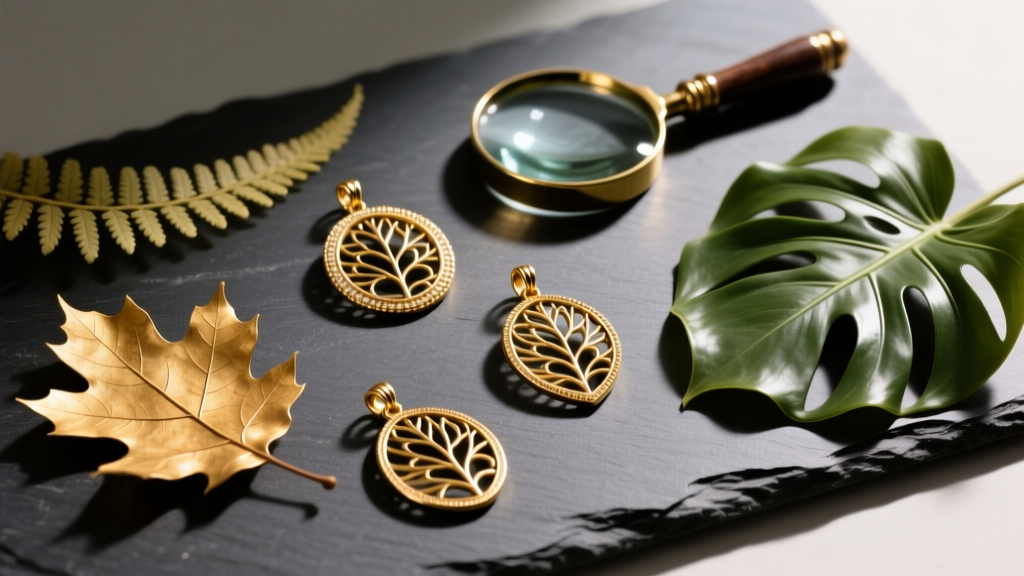
Matching the Chain to the Leaf Pendant
A common beginner mistake is pairing a delicate, lightweight leaf pendant with a chain that is too thick or heavy, which can actually warp the pendant's bail (the loop it hangs from). When shopping for a leaf necklace gold set, pay close attention to the millimeter (mm) thickness of the chain.
- Cable Chain (0.8mm - 1.2mm): The absolute best choice for botanical pendants. The simple, uniform oval links mimic the organic, unobtrusive feel of nature and easily slide through small pendant bails.
- Box Chain (1.0mm - 1.5mm): Offers a modern, geometric contrast to the organic leaf shape. Highly resistant to kinking, but ensure the pendant's bail is at least 3mm wide to accommodate the square links.
- Rope Chain (1.5mm+): Generally too bulky for standard leaf pendants. The twisted links can catch on the delicate, serrated edges of an oak or fern leaf design, causing micro-scratches.
Always check the clasp mechanism. A high-quality leaf necklace will feature a lobster clasp rather than a spring-ring clasp. Lobster clasps are more secure and less likely to accidentally hook onto the intricate edges of your leaf pendant when taking it off.
Botanical Styles: Which Leaf Speaks to You?
The morphology of the leaf you choose dictates the overall vibe of the necklace. Here is a breakdown of the most popular botanical casts in contemporary jewelry design:
The Ginkgo Biloba
Recognizable by its distinct fan shape and dichotomous veins, the ginkgo leaf represents longevity and resilience. In jewelry, it is often cast with a slight upward curve to mimic a leaf catching the wind. It pairs exceptionally well with Art Deco or minimalist wardrobes.
The Fern Frond
Fern necklaces are highly detailed, featuring fractal-like pinnae (the individual leaflets). Because of the extreme detail required, fern pendants are a true test of a jeweler's casting skills. Look for pendants where the underside of the fern shows the sporangia (spore clusters)—a hallmark of premium, real-leaf casting.
The Monstera Deliciosa
With its signature fenestrations (natural holes), the monstera leaf offers a bold, tropical aesthetic. These pendants are typically larger (25mm to 40mm) and serve as statement pieces rather than subtle, everyday layers.

The Neckline Pairing Framework
Styling a leaf necklace gold pendant requires an understanding of negative space and proportion. Use this framework to match your pendant to your outfit:
- V-Necklines: Follow the geometry of the shirt. Choose a Y-drop leaf necklace or a single pendant on a 20-inch chain that rests exactly one inch above the apex of the V-neck.
- Crew Necks: Avoid long chains that will tangle with the fabric collar. Opt for a 16-inch choker-length chain featuring a small, horizontal leaf motif (like a single oak leaf) that sits flush against the collarbone.
- Scoop Necks & Button-Downs: This is the ideal canvas for layering. Combine a 16-inch delicate fern chain with an 18-inch thicker chain holding a larger ginkgo pendant. The Gemological Institute of America (GIA) notes that mixing chain textures while keeping the metal color uniform (e.g., all 14k yellow gold) creates a cohesive, curated look.
Maintenance and Troubleshooting Tarnish
Even solid gold can accumulate oils, lotions, and environmental debris, which can dull the intricate engravings of a leaf pendant. Never use ultrasonic cleaners on textured leaf jewelry; the high-frequency vibrations can loosen the bail or damage microscopic cast details.
Jeweler's Cleaning Trick: To clean the deep crevices of a fern or oak leaf pendant, mix a few drops of mild, phosphate-free dish soap in lukewarm water. Use a brand-new, extra-soft baby toothbrush to gently sweep the bristles along the vein lines. Rinse with distilled water to prevent hard water spots, and pat dry with a microfiber cloth.
If you have purchased a gold vermeil leaf necklace and notice a dark tint emerging from the crevices, this is the sterling silver base oxidizing. You can safely polish this with a treated silver cloth, but avoid aggressive rubbing on the high points of the leaf, as this will wear away the 2.5-micron gold layer prematurely.
Final Thoughts on Your Purchase
Investing in a leaf necklace gold pendant is about capturing a piece of the natural world in a permanent, wearable form. By prioritizing 14k solid gold or high-micron vermeil, selecting a proportionate cable chain, and understanding the specific botanical casting you are buying, you will secure a piece that transcends seasonal trends. Remember to always verify the stamp (e.g., "14K" or "925" for vermeil) near the clasp or on the back of the leaf bail to guarantee the authenticity of your botanical treasure.


