How to Clean a Giorgio Tsoukalos Necklace: Meteorite & Crystal Care
Learn how to clean and maintain your Giorgio Tsoukalos necklace. Expert tips for rust-proofing meteorite pendants and safely polishing raw crystal amulets.

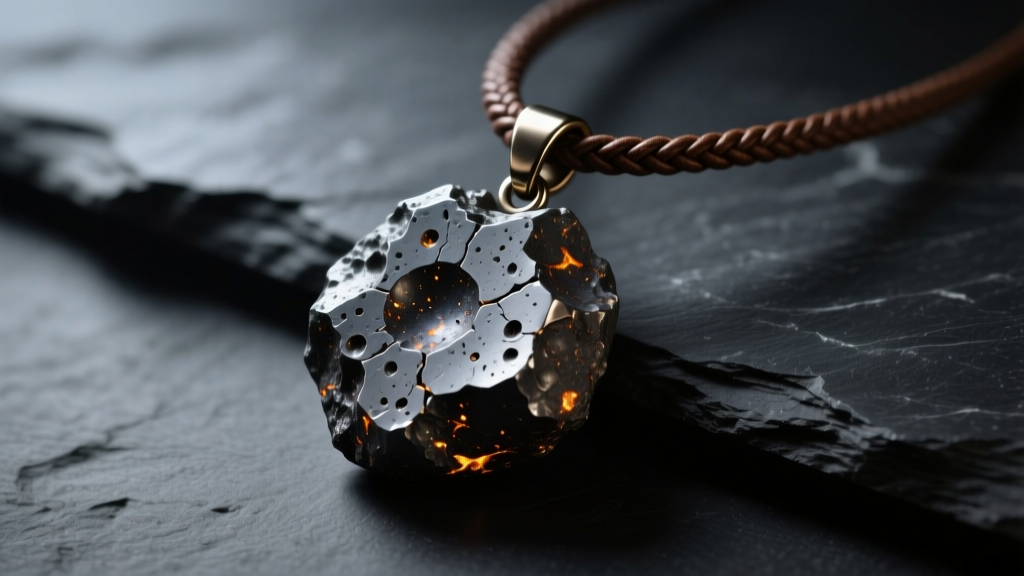
The Anatomy of the Iconic Giorgio Tsoukalos Necklace
When enthusiasts search for a Giorgio Tsoukalos necklace, they are rarely looking for standard mass-produced jewelry. The iconic television host and ancient history explorer is famous for wearing bold, esoteric pendants that reflect his on-screen persona. As of 2026, the market for 'ancient mystery' and replica esoteric jewelry has surged, with fans seeking out the exact materials Tsoukalos favors: raw iron-nickel meteorites, unpolished quartz crystal points, and heavy historical amulets suspended on braided leather or thick sterling silver ropes.
However, these specific materials are notoriously difficult to maintain. Unlike standard gold or platinum jewelry, a meteorite pendant will actively corrode if exposed to human sweat, and raw crystals can fracture under improper cleaning conditions. According to the Gemological Institute of America (GIA), organic and meteoric materials require highly specialized conservation protocols. This guide provides a deep-dive, metallurgical, and gemological approach to cleaning and preserving your esoteric necklaces.
Meteorite Pendant Care: Preventing 'Ancient Rust'
The most recognizable pendants in Tsoukalos's collection are meteorite slices, often Campo del Cielo or Muonionalusta. These are primarily composed of iron (roughly 90%) and nickel (8%), featuring the beautiful Widmanstätten patterns formed over millions of years in the vacuum of space. On Earth, however, they are highly susceptible to oxidation.
The Chemistry of Meteorite Degradation
Meteorites contain troilite nodules (iron sulfide). When exposed to ambient humidity above 60% or the chlorides present in human sweat, these nodules trigger a rapid oxidation process known in conservation circles as 'meteorite disease.' Once rust blooms beneath the surface, it can cause the pendant to flake and disintegrate. Therefore, water is the enemy. Never wash a meteorite pendant under a tap or use ultrasonic cleaners.
Step-by-Step Meteorite Cleaning Protocol
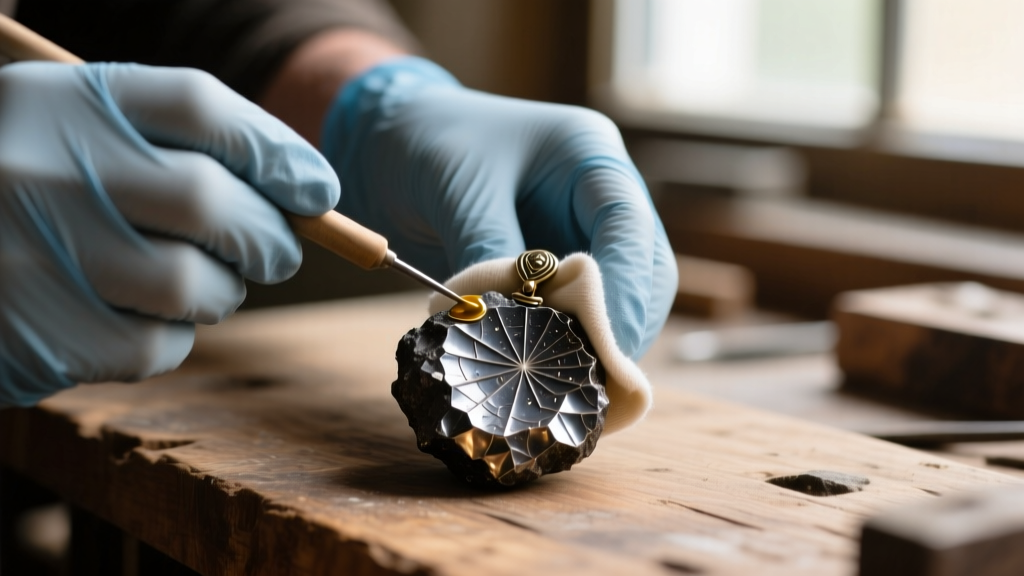
- Solvent Wash: Remove the pendant from its leather or silver chain. Submerge the meteorite in a glass beaker filled with 99% anhydrous isopropyl alcohol. Do not use standard 70% rubbing alcohol, as the 30% water content will initiate flash-rusting. Let it soak for 10 minutes to dissolve skin oils and salts.
- Drying: Remove the pendant with wooden tweezers and immediately blast it with compressed air or a hairdryer on a cool setting to evaporate the alcohol.
- Microcrystalline Coating: Using a soft lint-free cloth, apply a microscopically thin layer of Renaissance Wax. Developed by the British Museum for metal conservation, this wax creates an oxygen-impermeable barrier that will not yellow or degrade over time.
Raw Crystal & Quartz Point Maintenance
Alongside meteorites, Tsoukalos frequently wears raw, unpolished quartz crystal points and amethyst clusters. While quartz is relatively hard (Mohs 7), raw crystals possess natural cleavage planes and internal fluid inclusions that make them vulnerable to thermal shock and mechanical stress.
What to Avoid at All Costs
- Ultrasonic Cleaners: The high-frequency cavitation bubbles created by ultrasonic machines can easily penetrate microscopic fissures in raw quartz, causing the crystal to shatter from the inside out.
- Harsh Chemicals: Bleach, ammonia, and acidic jewelry dips will etch the surface of the crystal, turning a naturally glassy luster into a dull, frosted finish.
- Salt Water Soaks: While popular in esoteric 'cleansing' rituals, salt water can leave microscopic crystalline deposits in the natural grooves of the quartz, which are nearly impossible to remove without damaging the stone.
The Safe Cleaning Method
To clean a raw crystal pendant, use a solution of lukewarm distilled water and a single drop of pH-neutral dish soap. Gently agitate the water with a soft-bristled makeup brush to dislodge dirt from the natural ridges of the crystal point. Rinse with distilled water (never tap water, which leaves hard water spots) and pat dry with a microfiber towel. Allow it to air-dry completely in a low-humidity environment before reattaching it to the cord.
Chain and Cord Maintenance
The suspension system of a Giorgio Tsoukalos necklace is just as critical as the pendant. Heavy pendants require robust cords, typically braided leather or thick 925 sterling silver rope chains.
Braided Leather Cord Care
Human sweat has a slightly acidic pH (typically between 4.5 and 5.5). Over time, this acidity breaks down the collagen fibers in leather, causing it to become brittle and snap, potentially resulting in the loss of a valuable pendant.
Conditioning Protocol: Avoid liquid mink oils or heavy neatsfoot oils, which can rot the inner cotton core of braided leather. Instead, use a beeswax-based leather conditioner. Rub a small amount between your palms to melt the wax, then gently pull the leather cord through your fingers to coat it. This waterproofs the exterior without suffocating the fibers.
Sterling Silver Rope Chains
If your necklace features a heavy silver rope chain, be aware that the tight twists of a rope design trap dead skin cells and sulfur compounds from the air, leading to rapid black tarnish. Use a specialized silver polishing cloth impregnated with anti-tarnish agents. Never use liquid silver dips on rope chains, as the liquid gets trapped in the inner links and causes long-term chemical degradation.
Material Care & Maintenance Matrix
Use the following matrix to quickly identify the correct care protocol for the specific components of your esoteric necklace.
| Material | Safe Cleaning Agents | Fatal Mistakes to Avoid | Maintenance Frequency |
|---|---|---|---|
| Iron Meteorite | 99% Isopropyl Alcohol, Renaissance Wax | Water, Ultrasonic, Sweat exposure | Wax every 3 months |
| Raw Quartz Crystal | Distilled water, pH-neutral soap | Ultrasonic, Salt water, Thermal shock | Monthly gentle wash |
| Braided Leather | Beeswax conditioner, dry cloth | Liquid oils, submersion, heat | Condition bi-annually |
| 925 Silver Rope | Impregnated polishing cloth | Liquid silver dips, abrasive pastes | Polish as needed |
Long-Term Storage for Esoteric Jewelry
Proper storage is the final pillar of jewelry conservation. According to guidelines from Jewelers of America, environmental control is paramount for mixed-material pieces. Because a Giorgio Tsoukalos necklace often combines moisture-sensitive meteorites with tarnish-prone silver, standard jewelry boxes are insufficient.
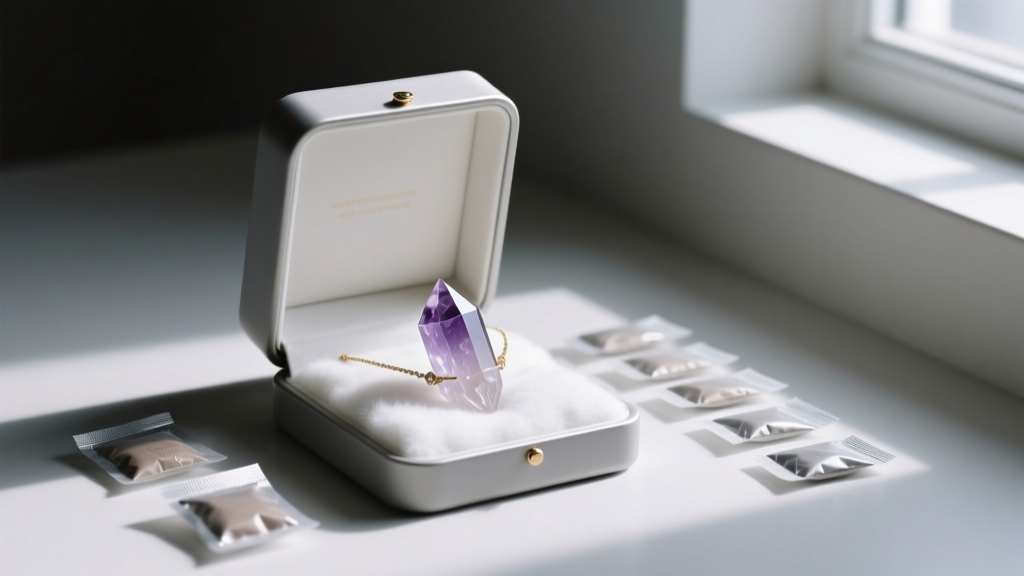
Expert Storage Tip: Store your meteorite and crystal necklaces in an airtight Pelican case or a sealed acrylic display box. Include two packets of indicating silica gel to maintain ambient humidity below 40%, and place a 3M anti-tarnish strip inside to absorb airborne sulfur compounds that attack silver chains. Never store meteorites in velvet-lined boxes, as velvet traps ambient moisture against the metal surface.
Conclusion
Owning a Giorgio Tsoukalos necklace is about embracing the raw, unpolished history of the earth and the cosmos. However, these ancient materials are entirely unaccustomed to the modern human environment. By abandoning standard jewelry cleaning habits and adopting museum-grade conservation techniques—like anhydrous alcohol washes, microcrystalline wax barriers, and strict humidity control—you ensure that your meteorite and crystal pendants will survive for generations without succumbing to rust or fracture. Treat your esoteric jewelry with the scientific respect it demands, and it will maintain its striking, mysterious appeal for a lifetime.


