Budget Guide: Is a Necklace With Leather Cord Worth It in 2026?
Discover if a necklace with leather cord offers real value. We break down leather grades, hardware costs, and long-term durability versus metal chains.

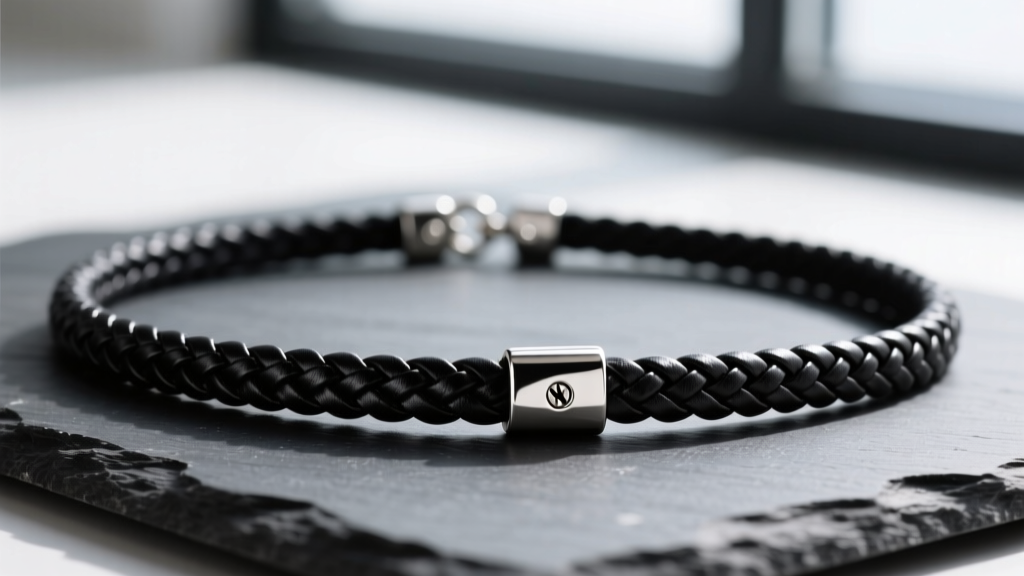
In the contemporary jewelry market of 2026, the minimalist and rugged aesthetics have cemented the necklace with leather cord as a staple accessory for both men and women. But from a strict budget and value assessment perspective, is swapping a traditional metal chain for a leather cord a smart financial move, or a false economy that leads to repeated replacements? To answer this, we must look past the initial price tag and evaluate material science, hardware integrity, and long-term cost-per-wear.
The True Cost: Pricing Tiers and Value Proposition
Not all leather cords are created equal. The market is flooded with options ranging from $10 fast-fashion accessories to $200 artisan-crafted pieces. Understanding where your money goes is the first step in assessing value.
| Market Tier | Leather Material | Hardware Type | Price Range | Expected Lifespan |
|---|---|---|---|---|
| Fast Fashion | Genuine / Split Leather | Glued Base Metal | $12 - $25 | 3 - 6 Months |
| Mid-Tier | Top-Grain Cowhide | Crimped Sterling Silver | $35 - $75 | 1 - 3 Years |
| Artisan / Luxury | Full-Grain / Kangaroo | Screw-in Titanium / 18k Gold | $90 - $250+ | 5 - 10+ Years |
While the $15 option seems like a budget-friendly win, the cost-per-wear skyrockets when the necklace inevitably snaps or degrades within a single season. True value lies in the mid-to-high tiers, where material longevity justifies the initial investment.
Leather Grades: Where Your Money Actually Goes
The term "genuine leather" is one of the most successful marketing misdirections in the fashion industry. According to the Leather Working Group, understanding the anatomical layers of the hide is critical for assessing durability and value.
The "Genuine" Leather Trap
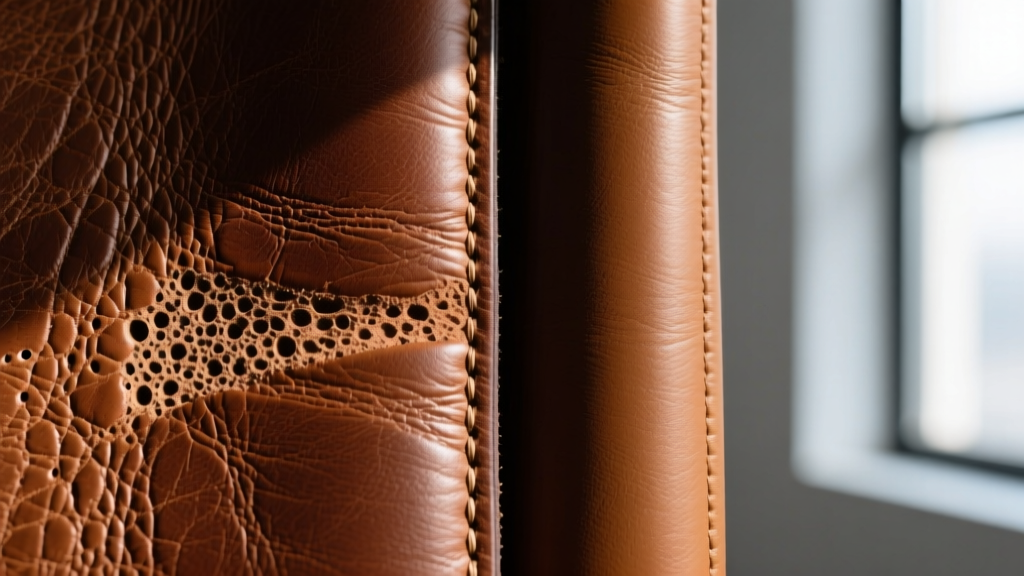
Genuine leather does not mean high quality; it is a specific industry term for split leather (the corium layer left after the top layers are removed). It lacks the dense, interlocking fiber structure of the grain layer. A necklace with leather cord made from splits will absorb sweat, stretch, and eventually snap at the clasp junction under minimal tension.
Full-Grain and Kangaroo: The Value Champions
Full-grain leather retains the entire stratum papillare, offering natural water resistance and a tensile strength that actually improves as it develops a patina. For the ultimate budget-conscious buyer who wants a lifetime piece, braided kangaroo leather is the undisputed king. Kangaroo hide has a unique, highly uniform fiber structure that provides up to 10 times the tensile strength of cowhide of the same thickness. A 2mm kangaroo cord can easily support a 50-gram solid silver pendant without stretching, making it a superior long-term investment.
Hardware and Findings: The Hidden Value Killers
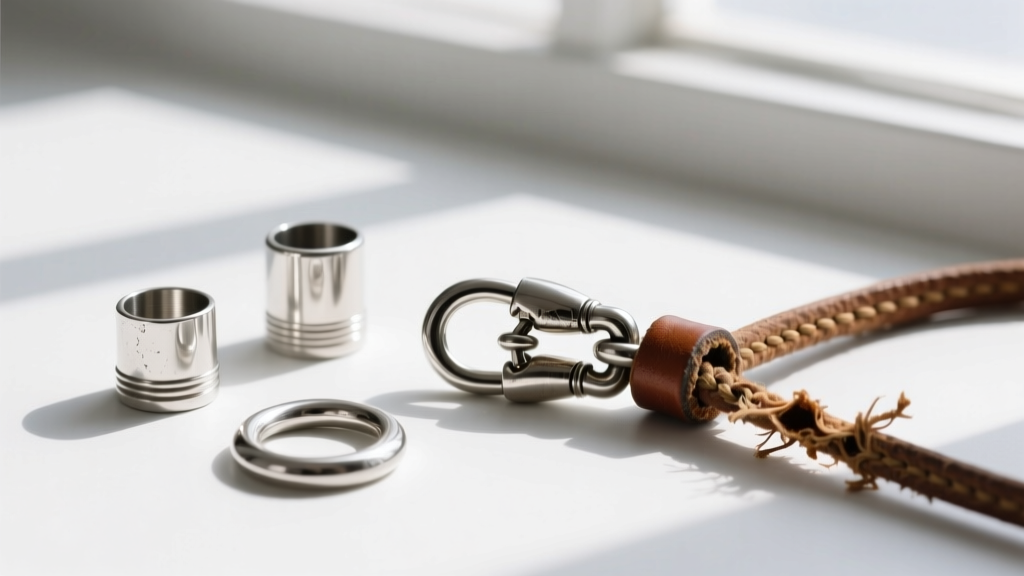
The most common point of failure for any necklace with leather cord is not the leather itself, but the end caps and clasps. When evaluating a piece, inspect the findings before looking at the pendant.
- Glued End Caps (Avoid): Common in sub-$30 necklaces. The leather is shoved into a metal tube and secured with cyanoacrylate or epoxy. Human sweat, sebum, and ambient humidity break down these adhesives within months, resulting in lost pendants.
- Crimped End Caps (Acceptable): The metal is mechanically crushed onto the leather. While stronger than glue, crimping can cut into top-grain leather over time, creating a weak point.
- Screw-in Threaded Caps (Gold Standard): The leather is looped through an internal metal eyelet, and the outer cap screws onto a threaded core, often secured with a tiny silicone O-ring. This distributes tension across the entire thickness of the cord.
For hardware metallurgy, avoid brass or zinc alloy caps that are merely plated. As the plating wears off, the base metal reacts with the acidic pH of your skin, accelerating the degradation of the leather it touches. Opt for solid 925 sterling silver, surgical steel, or Grade 5 titanium. Resources like Rio Grande highlight that premium findings account for up to 40% of the manufacturing cost in high-end leather necklaces, but they eliminate the risk of catastrophic failure.
Durability vs. Metal Chains: A 5-Year Projection
How does a leather cord stack up against a standard sterling silver cable chain over a five-year period? Let us break down the environmental stressors.
Sweat, pH, and Salt Degradation
Human sweat has an average pH of 4.5 to 7.0, and contains salt and urea. While sterling silver tarnishes when exposed to sulfur and moisture, it can be easily polished and will not structurally degrade. Leather, however, is an organic, porous material. Constant exposure to acidic sweat breaks down the collagen fibers, leading to dry rot and snapping. If you live in a humid climate or wear your jewelry to the gym, a metal chain offers vastly superior long-term value. If you work in an office or prefer taking your jewelry off before physical exertion, a full-grain leather cord will easily outlast a cheap, hollow-metal chain.
Pendant Weight and Tensile Limits
Thickness dictates value based on your intended use. A 1.5mm leather cord is elegant but should only be used for lightweight pendants (under 15 grams). A 3mm to 4mm braided cord offers the best balance of aesthetic presence and structural integrity, safely holding pendants up to 45 grams. Buying a thin cord to hold a heavy pendant is a guaranteed way to waste your budget on a replacement within weeks.
Maintenance Costs and Lifespan Extension
To maximize the ROI of your necklace with leather cord, you must factor in minimal maintenance. Unlike metal chains that require ultrasonic cleaning, leather requires hydration.
Pro Tip: Once every three months, apply a micro-dab of pure neatsfoot oil or a specialized beeswax leather conditioner to the cord. Avoid mink oil, which can over-soften the fibers and reduce the cord's tensile strength over time.
Furthermore, never shower with a leather cord. The combination of hot water, harsh sulfates in shampoos, and sudden temperature changes will strip the hide of its natural lipids, causing it to become brittle and crack near the metal end caps.
Final Verdict: Who Should Buy a Leather Cord Necklace?
From a strict budget and value assessment, a necklace with leather cord is not a shortcut to cheap jewelry. If your budget is under $25, you are better off purchasing a solid stainless steel chain, which will outlast any budget leather alternative. However, if you are willing to invest between $60 and $150 in a full-grain or kangaroo leather cord with screw-in titanium or sterling silver hardware, the value proposition is exceptional. You gain a versatile, organic aesthetic that molds to your body temperature and develops a unique patina, offering a cost-per-wear that rivals even the most durable precious metal chains on the market.


