Turkish Necklace Value: 2026 Pricing & Buying Guide
Discover the true value of a Turkish necklace in 2026. We break down pricing for 22k gold, telkari silver, and nazar pendants to help you buy smart.

The Allure of Turkish Jewelry: Beyond the Souvenir
When international buyers search for a Turkish necklace, they are often met with a dizzying array of options ranging from $15 acrylic pendants to $5,000 woven gold chains. Turkey sits at the crossroads of ancient metallurgy and modern jewelry manufacturing, producing pieces that are highly sought after globally. However, the 2026 market is flooded with mass-produced imitations disguised as authentic heritage pieces. To make a sound financial decision, you must understand the difference between intrinsic metal value, artisanal labor premiums, and tourist-trap markup. This guide provides a rigorous budget and value assessment of the three most prominent styles of Turkish necklaces, equipping you with the exact metrics needed to negotiate, verify, and invest wisely.
Decoding the Categories: What Are You Actually Buying?
The term 'Turkish necklace' is not a single standardized design. It generally refers to one of three distinct categories, each with its own material science, pricing structure, and resale liquidity.
1. Traditional 22k Gold Coin & Hasır (Woven) Chains
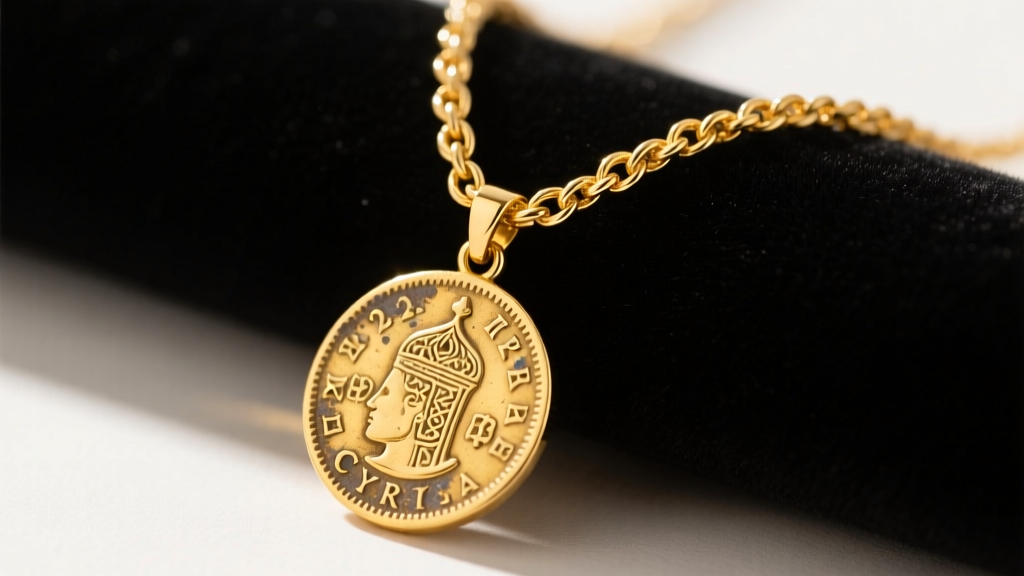
The cornerstone of Turkish gold jewelry is the use of 22-karat gold (stamped as 916 or 22 ayar). A classic Turkish necklace often features a Ceyrek (quarter), Yarım (half), or Tam (full) Republic gold coin (Cumhuriyet altını) suspended on a hasır (woven or mesh) chain. According to the Gemological Institute of America (GIA), 22k gold contains 91.6% pure gold, making it softer and richer in color than the 14k or 18k standards common in Western markets. The value here is twofold: the melt value of the gold and the işçilik (craftsmanship premium). Woven hasır chains require immense labor to produce, meaning the retail markup can be 20% to 35% above the raw gold spot price. While beautiful, this high labor cost means you will lose money if you attempt to resell the chain for its melt value.
2. Mardin Telkari (Filigree) Silver
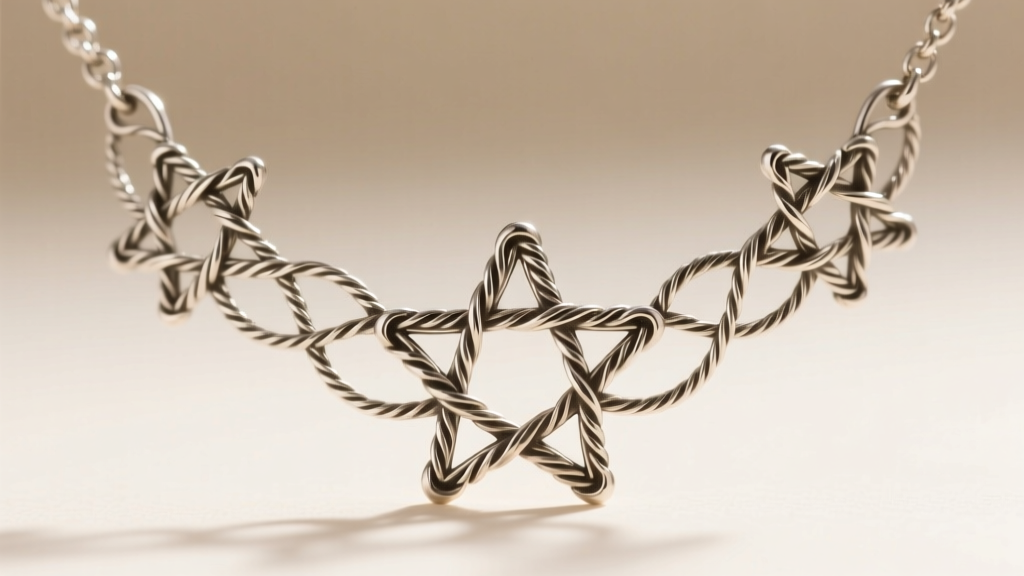
Originating from the southeastern province of Mardin, telkari is the ancient art of twisting 925 sterling silver wires as thin as 0.22mm into intricate geometric and floral motifs. Authentic telkari is entirely handmade, with a single complex pendant taking a master artisan up to 60 hours to complete. In 2026, genuine Mardin telkari necklaces command prices between $250 and $800 based purely on artistic labor. Conversely, the Grand Bazaar in Istanbul is saturated with cast silver 'filigree' imported from overseas. These cast pieces lack the microscopic soldering joints and structural tension of hand-twisted wire, and their value is strictly limited to the scrap silver price (roughly $15 to $30 for the metal alone).
3. The Nazar (Evil Eye) Pendant
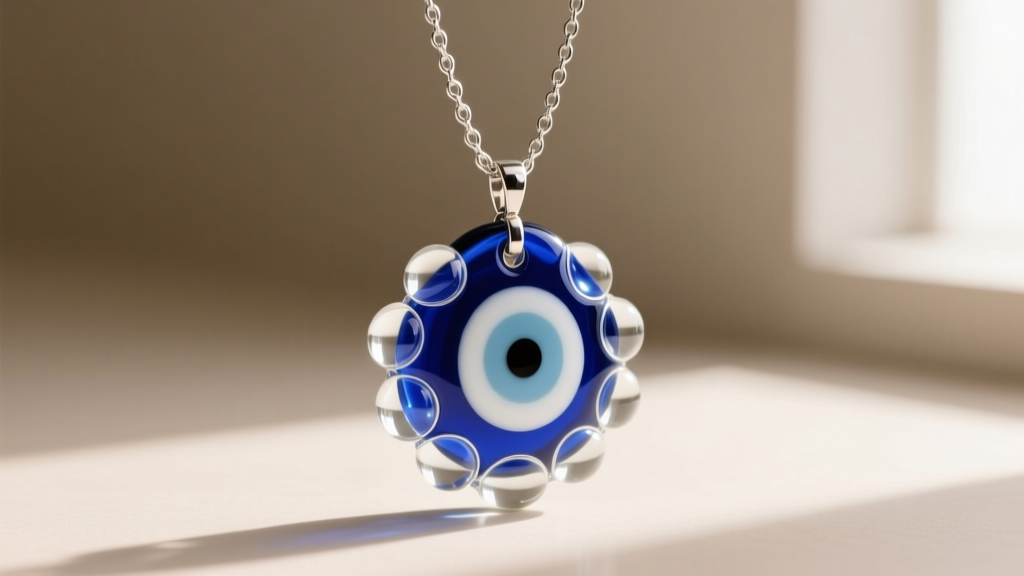
The nazar boncuğu is perhaps the most globally recognized Turkish motif. However, from a value assessment perspective, 90% of the nazar necklaces sold online and in tourist districts are made from machine-pressed glass, acrylic, or resin. A genuine, high-value nazar is hand-blown (el yapımı cam) by a master glassmaker, featuring distinct, slightly asymmetrical layers of cobalt blue, white, light blue, and black glass. While a genuine glass nazar necklace holds immense cultural and artistic value (pricing out around $40 to $95 for silver-set pieces), it holds zero intrinsic commodity value. Acrylic versions, which cost pennies to produce, are frequently sold for $25, representing a massive negative value proposition for the buyer.
2026 Price & Value Assessment Matrix
To help you benchmark offers, we have compiled a pricing matrix based on Q1 2026 market data, cross-referenced with guidelines from the Turkish Standards Institution (TSE) regarding hallmarking and metal purity.
| Necklace Category | Material & Purity | 2026 Fair Retail Price | Resale / Melt Value | Primary Value Driver |
|---|---|---|---|---|
| Ceyrek Coin & Hasır Chain | 22k Gold (916) | $450 - $750 | High (Spot price - 5%) | Gold weight + Coin premium |
| Tam (Full) Coin & Rope Chain | 22k Gold (916) | $1,200 - $1,600 | Very High (Spot price - 2%) | Raw gold weight |
| Authentic Mardin Telkari | 925 Sterling Silver | $250 - $800 | Low (Scrap silver only) | Artisanal labor (60+ hours) |
| Cast 'Filigree' Imitation | 925 Sterling Silver | $40 - $90 | Low (Scrap silver only) | None (Mass-produced) |
| Hand-Blown Glass Nazar | Glass & 925 Silver | $45 - $120 | None (Sentimental) | Artisanal glassblowing |
| Acrylic / Resin Nazar | Plastic & Base Metal | $10 - $25 | Zero | None (Factory-molded) |
Calculating Melt Value vs. Craftsmanship Premium
The most critical skill in assessing a Turkish gold necklace is separating the metal value from the işçilik (labor cost). According to data tracked by the World Gold Council, gold prices fluctuate daily. When buying a 22k Turkish necklace, weigh the piece in grams. Multiply the weight by 0.916 to find the pure gold content, then multiply by the current daily spot price of gold per gram. This is the baseline melt value. If the jeweler's asking price is more than 25% above this baseline, you are paying a high craftsmanship premium. This is acceptable for a piece you intend to wear for a lifetime, but it is a poor financial decision if you view the necklace as a liquid investment. For pure investment, buy simple 22k bangles or loose Republic coins, which carry the lowest labor premiums.
Red Flags: How to Spot Overpriced Fakes
When evaluating a Turkish necklace, be vigilant against these common market deceptions:
- The 'Ayar' Stamp Forgery: Authentic Turkish gold is stamped with the maker's mark, the purity (e.g., 916), and often the TSE eagle hallmark. If the stamp looks blurred, shallow, or is missing the maker's code, the piece may be 14k gold plated over brass.
- The Telkari Light Test: Hold a silver filigree pendant up to a strong light. Genuine hand-twisted telkari will show tiny, distinct shadows where individual wires cross and are soldered. Cast imitations will look like a solid sheet of metal with recessed grooves, lacking true negative space.
- The Nazar Temperature Test: Glass is cold to the touch and takes time to warm up against the skin. Acrylic and resin nazars will feel room-temperature or warm immediately. Furthermore, hand-blown glass nazars will have a tiny 'punt' (scar) on the back where the glassblower's rod was detached; machine-pressed or plastic ones will be perfectly smooth.
- The Magnetic Clasp Trap: High-quality Turkish silver and gold necklaces use solid lobster or spring-ring clasps. If a magnet sticks to the clasp or the jump rings, the structural components are made of ferrous base metals, which will eventually rust and degrade the piece.
The Verdict: Where to Allocate Your Budget
If your goal is long-term financial value retention, allocate your budget toward a 22k gold Tam or Yarım coin necklace with a simple, low-labor chain. The coin itself is legally standardized in Turkey and holds immediate, globally recognized liquidity. If your goal is wearable art and cultural heritage, invest in a verified Mardin telkari silver necklace. You will not recover the cost in scrap silver, but you will own a master-crafted artifact that supports a dying artisanal trade. Avoid paying premium prices for nazar pendants unless you can physically verify the hand-blown glass and solid 925 silver setting; otherwise, you are simply subsidizing tourist-markup on factory-made plastic.


