The LEO Diamond Necklace: A Beginner's Buying Guide
Discover what makes a LEO diamond necklace unique. Learn about its 82-facet cut, pricing, and how to choose the perfect pendant in this beginner guide.

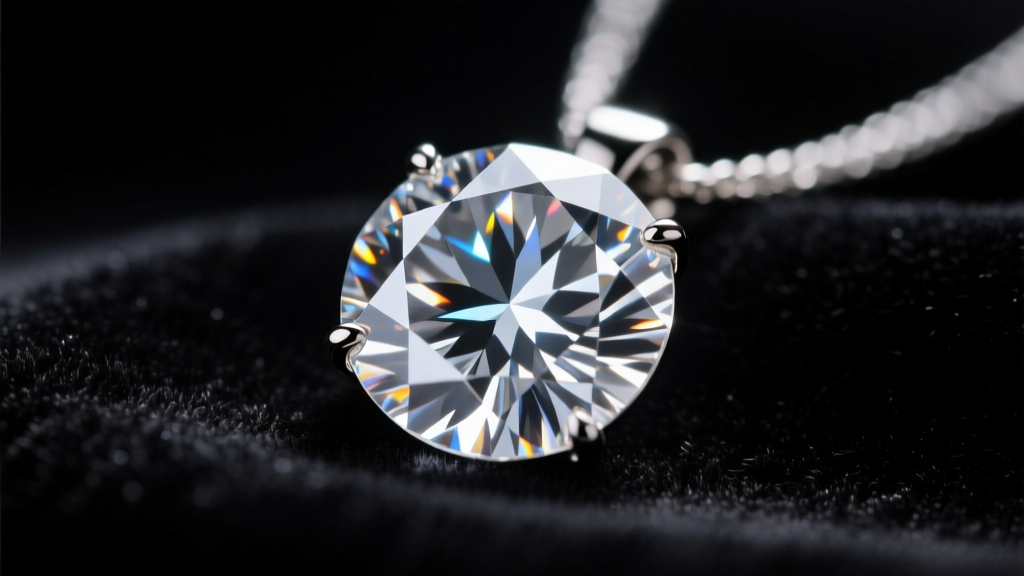
When shopping for a diamond pendant, the standard round brilliant cut usually dominates the display cases. However, if you want a stone that breaks away from tradition and offers a completely different optical experience, the LEO diamond necklace is a stunning alternative. Designed for those who prioritize intense, shattered-light scintillation over traditional mirror-like brilliance, the LEO cut is a marvel of modern gemological engineering.
Whether you are buying your first fine jewelry piece or looking for an upgrade, understanding the nuances of this patented cut is essential. This beginner-friendly explainer will break down the science, pricing, and styling of LEO diamond pendants so you can shop with absolute confidence.
What Exactly is a LEO Diamond?
Created by the Leo Schachter company, the LEO diamond is a patented modified round cut. While a traditional round brilliant features 57 or 58 facets, the LEO cut boasts exactly 82 facets. This is not merely a marketing gimmick; the additional facets are strategically placed on the pavilion (the bottom half of the diamond) to manipulate how light bounces within the stone.
According to gemological principles outlined by the Gemological Institute of America (GIA), facet arrangement directly dictates a diamond's light performance. The LEO cut intentionally sacrifices some of the large, bold flashes of light (brilliance) in favor of thousands of tiny, rapid flashes (scintillation). In the jewelry industry, this is often described as a 'crushed ice' or 'splintery' effect, which makes the diamond look incredibly active, even in low or candlelight settings.
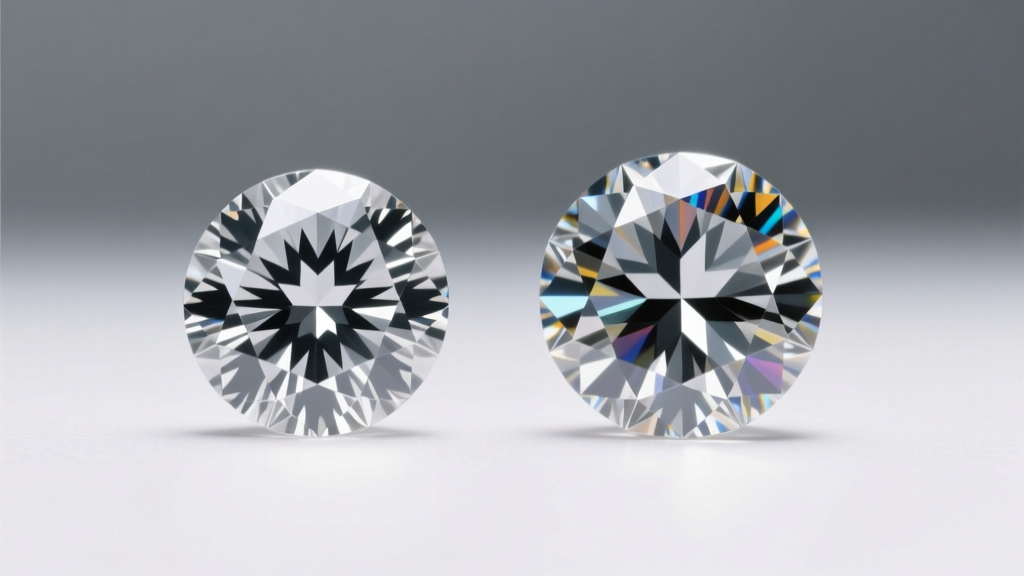
LEO vs. Standard Round Brilliant: The Facet Breakdown
To truly appreciate a LEO diamond necklace, you need to understand how it compares to the industry standard. Below is a structural and optical comparison to help you visualize the difference.
| Feature | Standard Round Brilliant | LEO Diamond Cut |
|---|---|---|
| Facet Count | 57 - 58 | 82 |
| Primary Light Effect | Brilliance (Bold, mirror-like flashes) | Scintillation (Crushed ice, rapid sparkles) |
| Pavilion Facets | 24 (typically) | 40+ (Patented arrangement) |
| Price Premium | Baseline Market Price | +10% to +20% (Branded premium) |
| Best Setting | Prong, Bezel, Tension | Solitaire Prong, Halo (to maximize light entry) |
'While a standard round brilliant acts like a mirror reflecting a beam of light, a LEO diamond acts like a prism shattering that beam into a thousand dancing pinpoints of light.'
How to Choose Your LEO Diamond Pendant: The 4Cs
Because the optical physics of an 82-facet stone differ from a standard cut, the traditional '4Cs' (Cut, Color, Clarity, Carat) apply slightly differently when you are selecting a LEO diamond necklace.
1. Cut and Light Performance
The cut is already predetermined as the patented LEO design. However, you should always look for a GemEx Light Performance Report. This certificate measures Brilliance, Fire, and Scintillation. For a LEO diamond, you want a stone that scores in the top tier for Scintillation, as that is the stone's primary superpower.
2. Color Grades
The intense, busy facet pattern of the LEO cut is incredibly forgiving when it comes to color. The shattered light return masks the subtle yellow or brown tints that might be visible in a step-cut stone like an Emerald or Asscher. Beginner Hack: You can safely drop to an H or I color grade without noticing any warmth, saving you hundreds, if not thousands, of dollars compared to a D or E color stone.
3. Clarity Grades
Similarly, the 'crushed ice' scintillation hides internal flaws beautifully. An SI1 (Slightly Included) or even a very well-selected SI2 will often appear entirely eye-clean because the rapid flashing of the 82 facets distracts the human eye from internal inclusions. Avoid spending extra money on VVS (Very Very Slightly Included) clarity unless it is for personal peace of mind.
4. Carat Weight vs. Face-Up Size
Be aware that the deep pavilion required to accommodate 82 facets can sometimes mean the stone 'faces up' (looks from the top down) slightly smaller than a standard round brilliant of the exact same carat weight. Always check the millimeter (mm) measurements on the grading report. A 1.00ct LEO might measure 6.2mm across, whereas a standard 1.00ct round brilliant typically measures 6.4mm to 6.5mm.

Pricing Expectations in 2026
Because the LEO diamond is a branded, patented cut, it carries a premium over generic, unbranded diamonds. As of 2026, market trends show that branded cuts hold their retail value slightly better than generic stones, though you are still paying for the brand name. Here is a realistic pricing framework for a solitaire LEO diamond pendant (excluding the chain):
- 0.50 Carat (H Color, SI1 Clarity): $1,400 – $2,200
- 0.75 Carat (H Color, SI1 Clarity): $2,500 – $3,800
- 1.00 Carat (G Color, VS2 Clarity): $4,500 – $7,000
- 1.50 Carat (G Color, VS2 Clarity): $8,500 – $12,000
Note: Prices fluctuate based on the retailer, the specific light performance score, and whether the stone is natural or lab-grown. Lab-grown LEO diamonds will be significantly less expensive, often cutting the prices above by 60% to 80%.
Chain Selection and Layering Techniques
A LEO diamond pendant deserves a chain that complements its intense sparkle without overpowering it. Because the pendant relies on light entering from all angles, avoid thick, solid chains that cast shadows on the stone.
The Best Chain Styles
- Box Chain (1.2mm to 1.5mm): The square links of a box chain reflect light independently, creating a secondary layer of scintillation that pairs perfectly with the LEO cut.
- Wheat Chain (1.0mm to 1.2mm): Woven and textured, wheat chains offer incredible durability and a vintage aesthetic that contrasts beautifully with the modern cut of the diamond.
- Cable Chain (1.5mm): A classic, minimalist choice that lets the diamond do 100% of the talking.
Metal Considerations
For the setting and chain, 14k or 18k white gold or platinum are the best choices. The cool-toned metals enhance the icy, shattered-light effect of the 82 facets. Yellow gold can sometimes reflect its own color into the pavilion of the diamond, which might clash if you opted for an H or I color grade.
Care and Maintenance
The intricate facet junctions on the pavilion of a LEO diamond can trap skin oils, lotions, and soap more easily than a standard cut. When a LEO diamond gets dirty, it loses its signature scintillation and can look flat or cloudy.
Cleaning Routine: Soak the necklace in a bowl of warm water with a few drops of mild dish soap for 15 minutes. Use a soft-bristled baby toothbrush to gently agitate the underside of the pendant (the pavilion). Rinse with distilled water and dry with a lint-free microfiber cloth. Avoid ultrasonic cleaners if your pendant features a delicate tension setting or if the diamond has been fracture-filled, though standard natural LEO diamonds in prong settings are generally ultrasonic-safe.
Final Verdict: Is a LEO Diamond Necklace Right for You?
If you are a purist who values the classic, bold, mirror-like flashes of a traditional round brilliant, the LEO cut might feel too 'busy' for your taste. However, if you want a diamond that dances with light, offers a unique conversation-starting backstory, and allows you to save money by dropping down in color and clarity grades, a LEO diamond necklace is an exceptional, beginner-friendly choice that delivers massive visual impact.


