Sharks Tooth Necklace Value: Real vs Faux Pricing Guide
Discover the true value of a sharks tooth necklace. We break down fossil vs. faux pricing, CITES laws, and how to spot fakes in our 2026 buyer's guide.

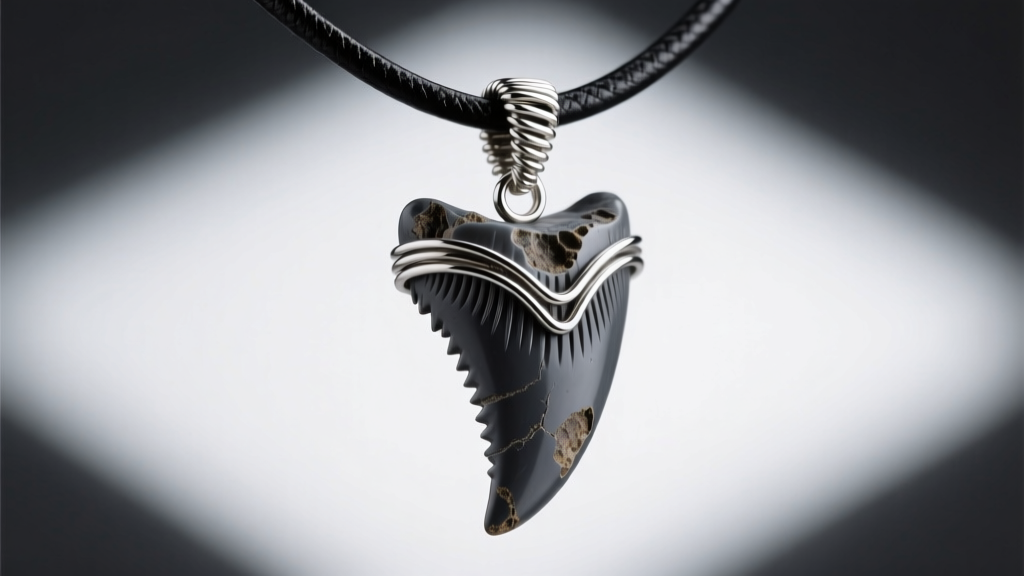
The True Cost of a Sharks Tooth Necklace in Today's Market
The appeal of oceanic jewelry has surged over the last decade, but as we move through 2026, the market for a sharks tooth necklace has become increasingly complex. Buyers are no longer just looking for a casual beach souvenir; they are seeking ethically sourced, historically significant, or high-end artisanal pieces. However, this demand has also flooded the market with sophisticated counterfeits and ethically questionable modern specimens. Whether you are a collector of paleontological artifacts or a surfer looking for a meaningful talisman, understanding the budget and value assessment of these pendants is critical to avoid overpaying for fakes or inadvertently supporting illegal wildlife trade.
In this comprehensive value guide, we dissect the pricing tiers of shark tooth jewelry, from mass-produced resins to gem-grade fossilized Megalodon specimens. We will also cover the legal frameworks governing modern teeth and provide actionable authentication tests you can perform before making a purchase.
Real vs. Faux: A Material and Pricing Breakdown
Not all shark teeth are created equal. The value of your necklace depends heavily on the material, the species, and the sourcing method. Below is a structured breakdown of what you should expect to pay in the current market.
| Material / Type | Average Price Range | Durability (Mohs) | Ethical / Legal Status |
|---|---|---|---|
| Polyurethane Resin | $12 - $35 | 2.0 - 3.0 | Ethical, Vegan, Mass-Produced |
| Carved Bovine Bone | $25 - $60 | 5.0 | Ethical Byproduct, Hand-Carved |
| Modern Shed (Mako/Tiger) | $45 - $150 | 5.0 - 6.0 | Legal, Naturally Shed, Sustainable |
| Fossil Megalodon (3-4") | $80 - $250 | 5.5 - 6.5 | Legal, Extinct, Collectible |
| Gem-Grade Megalodon (5"+) | $500 - $3,000+ | 6.0 - 7.0 | Legal, Extinct, Investment-Grade |
As the table illustrates, a genuine Carcharocles megalodon fossil commands a significant premium over modern shed teeth or faux alternatives. However, a high-quality resin piece from a reputable artisan might offer better aesthetic consistency for everyday beachwear, where saltwater and sand can damage softer natural materials.
The Fossil Premium: Megalodon Valuation Factors
When assessing the value of a fossilized Megalodon tooth, paleontologists and jewelers use a specific set of criteria that goes far beyond mere size. The fossilization process replaces the original organic dentin with minerals like chlorapatite and fluorapatite, which dictates the tooth's color, hardness, and ultimate value.
- Enamel Preservation: The crown's enamel should be glossy and intact. Peeling, flaking, or chalky enamel drastically reduces the value, often dropping a $300 tooth down to the $50 range.
- Serration Sharpness: Under magnification, high-value specimens retain the microscopic saw-like serrations used for cutting through prehistoric whales. Worn serrations indicate heavy river-tumbling, which lowers the grade.
- Root Integrity: The basal lobes of the root must be symmetrical and unbroken. A cracked or missing root compromises the structural integrity, making it risky for jewelers to wire-wrap or drill.
- Color Rarity: While brown and grey are common, deep blues (caused by phosphate absorption) and striking reds (from iron oxide) command a 30% to 50% premium in the collector's market.
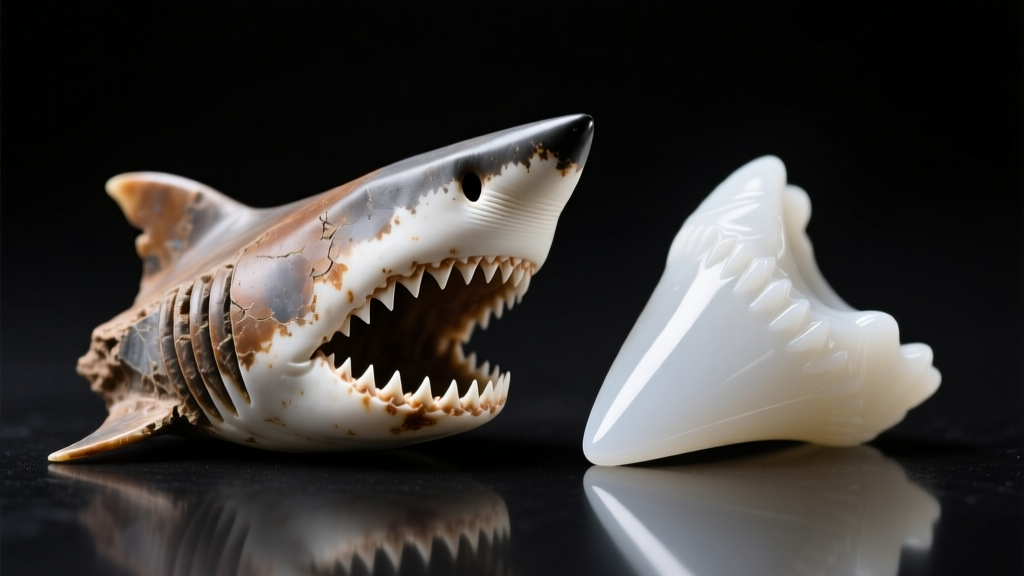
Modern Teeth and the CITES Factor
If you prefer a modern, non-fossilized tooth, you must navigate international wildlife protection laws. The Convention on International Trade in Endangered Species (CITES Species Database) strictly regulates the trade of many apex predators.
Warning: The Great White Shark (Carcharodon carcharias) is listed under CITES Appendix II. Purchasing modern Great White teeth without verifiable, government-issued permits is illegal in most jurisdictions and directly funds marine poaching. Always opt for naturally shed teeth from unregulated species like the Shortfin Mako or Tiger Shark, sourced from verified ethical bycatch programs.
Assessing the Hardware: Don't Cheap Out on the Chain
A $400 gem-grade Megalodon fossil loses its prestige when hung on a $5 brass chain that turns your chest green. When budgeting for a sharks tooth necklace, allocate at least 20% of your total spend to the hardware and assembly method.
Chain Materials for Oceanic Environments
Shark tooth necklaces are frequently worn in saltwater, sweat, and high-humidity environments. Standard gold-plated brass or low-grade stainless steel will corrode, pit, or tarnish rapidly. For lasting value, insist on:
- 925 Sterling Silver: The industry standard. It will tarnish over time but can be easily polished. Ensure the clasp is stamped '925'.
- Grade 23 Titanium (Ti-6Al-4V ELI): Highly recommended for surfers and divers. It is completely impervious to saltwater corrosion, hypoallergenic, and possesses a tensile strength that prevents snapping during wipeouts.
- Solid 14k or 18k Gold: Best for luxury, investment-grade fossil pendants. Avoid gold vermeil for daily ocean wear, as the silver base will eventually compromise when exposed to salt.
Assembly: Wire-Wrapping vs. Drilling
How the tooth is attached to the chain fundamentally impacts its resale value and structural health. Drilling a hole through the root or crown of a valuable fossil causes micro-fractures and permanently devalues the specimen in the paleontology market. Wire-wrapping or using a custom-cast bezel bail preserves the fossil's integrity. If a vendor is selling a high-end Megalodon tooth that has been drilled straight through the enamel crown, walk away—it is a sign of amateur assembly that destroys the piece's long-term value.
How to Spot a Fake Shark Tooth
As 3D printing and resin casting technologies have advanced in 2026, visual inspection alone is no longer sufficient to verify authenticity. Faux teeth made from polyurethane resin or stained bovine bone can easily mimic the weight and color of real dentin. Use these three professional authentication tests before finalizing your purchase:
1. The Thermal Conductivity Test
Real shark teeth, whether modern or fossilized, are incredibly dense. When you press a genuine tooth against your cheek or the inside of your wrist, it will feel distinctly cold and will take several seconds to absorb your body heat. Resin and plastic fakes feel room-temperature and warm up almost instantly. Carved bone falls somewhere in the middle but often feels slightly chalky or porous compared to the glass-like density of fossilized enamel.
2. The UV Fluorescence Test
Fossilized teeth absorb trace minerals from the earth over millions of years. When exposed to a 365nm ultraviolet (UV) flashlight, genuine fossilized dentin and enamel often fluoresce in distinct patterns—typically glowing in shades of green, yellow, or pale blue due to the presence of rare earth elements or uranium traces. Resin replicas will either show no fluorescence or will glow uniformly due to chemical optical brighteners added to the plastic mold.
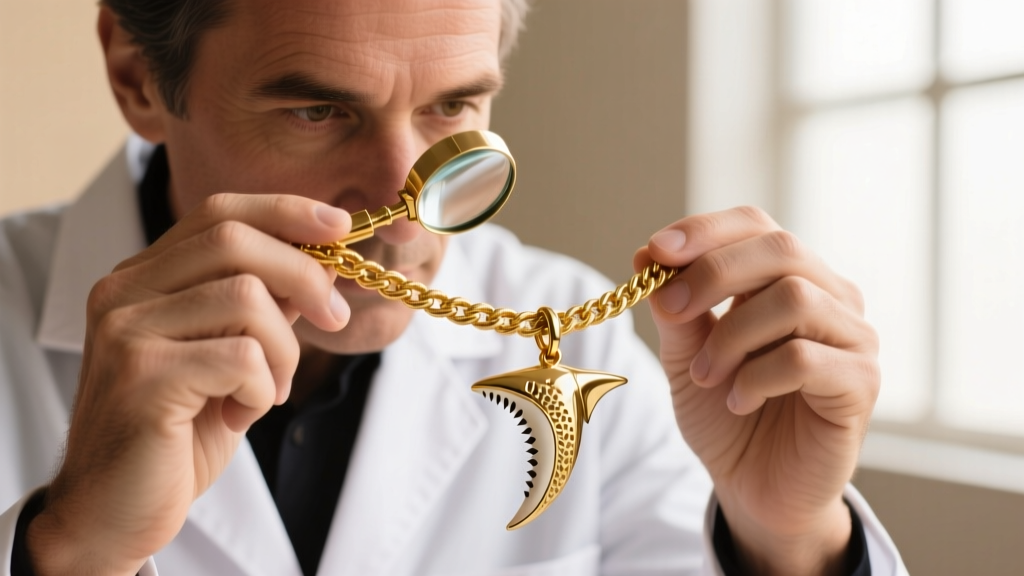
3. The Magnification Seam Check
Use a 10x jeweler's loupe to inspect the edges and the transition between the crown and the root. Molded resin and ceramic fakes often reveal a faint, vertical seam line where the two halves of the silicone mold met during casting. Additionally, look closely at the serrations. Real teeth exhibit natural asymmetry and micro-wear patterns from the animal's life, whereas fakes often feature perfectly uniform, machine-milled serrations or tiny air bubbles trapped just beneath the surface of the 'enamel'.
Final Verdict: Where Should You Spend Your Budget?
If your budget is under $50, you are better off purchasing a high-quality, hand-carved bovine bone replica or a premium resin piece set in sterling silver. These offer excellent durability for daily surf and beach wear without the anxiety of losing a valuable investment in the ocean.
For budgets between $100 and $300, seek out a 3.5 to 4.5-inch fossilized Megalodon tooth with intact serrations and a wire-wrapped sterling silver bail. This tier offers the best intersection of historical fascination, ethical sourcing, and jewelry aesthetics. Always demand a certificate of authenticity or a detailed provenance statement from the vendor, ensuring your sharks tooth necklace is not only a stunning piece of jewelry but a legally and ethically sound investment.


