How to clean sterling silver necklace: Expert Tarnish Removal
Learn how to clean sterling silver necklace chains and pendants safely. Expert troubleshooting for heavy tarnish, gemstone protection, and chain snags.

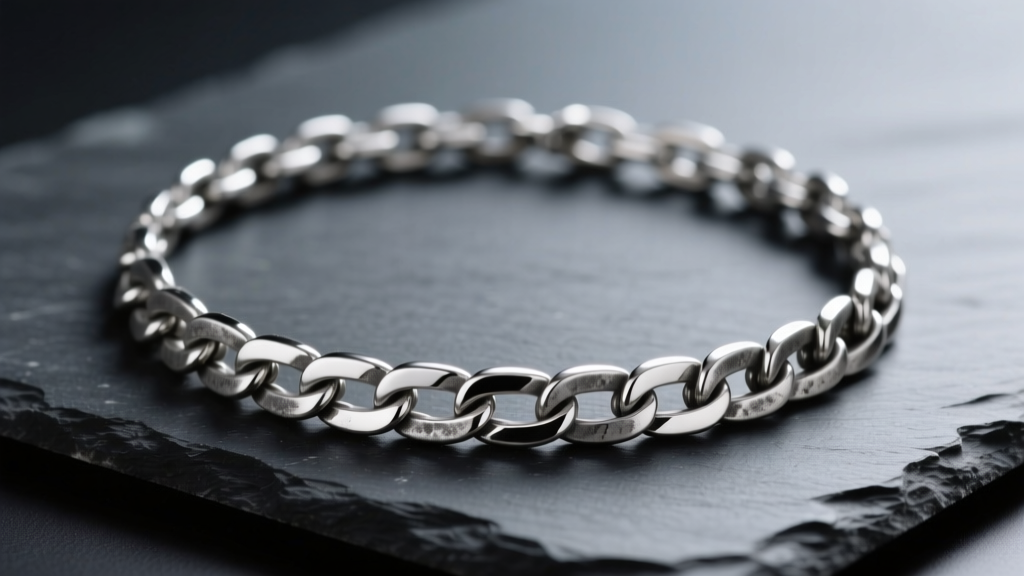
Sterling silver is a timeless choice for necklaces and pendants, but its brilliant luster inevitably fades when exposed to everyday environments. If you are searching for how to clean sterling silver necklace pieces without causing micro-scratches or damaging delicate gemstone inlays, you need to look beyond generic internet hacks. As jewelry professionals, we see countless chains ruined by abrasive pastes and harsh chemical dips. This guide provides a deep-dive, metallurgical approach to troubleshooting tarnish, restoring intricate chain weaves, and protecting porous stones.
The Chemistry of Silver Tarnish: Why Your Necklace Turns Black
To effectively clean silver, you must understand what you are actually removing. Sterling silver is an alloy composed of 92.5% pure silver and 7.5% copper (hence the '925' stamp). Pure silver is highly resistant to tarnish, but the copper added for structural integrity reacts with moisture and sulfur in the air.
The black or dull gray film on your necklace is not dirt; it is silver sulfide ($Ag_2S$). This chemical reaction accelerates in high humidity, or when the silver is exposed to sulfur-rich materials like wool, felt, rubber bands, and even certain cosmetics or perfumes. Understanding this chemical bond is crucial because it dictates why mechanical scrubbing is often the wrong approach for heavy tarnish.
The Electrochemical Aluminum Foil Method (For Plain Chains)
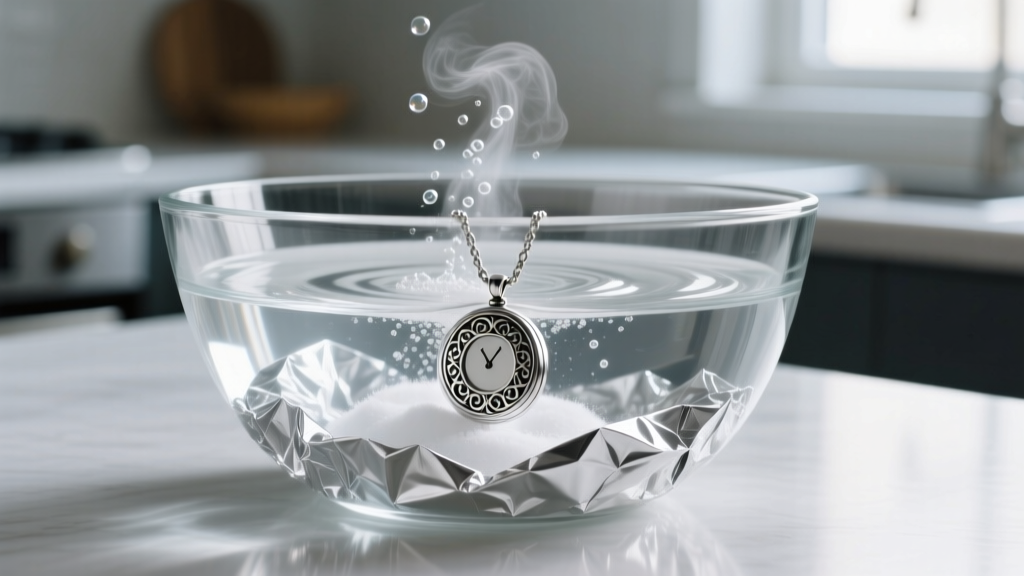
For plain sterling silver chains (box, cable, or rope weaves) without gemstones, the most effective and least abrasive method relies on electrochemistry, not friction. This process reverses the tarnishing reaction, converting silver sulfide back into pure silver while transferring the sulfur to the aluminum.
Step-by-Step Ionic Exchange Protocol
- Prepare the Bath: Line a glass or ceramic bowl with aluminum foil, shiny side up. (Do not use metal bowls, as they will interfere with the ion exchange).
- Add the Catalysts: Sprinkle 1 tablespoon of baking soda (sodium bicarbonate) and 1 tablespoon of non-iodized salt over the foil.
- Activate with Heat: Pour boiling water into the bowl to fully submerge the necklace. The heat accelerates the electrolyte solution's conductivity.
- The Reaction: Using wooden tongs, submerge the plain silver chain. Ensure the silver physically touches the aluminum foil. You will immediately see tiny bubbles and smell a faint sulfur (rotten egg) odor.
- Rinse and Dry: After 3 to 5 minutes, remove the chain, rinse thoroughly with distilled water to prevent hard water spots, and pat dry with a microfiber cloth.
Troubleshooting Note: If your necklace has a rhodium plating or an anti-tarnish lacquer coating, this method will be ineffective, as the barrier prevents the silver sulfide from contacting the aluminum.
Troubleshooting Gemstone & Pearl Inlays (What NOT to Do)
The most common mistake consumers make when figuring out how to clean sterling silver necklace pendants is treating the entire piece as a single material. Submerging a pendant featuring porous gemstones in boiling baking soda or commercial silver dips will permanently destroy the stone's matrix and luster.
According to the GIA Pearl Care Guide, organic gems and porous stones require strictly mechanical, damp-cloth cleaning. Below is a troubleshooting matrix for common necklace inlays:
| Gemstone Type | Mohs Hardness | Porosity & Sensitivity | Safe Cleaning Method |
|---|---|---|---|
| Pearl (Organic) | 2.5 - 4.5 | Highly porous; destroyed by acids, heat, and ammonia. | Wipe with a damp, soft cloth. Never submerge. |
| Turquoise | 5.0 - 6.0 | Porous; absorbs chemicals and oils, altering color. | Dry microfiber cloth only. Avoid all liquids. |
| Opal | 5.5 - 6.5 | Contains up to 20% water; heat causes crazing/cracking. | Lukewarm water and mild soap. No heat, no ultrasonic. |
| Diamond / Sapphire | 9.0 - 10.0 | Non-porous; highly resistant to chemicals and heat. | Safe for ultrasonic, ammonia dips, and boiling. |
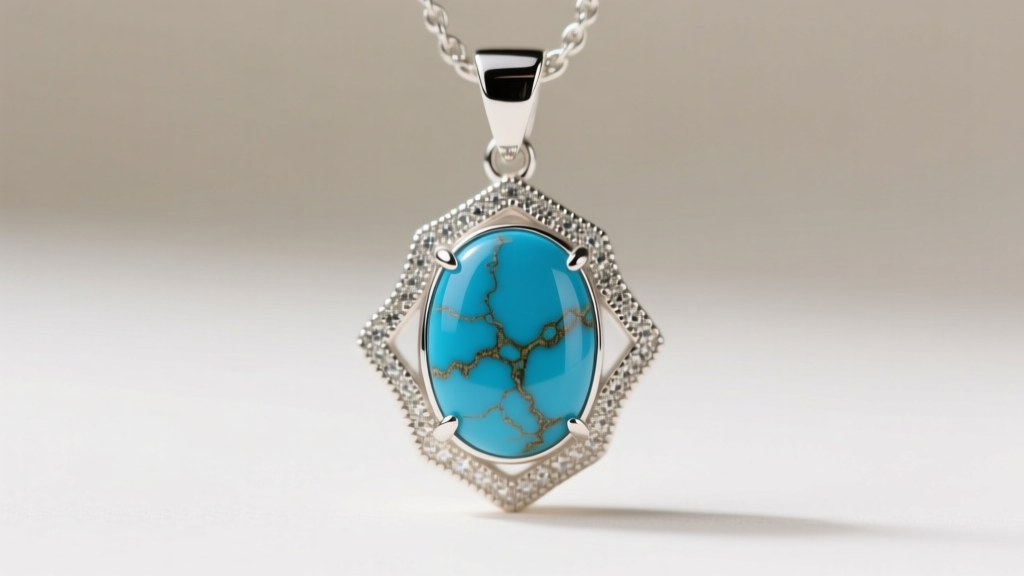
For necklaces with turquoise or pearl inlays, use a Q-tip dipped in mild soapy water to carefully trace the silver bezel setting, avoiding the stone entirely. For comprehensive care standards on delicate gems, always refer to the GIA Silver Care Guide before applying any chemical solutions.
Deep Cleaning Intricate Chain Weaves and Clasp Crevices
Different chain styles present unique troubleshooting challenges. Tarnish loves to hide in the microscopic gaps of complex weaves, leading to blackened crevices that ruin the necklace's overall aesthetic.
- Box Chains & Wheat Chains: These feature tight, interlocking square or woven links. Use a soft-bristled baby toothbrush (never a standard adult toothbrush, as the stiff nylon will leave micro-scratches on the 925 silver). Dip the brush in a mixture of warm water and a single drop of phosphate-free dish soap, and gently stroke along the grain of the chain.
- Snake Chains: The smooth, continuous surface of a snake chain easily traps skin oils and lotion between the microscopic metal bands. Wrap the chain around a clean, soft cotton swab and gently rotate it to lift out embedded grime from the horizontal grooves.
- Lobster Claw Clasps: The spring mechanism inside the clasp often accumulates green copper oxidation. Use a wooden toothpick to gently scrape the inside of the clasp trigger. Avoid spraying WD-40 or oil-based lubricants, which will attract dust and create a sludge that jams the spring.
The Danger of Commercial Silver Dips
Many consumers reach for commercial 'silver dip' liquids promising instant results. While these thiourea-based acid baths do strip tarnish in seconds, they are highly toxic and often strip the silver of its natural patina, leaving it with a flat, chalky white appearance. Furthermore, if the dip is not neutralized and rinsed perfectly, residual acids will continue to eat into the copper alloy, causing the necklace to tarnish twice as fast within a matter of days. Stick to the aluminum foil method or specialized, non-toxic silver polishing cloths impregnated with micro-abrasives.
Preventative Storage & Anti-Tarnish Tech
Solving the tarnish problem permanently requires environmental control. Storing your sterling silver necklaces in a standard jewelry box lined with felt or velvet is a recipe for rapid oxidation, as these fabrics often contain sulfur compounds and trap ambient moisture.
Instead, invest in Pacific Silvercloth or specialized anti-tarnish zip bags infused with activated charcoal and copper particles. These materials act as sacrificial anodes, absorbing hydrogen sulfide gas before it can reach your silver. Always store necklaces laid flat or hung individually to prevent the chains from tangling and scratching one another, and toss a small packet of silica gel into your storage drawer to maintain a relative humidity below 50%.


