How the Average Size of Necklace Dictates Your Cleaning Routine
Discover how the average size of necklace impacts your jewelry care routine. Learn length-specific cleaning, storage, and maintenance tips.

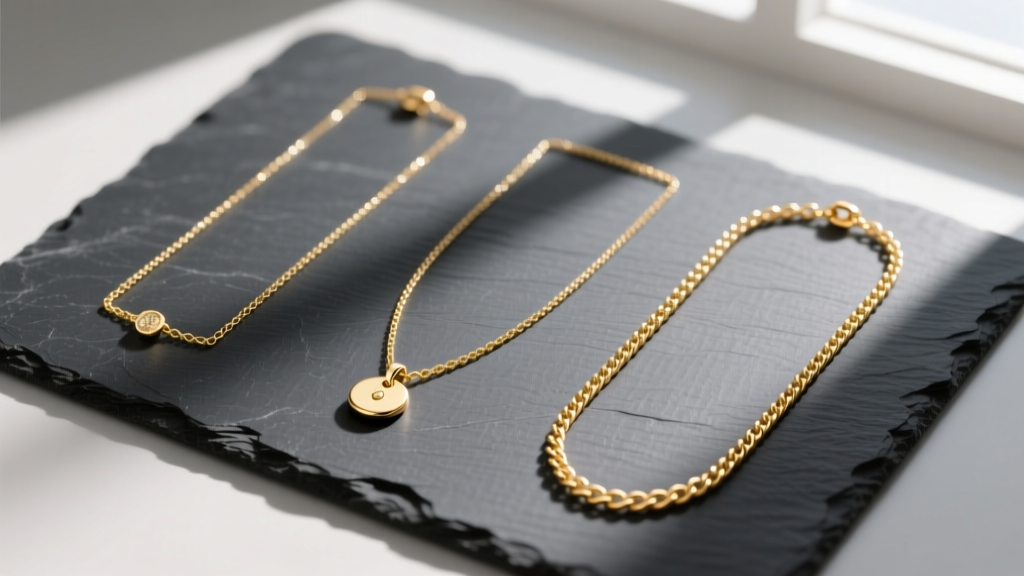
Why Necklace Length Changes the Rules of Jewelry Care
When jewelry enthusiasts discuss maintenance, the conversation usually revolves around metal purity or gemstone hardness. However, one of the most critical yet overlooked variables in jewelry preservation is the physical dimension of the piece. Understanding the average size of necklace styles—and how they interact with the human body and the environment—is essential for developing an effective care protocol. For women, the average size of necklace worn daily is the 18-inch 'princess' length, while for men, the standard rests around 20 to 22 inches.
These varying lengths dictate the degree of skin contact, the amount of friction against clothing, and the pendulum-like swing that causes impact damage. A 14-inch choker faces entirely different environmental stressors than a 30-inch opera chain. According to the Gemological Institute of America (GIA), environmental exposure is the leading cause of premature jewelry degradation. In this comprehensive guide, we break down how to clean, maintain, and store your necklaces based strictly on their length and gauge.
The Friction Factor: Caring for Chokers and Collars (14-16 Inches)
Necklaces that sit high on the neck, typically measuring 14 to 16 inches, maintain continuous contact with the skin. This constant proximity exposes the metal and gemstones to a harsh cocktail of sebum (skin oils), urea from sweat, and residual cosmetic polymers from lotions and perfumes. Sterling silver chokers, for instance, will tarnish exponentially faster than longer chains due to the sulfur and salts present in human perspiration.
Targeted Cleaning Protocol for Short Chains
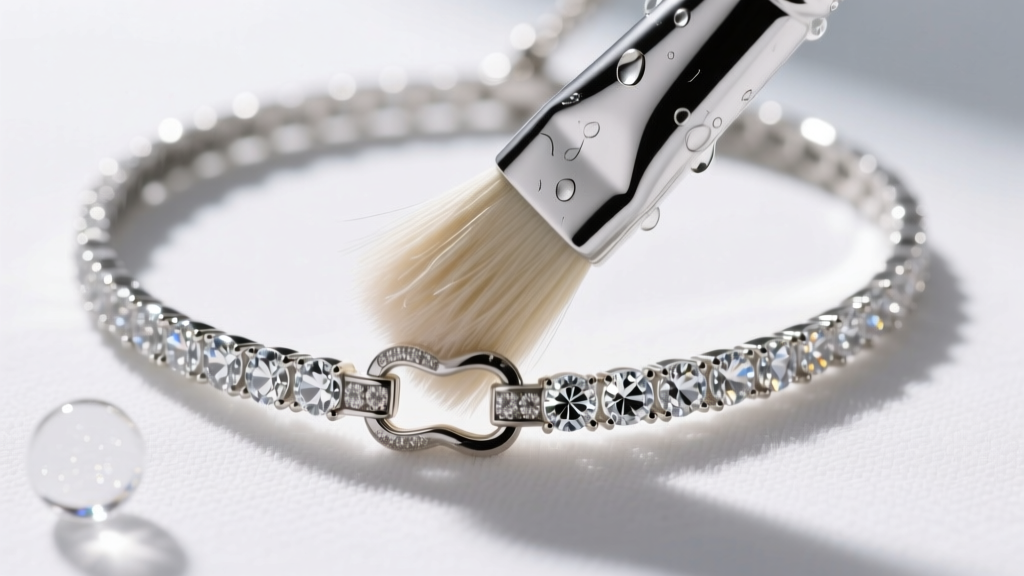
Because of the high level of organic buildup, short necklaces require more frequent, albeit gentler, cleaning. Avoid harsh chemical dips, which can strip the rhodium plating often found on white gold chokers. Instead, utilize a pH-neutral cleaning approach:
- Solution: Mix three drops of mild, phosphate-free dish soap (like Dawn) into a bowl of distilled, lukewarm water. Tap water contains chlorine and calcium that can leave micro-deposits on gemstones.
- Agitation: Soak the 14-to-16-inch chain for exactly 3 minutes. Use a baby-soft toothbrush to gently agitate the clasp mechanism and the jump rings, where skin cells and cosmetics accumulate most densely.
- Drying: Pat dry with a lint-free microfiber cloth. Never air-dry a choker, as water spots will form on the links that rested against the collarbone.
The Standard 18-Inch Chain: Daily Wear Maintenance
The 18-inch chain represents the true average size of necklace for the modern woman. Resting right at the collarbone, it balances skin contact with exposure to the outside world. Chains of this length—particularly intricate weaves like rope or Figaro—are prone to trapping microscopic debris in their crevices, leading to a dull, grayish appearance over time.
Deep Cleaning the Average Length
For an 18-inch chain worn daily, a monthly deep clean is necessary to restore light refraction, especially if the chain features diamond or sapphire accents. While ultrasonic cleaners operating at 40kHz are highly effective at vibrating dirt out of tight rope-chain twists, they must be used with caution. The high-frequency vibrations can loosen the settings of older, worn prongs. If your 18-inch necklace features porous gems like pearls, opals, or emeralds, ultrasonic cleaning is strictly prohibited, as the vibrations can cause internal fracturing.
| Metal Type (18-Inch Chain) | Recommended Cleaning Agent | Frequency | Ultrasonic Safe? |
|---|---|---|---|
| 14k / 18k Yellow Gold | Mild ammonia-based solution | Bi-weekly | Yes (if no porous gems) |
| Sterling Silver (925) | Specialized silver dip (thiourea) | Monthly | No (causes pitting) |
| Platinum (950) | Warm water + dish detergent | Weekly | Yes |
| White Gold (Rhodium) | pH-neutral liquid soap | Bi-weekly | Yes (short duration only) |
Matinee and Opera Lengths (20-30 Inches): Impact and Tangling
When you move beyond the average size of necklace into matinee (20-24 inches) and opera (28-36 inches) lengths, the primary threats shift from skin oils to kinetic damage. Longer chains swing freely, making them susceptible to impact against desks, steering wheels, and tables. Furthermore, the increased surface area and weight of longer chains put immense tensile stress on the clasp and the terminal jump rings.
Polishing and Structural Inspections
Maintenance for longer chains focuses heavily on structural integrity and surface polishing. A 30-inch gold chain weighing over 15 grams will naturally stretch over time if stored improperly or subjected to sudden yanks. According to guidelines from Jewelers of America, annual professional inspections are vital for heavy, long chains to check for link thinning. At home, your maintenance should involve using a treated jewelry polishing cloth to remove surface micro-scratches caused by the chain swinging against zippers and buttons.
Expert Tip: Never pull an opera-length chain over your head if the clasp is a standard lobster or spring ring. The tension required to stretch a 30-inch chain over a head can easily snap a 0.8mm gauge link or warp the spring mechanism inside the clasp. Always unfasten it.
Storage Protocols Based on Chain Length and Gauge
How you store your necklaces is just as important as how you clean them. Tangled chains lead to kinked links, and kinked links are structural weak points. The storage method must adapt to the length and gauge (thickness) of the metal.
Short to Average Lengths (14-20 Inches)
Chains within or near the average size of necklace are best stored hanging. Utilize a jewelry arbor or wall-mounted hooks with a felt lining. Ensure the clasp is fastened to the last link before hanging to prevent the chain from slipping through and knotting. For chains thinner than 1.0mm, store them individually in anti-tarnish ziplock bags with a piece of activated charcoal to absorb ambient sulfur.
Long and Heavy Chains (24+ Inches)
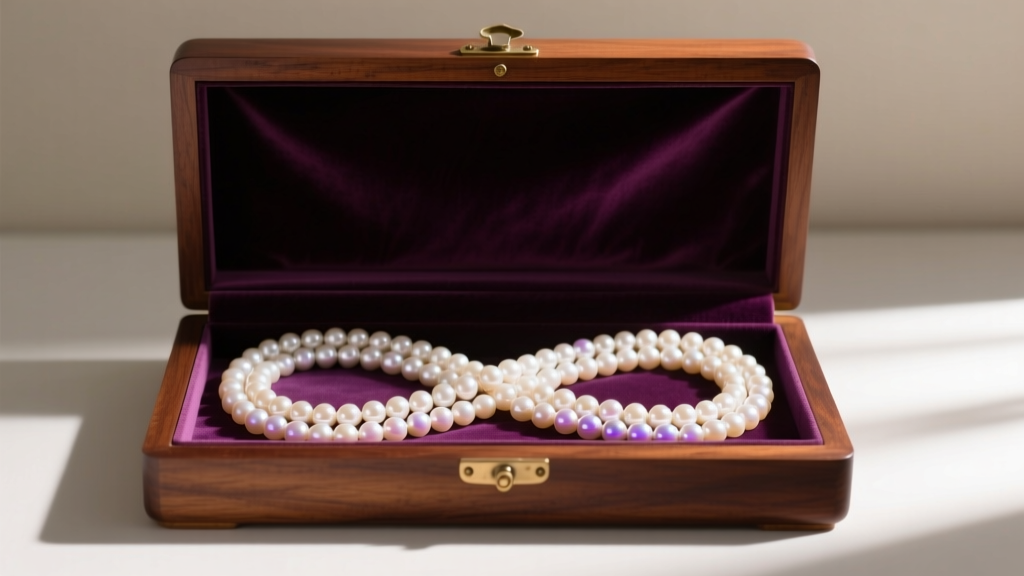
Opera and rope-length chains should never be hung, as the dead weight will slowly elongate the links, particularly in softer metals like 22k gold or pure silver. Instead, lay them flat in a velvet-lined drawer. To prevent tangling, coil the chain in a loose 'figure-eight' pattern and secure it with a twist tie wrapped in tissue paper. This distributes the weight evenly and prevents the chain from crossing over itself and forming stubborn knots.
Expert Troubleshooting: When Length-Specific Wear Causes Damage
Even with meticulous care, the physical dimensions of a necklace will eventually lead to specific wear patterns. Here is how to troubleshoot the most common length-related issues:
- The 'Bail Wear' on 18-Inch Pendants: On the average size of necklace, the pendant bail (the loop connecting the charm to the chain) experiences constant friction. If you notice the bail thinning, have a jeweler solder a tiny platinum or gold sleeve inside the bail to act as a sacrificial wear-layer, saving your main pendant.
- Clasp Stretch on Heavy 24-Inch Chains: If your matinee chain frequently falls open, the spring inside the lobster clasp is likely fatigued from supporting the chain's swinging weight. Upgrade to a 'trigger' or 'fold-over' magnetic clasp, which offers superior tensile strength for heavier, longer pieces.
- Kinked Herringbone or Snake Chains: These fluid, multi-link chains are notorious for kinking if slept in. If a kink occurs, do not attempt to bend it back with your fingers, which will snap the micro-links. Lay the chain flat on a hard surface and gently roll a smooth, heavy glass cylinder over the kink to coax the links back into alignment.
By respecting the physical dimensions of your jewelry and tailoring your maintenance routine to the specific length and gauge, you ensure that your collection remains pristine, structurally sound, and brilliantly reflective for decades to come.


