Light Bulb Necklace Anatomy: LED Tech & Materials
Explore the engineering, LED technology, and material science behind the modern light bulb necklace. Expert guide to functional pendants.

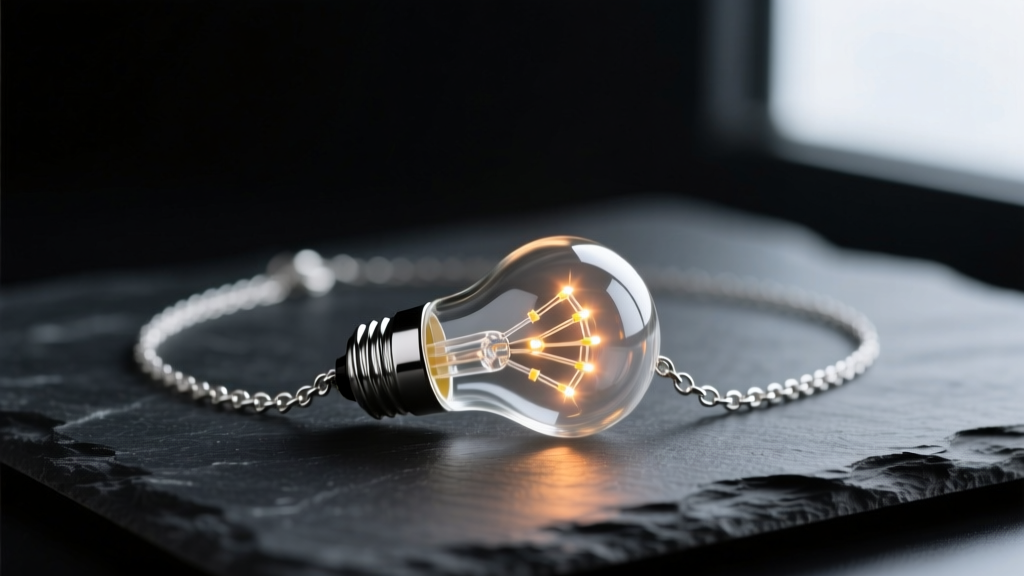
The modern light bulb necklace has transcended its origins as a quirky novelty item to become a sophisticated intersection of micro-electronics, material science, and contemporary jewelry design. While early iterations relied on bulky battery packs and fragile incandescent filaments, today’s functional pendants are marvels of miniaturization. For jewelers, engineers, and discerning collectors, understanding the technical anatomy of these illuminating accessories is essential. This deep dive explores the precise engineering, metallurgical requirements, and optical physics that define a high-quality, functional light bulb necklace in the modern market.
The Evolution of the Light Bulb Necklace: From Novelty to Nano-Tech
Historically, illuminated jewelry suffered from a severe compromise between aesthetics and wearability. Early light bulb pendants were essentially miniature flashlights disguised as jewelry, utilizing AA batteries hidden in oversized clasps or bulky pendant caps. The paradigm shifted dramatically with the advent of Surface Mount Device (SMD) technology and micro-lithium power cells. According to industry analyses by LEDinside, the miniaturization of high-lumen micro-LEDs has allowed jewelry designers to encapsulate entire lighting circuits within volumes as small as 0.5 cubic centimeters. This technological leap transformed the light bulb necklace from a costume accessory into a legitimate piece of functional tech-jewelry, capable of producing sophisticated color temperatures without sacrificing the delicate silhouette of the pendant.
Micro-LED Integration and Power Supply Mechanics
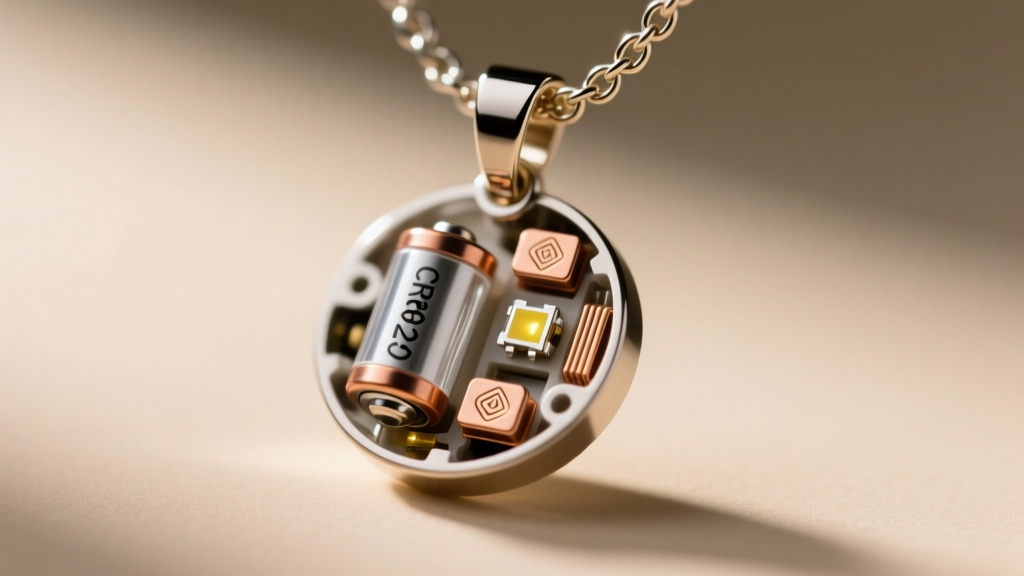
The heart of any functional light bulb necklace is its power and illumination system. High-end pendants typically utilize a CR927 lithium coin cell battery. Measuring just 9mm in diameter and 2.7mm in thickness, the CR927 offers a nominal capacity of roughly 35mAh. When paired with an ultra-low-current SMD LED (often drawing between 3mA and 5mA), this provides approximately 7 to 11 hours of continuous illumination.
However, the true engineering challenge lies in the switching mechanism. Traditional mechanical push-buttons require a physical breach in the pendant’s enclosure, which compromises structural integrity and allows moisture ingress. To solve this, premium light bulb necklaces employ magnetic reed switches. A microscopic glass-encapsulated reed switch is sealed inside the metal base of the bulb, and the user activates the light by swiping a small neodymium magnet hidden inside the pendant's bail or clasp. This hermetic seal ensures the internal copper contacts remain completely isolated from ambient humidity and skin oils, drastically extending the lifespan of the circuit.
Glass vs. Resin: Selecting the Bulb Enclosure
The enclosure of a light bulb necklace dictates not only its optical performance but also its durability and weight distribution. Designers generally choose between hand-blown borosilicate glass and UV-cured polyurethane resin. Each material presents distinct physical properties that affect the final piece.
Borosilicate glass, renowned for its exceptional thermal shock resistance and a low coefficient of thermal expansion (CTE of 3.3 × 10⁻⁶ /K), is the gold standard for artisan pendants. Its refractive index of approximately 1.47 allows for a brilliant, authentic dispersion of light that closely mimics vintage Edison bulbs. However, glass is inherently fragile and heavier. Conversely, UV-cured resin offers superior shatter resistance and a lighter weight profile, but it is prone to micro-scratching and can yellow over time when exposed to prolonged UV radiation and skin acidity. The Gemological Institute of America (GIA) frequently notes that while polymers offer durability, they lack the permanent optical clarity of high-grade silicates.
| Material Property | Borosilicate Glass | UV-Cured Polyurethane Resin |
|---|---|---|
| Refractive Index | ~1.47 (High clarity) | ~1.50 - 1.52 (Slight distortion) |
| Shatter Resistance | Low (Requires careful handling) | High (Impact resistant) |
| Weight (Avg Pendant) | 12 - 18 grams | 5 - 8 grams |
| UV Degradation | None (Permanent clarity) | Moderate (Yellowing over 2-3 years) |
| Manufacturing Method | Lampworking / Hand-blowing | Silicone mold casting |
Chain Metallurgy and Weight Distribution
A frequently overlooked aspect of light bulb necklace design is the tensile strength of the supporting chain. A fully assembled borosilicate glass pendant, complete with a brass base, battery, and magnetic switch, can easily weigh between 15 and 22 grams. While this seems light, the dynamic load placed on a necklace chain during daily wear—such as catching the pendant on a sweater or the sudden deceleration of a swinging pendant—can generate momentary forces exceeding 10 pounds.
Standard 1.2mm sterling silver cable chains are wholly inadequate for this dynamic load and are prone to link deformation and snapping. Expert jewelers recommend upgrading to a 2.0mm box chain or a woven rope chain. Furthermore, material selection is critical. While 925 sterling silver is a classic choice, its yield strength is relatively low. For heavy, functional light bulb pendants, Grade 5 Titanium (Ti-6Al-4V) or solid 14k gold chains provide the necessary tensile strength without requiring bulky, visually intrusive links. As highlighted in metallurgical reviews by JCK, matching the chain's structural integrity to the pendant's dynamic weight is the most common failure point in independent jewelry design.
Maintenance and Troubleshooting Functional Pendants
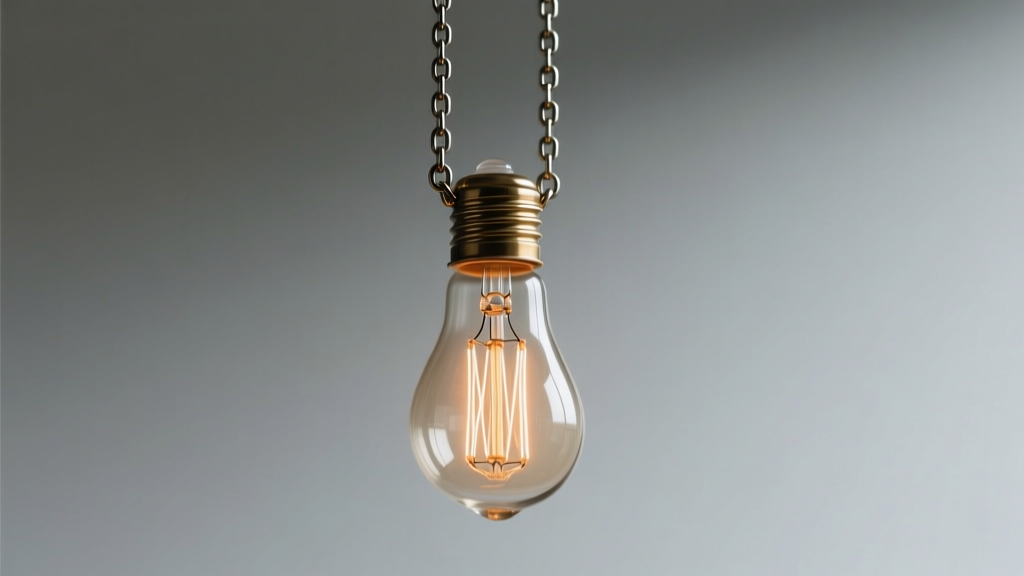
Owning a functional light bulb necklace requires a specific maintenance regimen to ensure the longevity of both the electronic and aesthetic components. The most common failure mode in illuminated pendants is not battery depletion, but contact oxidation. The copper or brass contact strips inside the bulb base can develop a non-conductive patina when exposed to ambient humidity.
- Contact Cleaning: If the LED flickers or fails to ignite, use a cotton swab lightly dampened with 99% isopropyl alcohol to clean the internal battery contacts. Avoid abrasive tools that could strip the gold or nickel plating off the contact springs.
- Battery Seating: The CR927 battery must be seated with the positive terminal facing the LED anode. Due to the tight tolerances of micro-pendants, a slight misalignment can prevent the magnetic reed switch from completing the circuit.
- Moisture Ingress: While high-end pendants feature hermetic seals, vintage-style replicas with cork or rubber stoppers are only splash-resistant (roughly IP44 rated). They must be removed before showering or swimming to prevent catastrophic short-circuiting of the SMD chip.
Expert Styling: Balancing Proportions and Luminescence
From a stylistic perspective, the light bulb necklace serves as a unique focal point that bridges steampunk aesthetics, modern minimalism, and tech-wear. When styling a functional, glowing pendant, the color temperature of the LED plays a crucial role in complementing the wearer's skin tone and wardrobe. A 2700K warm-white LED emits a soft, amber glow reminiscent of early tungsten filaments, making it ideal for evening wear and pairing beautifully with warm metals like rose gold or copper. Conversely, a 6000K daylight LED provides a crisp, icy luminescence that cuts through the visual noise of dark, structured winter clothing, pairing best with platinum, white gold, or brushed titanium chains.
Proportion is equally vital. Because the glass bulb inherently draws the eye downward, the pendant should ideally rest at the collarbone (16-inch chain) or upper sternum (18-inch chain). Dropping the pendant too low on a 24-inch chain not only increases the pendulum effect—putting undue stress on the chain links—but also diminishes the intimate, conversational impact of the glowing filament. By understanding the intricate balance of micro-electronics, material physics, and visual weight, collectors and designers can fully appreciate the light bulb necklace not just as an accessory, but as a triumph of wearable engineering.


