Tory Burch Logo Station Necklace: Troubleshooting & Care
Learn how to fix, clean, and maintain your Tory Burch logo station necklace. Expert troubleshooting for clasps, enamel chips, and tangled chains.

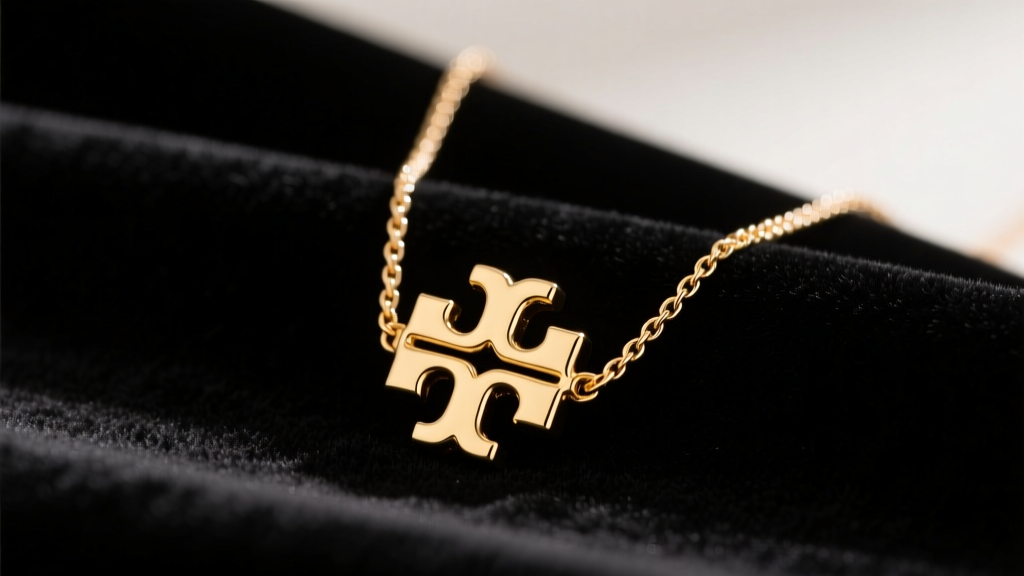
The Tory Burch logo station necklace remains a staple in fashion jewelry, beloved for its versatile layering potential and iconic double-T or enamel disc motifs. However, like most designer fashion jewelry, it is constructed from plated brass and cold enamel rather than solid precious metals and vitreous glass. This specific material combination introduces unique failure modes over time. From stiff lobster clasps to chipped epoxy resin and severely tangled cable chains, understanding the mechanical and chemical vulnerabilities of your necklace is the first step toward effective troubleshooting.
Diagnostic Table: Identifying Your Necklace's Failure Mode
Before attempting any repairs, accurately diagnose the issue. Applying the wrong fix—such as using harsh chemical polishes on plated brass—can permanently strip the finish. Use the table below to identify your specific problem and the corresponding professional solution.
| Issue | Primary Symptom | Root Cause | Recommended Quick Fix |
|---|---|---|---|
| Clasp Stiffness | Lobster claw lever resists opening or fails to snap shut. | Sebum, lotion, or dust trapped in the internal spring mechanism. | Warm soapy soak and hinge clearing with a fine sewing needle. |
| Jump Ring Separation | Logo station feels loose or detaches from the cable chain. | Lateral stress pulling the 3mm-4mm jump ring apart. | Twist closed using nylon-jaw pliers; never pull laterally. |
| Enamel Chipping | Visible brass showing through the black or white logo fill. | Impact damage to the epoxy-based cold enamel resin. | Jeweler's epoxy tinting or warranty replacement (if under 1 year). |
| Plating Wear | Necklace leaves green marks on skin; base metal visible. | Friction wearing through the 0.1-0.5 micron flash plating. | Apply Renaissance Wax or clear nail polish to the skin-contact side. |
Troubleshooting the Lobster Clasp and Jump Rings
The hardware on a standard Tory Burch station necklace typically features a 10mm or 12mm lobster claw clasp and a series of 3mm to 4mm jump rings connecting the logo stations to the 1.2mm cable chain. The most frequent mechanical failure is a stiff or unresponsive clasp lever.
Clearing a Stuck Lobster Clasp
When the clasp lever becomes difficult to pull back, the internal spring is usually obstructed by microscopic debris. Do not apply excessive force, as the cast brass lever can snap. Instead, prepare a solution of warm water and a few drops of mild dish soap (like Dawn). Submerge only the clasp for 10 minutes. Afterward, use a standard sewing needle to gently pick out any softened debris from the hinge crevice. Rinse with distilled water and dry thoroughly with a microfiber cloth. According to the Jewelers of America, avoiding direct contact between mechanical clasps and heavy lotions or perfumes significantly extends the lifespan of the spring tension.
Repairing Separated Jump Rings
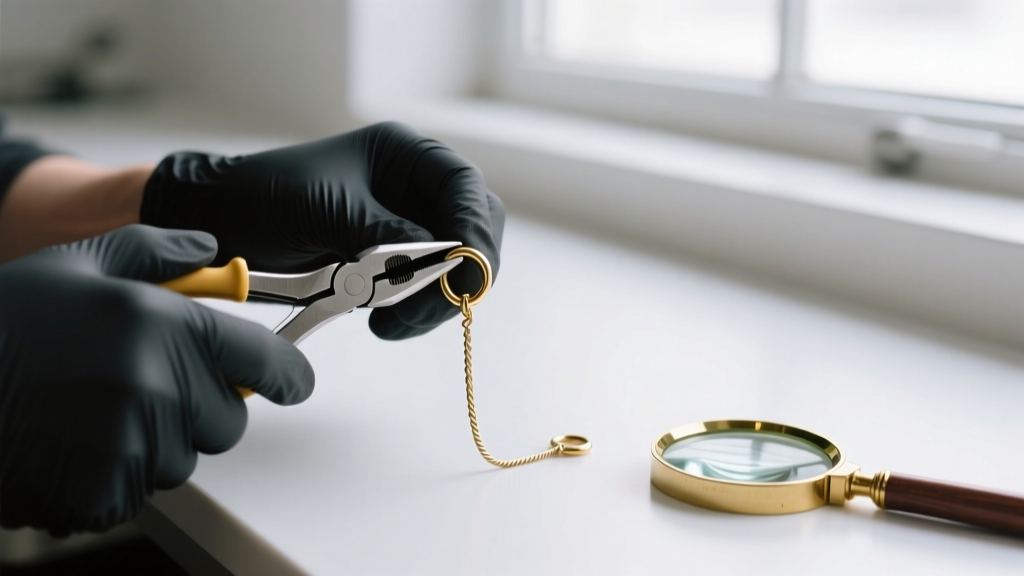 The jump rings securing the logo stations are soldered or tightly butted. If the necklace catches on clothing, the ring can pull open. The critical mistake most people make is trying to pull the ends of the ring apart laterally to re-thread the chain. This permanently distorts the circular shape and weakens the brass. To fix this, use a pair of nylon-jaw pliers (to prevent marring the gold-tone or silver-tone plating). Grip both sides of the split ring and twist one end toward you and the other away from you to open it, thread the chain back through, and twist them back into perfect alignment. For a comprehensive guide on jump ring manipulation, Rio Grande's jewelry technique guides offer excellent visual references for proper twisting mechanics.
Rescuing Damaged Enamel and Plated Finishes
Tory Burch fashion jewelry relies on flash plating—typically a very thin layer of gold or silver (0.1 to 0.5 microns) over a brass base. The logo fills are achieved using cold enamel, which is essentially a pigmented epoxy resin, not kiln-fired vitreous glass.
Addressing Plating Wear and Skin Discoloration
Because flash plating is exceptionally thin, friction from the collarbone and exposure to acidic sweat will eventually wear it away, exposing the raw brass underneath. This is what causes the dreaded green discoloration on your skin. While professional re-plating is possible, it generally costs between $60 and $90, which often exceeds the retail value of the necklace. A highly effective, low-cost preventative measure is to apply a thin coat of Renaissance Wax or a clear, hypoallergenic nail polish to the back of the logo stations. This creates a physical barrier between the brass and your skin, halting the oxidation process.
Fixing Chipped Cold Enamel
If your double-T or disc station suffers an impact that chips the enamel, do not attempt to smooth it with heat. Because cold enamel is an epoxy resin, applying heat will melt the plastic, release toxic fumes, and likely blister the underlying brass plating. For minor chips, you can carefully fill the divot using a two-part jeweler's epoxy mixed with a matching enamel pigment, applying it with a toothpick. For severe damage, check your purchase date; Tory Burch offers a limited one-year warranty that may cover manufacturing defects, though impact damage is usually excluded.
The Cable Chain Tangle Protocol
 Fine 1.2mm cable chains are notorious for tangling, especially when the heavier logo stations act as pendulums, wrapping the chain around itself. The most severe damage occurs when owners pull aggressively at a knot. Pulling places immense sheer stress on the solder points where the jump rings meet the logo stations, frequently causing the logo to snap off entirely.
Step-by-Step Untangling Method
- Preparation: Lay the necklace completely flat on a smooth, hard surface like a glass table or marble countertop. Never untangle it while holding it in the air.
- Lubrication: Generously sprinkle baby powder or cornstarch directly over the knot. The powder reduces the friction between the tiny brass links.
- Manipulation: Take two fine sewing needles or straight pins. Insert the tips into the center of the knot and gently wiggle them in opposite directions to loosen the tension.
- Extraction: Once the central link is loose, use the needles to pull the cable chain links outward, away from the heavy logo stations.
- Cleanup: Once fully untangled, use a soft, dry makeup brush to sweep away the excess powder from the chain links and clasp mechanism.
Preventative Maintenance and Storage Guidelines
Proper storage is the ultimate troubleshooting tool, as it prevents 90% of the issues outlined above. Never toss your Tory Burch logo station necklace into a communal jewelry box. The harder metals and gemstones from other pieces will easily scratch the soft epoxy enamel and strip the flash plating.
Store the necklace individually in a soft flannel pouch or a sealed polyethylene bag equipped with a 3M anti-tarnish strip. The anti-tarnish strip absorbs airborne sulfur compounds that cause the silver-tone and gold-tone plating to oxidize and darken. Finally, always unclasp the necklace before sleeping or showering. Chlorine in tap water and harsh sulfates in shampoos will rapidly degrade the epoxy resin and accelerate the breakdown of the brass plating, turning a beautiful statement piece into a dull, unwearable relic.


