Crafting the Perfect Candy Heart Necklace: A Technical Guide
Discover the technical differences between resin, enamel, and gemstone candy heart necklaces, including chain gauges, UV protection, and care.

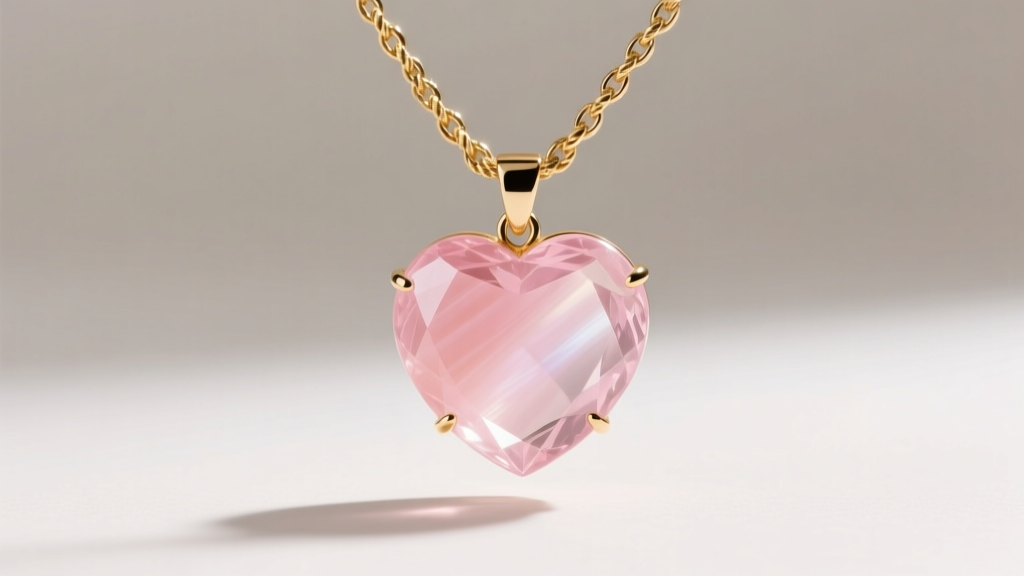
The Material Matrix: Resin, Enamel, and Gemstones
The candy heart necklace has transcended its origins as a seasonal novelty to become a staple of contemporary sentimental jewelry. However, beneath the playful pastel aesthetics lies a complex intersection of material science, lapidary art, and metallurgical engineering. Whether you are evaluating a resin-encased authentic conversation heart, a vitreous enamel replica, or a carved translucent gemstone, understanding the technical specifications is crucial for longevity and wearability. This deep dive explores the structural anatomy of the candy heart necklace, providing actionable frameworks for sourcing, crafting, and maintaining these unique pendants.
Resin-Encased Real Candy: Moisture and UV Chemistry
Real candy hearts, traditionally composed of compressed sugar, corn syrup, and gelatin, possess a highly hygroscopic nature. They absorb ambient moisture, which poses a catastrophic risk when encapsulated in epoxy. If sealed raw, the trapped moisture off-gasses, creating micro-bubbles and eventually fostering fungal degradation within the resin matrix. Expert jewelers mitigate this through lyophilization (freeze-drying), reducing the candy's moisture content to below 1%. Following this, a microscopic polyurethane seal coat is applied before the final pour of UV-stabilized epoxy resin. The resin must contain Hindered Amine Light Stabilizers (HALS) to prevent photo-oxidation, which manifests as severe yellowing when exposed to UVA radiation over time.
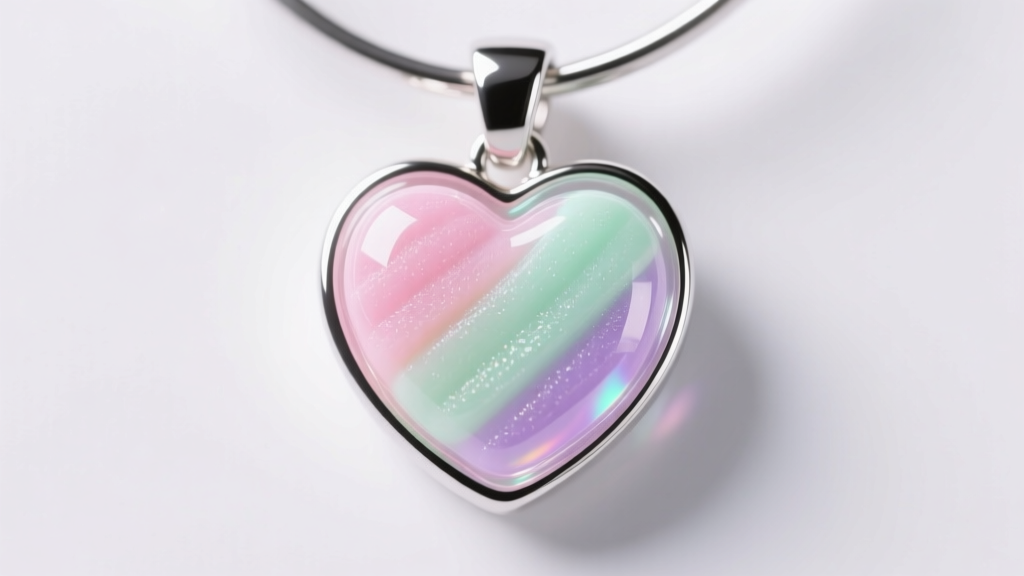
Vitreous Enamel: Thermal Dynamics and Flux
Vitreous enamel candy heart pendants offer a permanent, non-degrading alternative to organic materials. The process involves fusing powdered glass to a metal substrate at temperatures between 750°C and 850°C. The base metal—typically sterling silver or copper—must possess a higher melting point and a compatible coefficient of thermal expansion to prevent the enamel from crazing or shattering upon cooling. Master enamelists use a flux layer to ensure adhesion, followed by multiple firings of opaque pastel enamels to achieve the signature matte, chalky finish of a traditional sweetheart candy. For detailed firing schedules and flux applications, the Ganoksin Jewelry Making Community remains an indispensable technical resource for bench jewelers.
Lapidary Gemstones: Chalcedony and Chrysoprase
For fine jewelry applications, lapidaries carve candy heart shapes from translucent cryptocrystalline quartz varieties, primarily chalcedony and chrysoprase. With a Mohs hardness of 6.5 to 7, these stones withstand daily wear while offering a natural, glowing translucency that mimics the texture of hard candy. According to the GIA Gem Encyclopedia, chalcedony's microscopic intergrowths of quartz and moganite scatter light, creating the soft, luminous effect prized in high-end candy heart replicas. The edges are precision-beveled using diamond-impregnated lapidary wheels to replicate the stamped, slightly rounded profile of a pressed sugar heart.
Chain Mechanics and Bail Engineering
A candy heart necklace is only as durable as its weakest structural link. The bail—the component connecting the pendant to the chain—must be engineered to handle the specific weight and center of gravity of the heart shape. Resin-encased pendants often require a glued-on sterling silver or gold-filled bail, utilizing a two-part cyanoacrylate or jeweler's epoxy. Gemstone and enamel hearts, however, should feature a soldered bail or a custom-drilled horizontal top-hole for a direct chain thread.
| Component | Technical Specification | Optimal Use Case |
|---|---|---|
| Chain | 1.2mm - 1.5mm Rope or Cable | Daily wear; supports 5g-15g pendants without kinking |
| Bail | Sterling Silver Soldered or Glue-On | Soldered for gemstones; Glue-On with cyanoacrylate for resin |
| Clasp | 5mm Lobster Claw with 2mm Jump Ring | Security against accidental unhooking and shear stress |
| Jump Ring | 4mm Diameter, 20-Gauge, Soldered | Prevents gap separation when the pendant swings laterally |
The primary failure point in novelty jewelry is not the pendant itself, but the galvanic corrosion at the jump ring junction where dissimilar metals meet sweat, friction, and atmospheric oxygen.
Degradation Vectors and Preventative Maintenance
Understanding how different candy heart materials degrade is essential for long-term preservation. Resin pieces face the threat of UV degradation and thermal softening. Prolonged exposure to direct sunlight will break down the polymer chains in non-HALS epoxies, leading to an irreversible amber tint. Furthermore, leaving a resin necklace in a hot car can exceed the glass transition temperature (Tg) of the epoxy, causing it to warp or detach from the bail.
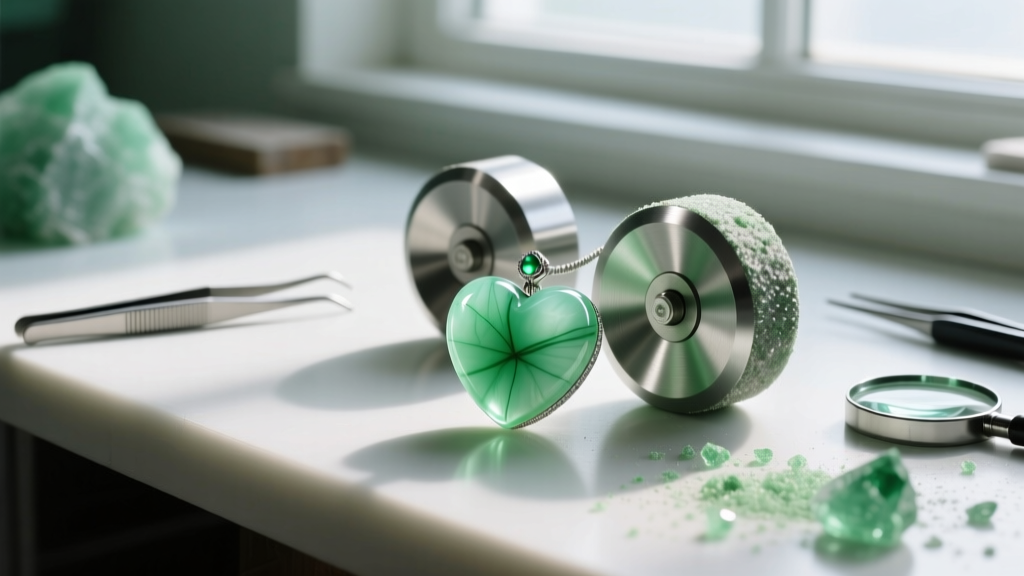
Vitreous enamel, while immune to UV damage, is highly susceptible to thermal shock and blunt force trauma. Dropping an enamel candy heart pendant on a hard surface like porcelain or granite can cause the glass to delaminate from the metal substrate. Gemstone hearts require the least structural maintenance but must be protected from harsh chemical cleaners. Ultrasonic cleaners can fracture chalcedony if the stone has internal micro-fissures, so manual cleaning with a soft brush and mild surfactant is the industry standard.
Expert Sourcing and Authentication
When sourcing a fine gemstone candy heart necklace, always request a loupe inspection of the drill holes or bail solder joints. A poorly soldered bail will show porosity or incomplete capillary flow, leading to structural failure within months. For resin pieces, inspect the perimeter of the candy under a 10x jeweler's loupe; any amber tinting at the edges indicates the use of non-UV-stabilized epoxy, meaning the piece will inevitably yellow. Furthermore, verify the chain's hallmark. A genuine 14k gold chain should bear a '585' or '14k' stamp, while sterling silver must read '925'. By prioritizing material integrity and precise engineering over mass-produced aesthetics, collectors and jewelers can ensure their candy heart necklaces remain pristine for generations.


