Is a Panther Necklace Worth the Investment? Value & Budget Guide
Evaluate the true market value of a panther necklace. Compare Cartier vintage prices, independent alternatives, and material grades for smart buying.

The Legacy and Market Demand for Panther Motif Jewelry
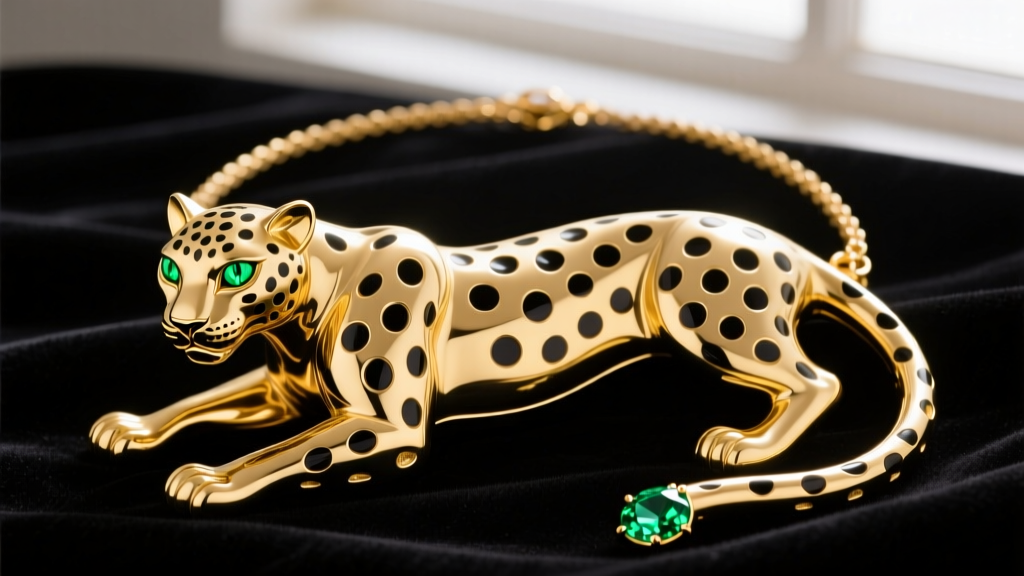
The panther motif has reigned supreme in fine jewelry since the 1930s, symbolizing power, elegance, and untamed sophistication. When collectors and enthusiasts search for a panther necklace, they are typically navigating a complex market divided between heritage maison masterpieces (most notably Cartier’s iconic Panthère line) and independent artisan interpretations. Assessing the budget and true value of these pieces requires a granular understanding of material grades, historical eras, and secondary market liquidity.
Unlike generic animal motif jewelry, the panther carries a specific horological and gemological weight. The secondary market for vintage 1980s panther necklaces has surged over the last decade, driven by a renewed appreciation for bold, yellow-gold statement pieces. However, not every feline pendant holds its value. To determine if a panther necklace is a sound financial and stylistic investment, buyers must look past the brand name and evaluate the structural integrity, gemstone provenance, and craftsmanship of the piece.
Price Tiers: Heritage Maisons vs. Independent Jewelers
When budgeting for a panther necklace, the market essentially fragments into three distinct tiers. Understanding where your budget aligns with these tiers is critical for avoiding overpayment in the estate market or settling for poor craftsmanship in the lower tiers.
| Market Tier | Typical Price Range | Primary Materials | Value Retention & Liquidity |
|---|---|---|---|
| Heritage Maison (Modern) | $18,000 – $85,000+ | 18k Gold/Platinum, VVS Diamonds, Onyx, Emeralds | Moderate (Depreciates initially, stabilizes long-term) |
| Vintage Estate (1980s-1990s) | $12,000 – $45,000 | 18k Yellow Gold, Carved Onyx, Tsavorite, Melee Diamonds | High (Highly liquid, often sells above original retail) |
| Independent Custom / Artisan | $3,500 – $9,000 | 14k/18k Gold, Black Spinel, Sapphire, Custom Castings | Low (Value is tied to raw metal weight and artisan reputation) |
For buyers with a budget under $10,000, the independent custom route or hunting for demi-fine estate pieces (such as 1970s leopard spot pendants in 14k gold with black enamel) offers the best aesthetic return on investment. However, if your goal is wealth preservation and asset liquidity, the vintage 1980s Cartier Panthère mesh necklaces remain the gold standard, frequently appearing at auction houses like Christie's and Sotheby's with fierce bidding wars.
Material Breakdown: What Justifies the Premium?
The price disparity between a $4,000 independent panther pendant and a $40,000 heritage maison piece is rarely just about the brand logo. It is fundamentally rooted in the gemological choices and metallurgical techniques used to bring the feline to life.
Onyx vs. Black Enamel vs. Black Spinel
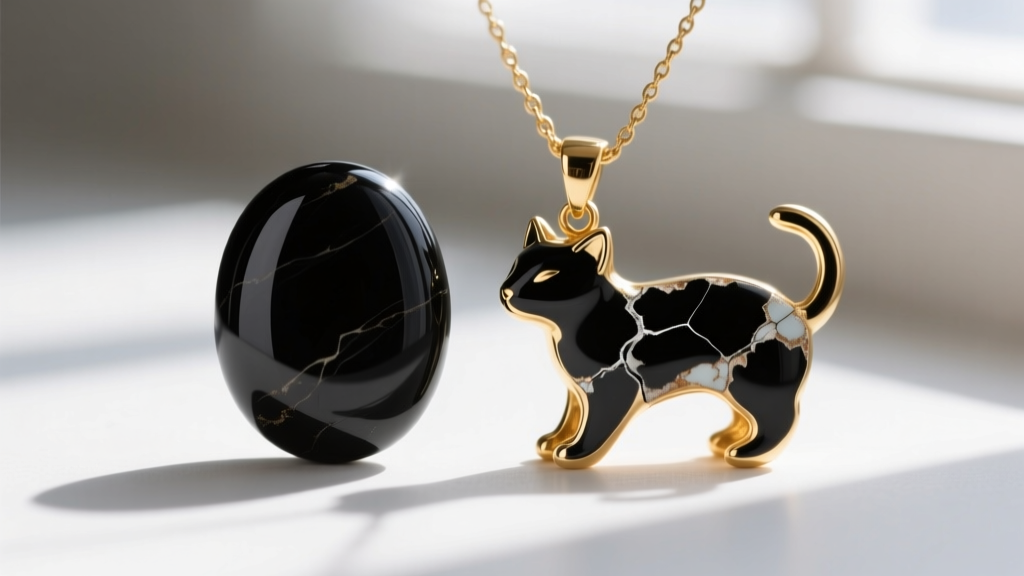
The spots and facial details of a high-end panther are traditionally rendered in onyx. Genuine black onyx (a chalcedony quartz) has a Mohs hardness of 7. While durable enough for necklace wear, onyx is highly susceptible to thermal shock and chipping if struck against a hard surface. A vintage panther necklace with chipped onyx cabochons will see its market value drop by 20% to 30%, as sourcing and recutting matching onyx is notoriously difficult.
Budget alternatives often substitute onyx with black enamel or black spinel. Cold enamel is prone to cracking and yellowing over decades, making it a poor long-term investment. Black spinel, however, is an excellent, durable alternative (Mohs 8) that offers a similar vitreous luster to onyx but with higher fracture resistance. For a comprehensive breakdown of onyx durability and care, refer to the Gemological Institute of America (GIA) onyx guide.
The Eyes: Tsavorite vs. Emerald
The piercing gaze of a panther necklace is its most captivating feature. Heritage pieces from the mid-20th century often utilized emeralds. However, emeralds are heavily included (the 'jardin') and typically treated with cedar oils or resins to improve clarity. Over time, these oils can dry out or be stripped by ultrasonic cleaners, leaving the eyes looking dull and fractured.
Modern high jewelry and smart independent jewelers have largely pivoted to tsavorite garnet. Tsavorite offers a vivid, electric green hue due to trace amounts of chromium and vanadium. Crucially, tsavorite is never treated and possesses a higher refractive index (1.74) than emerald, giving the panther a more brilliant, lifelike stare. According to the GIA's tsavorite profile, this gemstone's rarity in sizes above two carats makes it a premium choice that actively supports the resale value of the necklace.
Smart Budgeting: Chain Types and Structural Integrity
A common trap for budget-conscious buyers is focusing entirely on the panther pendant while ignoring the chain. In vintage 1980s collections, the 'Panthère mesh' chain was a marvel of engineering—a woven, articulated gold mesh that draped like liquid fabric.
When assessing a vintage mesh panther necklace, you must perform the 'drape test'. The mesh should fall fluidly without any rigid kinks. If the previous owner bent the chain backward, the internal gold links may be permanently deformed. A kinked mesh chain compromises the structural integrity of the necklace and can cost upwards of $2,500 to repair or replace by a specialist. If you are buying on a budget, opt for vintage panther pendants suspended on standard 18k wheat or cable chains, which are easily replaceable and do not carry the hidden repair liabilities of articulated mesh.
The Authentication Checklist for Pre-Owned Pieces
The secondary market for luxury feline jewelry is saturated with high-quality counterfeits, particularly originating from specialized overseas manufacturers who use CAD-scanning to replicate heritage designs. If you are investing in a heritage panther necklace, rely on this physical authentication framework:
- The Eagle Head or 750 Stamp: French-made 18k gold pieces will feature an eagle's head hallmark on the clasp or jump ring, while international pieces will bear a '750' stamp. Counterfeits often use shallow, laser-etched stamps rather than deep, traditional punch marks.
- Serial Number Matching: Authentic heritage pieces feature a unique serial number engraved on the pendant's bale or the clasp. This number must match the accompanying certificate of authenticity. Note that modern forgers often clone valid serial numbers across hundreds of fake pieces.
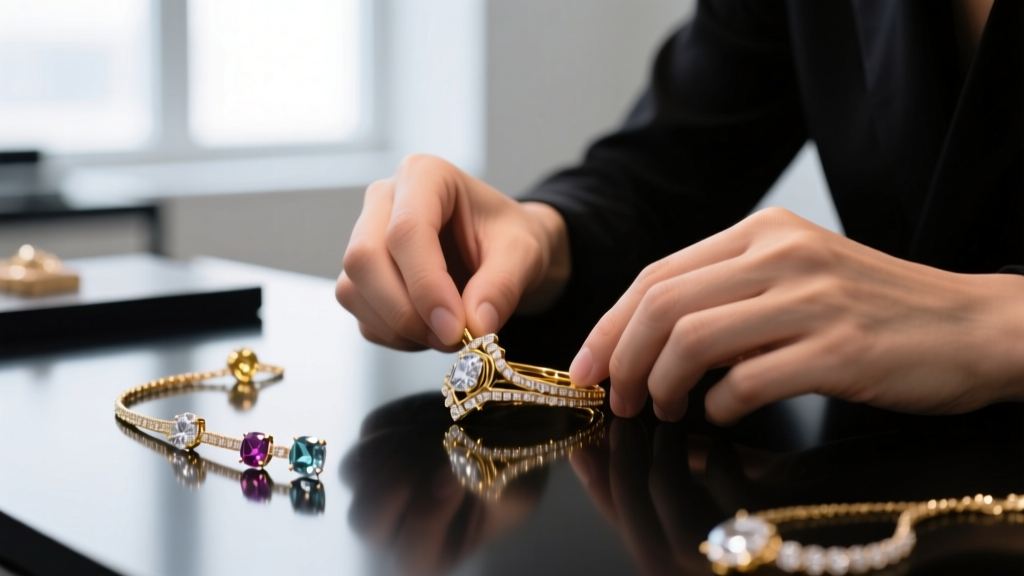
- Pave Diamond Quality: Examine the diamond melee under a 10x loupe. High-end maisons use VS clarity and F-G color melee diamonds. If the pave stones appear cloudy, heavily included, or exhibit a yellowish tint, the piece is likely a counterfeit or a 'franken-piece' (an authentic pendant with aftermarket, low-quality diamond additions).
- Articulation and Movement: Sculptural 3D panther pendants feature micro-hinges at the neck and shoulders. The movement should be silent and fluid. Gritty or stiff articulation indicates poor casting tolerances or dirt accumulation in the joints.
Final Verdict: Is It a Sound Investment?
From a purely financial perspective, a modern retail panther necklace from a heritage maison will depreciate the moment it leaves the boutique, much like a luxury vehicle. However, the vintage panther necklace market—specifically articulated yellow gold and onyx pieces from the 1980s and 1990s—operates more like the vintage watch market. These pieces have historically appreciated or held their value remarkably well due to their finite supply and iconic status.
For buyers with a budget between $3,000 and $8,000, the smartest value play is to commission an independent master jeweler to cast a custom 18k gold panther pendant, utilizing ethical black spinel for the spots and vivid tsavorite for the eyes. This approach guarantees exceptional material quality, unique artistic expression, and a piece that avoids the steep heritage brand premium while still delivering the fierce, timeless elegance of the feline motif.


