The Lily Munster Necklace: Anatomy of a Gothic Bat Pendant
Explore the technical anatomy of the iconic Lily Munster necklace. Learn about bat pendant casting, chain gauges, and how to source quality gothic replicas.

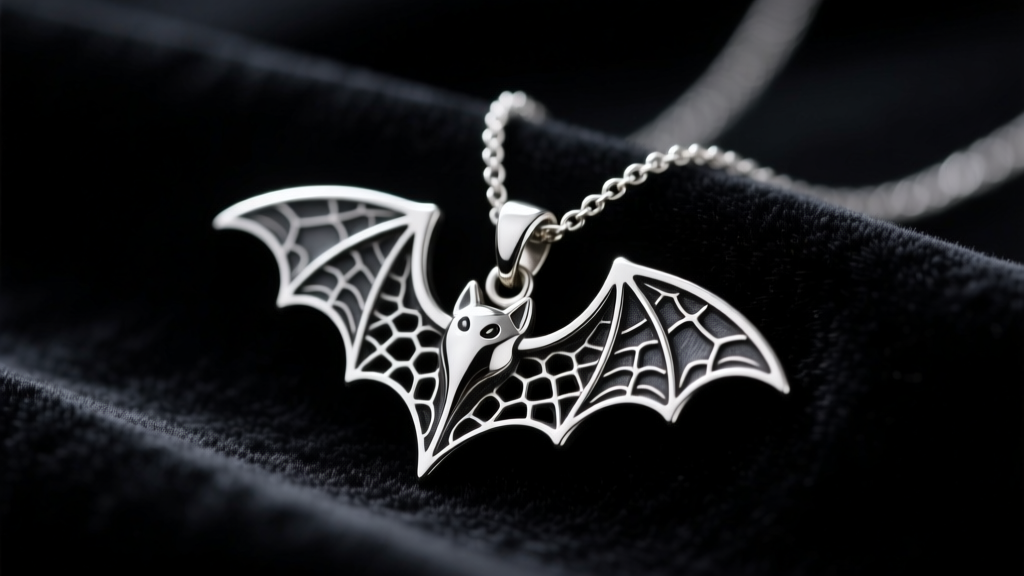
The Legacy and Anatomy of the Lily Munster Necklace
When discussing iconic television jewelry, few pieces command the immediate recognition and cult reverence of the lily munster necklace. Worn by Yvonne De Carlo in the classic 1960s sitcom The Munsters, Lily’s signature jewelry—most notably her gothic bat pendant and dark cameo chokers—bridged the gap between Victorian mourning aesthetics and mid-century camp. Today, the lily munster necklace remains a holy grail for vintage collectors, gothic fashion enthusiasts, and specialized jewelers. However, the market is flooded with inaccurate, low-quality costume replicas that fail to capture the structural integrity and material depth of a true heirloom piece. This expert deep dive deconstructs the metallurgy, chain mechanics, and gemological specifications required to identify, source, or craft a high-fidelity lily munster necklace.
Metallurgy: Zamak Alloys vs. Lost-Wax Cast Silver
The vast majority of mass-market lily munster necklace replicas are manufactured using Zamak, a family of zinc alloys containing aluminum, magnesium, and copper. While Zamak is inexpensive and flows easily into steel dies, it is fundamentally unsuited for long-term wear. Zamak suffers from intergranular corrosion—often referred to as 'zinc pest'—when exposed to the humid microclimate of human skin and ambient moisture. Over time, the flash-plated silver or rhodium coating wears away, revealing a porous, pitted surface that oxidizes into a dull, chalky gray.
In contrast, a master-crafted replica utilizes the lost-wax casting method in .925 sterling silver. This process begins with a high-resolution wax model that captures the micro-textures of the bat’s wing webbing and fur. The wax is encased in a plaster investment, burned out in a kiln at 1,350°F, and replaced by molten sterling silver via centrifugal casting. The resulting pendant possesses the density, tensile strength, and acoustic resonance of fine jewelry. Furthermore, high-end silversmiths intentionally oxidize the recessed areas of the silver using a liver of sulfur solution, creating a stark, high-contrast antiqued finish that mimics the shadowy, monochromatic lighting of the original 1964 television broadcasts.
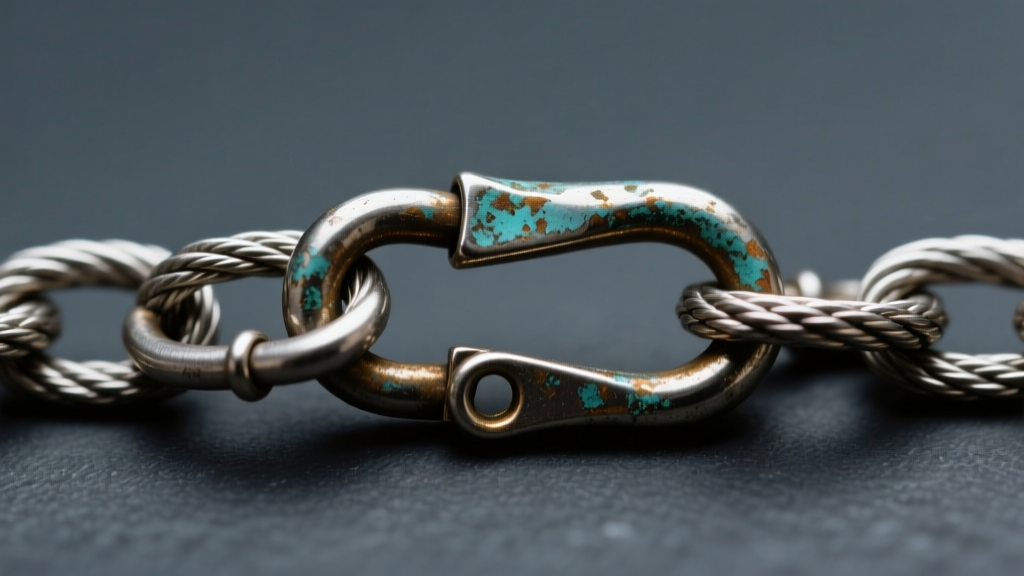
Chain Gauge, Tensile Strength, and Suspension Mechanics
A common failure point in gothic pendants is the chain. A solid cast .925 silver bat pendant of moderate size (approximately 35mm wingspan) typically weighs between 15 and 25 grams. Suspending this weight requires precise chain engineering.
Optimal Gauge Specifications
- 1.0mm Cable Chain: Avoid. The tensile load limit is generally under 3 lbs. The jump ring connecting the pendant will slowly pull open under the dynamic stress of walking, leading to loss of the piece.
- 1.5mm to 2.0mm Cable or Curb Chain: The ideal specification. This gauge provides a tensile strength exceeding 10 lbs while maintaining a delicate, period-accurate Victorian profile.
- Clasp Mechanics: A 10mm to 12mm cast lobster clasp is mandatory. Spring ring clasps, commonly found on mid-tier replicas, feature weak internal steel springs that fail when exposed to skin oils and cosmetic chemicals.
Critical attention must also be paid to the jump rings. On a premium lily munster necklace, the jump ring connecting the chain to the pendant must be soldered shut or feature a heavy-gauge split-ring design to prevent accidental unspooling.
Gemological Integration: Onyx, Jet, and Enamel
While the standard bat pendant relies entirely on metalwork, variations of the lily munster necklace incorporate dark cabochons or cameo elements. Understanding the gemological properties of these stones is vital for authentication and valuation.
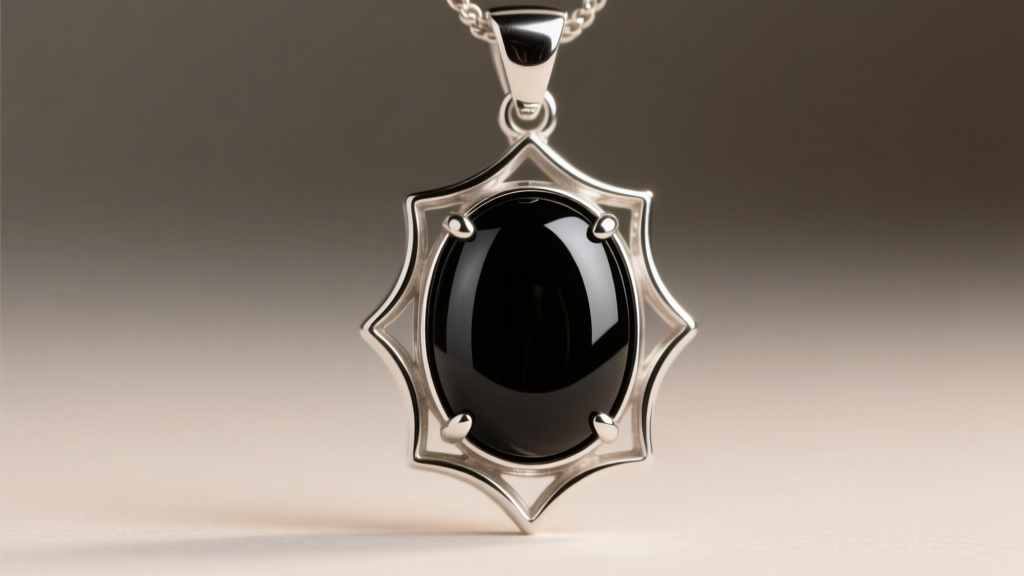
Many costume replicas utilize black acrylic or dyed glass. Genuine high-tier pieces will feature either Black Onyx or Whitby Jet. According to the Gemological Institute of America (GIA), black onyx is a dyed variety of chalcedony with a Mohs hardness of 7, making it highly resistant to scratching and ideal for everyday wear. It is cold to the touch and exhibits a vitreous luster.
Conversely, genuine Jet is a fossilized wood (a type of lignite) with a Mohs hardness of only 2.5 to 4. As noted in the GIA's jet gemological profile, jet is remarkably lightweight, warm to the touch, and will leave a distinct brown streak when rubbed against unglazed porcelain. Because of its softness, jet requires a specialized bezel setting where the silver is carefully burnished over the stone's edge without applying excessive downward pressure, which could fracture the organic material.
Replica Tier Comparison Chart
When sourcing a lily munster necklace, buyers must navigate a highly fragmented market. The following table breaks down what to expect across different manufacturing tiers.
| Tier | Base Material | Chain & Hardware | Finish & Patina | Estimated Price Range |
|---|---|---|---|---|
| Costume / Mass Market | Zamak (Zinc Alloy) with flash plating | 1.0mm hollow chain, spring ring clasp | Painted black/grey, chips easily | $15 - $35 |
| Boutique / Mid-Tier | White Brass or Bronze | 1.2mm solid chain, lobster clasp | Chemical patina, prone to brass bleed | $60 - $120 |
| Fine Artisan / Heirloom | .925 Sterling Silver (Lost-Wax Cast) | 1.5mm+ solid chain, soldered jump rings | Liver of sulfur oxidation, hand-polished | $250 - $600+ |
Sourcing, Authenticating, and Hallmark Verification
If you are purchasing a premium lily munster necklace, always demand proof of metallurgical composition. Authentic .925 silver pieces will bear a hallmark—typically '925', 'Sterling', or the maker's registered stamp—located on the back of the pendant bail or on a small tag near the clasp. Use a jeweler's loupe (10x magnification) to inspect the hallmark. Stamped hallmarks on genuine silver will show slight displacement of the surrounding metal, whereas laser-etched or painted marks on base metals will sit flat on the surface.
Additionally, perform a magnet test. Sterling silver is paramagnetic and will not stick to a rare-earth neodymium magnet. If the pendant or the chain clasp exhibits strong magnetic attraction, the core material is likely steel or iron, indicating a counterfeit or heavily plated base-metal forgery.
Care and Maintenance for Oxidized Silver
Maintaining the dramatic, shadowed aesthetic of a gothic bat pendant requires specific care protocols. Never use commercial liquid silver dips or ultrasonic cleaners on an intentionally oxidized lily munster necklace. These chemical baths strip the liver of sulfur patina from the recessed areas, leaving the piece flat, blindingly white, and devoid of its gothic character.
Instead, use a dry, untreated microfiber cloth to gently buff only the high-relief areas (the top of the bat's wings and head). This preserves the dark oxidation in the crevices while allowing the raised surfaces to gleam. When not in use, store the necklace in an anti-tarnish flannel pouch with a silica gel desiccant packet to prevent ambient sulfur compounds in the air from further darkening the silver beyond the artisan's original intent.


