Lion King Necklace Analysis: Metals, Enamel & Chain Specs
Explore the metallurgy, casting techniques, and chain mechanics behind a high-end Lion King necklace. An expert guide to materials and durability.

The Evolution of Thematic Fine Jewelry
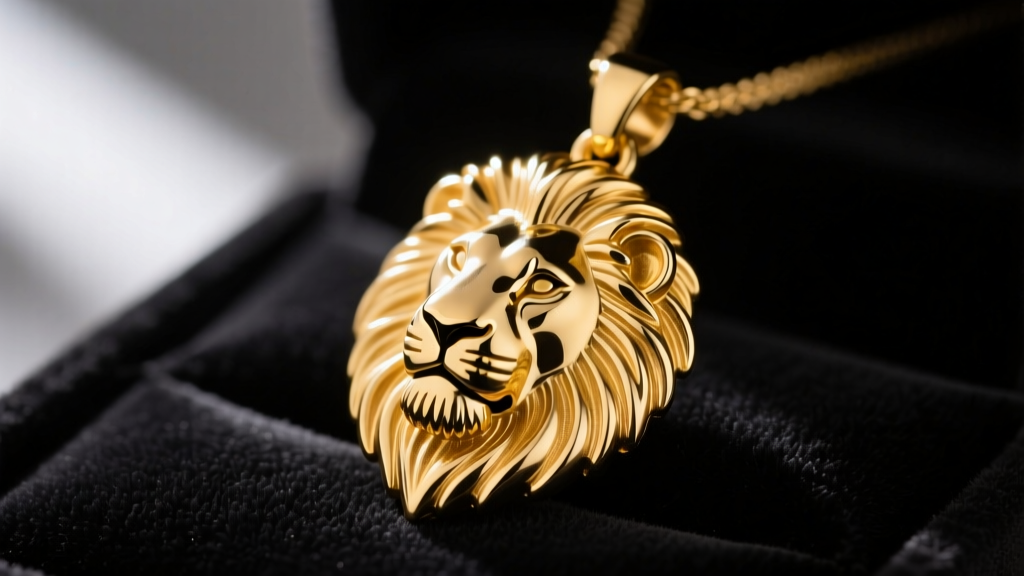
When collectors and enthusiasts seek out a premium lion king necklace, they are rarely looking for a simple, mass-produced trinket. The intersection of cinematic nostalgia and fine jewelry requires a rigorous approach to metallurgy, structural engineering, and aesthetic finishing. Unlike standard geometric pendants, thematic pieces featuring complex motifs—such as a 3D Simba head, a detailed Pride Rock silhouette, or a Mufasa footprint—demand specialized manufacturing techniques to ensure longevity and visual fidelity. In this technical deep dive, we analyze the material science, casting methodologies, and chain mechanics that separate heirloom-quality thematic jewelry from cheap, degrading novelties.
Metallurgical Breakdown: Base vs. Precious Alloys
The foundation of any durable pendant lies in its substrate. The market is flooded with base-metal alternatives, but understanding the exact alloy composition is critical for evaluating a piece's lifespan, skin-reactivity, and structural integrity. According to the GIA Gem Encyclopedia, the hardness and tarnish resistance of a metal dictate how well it will hold intricate details like the individual strands of a lion's mane over decades of wear.
| Material | Composition | Vickers Hardness (HV) | Best Application |
|---|---|---|---|
| Zamak (Zinc Alloy) | Zinc, Aluminum, Magnesium, Copper | 85 - 115 HV | Low-end novelty; prone to pitting and degradation |
| 925 Sterling Silver | 92.5% Silver, 7.5% Copper | 60 - 75 HV | Mid-tier; requires rhodium plating to prevent sulfide tarnishing |
| 14k Yellow Gold | 58.5% Gold, Silver/Copper/Zinc | 120 - 140 HV | High-end; excellent balance of tensile strength and rich color |
| 18k Yellow Gold | 75% Gold, Silver/Copper | 130 - 160 HV | Luxury; deeper hue, but softer and more prone to scratching |
For a piece meant to evoke the warm, golden tones of the African savanna, 14k yellow gold is often the optimal choice. Master jewelers can slightly adjust the copper-to-silver ratio in the 14k alloy to achieve a warmer, more saturated 'Pride Lands' yellow, while the zinc content ensures the metal does not oxidize during the casting process.
The Enamel Debate: Vitreous vs. Cold Epoxy
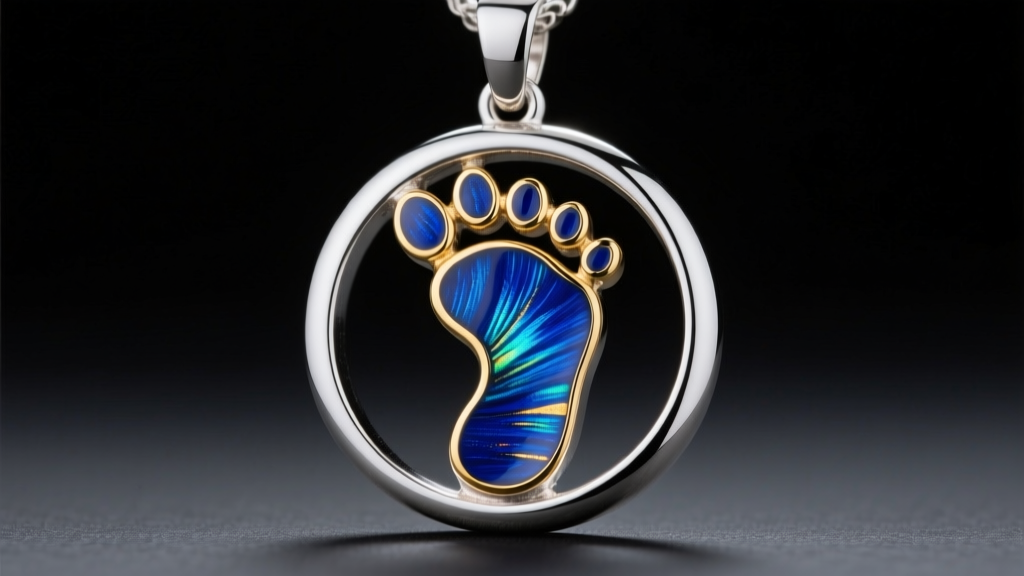
Many thematic pendants utilize color to bring the design to life, particularly for elements like a vibrant sunset backdrop or a stylized sun motif. The method used to apply this color is the single biggest point of failure in thematic jewelry.
Firing Temperatures and Substrate Matching
Cheap iterations of a lion king necklace rely on cold enamel (epoxy resin). While initially vibrant, epoxy is highly susceptible to UV degradation, yellowing within 18 to 24 months of regular sun exposure. Furthermore, cold enamel sits on the surface of the metal and will inevitably chip or peel when subjected to thermal expansion and contraction.
Conversely, fine jewelry utilizes vitreous enamel. As detailed by manufacturing suppliers like Rio Grande, vitreous enamel is essentially finely ground glass (silica, soda ash, and borax) that is fired in a kiln at temperatures between 1400°F and 1500°F. At these temperatures, the glass melts and fuses directly into the crystalline structure of the metal substrate. For a sterling silver or gold pendant, the coefficient of expansion (COE) of the enamel must be precisely matched to the metal. If the COE is mismatched, the enamel will either craze (develop micro-cracks) upon cooling or shatter entirely. When executed correctly, vitreous enamel is impervious to UV light, will never yellow, and possesses a Mohs hardness of 5.5 to 6.0, making it highly resistant to everyday abrasion.
Chain Mechanics: Selecting the Right Gauge and Link
A common engineering failure in heavy thematic pendants is pairing a massive, 3D-cast pendant with an inadequate chain. A solid 14k gold Simba head pendant can easily weigh between 15 and 30 grams. Suspending this weight from a standard 1.2mm box chain or a delicate cable chain will result in rapid link elongation, bail wear, and eventual catastrophic snapping.
- Rope Chain (2.5mm - 3.5mm): The gold standard for heavy pendants. The twisted, multi-directional link structure distributes tensile stress evenly across the chain, preventing localized stretching. A 3.0mm solid 14k rope chain can comfortably support up to 60 grams of dead weight.
- Wheat (Spiga) Chain (2.0mm - 3.0mm): Features interlocking oval links woven in the same direction. It offers excellent flexibility and high tensile strength, though the intricate links can trap skin oils and require ultrasonic cleaning.
- Figaro Chain (3.0mm+): While visually striking and strong, the alternating long and short links can sometimes cause an off-center 3D pendant to swing or rest awkwardly against the sternum.
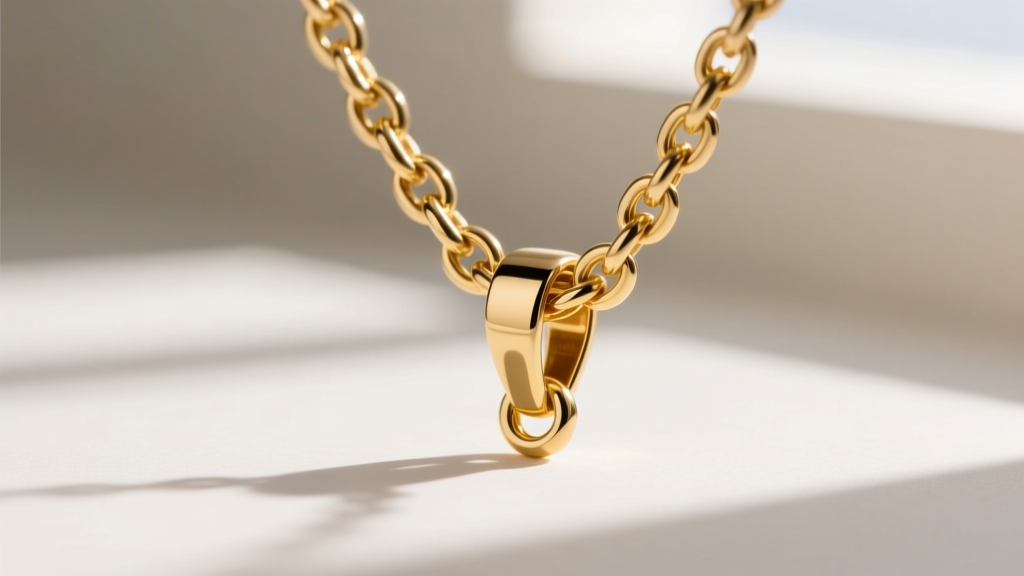
Equally important is the bail design. For heavy, asymmetrical pendants like a leaping Simba, a standard loop bail will cause the pendant to tilt. Expert fabricators utilize a 'hidden bail' or a custom-soldered tapered bail that aligns the pendant's center of gravity directly beneath the chain's drop point, ensuring it lays flat against the chest.
Lost-Wax Casting vs. Die Striking for 3D Pendants
The manufacturing method dictates the level of detail achievable in a lion king necklace. Die striking is a high-pressure process that compresses sheet metal between two hardened steel dies. While excellent for flat, 2D medallions (like a simple footprint stamp), it is entirely incapable of producing the undercut, multi-dimensional geometry required for a realistic lion's mane or a textured Pride Rock formation.
Managing Porosity in Complex Mane Designs
High-end thematic pendants are produced via lost-wax investment casting. A 3D CAD model is printed in castable resin, encased in a plaster-like investment material, and burned out in a kiln, leaving a perfect negative cavity. Molten gold or silver is then forced into the cavity using a vacuum or centrifugal force.
The primary technical challenge in casting a complex lion head is managing porosity and shrinkage. The thick areas of the mane cool much slower than the thin areas of the snout. If the cooling rate is not controlled, gas pockets (porosity) will form inside the metal, leading to structural weaknesses and visible pitting on the surface after polishing. Master casters solve this by strategically placing 'sprues' (channels for the molten metal to flow and shrink into) in non-visible areas, such as the back of the pendant or the base of the neck, ensuring the facial details remain dense and flawless.
Authentication and Hallmarking Standards
When investing in a premium thematic piece, verifying authenticity goes beyond looking for a corporate copyright stamp. True fine jewelry will feature precise metal hallmarks. A legitimate 14k gold piece will be stamped with '14K', '585', or '14KP' (the 'P' standing for 'plumb', guaranteeing it is no less than 58.5% pure gold). Additionally, look for the maker's mark—a unique registered symbol or initials of the manufacturing house. If a piece claims to be solid gold but lacks a clear, laser-engraved or deeply stamped hallmark on the bail or the back of the pendant, it is likely gold-plated base metal. By understanding the metallurgy, enamel science, and structural mechanics outlined above, collectors can confidently evaluate the true craftsmanship and enduring value of their thematic jewelry.


