Choosing a Lion Necklace: Silver, Gold, and Steel Compared
Discover the best metals for your lion necklace. We compare sterling silver, 14k/18k gold, and 316L steel for detail, durability, and price in 2026.

The Metallurgy of Animal Pendants: Why Detail Matters
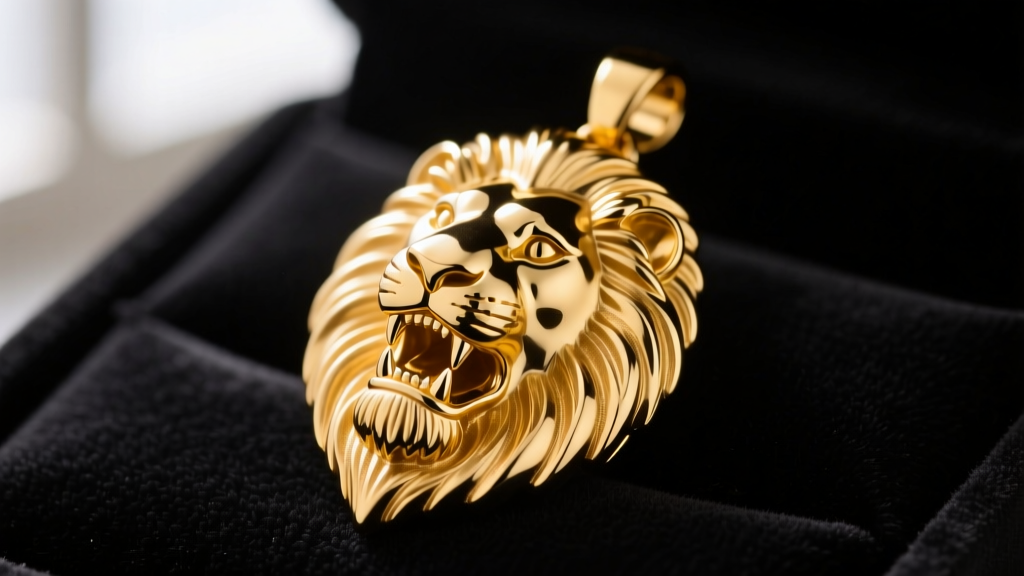
When selecting a lion necklace, the artistic vision of the pendant is only half the equation. The physical properties of the metal dictate how well the intricate details of the lion's mane, teeth, and facial structure are preserved. Unlike simple geometric pendants, animal motifs require exceptional metal flow during the manufacturing process to capture organic, sweeping lines and sharp micro-textures.
Most high-quality lion pendants are created using lost-wax casting. According to the jewelry manufacturing experts at Rio Grande, different metals exhibit varying shrinkage rates and fluid dynamics when molten. Gold shrinks at a rate of approximately 1.5%, while silver can shrink up to 2% or more depending on the exact alloy. This seemingly minor difference drastically affects the sharpness of a lion's claws and the depth of the shadows in its carved mane. Understanding these metallurgical realities is crucial for choosing a lion necklace that will retain its majestic appearance over decades of wear.
Sterling Silver (925): The Classic Choice for Intricate Manes
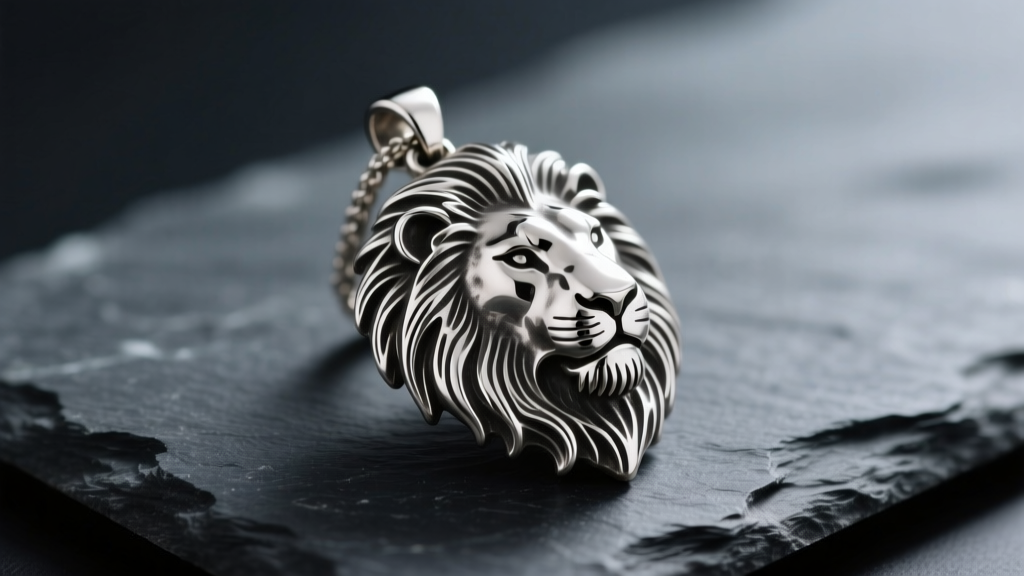
Sterling silver (92.5% pure silver, 7.5% copper) remains the most popular medium for detailed animal pendants. Its relatively low melting point and excellent fluidity allow it to capture the finest strands of a sculpted lion's mane with remarkable fidelity. Furthermore, silver is highly receptive to oxidation (antiquing), a chemical process where the recessed areas of the metal are intentionally darkened using liver of sulfur.
For a lion necklace, oxidation is a massive advantage. The darkened recesses contrast sharply with the polished high points of the lion's snout and brow, creating a 3D effect that makes the pendant look far more expensive and detailed than it is. However, standard 925 silver is prone to tarnishing when exposed to humidity and sulfur in the air. If you live in a humid climate or have highly acidic skin chemistry, look for Argentium Silver, a modern alloy that replaces some copper with germanium, offering up to seven times the tarnish resistance of traditional sterling while maintaining the exact same casting detail.
Solid Gold (14k vs 18k): Heirloom Weight and Warmth
Gold elevates a lion necklace from a fashion accessory to an heirloom piece. However, choosing between 14k and 18k gold requires balancing color richness with structural integrity. Pure 24k gold is far too soft for jewelry; it would easily dent and lose its detailed textures. Therefore, it is alloyed with metals like copper, zinc, and silver.
- 14k Gold (58.5% Pure): This is the workhorse of fine jewelry. The higher alloy content makes 14k gold significantly harder and more scratch-resistant. If your lion pendant features delicate elements like protruding claws, thin prongs holding gemstone eyes, or a highly polished snout that will face daily friction, 14k is the superior choice. It is also more budget-friendly, typically ranging from $600 to $1,500 depending on the pendant's gram weight.
- 18k Gold (75% Pure): 18k gold offers a noticeably richer, deeper yellow hue that beautifully complements the "king of the jungle" motif. However, it is softer and more prone to micro-scratches. Over time, an 18k gold lion necklace will develop a soft patina. While beautiful, this patina can slightly soften the sharpest edges of the casting. Expect to pay a premium, with 18k lion pendants generally starting around $1,200 and easily exceeding $3,000 for heavy, solid-cast pieces.
As noted by the Gemological Institute of America (GIA), the specific alloy mix also determines the gold's color. A copper-heavy 14k rose gold alloy can give the lion a warm, fiery appearance, while white gold (alloyed with nickel or palladium and plated in rhodium) offers a sleek, modern, and aggressive aesthetic.
Surgical Stainless Steel (316L): The Indestructible Budget Option
For those seeking a rugged, maintenance-free lion necklace, 316L surgical stainless steel is the undisputed champion of durability. The "L" stands for low carbon, and the inclusion of molybdenum in the alloy provides exceptional resistance to corrosion, chlorine, and saltwater. You can wear a 316L steel lion pendant in the ocean or the gym without fear of rust or skin discoloration.
However, steel's extreme hardness and high melting point make it nearly impossible to cast using traditional lost-wax methods with the same microscopic detail as silver or gold. Instead, steel lion pendants are typically CNC-milled, die-struck, or cast using industrial investment powders that result in slightly softer, less defined edges. Consequently, steel lion necklaces often rely on bold, geometric, or minimalist silhouettes rather than hyper-realistic, heavily textured manes. The trade-off is immense durability and a highly accessible price point, usually ranging from $25 to $85.
Gemstone Accents: Selecting Eyes and Mane Inlays
Many premium lion necklaces feature gemstone accents, most commonly for the lion's eyes or as inlays within the mane. The material of the pendant should dictate the setting style and stone choice:
| Gemstone | Mohs Hardness | Best Setting for Lion Pendants | Visual Effect |
|---|---|---|---|
| Sapphire (Natural/Lab) | 9.0 | Prong or Bezel (14k/18k Gold) | Piercing, intense gaze; highly scratch-resistant. |
| Cubic Zirconia (CZ) | 8.0 - 8.5 | Pave or Flush (Silver/Steel) | Bright sparkle, but can cloud over time with oils. |
| Black Onyx | 6.5 - 7.0 | Bezel or Inlay (Any Metal) | Moody, masculine, absorbs light for a fierce look. |
| Tsavorite Garnet | 7.0 - 7.5 | Prong (Gold) | Vivid green eyes; rare and luxurious. |
Expert Tip: Avoid using ultrasonic cleaners on lion necklaces with pave-set CZ or emerald eyes. The high-frequency vibrations can easily shake loose the tiny stones from their delicate metal beads.
Material Comparison Matrix
To summarize the physical and economic properties of the top metals used for lion necklaces in 2026, refer to the matrix below:
| Material | Casting Detail Retention | Tarnish Resistance | Approx. Weight (for 30mm pendant) | 2026 Price Range |
|---|---|---|---|---|
| 925 Sterling Silver | Excellent (Sharp edges) | Low (Requires polishing) | 12g - 18g | $80 - $350 |
| Argentium Silver | Excellent | High | 12g - 18g | $120 - $450 |
| 14k Yellow/White Gold | Very Good (Durable edges) | Very High | 18g - 25g | $600 - $1,800 |
| 18k Yellow Gold | Good (Softer edges over time) | High | 20g - 28g | $1,200 - $3,500+ |
| 316L Stainless Steel | Fair (Milled/Stamped limits) | Extreme | 15g - 22g | $25 - $85 |
Chain Pairing: Matching the Lion Pendant to the Right Link
A common failure point in animal pendant jewelry is chain breakage. Lion pendants, especially solid-cast gold or silver pieces, are surprisingly heavy due to their 3D volume. A standard 30mm solid silver lion head can easily weigh 15 to 20 grams. If you hang this on a delicate 1.5mm cable chain, the link welds will eventually fatigue and snap.
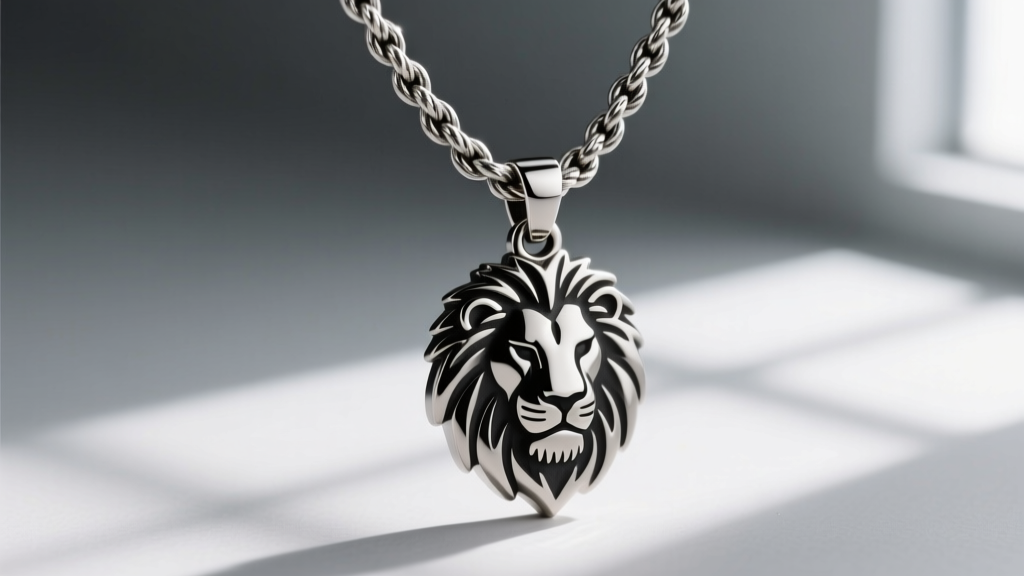
Follow the 3-to-1 Weight Rule: Your chain must be rated to hold at least three times the weight of the pendant. For a 15g lion pendant, you need a chain with a minimum tensile strength of 45g. Structurally, this means avoiding hollow chains or simple cable links. Instead, opt for:
- Wheat Chains (3.0mm - 4.0mm): The interlocking, braided links distribute weight evenly and offer a fluid, rope-like drape that complements the organic curves of a lion's mane.
- Rope Chains (3.5mm - 5.0mm): Highly durable due to the twisted link structure. The spiral pattern catches the light beautifully without competing with the pendant's texture.
- Curb Chains (4.0mm+): Best for flat, medallion-style lion pendants. The flat links lay flush against the chest, providing a bold, masculine foundation.
Maintenance and Patina: Embracing the Aging Process
How you maintain your lion necklace depends entirely on the metal and the finish. If you own an oxidized silver lion pendant, do not use liquid silver dips or harsh chemical polishes. These will strip the intentional black antiquing from the mane and eye sockets, leaving the pendant looking flat and washed out. Instead, use a soft, dry microfiber cloth to gently buff only the raised, high-friction areas like the nose and forehead.
For solid gold and steel, a simple wash with warm water, a drop of mild dish soap, and a soft-bristled baby toothbrush is sufficient to remove sebum and dead skin cells that accumulate in the deep crevices of the lion's facial features. By understanding the metallurgical properties of your chosen metal, you ensure your lion necklace remains a powerful, detailed, and enduring symbol of strength for years to come.


