Lip Gloss Necklace Materials: 2026 Durability Guide
Compare borosilicate glass, acrylic, and 316L steel for your lip gloss necklace. Discover which pendant material prevents leaks and cosmetic degradation.

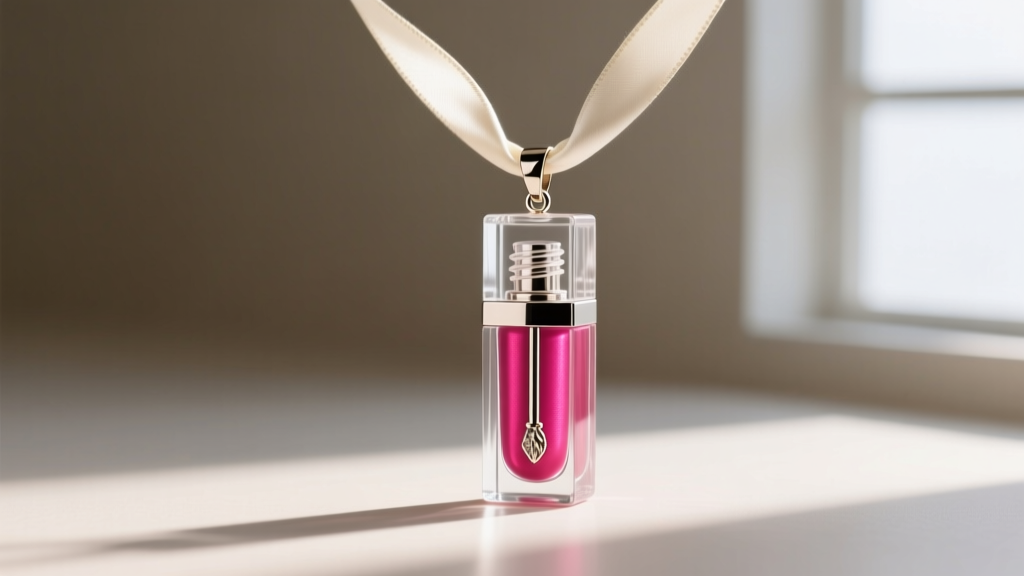
The Engineering Behind Cosmetic Jewelry
The resurgence of Y2K-inspired fashion has propelled the functional lip gloss necklace from a fleeting novelty into a sophisticated staple of 2026 cosmetic jewelry. However, storing lip gloss inside a wearable pendant presents unique material and engineering challenges. Unlike standard perfumes or solid balms, lip gloss is a complex, high-viscosity emulsion typically formulated with polybutene, hydrogenated polyisobutene, castor oil, lanolin, and various waxes. When confined to a small, body-heated vial suspended from a chain, these ingredients can interact aggressively with subpar jewelry materials, leading to micro-crazing, chemical leaching, or catastrophic seal failures.
For jewelry designers and consumers alike, understanding the material properties of the pendant vial is critical. A failure in material selection doesn't just ruin the jewelry; it results in a sticky, oil-based leak directly onto the wearer's chest and garments. This guide provides a deep-dive technical comparison of the primary materials used in modern lip gloss necklace manufacturing, evaluating their chemical resistance, structural integrity, and long-term viability.
The Chemistry of Lip Gloss vs. Jewelry Materials
To understand why material selection matters, we must examine the solvents and emollients used in modern gloss formulations. According to FDA cosmetic packaging guidelines, packaging must remain inert and not leach harmful substances into the product. Many plumping lip glosses contain active ingredients like peppermint oil, cinnamon extract, or capsaicin. These essential oils and oleoresins are notorious for degrading certain plastics over time. Furthermore, the high concentration of castor oil—a primary humectant in glosses—can act as a mild plasticizer, softening lower-grade acrylics and causing the structural integrity of the pendant to compromise after months of continuous body-heat exposure.
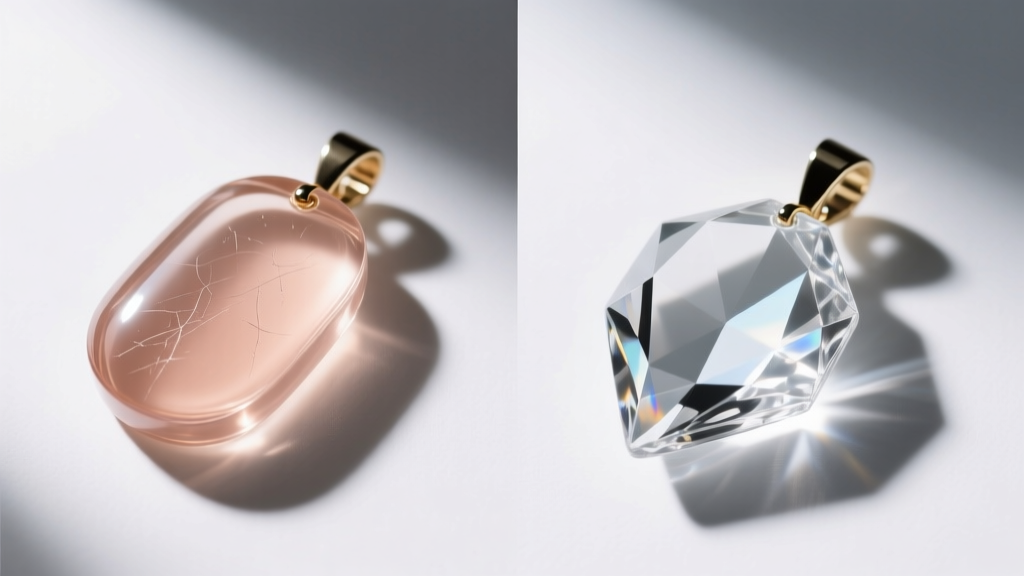
Material Breakdown: Glass vs. Acrylic vs. Steel
The market is currently dominated by three primary vial materials, each with distinct advantages and failure modes. Let us break down their metallurgical and chemical properties.
Borosilicate Glass: The Inert Standard
Borosilicate glass (often recognized by the brand name Pyrex) is the gold standard for cosmetic containment. Composed of silica and boron trioxide, it boasts an extremely low coefficient of thermal expansion. This means that as the glass pendant heats up against the wearer's skin, it will not warp or stress the sealing threads. More importantly, borosilicate glass is 100% chemically inert. It will not react with polybutene, castor oil, or volatile plumping agents. The primary drawback is its density and fragility. A standard 3ml borosilicate vial adds noticeable weight to the necklace chain, requiring a sturdy cable or box chain (minimum 2mm gauge) to prevent clasp fatigue. Additionally, if dropped on a hard surface, the glass will shatter, posing a laceration risk and ruining the cosmetic product.
PMMA (Acrylic): Lightweight but Reactive
Polymethyl methacrylate (PMMA), commonly known as acrylic, is favored for its shatter resistance and optical clarity. It mimics the look of glass while weighing roughly 50% less. However, as noted by the British Plastics Federation, PMMA has poor resistance to many organic solvents and certain essential oils. If a user refills their acrylic lip gloss necklace with a formula containing high levels of citrus or mint essential oils, the acrylic can develop "crazing"—a network of microscopic cracks that cloud the plastic and eventually lead to seepage. Acrylic is best suited for basic, non-active gloss formulas and requires careful handling to avoid surface micro-scratches that can harbor bacteria.
316L Stainless Steel: The Opaque Fortress
For maximum durability, 316L surgical-grade stainless steel offers an indestructible, opaque alternative. Often utilized in high-end, refillable cosmetic jewelry, steel pendants rely on precision-machined internal threads. Because the material is opaque, the wearer cannot see the gloss level, but the trade-off is absolute protection against UV degradation and physical impacts. 316L steel is highly resistant to the fatty acids found in lanolin and castor oil. The challenge with steel lies in the manufacturing tolerance; the threads must be machined to a 0.5mm pitch to ensure the cap seats perfectly against the internal gasket without cross-threading, which can strip the metal over time.
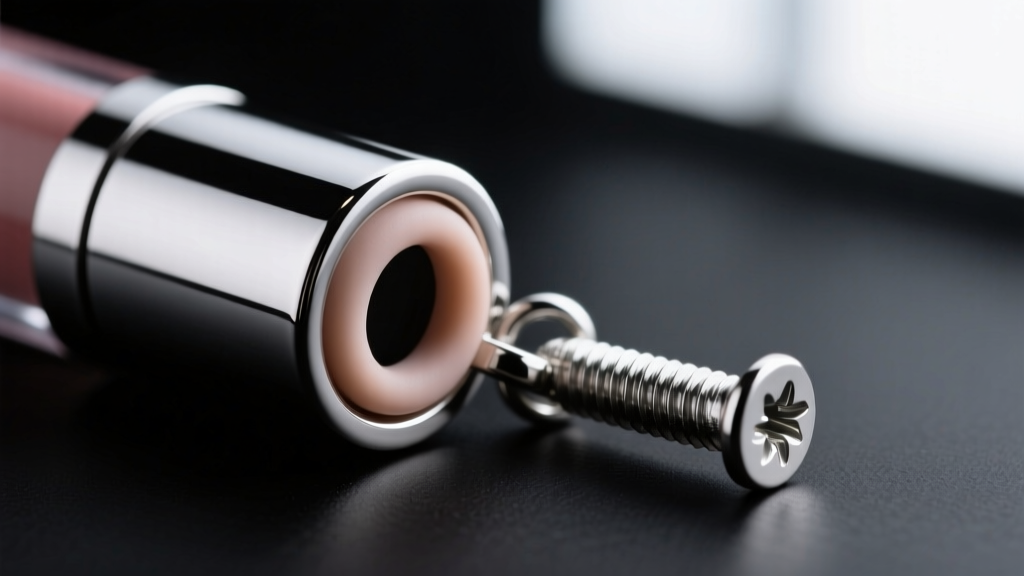
Sealing Mechanisms & O-Ring Compatibility
The material of the vial is only half the battle; the sealing mechanism dictates whether the lip gloss necklace will survive daily wear. The most common failure mode in cosmetic jewelry is cap leakage. To prevent this, manufacturers utilize O-rings seated in a machined groove beneath the cap threads.
- PTFE (Teflon) Gaskets: PTFE is chemically inert and withstands extreme temperatures. It is the superior choice for plumping glosses containing capsaicin or high-acid fruit extracts. However, PTFE lacks elasticity, requiring extremely precise thread tension to create a seal.
- Silicone O-Rings (Shore A 60 Durometer): Food-grade silicone is the industry standard for its elasticity and sealing capability. A 60 durometer hardness provides enough compression to seal the viscous gloss without deforming permanently. However, low-quality silicone can absorb the scent and color of strongly pigmented glosses over time, necessitating regular replacement of the O-ring.
Consumers should avoid necklaces that rely solely on "friction fit" or plastic-on-plastic threading without a dedicated elastomeric gasket, as body heat will thin the gloss viscosity, guaranteeing a leak within weeks.
Comparative Data: 2026 Material Matrix
The following table summarizes the performance metrics of the three dominant materials used in functional lip gloss pendants, aiding in informed purchasing and design decisions.
| Material | Chemical Resistance | Weight (3ml Vial) | Impact Durability | Avg. Price Range | Best Use Case |
|---|---|---|---|---|---|
| Borosilicate Glass | Excellent (Inert) | 14g | Low (Shatters) | $25 - $45 | Active/Plumping Glosses |
| PMMA (Acrylic) | Moderate (Vulnerable to oils) | 7g | High (Shatterproof) | $12 - $20 | Basic/Non-active Glosses |
| 316L Stainless Steel | Excellent (Corrosion-proof) | 22g | Excellent (Indestructible) | $40 - $75 | Travel & Daily Heavy Wear |
Maintenance and Refilling Protocols
Proper maintenance extends the lifespan of both the jewelry and the cosmetic product. When refilling a lip gloss necklace, cross-contamination is a significant risk. Introducing new bacteria into a preservative-heavy gloss can destabilize the formula. To safely refill your pendant:
- Flush the Vial: Use 99% isopropyl alcohol to dissolve residual polybutene and waxes. Avoid using acetone, especially on acrylic pendants, as it will instantly melt the PMMA structure.
- Inspect the Gasket: Remove the O-ring using a wooden toothpick (metal tools will score the steel or glass grooves). Check for flattening or micro-tears. Replace the O-ring annually.
- Use a Syringe: Refill using a 5ml blunt-tip Luer lock syringe. This prevents air bubbles from becoming trapped in the viscous gloss, which can cause sputtering when the wand is withdrawn.
Final Verdict for Jewelry Designers and Consumers
The ideal lip gloss necklace material depends entirely on the user's lifestyle and the specific cosmetic formula being housed. For consumers who favor complex, active-ingredient glosses with essential oils and plumping agents, borosilicate glass remains the undisputed champion due to its absolute chemical inertness. For those prioritizing lightweight comfort and shatter resistance for occasional wear, PMMA acrylic is acceptable, provided the gloss formula is free of aggressive solvents. Finally, for the heavy-duty traveler who demands indestructible hardware, a 316L stainless steel pendant with a PTFE gasket offers unparalleled peace of mind. By matching the material properties to the cosmetic chemistry, you ensure that your jewelry remains a functional asset rather than a sticky liability.


