Little Cross Necklace Materials: A Complete Metal Guide
Compare the best metals for a little cross necklace. Explore durability, tarnish resistance, and pricing for gold, silver, platinum, and titanium.

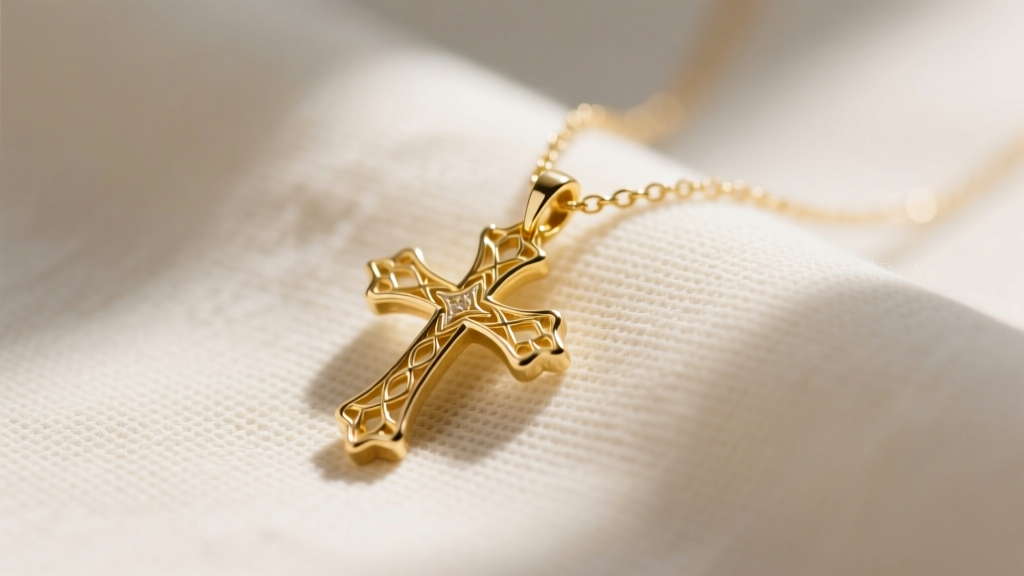
The Anatomy of a Delicate Faith Pendant
When selecting a little cross necklace for everyday wear, the aesthetic design is only half the equation. Because these pendants are typically small, lightweight, and worn continuously against the skin, the metallurgical properties of the chosen material dictate the piece's longevity. A delicate 10mm cross pendant is subject to constant friction, exposure to sebum, cosmetics, and environmental humidity. According to the Gemological Institute of America (GIA), understanding metal alloys is critical for consumers seeking hypoallergenic and durable fine jewelry. This guide breaks down the exact material properties, failure modes, and pricing structures of the most common metals used in minimalist cross necklaces.
The Core Contenders: Solid Gold vs. Sterling Silver
14k and 18k Gold: The Lifetime Standard
Solid gold remains the premier choice for a little cross necklace intended for continuous, never-removed wear. However, pure 24k gold (99.9% Au) is far too soft for delicate jewelry, possessing a Vickers Hardness (HV) of merely 60. Therefore, jewelers use alloys. 14k gold (58.5% pure gold) is alloyed with copper, silver, and sometimes zinc. This increases its hardness to approximately 130–150 HV, making it highly resistant to the micro-scratches that plague softer metals. 18k gold (75% pure gold) sits around 110–125 HV; it offers a richer, warmer color but is slightly more prone to deformation if the cross pendant is caught on clothing.
For those with sensitive skin, verifying the alloy composition is vital. White gold is often alloyed with nickel to achieve a bright silver color, which can trigger contact dermatitis. Opt for nickel-free white gold (alloyed with palladium) or stick to yellow and rose gold variants to ensure biocompatibility.
925 Sterling Silver: The Budget-Friendly Classic
Sterling silver is stamped "925," indicating 92.5% pure silver and 7.5% copper. While beautiful and highly accessible (typically ranging from $30 to $80 for a simple little cross necklace), the copper content introduces a significant failure mode: oxidation. When copper reacts with sulfur in the air and hydrogen sulfide on the skin, it forms silver sulfide, manifesting as a dark tarnish. Furthermore, sterling silver is relatively soft (60–70 HV), meaning the bail—the loop connecting the cross to the chain—will wear down faster than gold or platinum alternatives.
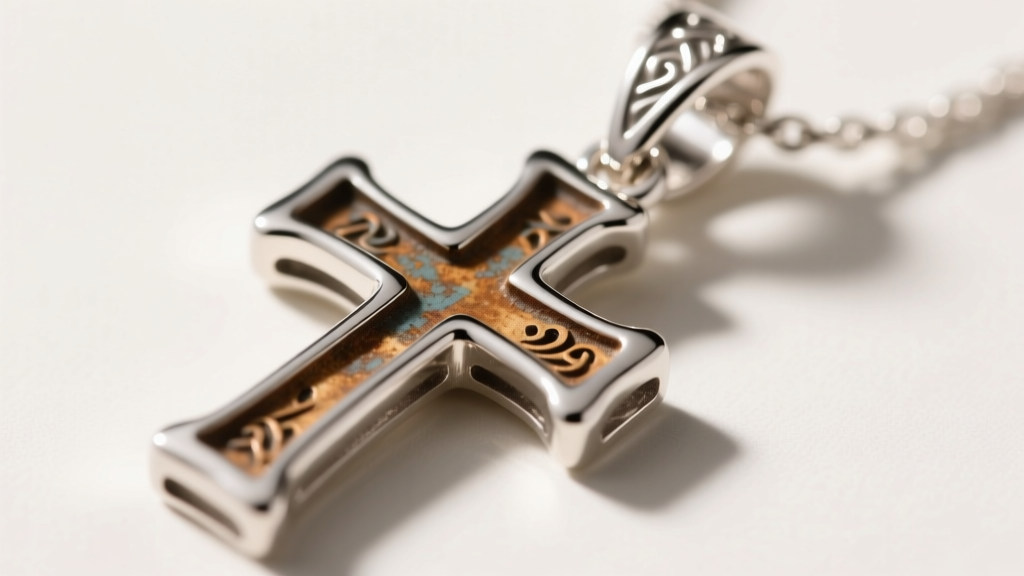
Alternative Metals: Titanium, Platinum, and Steel
For buyers prioritizing extreme durability or strict hypoallergenic requirements, alternative metals offer distinct advantages.
- Platinum 950: Alloyed with 5% ruthenium or cobalt, platinum is dense and heavy. It measures around 135 HV. Unlike gold, which loses metal mass when scratched, platinum merely displaces, developing a soft "patina" over time. A little platinum cross necklace is a generational piece but commands a premium price ($400–$800+).
- Grade 23 Titanium (ASTM F136): Originally developed for medical implants, this titanium alloy (Ti-6Al-4V ELI) is 100% nickel-free and biocompatible. The American Academy of Dermatology frequently recommends implant-grade titanium for patients with severe metal allergies. With a hardness of 340 HV, a titanium cross will never scratch or bend in daily wear, though it cannot be easily resized or soldered by traditional jewelers.
- 316L Surgical Stainless Steel: Priced between $15 and $40, 316L steel contains molybdenum for corrosion resistance. However, it still contains trace amounts of nickel (up to 12%). While it complies with the EU REACH regulation for nickel release (less than 0.5 µg/cm²/week), highly sensitive individuals may still experience reactions during prolonged, sweaty wear.
Comprehensive Material Comparison Chart
| Metal Type | Hardness (Vickers) | Tarnish Resistance | Avg. Price Range | Best Use Case |
|---|---|---|---|---|
| 14k Solid Gold | 130 - 150 HV | Excellent | $150 - $350 | Everyday, lifetime wear |
| 18k Solid Gold | 110 - 125 HV | Excellent | $250 - $500 | High-end, rich color preference |
| 925 Sterling Silver | 60 - 70 HV | Poor (Requires polishing) | $30 - $80 | Budget-friendly, occasional wear |
| Platinum 950 | 130 - 140 HV | Excellent | $400 - $800+ | Heirloom pieces, gem-set crosses |
| ASTM F136 Titanium | ~340 HV | Excellent | $50 - $150 | Severe nickel allergies, active lifestyles |
| 316L Stainless Steel | 150 - 190 HV | Very Good | $15 - $40 | Ultra-budget, fashion jewelry |
Chain Mechanics: Why the Jump Ring Fails First
The most common point of failure on a little cross necklace is not the pendant itself, but the jump ring connecting the pendant's bail to the chain, or the chain's clasp mechanism. Because minimalist crosses are so light, wearers often pair them with ultra-thin chains (0.8mm to 1.2mm).
The Box Chain Problem: Box chains are popular for their modern, geometric look, but they are notorious for kinking. Once a box chain kinks, the structural integrity of the interlocking links is compromised, leading to sudden snapping. The Solution: Opt for a 1mm cable chain or a 1.2mm curb chain. These designs lay flat and distribute tensile stress more evenly. Furthermore, ensure the jump ring holding your cross pendant is laser-welded or soldered shut. A simple split ring will eventually pull apart due to the friction of the bail rubbing against it during daily movement.
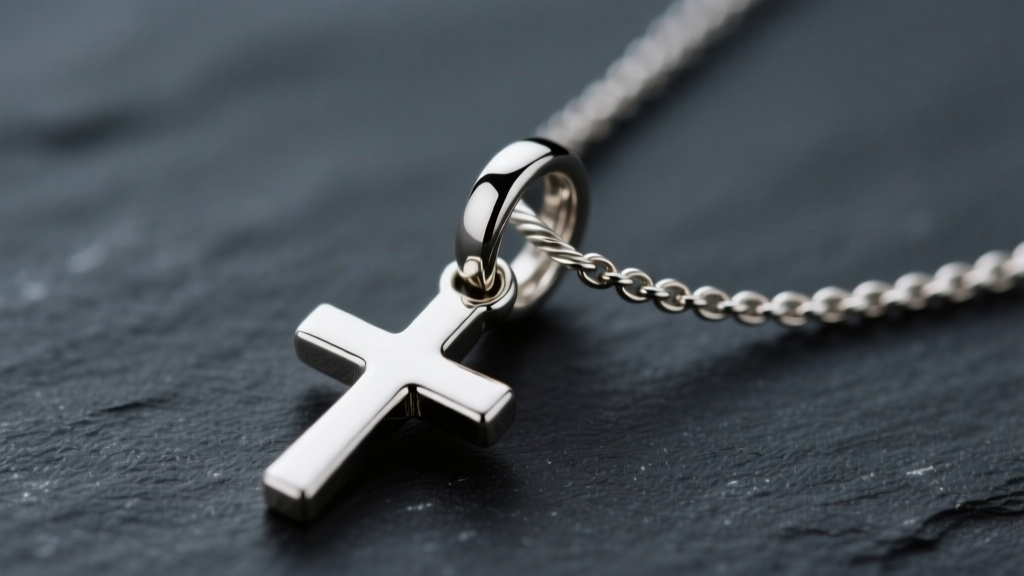
Care and Maintenance by Metal Type
To maximize the lifespan of your necklace, tailor your maintenance routine to the specific metallurgical properties of the piece:
- Solid Gold & Platinum: Clean bi-weekly using a few drops of mild dish soap (like Dawn) in warm water. Use an extra-soft baby toothbrush to gently clear sebum and lotion buildup from the back of the cross pendant. Avoid ultrasonic cleaners if your cross features fracture-filled diamonds or soft gemstones like opals.
- Sterling Silver: Store in an anti-tarnish cloth pouch (impregnated with silver nitrate or zinc) when not in use. To remove heavy oxidation, use a dedicated silver dip, but rinse thoroughly with distilled water afterward to halt the chemical reaction. Never use abrasive toothpaste, which will scratch the soft 60 HV surface.
- Titanium & Steel: Highly resistant to chemicals. These can be safely cleaned with isopropyl alcohol (70% or higher) to strip away oils and sanitize the metal, making them ideal for gym-goers who sweat heavily while wearing their jewelry.
Final Verdict: Choosing Your Everyday Piece
If your goal is a "put it on and never take it off" little cross necklace, 14k solid gold offers the undisputed best balance of tensile strength, skin biocompatibility, and tarnish resistance. For those on a strict budget who don't mind monthly polishing, 925 sterling silver remains a beautiful, classic choice. However, if you suffer from severe contact dermatitis or lead a highly active lifestyle where the jewelry might be subjected to impacts, upgrading to ASTM F136 Titanium provides unparalleled durability and peace of mind. Always inspect the solder points on your chain and bail every six months to prevent the heartbreaking loss of a meaningful pendant.


