Lobster Claw Necklace Metals: Clasp and Chain Material Guide
Compare the best metals for your lobster claw necklace. Learn about clasp metallurgy, spring mechanisms, gauge sizes, and durability.

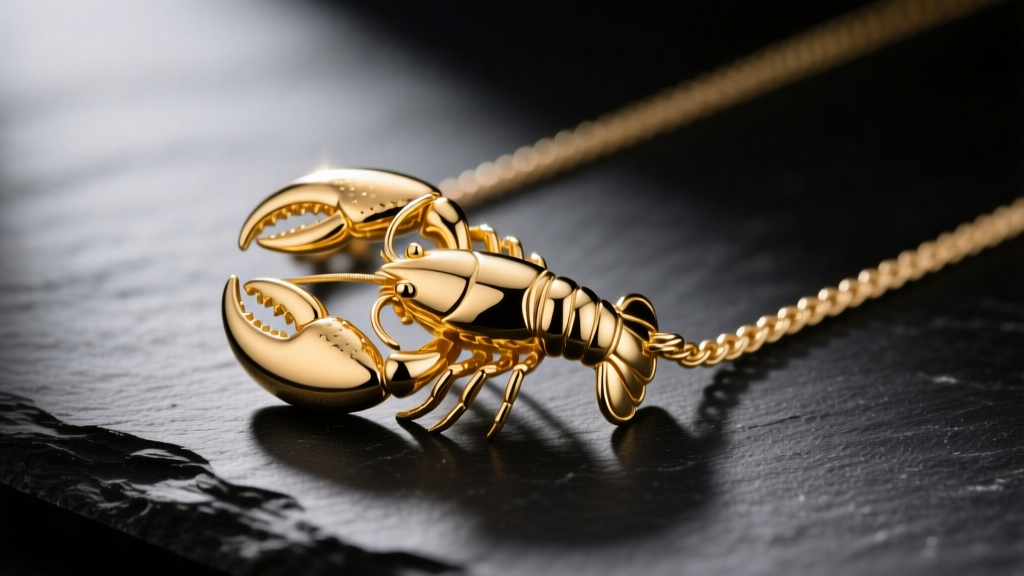
When shopping for a new piece of jewelry, consumers often fixate on the pendant or the chain's link style, overlooking the most critical hardware component: the clasp. The lobster claw necklace remains the industry standard for securing everything from delicate 1mm cable chains to heavy 10mm Cuban links. However, not all lobster clasps are created equal. The metallurgy of the clasp body, the hidden internal spring, and the accompanying jump rings dictate the lifespan and security of your jewelry.
In this comprehensive material comparison, we break down the exact properties of the metals used in lobster claw clasps, explore the hidden mechanics that dictate their failure points, and provide a concrete framework for matching clasp gauges to your specific chain and pendant weights.
The Hidden Metallurgy: Why Precious Metals Need Steel
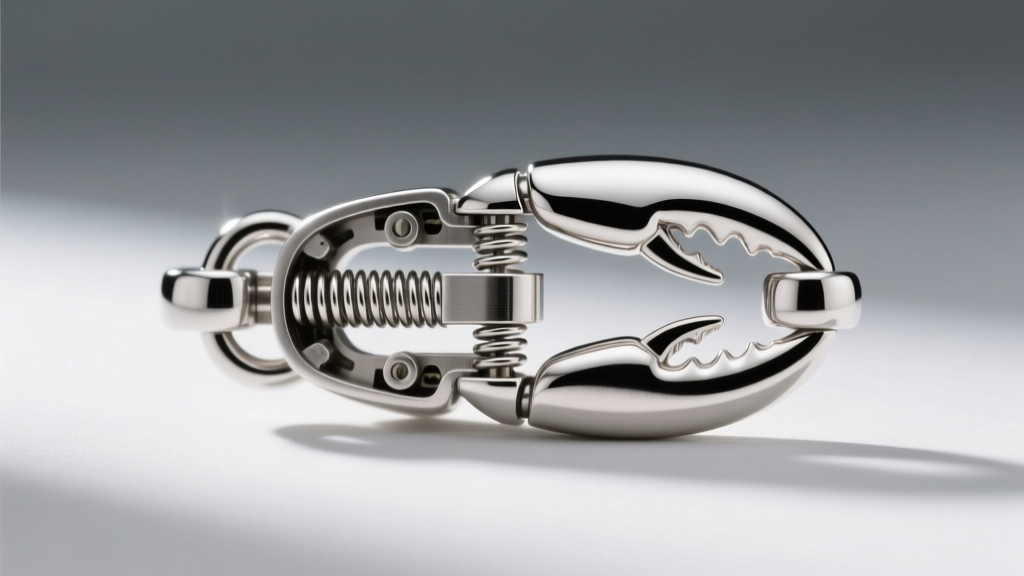
The most common misconception in jewelry design is that a solid 14k gold or sterling silver lobster claw clasp is made entirely of that precious metal. In reality, the internal spring mechanism—the tiny coil that provides the tension to snap the trigger back into place—cannot be made from gold or silver. Precious metals lack the necessary elastic modulus and 'memory' required to withstand thousands of compressions without permanently deforming.
According to jewelry manufacturing standards detailed by Rio Grande, the internal spring of a high-quality lobster clasp is almost universally crafted from 302 or 304 stainless steel. This means that even if you are purchasing a solid 18k yellow gold lobster claw necklace, the internal tension coil is steel. This material hybridity is crucial to understand, especially for individuals with severe nickel allergies, as lower-grade steel springs can occasionally cause contact dermatitis if the outer casing wears thin or if moisture becomes trapped inside the clasp housing.
Material Breakdown: Clasp Body and Chain Alloys
Choosing the right metal for your lobster claw necklace requires balancing tensile strength, corrosion resistance, and aesthetic preference. Below is a comparative analysis of the most common materials used for both the clasp housing and the chain links.
| Metal / Alloy | Tensile Strength | Corrosion Resistance | Best Use Case | Price Range (Clasp Only) |
|---|---|---|---|---|
| 316L Stainless Steel | Very High | Excellent (Marine Grade) | Heavy chains, daily wear, active lifestyles | $3 - $12 |
| 925 Sterling Silver | Moderate | Poor (Prone to Tarnish) | Lightweight chains, formal wear, vintage styles | $8 - $25 |
| 14k Solid Gold | High | Excellent | Everyday fine jewelry, heirloom pendants | $45 - $120 |
| 18k Solid Gold | Moderate | Excellent | Delicate chains, luxury pendants (softer alloy) | $70 - $180 |
| Brass (Gold Plated) | Low | Poor (Plating wears off) | Fashion jewelry, temporary wear | $1 - $4 |
The Superiority of 316L Stainless Steel
For everyday wear, 316L surgical stainless steel is the undisputed champion of durability. Unlike 304 steel, 316L contains molybdenum, which drastically increases its resistance to chlorides and industrial solvents. If you frequently swim in chlorinated pools or the ocean, a 316L lobster claw necklace will resist pitting and rust, whereas brass or plated alternatives will rapidly degrade.
The Vulnerability of Sterling Silver
While 925 sterling silver is a staple in fine jewelry, it is an alloy containing 7.5% copper. This copper content makes the metal susceptible to oxidation (tarnish) when exposed to sulfur and humidity. Furthermore, silver is a relatively soft metal. The trigger lever on a sterling silver lobster clasp can bend or warp if subjected to lateral stress, such as catching the clasp on a heavy wool sweater.
Sizing and Weight Capacities: Matching Gauge to Load
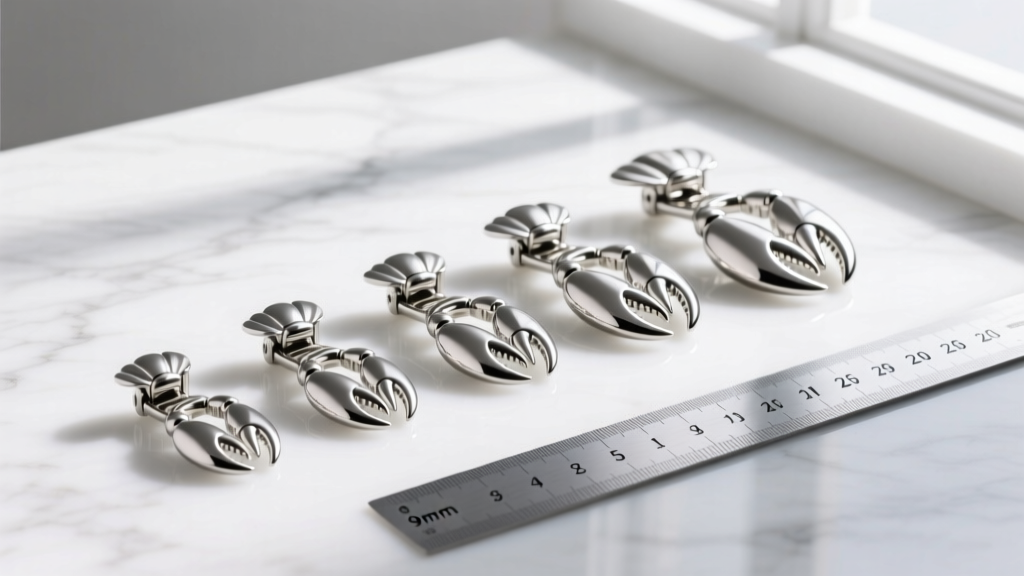
A lobster claw clasp is only as secure as its dimensional appropriateness for the chain. Using an undersized clasp on a heavy chain will result in trigger fatigue, while an oversized clasp on a delicate chain will cause the necklace to hang awkwardly and fail to drape correctly. Jewelry findings suppliers like Halstead categorize lobster clasps by their outer millimeter length, which directly correlates to their wire gauge thickness and weight-bearing capacity.
- 9mm - 10mm (Delicate): Wire thickness of roughly 1.0mm to 1.2mm. Designed for ultra-fine chains (0.8mm to 1.2mm) and lightweight pendants under 5 grams. Commonly used for layering necklaces.
- 12mm - 14mm (Standard): Wire thickness of 1.5mm to 1.8mm. The industry standard for medium-weight chains (1.5mm to 3.0mm) like standard cable, box, or rope chains. Can support pendants up to 15 grams.
- 16mm - 18mm (Heavy Duty): Wire thickness of 2.0mm to 2.5mm. Required for thick Figaro, curb, or Cuban link chains (4.0mm to 7.0mm). Features a wider trigger and a heavier internal spring.
- 20mm - 25mm+ (Statement): Wire thickness exceeding 3.0mm. Used exclusively for massive statement chains and heavy gemstone pendants exceeding 30 grams.
Common Failure Modes in Lobster Claw Necklaces
Understanding how a lobster claw necklace fails allows you to inspect your jewelry proactively and avoid catastrophic loss. There are three primary failure points in this clasp system:
1. The Unsoldered Jump Ring Gap
The most frequent point of failure is not the clasp itself, but the jump ring connecting the clasp to the chain. If the jump ring is unsoldered (meaning it has a visible slit where the wire ends meet), lateral tension can pull the slit apart. A heavy pendant acting as a lever can easily open a 20-gauge unsoldered jump ring. Always inspect the jump ring; for any necklace holding a valuable pendant, ensure the jeweler has used a soldered jump ring or a closed, seamless ring.
2. Internal Spring Rust and Fatigue
Because the internal spring is made of steel, exposure to saltwater, sweat, and harsh chemicals can cause it to rust. When the spring rusts, it loses its elasticity, resulting in a 'sticky' trigger that fails to snap shut completely. This leaves the clasp partially open, creating a high risk of the necklace slipping off unnoticed.
3. Trigger Lever Snapping
On lower-quality, hollow-cast lobster clasps (often found in mass-market fashion jewelry), the trigger lever is thin and brittle. Pulling the trigger back with excessive force, or using a fingernail to pry it open when the mechanism is stuck, can snap the lever entirely off the clasp body.
Maintenance and Troubleshooting Stuck Triggers
If the trigger on your lobster claw necklace becomes stiff or fails to close completely, do not force it. The issue is usually a buildup of microscopic debris, skin oils, or soap residue inside the clasp housing, rather than a broken spring.
Pro-Tip for Sticky Clasps: Place the clasp in a small ultrasonic jewelry cleaner for 3 to 5 minutes. If you do not have an ultrasonic cleaner, use a soft-bristled toothbrush dipped in warm water and a drop of mild, phosphate-free dish soap to gently scrub the crevices around the trigger. Rinse thoroughly and dry with compressed air or a microfiber cloth. Never use harsh chemical dips or bleach, as these will degrade the steel spring and strip the finish from plated metals.
By understanding the material science and mechanical realities of the lobster claw necklace, you can make informed purchasing decisions that prioritize both security and longevity. Whether you are selecting a marine-grade 316L steel clasp for an active lifestyle or a precision-cast 14k gold clasp for an heirloom diamond pendant, matching the metallurgy to your specific needs is the hallmark of a truly informed jewelry collector.


