The Ultimate Guide to the Lock and Key Necklace Haley Pham Style
Discover how to style the viral lock and key necklace Haley Pham made famous. Learn chain layering, metal grades, and vintage sourcing tips.

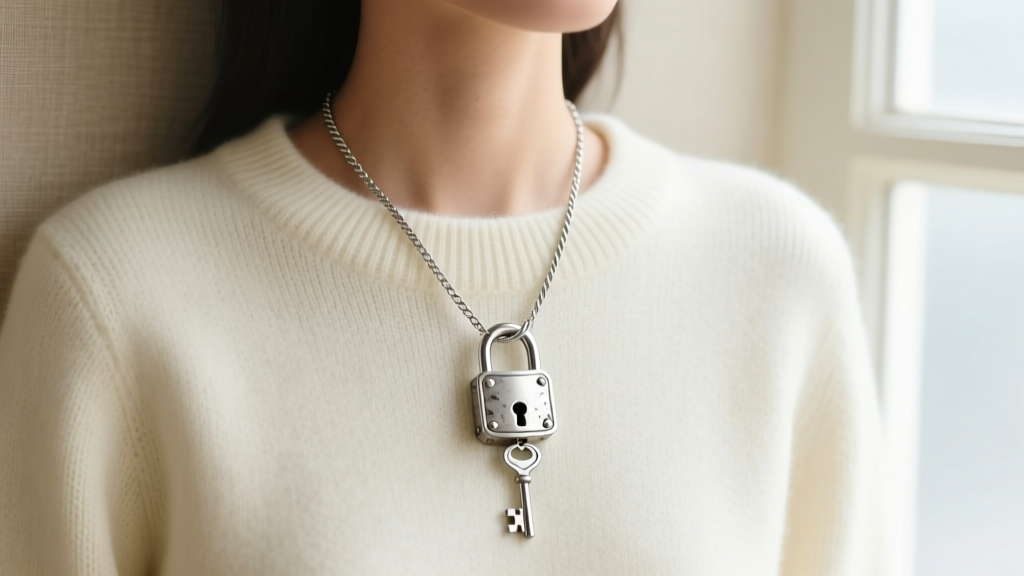
The resurgence of sentimental jewelry has completely reshaped how we approach everyday accessories. As we move through 2026, the shift towards hyper-personalized, talismanic pieces is stronger than ever. At the forefront of this effortless, vintage-inspired movement is the lock and key necklace haley pham aesthetic—a masterclass in mixing nostalgic charm with modern, casual layering. Whether you are a jewelry novice or looking to refine your daily stack, this beginner-friendly explainer will break down exactly how to source, style, and maintain the perfect lock and key necklace set.
The Anatomy of the Viral Lock and Key Aesthetic
The lock and key motif is far from new; it has roots in Victorian-era love tokens and mid-century friendship pendants. However, the contemporary iteration popularized by creators like Haley Pham strips away the overly polished, matchy-matchy feel of the past. The modern approach relies on asymmetry, mixed metals, and the juxtaposition of delicate chains with slightly chunky, vintage-style hardware.
To achieve this specific look, you need to understand the three core components of the stack:
- The Lock (The Anchor): Usually a vintage-style brass or sterling silver padlock, a heart-shaped locket with a keyhole, or a small cylindrical barrel lock. It acts as the visual weight of the outfit.
- The Key (The Accent): Often worn on a separate, slightly longer or shorter chain. Skeleton keys offer a romantic, antique vibe, while minimalist geometric keys lean into the modern indie aesthetic.
- The Chains (The Framework): The true secret to the Haley Pham style is mixing chain textures. You are not just wearing a pendant; you are curating a neckline ecosystem.
Sourcing the Perfect Padlock: Materials & Grades
When shopping for your anchor piece, the metal grade dictates not only the price but the longevity and skin-safety of the jewelry. Beginners often make the mistake of buying cheap, hollow-cast zinc alloy locks that turn their skin green and snap under the weight of a proper chain. Here is a breakdown of what you should actually be buying.
| Metal Type | Durability & Traits | Price Range | Best For |
|---|---|---|---|
| 925 Sterling Silver | High durability; will oxidize/tarnish over time but is easily polished. Hypoallergenic. | $40 - $120 | Everyday vintage looks and sensitive skin. |
| 18k Gold Vermeil | Sterling silver base with a thick gold plate (minimum 2.5 microns per FTC guidelines). | $60 - $150 | Warm-toned layering and budget-conscious luxury. |
| Solid 14k Gold | Exceptional durability; will not tarnish or wear away. Can be worn in the shower. | $250 - $600+ | Lifetime sentimental pieces and heirlooms. |
| Vintage Brass | Heavy, authentic patina. Requires a clear lacquer coating or a steel jump ring to prevent skin discoloration. | $15 - $50 (Etsy/Antique) | Authentic Y2K or Victorian grunge aesthetics. |
Expert Tip: If you are buying a vintage brass padlock from an antique shop or Etsy, always check the jump ring (the small loop connecting the lock to the chain). If it is made of steel or iron, it will rust. Swap it out for a solid sterling silver or 14k gold-filled jump ring at a local jeweler for about $5.
Chain Selection: Gauge and Length for Layering
The biggest failure point in beginner necklace layering is ignoring gauge size (the thickness of the wire). A heavy vintage padlock will easily snap a delicate 0.8mm chain. Conversely, a tiny, intricate key pendant will look completely lost on a thick 4.0mm Cuban link chain.
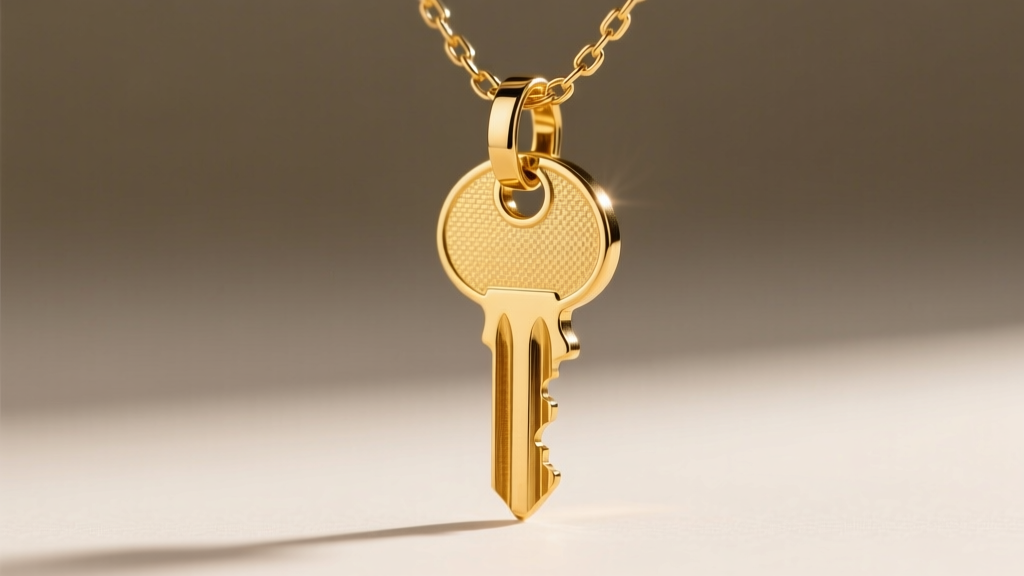
The Gauge-to-Pendant Ratio
To achieve the effortless Haley Pham aesthetic, follow these structural rules for your chains:
- For the Lock (10g - 20g weight): Use a 1.5mm to 2.0mm chain. Excellent styles include the classic Cable chain, the Figaro chain (for a touch of vintage menswear flair), or a sturdy Rope chain.
- For the Key (2g - 5g weight): Use a 1.0mm to 1.2mm chain. A delicate Paperclip chain or a Beaded (ball) chain works beautifully here, providing textural contrast to the heavier lock chain.
- The Clasp Rule: Never rely on a spring-ring clasp for a heavy padlock. Spring rings have a weak internal spring that degrades over time. Always upgrade to a lobster clasp or a custom toggle clasp for security.
How to Style Your Lock and Key Necklace Haley Pham Style
The hallmark of this specific styling method is the "undone" look. It should never look like you bought a pre-packaged set from a mall kiosk. You are aiming for a curated, collected-over-time appearance. Here is the exact layering framework to use.
The 3-Piece Layering Formula
- The Base Layer (15-16 inches): Start with a simple, lightweight chain that sits right at the collarbone. A 1.2mm sterling silver box chain or a tiny beaded chain works perfectly. This frames the neck without stealing focus.
- The Anchor Lock (18 inches): Your padlock pendant should rest right at the hollow of the throat or just above the sternum. An 18-inch Figaro chain with a small, oxidized silver padlock creates the perfect focal point.
- The Accent Key (20-22 inches): The key should hang noticeably lower than the lock, creating a cascading effect. A 20-inch delicate paperclip chain with a minimalist skeleton key pendant draws the eye downward and elongates the neck.
This 2-to-4 inch spacing between layers prevents the chains from tangling—a common frustration that ruins the look and damages the metal links. According to jewelry conservation experts at the Gemological Institute of America (GIA), constant friction between tangled chains can wear down gold plating and weaken solder points over time.
Neckline Pairings
The lock and key aesthetic thrives on contrast. Pair your metallic, structured jewelry stack with soft, casual fabrics. A vintage graphic tee, an oversized cream knit sweater, or a simple ribbed tank top provides the perfect blank canvas. Avoid high-necked ruffled blouses or busy, patterned collars, which will visually compete with the intricate details of the lock and key hardware.
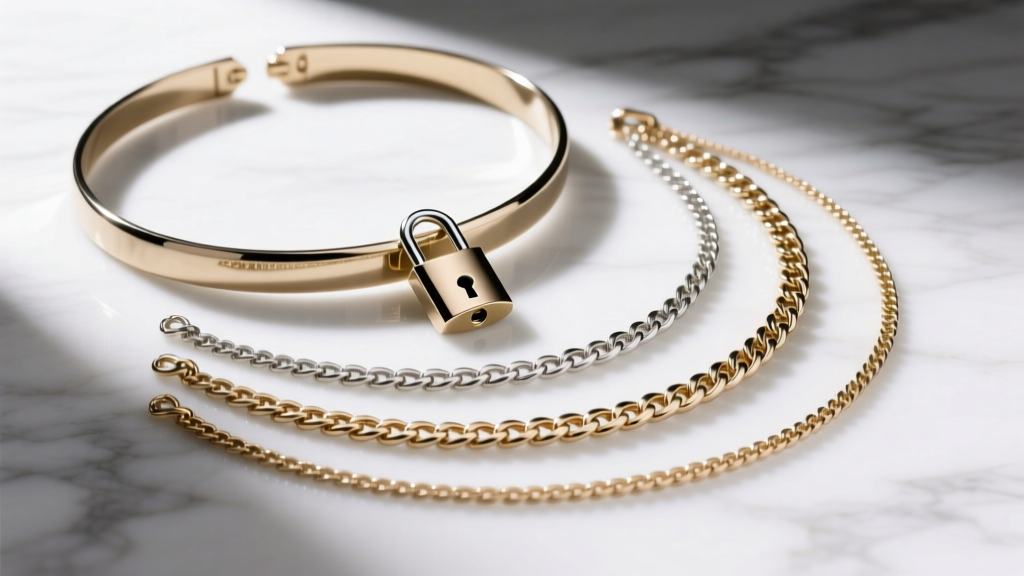
Caring for Vintage and Sentimental Lockets
Lock and key necklaces are often deeply sentimental, sometimes passed down or gifted to mark milestones. Proper maintenance is non-negotiable, especially if you are wearing sterling silver or vintage brass.
- Combat Sulfur, Not Just Water: Sterling silver tarnishes primarily due to sulfur in the air and in everyday items like rubber bands, wool, and certain cosmetics. Store your necklaces in an airtight ziplock bag with an anti-tarnish silica strip when not in use.
- Avoid Ultrasonic Cleaners on Vintage Pieces: If your padlock has an oxidized (darkened) finish to highlight the engraved details, an ultrasonic cleaner or harsh chemical dip will strip that patina away, leaving the piece looking flat and overly shiny.
- The Polishing Cloth Method: Use a dual-sided jeweler's cloth. The slightly abrasive inner layer removes tarnish, while the soft outer layer buffs the metal to a gentle shine. Never use toothpaste or baking soda, as these micro-scratch the metal surface, making it tarnish faster in the future.
Where to Buy Authentic Lock and Key Pieces
Skip the fast-fashion jewelry apps if you want a piece that will actually last. For the authentic Haley Pham aesthetic, your best bet is to mix and match from specialized retailers:
- Etsy & eBay (For the Lock): Search for "vintage sterling silver padlock pendant" or "antique brass heart lock." You can find incredible, heavy, one-of-a-kind pieces from the 1970s and 80s for under $40.
- Catbird & Mejuri (For the Chains): These brands offer exceptional, ethically sourced solid 14k gold and high-quality vermeil chains with reliable lobster clasps that won't break under the weight of a vintage lock.
- Local Flea Markets: Don't be afraid to buy a broken vintage locket or a lone key charm and have a local bench jeweler solder a new jump ring onto it. This is the ultimate hack for achieving a truly bespoke, personalized stack.
Mastering the lock and key necklace trend is about embracing imperfection and personal history. By understanding the mechanics of chain gauges, respecting metal grades, and utilizing strategic layering lengths, you can build a sentimental jewelry stack that feels entirely your own while channeling the effortless charm of your favorite style icons.


