Best Locket Necklace Materials Compared: Gold, Silver & Brass
Discover the best locket necklace materials. We compare 14k gold, sterling silver, and brass for durability, skin safety, and heirloom longevity.

Why Material Dictates the Lifespan of Your Locket Necklace
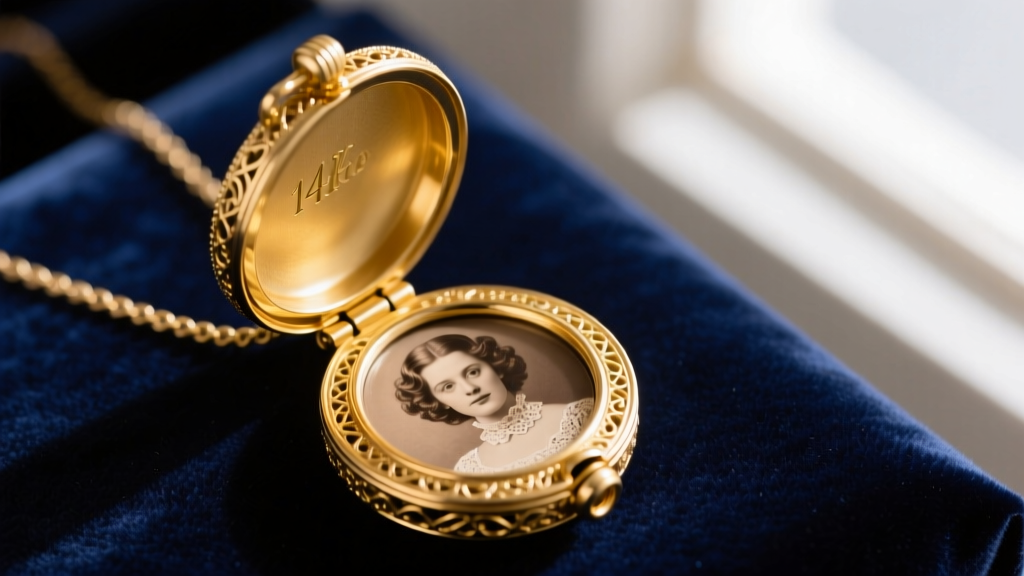
A locket necklace is rarely just an accessory; it is a vault for memory. Whether it holds a faded photograph, a lock of hair, or a modern microchip, the structural integrity of the metal determines whether it survives as a family heirloom or degrades into a broken trinket. As we navigate the jewelry market in 2026, metallurgical transparency and skin-safe alloys are more important than ever. When choosing a locket necklace, you must evaluate the metal not just for its color, but for its Vickers hardness, tarnish resistance, and hinge durability. In this comprehensive material comparison, we break down the exact properties of gold, sterling silver, and brass to help you make an informed, lasting investment.
Solid Gold Lockets: The Heirloom Standard
Gold remains the undisputed champion for heirloom jewelry, but not all gold is created equal. The purity of the gold drastically alters its mechanical properties, which is critical for a functional piece like a locket that relies on moving parts.
14k vs. 18k Gold: The Hinge Durability Factor
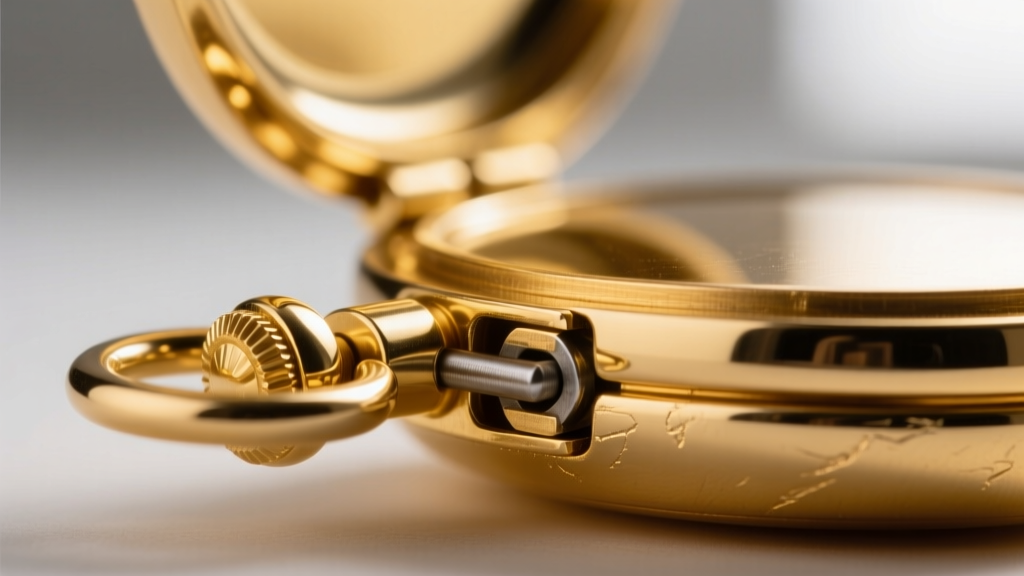
While 18k gold (75% pure gold) offers a richer, deeper yellow hue, it is inherently softer. On the Vickers hardness scale, 18k yellow gold sits around 115-120 HV. In contrast, 14k gold (58.5% pure gold, alloyed with copper, silver, and zinc) achieves a hardness of roughly 135-150 HV. According to the Gemological Institute of America (GIA), this difference in hardness is crucial for the locket's hinge and clasp. A softer 18k hinge pin is prone to bending under the repeated stress of opening and closing, eventually causing the locket to hang crookedly or fail to snap shut. For a locket necklace intended for daily wear, 14k gold provides the optimal balance of precious metal value and structural resilience.
White Gold and Rhodium Maintenance
If you prefer a silver-toned locket, 14k or 18k white gold is an excellent choice. However, remember that white gold is alloyed with nickel or palladium and plated with rhodium. The friction from the locket's snap closure and the bail rubbing against the chain will eventually wear away the rhodium at the contact points, revealing the slightly yellowish underlying alloy. Budgeting for a professional re-plating every 3 to 5 years is a necessary maintenance step for white gold lockets.
Sterling Silver: The Affordable Classic
Sterling silver (925) is the most popular entry point for fine jewelry lockets. Composed of 92.5% pure silver and 7.5% copper, it offers a brilliant luster at a fraction of the cost of gold. However, that 7.5% copper is both its strength and its Achilles' heel.
Tarnish, Oxidation, and the Friction Problem
The copper in sterling silver reacts with sulfur in the air and moisture on the skin to form silver sulfide, commonly known as tarnish. While tarnish can be easily polished away from the flat surfaces of a locket, it becomes highly problematic in the crevices of the hinge and the interior photo bezels. Polishing compounds can build up in these tight spaces, creating a gritty paste that accelerates mechanical wear. Furthermore, many modern silver lockets are treated with anti-tarnish nano-coatings. While effective on the face of the locket, these coatings wear off rapidly at the hinge due to metal-on-metal friction, leading to uneven oxidation over time.
Expert Tip: Store your sterling silver locket necklace in an airtight polyethylene bag with an activated charcoal or silica gel desiccant packet to halt the oxidation process when not in wear.
Brass and Bronze: Vintage Appeal with Hidden Risks
Brass (an alloy of copper and zinc) and bronze (copper and tin) have surged in popularity for artisanal and vintage-style locket necklaces. They offer a warm, antique aesthetic and are highly affordable, often ranging from $30 to $80 for intricate, cast designs. However, wearing raw brass against the skin introduces specific chemical reactions.
The 'Green Skin' Phenomenon and Lacquer Coatings
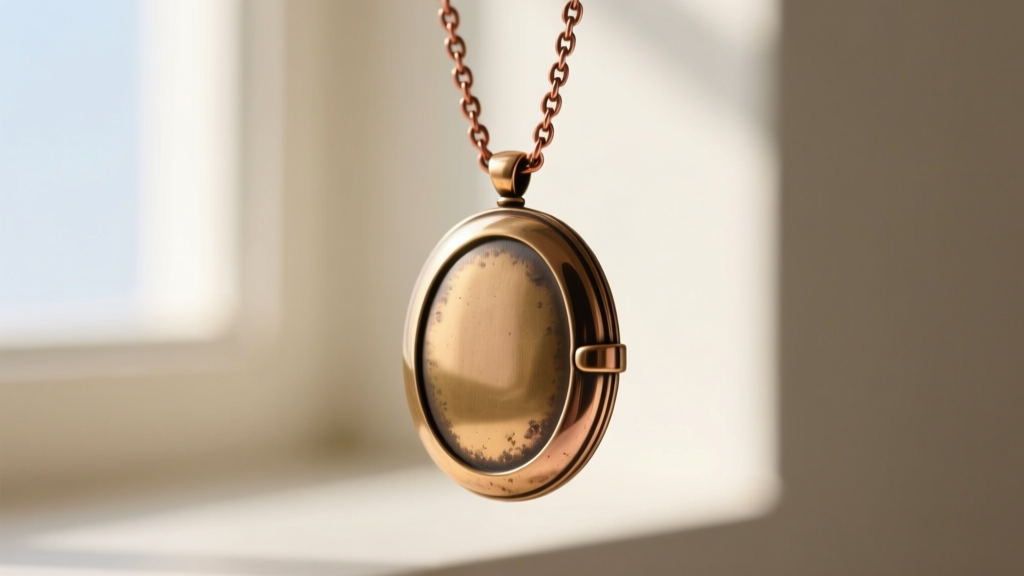
Human sweat has a slightly acidic pH, typically ranging from 4.5 to 7.0. When this acidity interacts with the copper in brass, it creates copper chloride salts, which transfer to the skin as a harmless but unsightly green stain. To combat this, reputable manufacturers apply a clear polymeric coating, such as ProtectaClear or Everbrite, to seal the metal. If you are buying a raw brass locket necklace, you must be prepared to reapply a jewelry-safe lacquer every 12 to 18 months, as the coating will inevitably wear away from the back of the locket where it rests against the sternum.
Material Comparison Matrix
To help you weigh your options, here is a structured breakdown of the most common locket necklace materials based on 2026 market data and metallurgical standards.
| Material | Composition | Hardness (Vickers) | Tarnish / Skin Risk | Avg. Price Range |
|---|---|---|---|---|
| 14k Yellow Gold | 58.5% Au, 41.5% Alloy | 135 - 150 HV | None (Hypoallergenic) | $400 - $1,200+ |
| 18k Yellow Gold | 75.0% Au, 25.0% Alloy | 115 - 125 HV | None (Hypoallergenic) | $800 - $2,500+ |
| Sterling Silver | 92.5% Ag, 7.5% Cu | 60 - 75 HV | High Tarnish Risk | $80 - $300 |
| Raw Brass | 65% Cu, 35% Zn | 100 - 130 HV | Green Skin Staining | $30 - $90 |
| Surgical Steel | 316L Stainless Steel | 150 - 200 HV | None (Highly Stable) | $40 - $120 |
Hardware and Hinge Mechanics: Where Lockets Fail
The metal of the locket body is only half the equation; the hardware connecting it to the chain is a frequent point of catastrophic failure. According to Jewelers of America, improper jump ring sizing is the leading cause of lost pendants.
Gauge Thickness and Bail Sizing
A solid 14k gold or heavy brass locket can easily weigh between 10 and 20 grams. If this weight is suspended by a flimsy 22-gauge or 20-gauge jump ring, the ring will slowly pull apart under the dynamic stress of walking and moving. For any locket weighing over 8 grams, insist on a minimum of an 18-gauge (1.02mm) jump ring, preferably soldered closed or featuring a secure locking mechanism. Furthermore, the bail (the loop at the top of the locket) must be thick enough to prevent the chain from sawing through it over decades of friction. A reinforced, soldered bail is a hallmark of a truly generational locket necklace.
The Snap Closure Tension
The 'snap' of a locket is achieved by a tiny metal tension spring or a friction-fit lip. In cheaper, mass-produced lockets, this lip is often stamped from thin sheet metal and loses its tension within a year, causing the locket to pop open unexpectedly. High-end lockets utilize a milled, interlocking step-joint or a hidden steel tension spring that maintains its grip indefinitely. When shopping, test the closure: it should require a deliberate, firm fingernail pry to open, not a gentle nudge.
Conclusion: Choosing Your Locket Necklace Material
Selecting the right material for your locket necklace requires balancing your budget, aesthetic preferences, and willingness to perform maintenance. If your goal is a zero-maintenance, multi-generational heirloom that will survive a century of daily wear, a 14k solid gold locket is the only logical choice. Its superior Vickers hardness protects the delicate hinge mechanics that softer metals cannot withstand. For those seeking a beautiful, affordable option with a classic look, sterling silver is exceptional, provided you commit to regular polishing and proper airtight storage. Finally, if you are drawn to the moody, vintage aesthetic of brass, ensure the piece is properly sealed with a polymeric lacquer to protect both the metal's finish and your skin. By understanding the metallurgical realities behind these metals, you ensure that the memories held inside your locket remain as secure as the metal that guards them.


