Long Clover Necklace Value Guide: Is It Worth the Price?
Is a designer long clover necklace worth the investment? We break down 2026 pricing, material durability, and cost-per-wear for smart buyers.

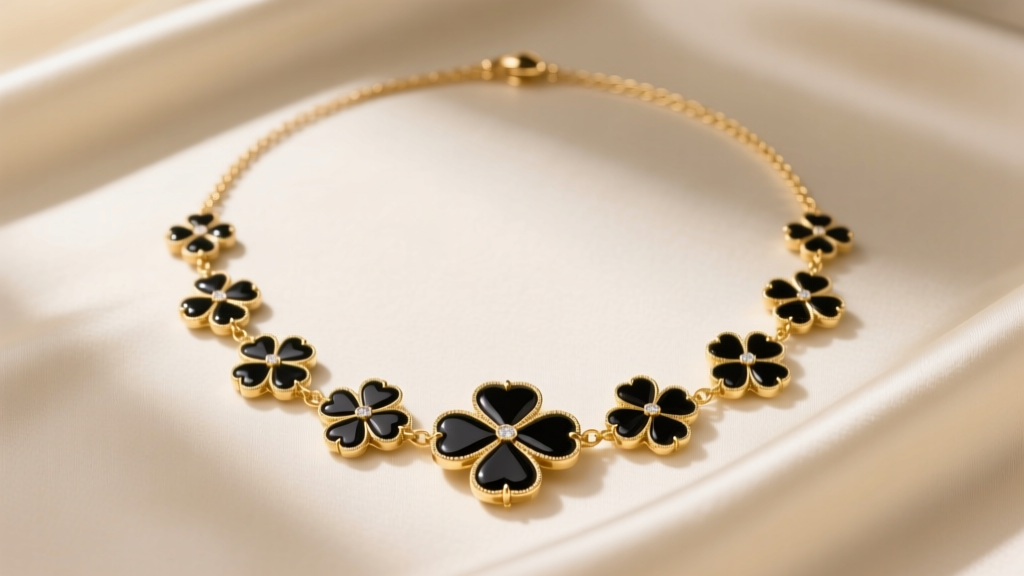
The iconic four-leaf clover motif has dominated luxury jewelry for decades, but the 2026 market presents a complex dilemma for buyers. When shopping for a long clover necklace—typically defined as a 30-to-36-inch strand featuring 16 to 20 individual motifs—consumers are faced with a massive price chasm. On one end sits the heritage designer original, retailing well over $13,000. On the other, an influx of high-quality artisan alternatives and mass-market vermeil options ranging from $100 to $1,500.
As a buyer, how do you assess the true value of these pieces? This guide strips away the brand prestige and evaluates the long clover necklace purely on material science, structural integrity, and long-term financial ROI.
The Anatomy of a Long Clover Necklace
Before assessing value, we must establish the baseline specifications of a properly constructed long clover necklace. The classic 'long' iteration is designed to be worn looped (doubled at roughly 16-18 inches) or draped as a single lariat-style strand.
- Length: 33 to 36 inches (84 to 91 cm).
- Motif Count: Usually 20 individual clover stations.
- Metal Weight: A solid 18k gold designer piece weighs between 45 and 60 grams. Artisan 14k alternatives typically range from 25 to 35 grams.
- Clasp Hardware: Heritage brands use integrated fold-over clasps or specialized lobster clasps hidden within a motif. Budget options often use standard stamped lobster clasps that disrupt the visual flow.
The weight of the gold and the complexity of the chain links (usually a specialized oval or cable link designed to prevent tangling) dictate the baseline scrap and labor value before a single stone is set.
2026 Market Pricing: Heritage vs. Artisan vs. Mass Market
To understand where your budget is best allocated, we must segment the current market. Below is a comparative breakdown of the three primary tiers available to consumers this year.
| Tier | Brand Examples | Materials | Avg. Price (2026) | Resale Retention |
|---|---|---|---|---|
| Heritage Designer | Van Cleef & Arpels | 18k Gold, Natural Onyx/MOP | $13,500 - $15,500 | 70% - 90% |
| Boutique Artisan | Independent Jewelers, Etsy Elite | 14k/18k Solid Gold, Genuine Stones | $800 - $1,800 | 20% - 40% |
| Mass Market | Fashion Brands, Fast Jewelry | Gold Vermeil, Dyed Howlite/Glass | $90 - $250 | 0% - 5% |
Insight: The heritage tier commands a massive premium for the brand name and proprietary design patents. However, the boutique artisan tier offers the highest functional value, providing lifelong durability (solid gold) and genuine gemstones at roughly 10% of the designer cost.
Material Durability and Hidden Maintenance Costs
A major factor in value assessment is the longevity of the inlay stones. A long clover necklace rests against the sternum and is highly susceptible to body oils, perfumes, and friction. Not all stones are created equal, and choosing the wrong material can lead to expensive replacements.
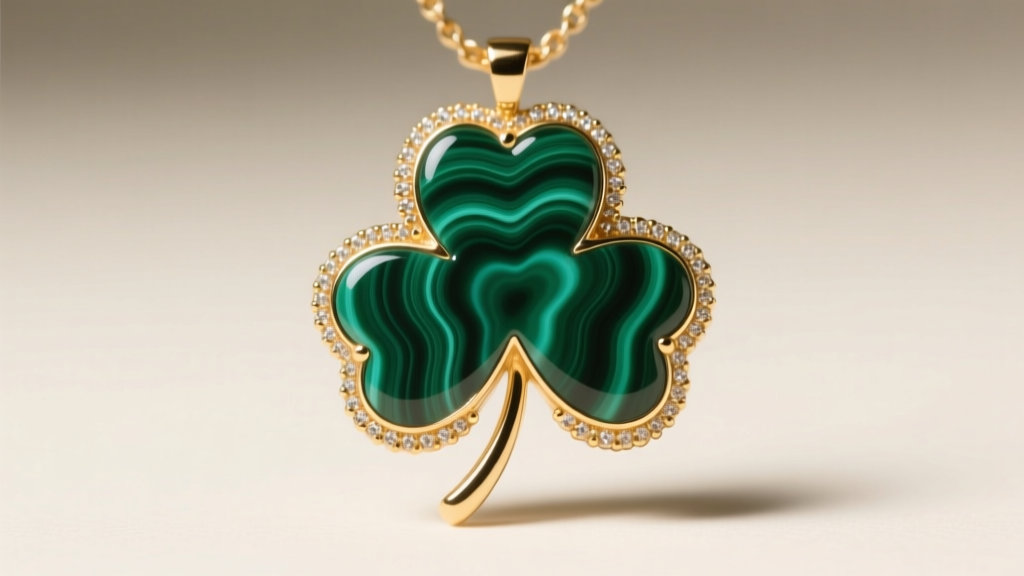
The Stone Porosity and Durability Index
According to the Gemological Institute of America (GIA), organic and porous stones require vastly different care protocols than crystalline structures. Here is how the three most common clover necklace stones hold up over a decade of wear:
- Black Onyx (Mohs 7): The undisputed champion of durability. Onyx is a chalcedony quartz that resists scratching, chemical exposure, and thermal shock. Value Verdict: Highest ROI for daily wear.
- Mother of Pearl (Mohs 2.5 - 4.5): Prone to micro-scratching and chemical etching from acidic sweat. Furthermore, MOP is often glued into the gold bezel. Over 5-10 years, ultrasonic cleaning or temperature changes can cause the adhesive to fail, leading to delamination. Value Verdict: High maintenance; avoid if you live in humid climates or wear perfume heavily.
- Malachite (Mohs 3.5 - 4): Beautiful but highly vulnerable. As noted in GIA's care guidelines, malachite is sensitive to acids, heat, and even prolonged water exposure. A malachite long clover necklace will require professional repolishing every few years to maintain its luster, adding $150-$300 in hidden maintenance costs.
Structural Failure Points: Where Budget Necklaces Break
If you opt for the mass-market vermeil tier to save money upfront, you must be aware of the engineered failure points. In a 36-inch necklace featuring 20 motifs, there are at least 40 individual solder points where the motif jump rings connect to the chain.
Expert Warning: In gold vermeil pieces (a thick layer of gold over sterling silver or brass), the solder points are often the first to oxidize and snap. The thermal expansion rates of the base metal and the gold plating differ, causing micro-fractures at the jump rings. Expect a vermeil long clover necklace to require chain repairs within 18 to 24 months of regular wear.
Conversely, a solid 14k or 18k artisan piece uses laser-welded jump rings that will outlast the wearer, making the $1,200 investment vastly superior to spending $200 every two years on replaceable fashion jewelry.
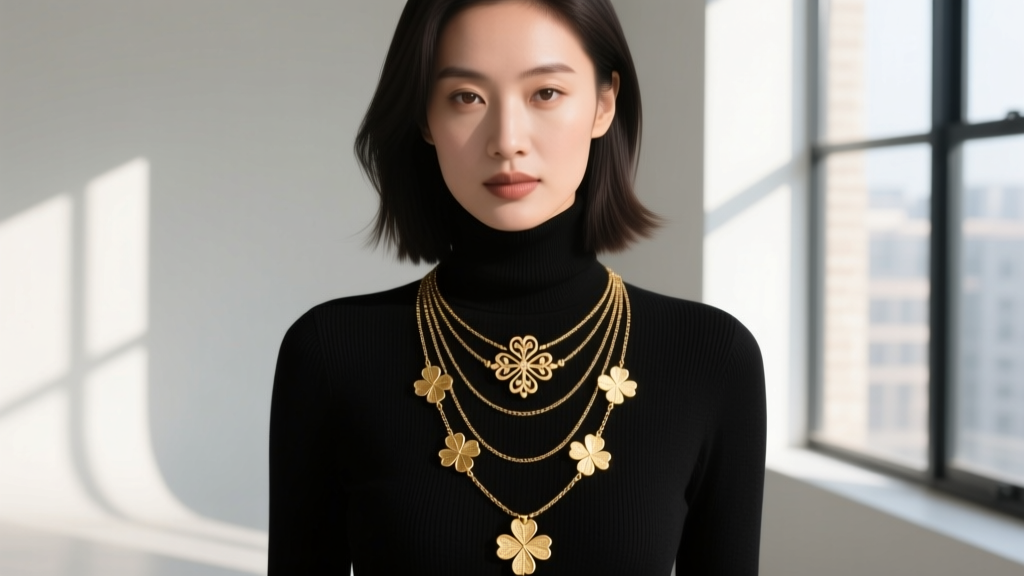
Calculating Cost-Per-Wear (CPW) and Resale Value
To objectively assess the budget, we apply the Cost-Per-Wear framework, factoring in the piece's residual value after five years of bi-weekly use (approx. 500 wears).
- Heritage Designer ($14,000): CPW is $28.00 per wear. However, if sold in 2031, the piece will likely fetch $10,500 on the secondary market. True net cost: $3,500 ($7.00 net CPW).
- Boutique Artisan ($1,200): CPW is $2.40 per wear. Resale value is roughly $400 (scrap gold value + minor stone premium). True net cost: $800 ($1.60 net CPW).
- Mass Market Vermeil ($150): CPW is $0.30 per wear. Resale value is $0. True net cost: $150 ($0.30 net CPW).
While the mass-market option wins on pure upfront cash flow, the artisan solid-gold option offers the best balance of lifelong durability, ethical material sourcing, and low net cost-per-wear without the anxiety of damaging a $14,000 asset.
Final Verdict: Where Should You Invest Your Budget?
Your budget allocation should be dictated by your primary motivation for purchasing the long clover necklace:
1. The Investment & Legacy Buyer
If your goal is wealth preservation, brand prestige, and passing down a recognizable heirloom, the heritage designer piece is the only option. Stick to black onyx to ensure the stones survive long enough to become an heirloom. Avoid malachite and MOP for legacy pieces due to their inherent structural fragility.
2. The Pragmatic Style Enthusiast (Best Value)
If you love the aesthetic of the 20-motif drape but refuse to pay a 1,000% brand markup, seek out a reputable artisan jeweler who works in solid 14k gold. Ensure they use genuine, un-dyed stones and laser-weld their jump rings. A budget of $1,000 to $1,500 will secure a piece that looks identical from three feet away, wears beautifully against the skin, and will never turn your neck green or snap at the clasp.
3. The Trend Tester
If you are unsure if the long, layered clover look suits your wardrobe, buy a vermeil piece under $150. Treat it as a 24-month rental. Once the plating wears off the high-friction areas (like the clasp and center motifs), discard it and upgrade to solid gold if the style has earned a permanent place in your rotation.
Ultimately, the true value of a long clover necklace isn't just in the gold weight or the brand stamp—it is in the structural engineering that allows it to survive the rigors of daily wear while maintaining its elegant, sweeping drape.


