Long Red Beaded Necklace Buying Guide: What to Look For
Discover how to choose the perfect long red beaded necklace. Learn about gemstone vs glass beads, stringing durability, and clasp types in our expert guide.


The Allure of the Long Red Beaded Necklace
The long red beaded necklace is a masterclass in visual weight and kinetic movement. In 2026, the resurgence of maximalist layering and bohemian-chic aesthetics has pushed opera-length (30+ inches) and lariat beaded strands back into the spotlight. However, buying a long red beaded necklace requires navigating a minefield of structural vulnerabilities. Unlike a delicate 16-inch gold chain, a 32-inch strand of 12mm stone beads can weigh upwards of 180 grams. This creates immense dynamic stress on the stringing material and clasp every time you walk, bend, or turn. This comprehensive buying guide dissects the anatomy of high-quality beaded necklaces, helping you distinguish between heirloom-grade craftsmanship and fast-fashion failures.
Material Breakdown: Gemstone vs. Glass vs. Resin
The term "red bead" encompasses a vast spectrum of materials, each with distinct optical properties, durability profiles, and price points. According to the Gemological Institute of America (GIA), understanding the Mohs hardness scale and refractive index is critical when evaluating red gemstones for daily wear.
Genuine Gemstones: Carnelian, Jasper, and Garnet
For a rich, earthy red, Carnelian (a chalcedony variety, Mohs 6.5-7) offers beautiful translucency that catches the light. Red Jasper (Mohs 6.5-7) provides an opaque, matte finish with striking natural matrix inclusions, making it highly resistant to visible scratching. For deep, luxurious burgundy tones, Pyrope Garnet (Mohs 7-7.5) is the premium choice. Garnet's high refractive index gives it a glass-like luster that resin simply cannot replicate. When buying gemstone beads, inspect the drill holes. High-quality stones feature smooth, laser-drilled holes (typically 0.8mm to 1.0mm) without micro-fractures or "blowouts" at the exit points.
Artisan Glass: Murano and Lampwork
Handcrafted lampwork glass beads offer unparalleled color saturation and internal depth, often featuring metallic foils or millefiori patterns encased in clear glass. While visually stunning, glass beads (Mohs 5.5) are susceptible to shattering if struck against hard surfaces like marble countertops. They also tend to have larger, torch-melted drill holes (1.5mm+), which requires thicker stringing wire or the use of bead bumpers to prevent the wire from sawing through the glass edge over time.
Synthetic Resin and Acrylic
Resin beads are exceptionally lightweight, making them ideal for 40-inch lariat styles that would otherwise cause neck strain. However, resin is highly porous and vulnerable to chemical degradation. Exposure to ethanol-based perfumes, sunscreen, and UV radiation will cause red resin beads to yellow, cloud, or develop a sticky surface patina within 12 to 18 months of regular wear.
Comparative Analysis: Red Bead Materials
| Material | Mohs Hardness | Avg. Weight (10mm Bead) | Price per 16" Strand | Best Stringing Method |
|---|---|---|---|---|
| Pyrope Garnet | 7.0 - 7.5 | 1.2 - 1.4g | $80 - $250+ | 49-Strand Wire (0.018") |
| Carnelian | 6.5 - 7.0 | 1.1 - 1.3g | $25 - $60 | 49-Strand Wire (0.021") |
| Red Jasper | 6.5 - 7.0 | 1.2 - 1.5g | $15 - $40 | 49-Strand Wire (0.024") |
| Murano Glass | 5.5 - 6.0 | 1.5 - 2.0g | $40 - $120 | Kevlar Thread or Heavy Wire |
| Cast Resin | 2.0 - 3.0 | 0.3 - 0.5g | $5 - $15 | Nylon Cord (1.0mm) |
The Physics of the Pendulum: Stringing and Knotting
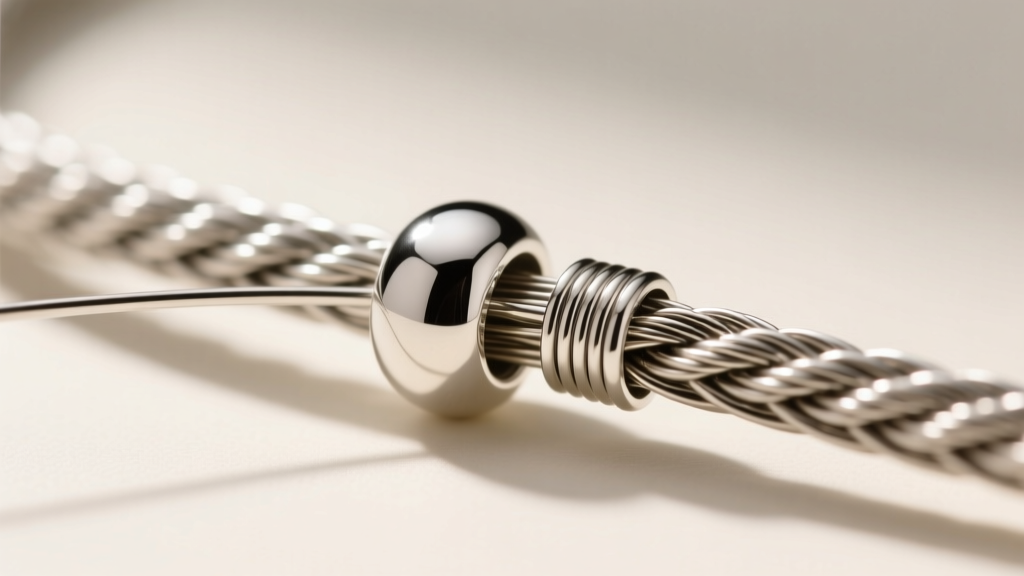
The most common point of catastrophic failure in a long red beaded necklace is the stringing material. A 32-inch necklace acts as a pendulum. The kinetic energy generated by walking transfers directly to the nape of the neck and the clasp mechanism. According to Interweave Jewelry Making experts, using the wrong stringing medium for heavy stone beads guarantees eventual snapping.
Beading Wire: The 49-Strand Standard
For heavy gemstone or glass beads, multi-strand stainless steel wire coated in nylon is the industry standard. You must look for 49-strand wire (such as Accu-Flex or Soft Flex). The 49 micro-strands provide a supple, fabric-like drape that prevents the necklace from kinking or jutting out awkwardly at the chest. For 10mm to 14mm beads, a 0.024-inch (0.61mm) gauge is mandatory to handle the sheer tensile weight. Thinner 0.015-inch wire will eventually succumb to metal fatigue at the crimp bead.
Silk Thread and the Knotting Imperative
If you prefer the traditional, fluid drape of knotted silk, ensure the necklace is knotted between every single bead. Size F or G silk thread (approx. 0.35mm - 0.45mm) is used for 6mm to 8mm beads. While silk offers unmatched elegance, it degrades with skin oils and moisture. A fully knotted strand ensures that if the silk snaps, you only lose one bead rather than the entire 30-inch strand scattering across a hardwood floor.
Clasp Mechanics for Heavy Beads
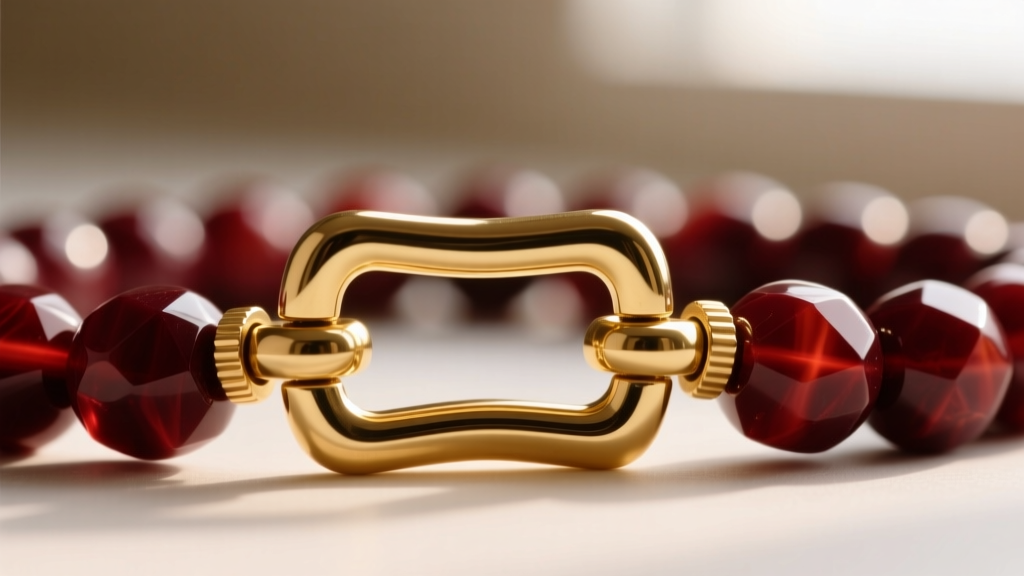
Standard 9mm lobster claws and spring-ring clasps are fundamentally inadequate for long, heavy beaded necklaces. The dynamic load of a swinging 150-gram necklace will easily warp the lever of a standard lobster claw, causing it to pop open unexpectedly. When evaluating a long red beaded necklace, look for these heavy-duty alternatives:
- Toggle Clasps: A T-bar that passes through a rigid O-ring. The weight of the necklace naturally pulls the bar horizontally against the ring, creating a self-locking tension seal. Ensure the O-ring is soldered and the T-bar is at least 1.5x wider than the ring's inner diameter.
- Neodymium Magnetic Clasps: Excellent for accessibility, but they must feature a secondary safety chain or figure-8 latch. Strong magnets can attract steel objects in your environment, and a sudden yank will separate the magnets without a backup tether.
- S-Hook or Hook-and-Eye: Often used in artisan bohemian pieces. These rely on the constant downward pull of gravity to stay closed, but can snag on knitwear.
Sizing, Proportions, and Neckline Pairings
The visual impact of a long red beaded necklace is entirely dependent on its length relative to your torso. In 2026, the trend leans toward intentional, dramatic proportions rather than safe, mid-chest placements.
- Matinee (24 - 26 inches): Falls at the center of the bust. Ideal for pairing with deep V-necklines or open-collared blazers. It draws the eye vertically, elongating the neck.
- Opera (28 - 34 inches): Rests below the bust line. This is the quintessential length for a bold red beaded strand. It looks exceptional layered over a solid turtleneck in winter, or worn as a single, striking statement piece over a maxi dress.
- Lariat / Rope (40+ inches): Designed to be wrapped multiple times or knotted loosely at the sternum. Because the ends are often left dangling without a clasp, resin or lightweight wood beads are preferred here to prevent the ends from acting as heavy whips.
The Art of Layering Red Beads
When layering a long red beaded necklace with metallic chains, adhere to the "Rule of Three Textures." Pair the matte, earthy texture of red jasper beads with a high-polish 14k gold paperclip chain and a delicate, hammered silver pendant. The red beads act as the visual anchor, while the metallic chains provide negative space and light reflection. Avoid layering multiple heavy beaded strands together, as the friction between the beads will cause micro-abrasions and premature wear on the drill holes.
Care and Maintenance: Preserving the Red Hue
Red gemstones and glass require specific maintenance protocols to retain their luster. Never place a beaded necklace in an ultrasonic cleaner. The high-frequency vibrations can shatter glass beads and fracture internal inclusions in natural carnelian or garnet. Instead, clean your necklace using a lint-free microfiber cloth lightly dampened with distilled water. For stubborn skin oils around the drill holes, use a soft-bristled makeup brush dipped in a mild, phosphate-free dish soap solution, gently scrubbing the crevices before patting dry. Always store your long beaded necklaces laid flat or hung on a padded, wide-neck hanger. Hanging them on thin wire hooks for extended periods will stretch the stringing material and create permanent "flat spots" in the necklace's drape.
Final Verdict: Investment vs. Fashion Pieces
When shopping for a long red beaded necklace, your choice should align with your wear frequency. For daily, heirloom-quality wear, invest in 49-strand wire-strung Pyrope Garnet or Carnelian with a solid soldered toggle clasp. For seasonal, trend-driven styling, artisan lampwork glass or high-grade resin offers vibrant aesthetics at a fraction of the weight and cost. By prioritizing structural integrity—specifically stringing gauge and clasp mechanics—you ensure that your statement piece remains a staple of your wardrobe for years to come.


